





Oriental Framed Silk Art
Oriental framed silk art brings together delicate textiles and traditional paintings preserved behind glass in wood frames.
Oriental Framed Silk Art
Oriental framed silk art encompasses painted, embroidered, and woven works originating from various Eastern traditions, mounted for display on walls or tabletops. Buyers searching for oriental framed silk art frequently encounter pieces from the nineteenth century, alongside early twentieth-century examples.
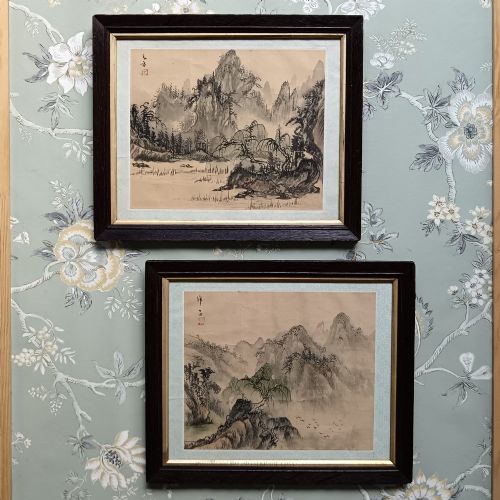
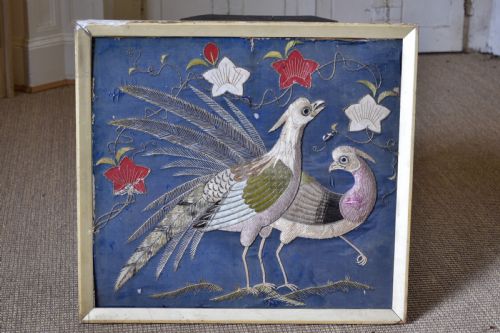
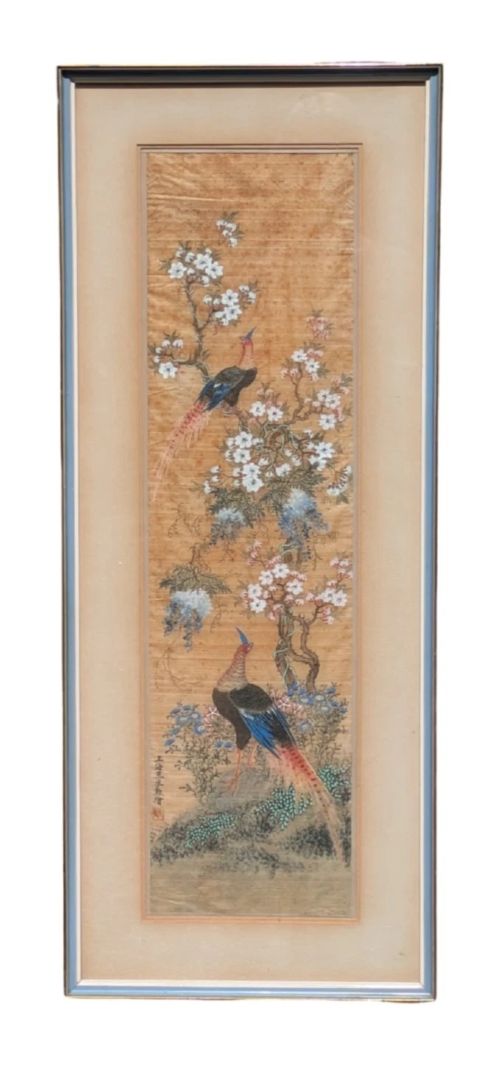
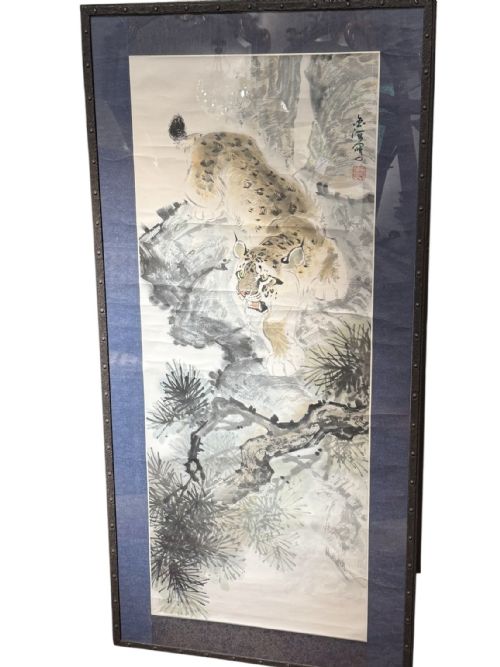
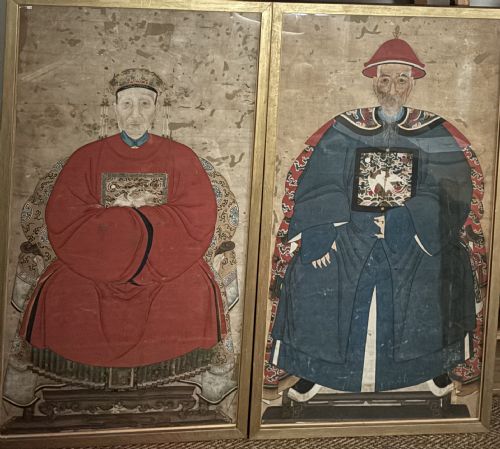
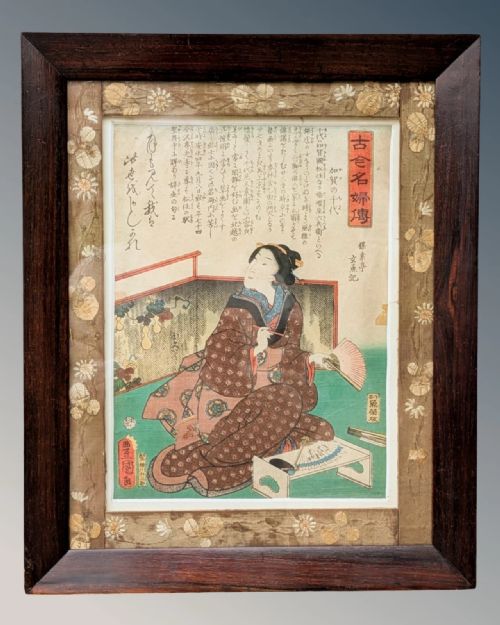
The selections span Chinese scroll paintings, Japanese textile panels, and Ottoman or Persian embroideries, often secured under glass within hardwood or carved frames. Ancestor portraits, bird studies, and floral compositions dominate the forms, reflecting both export markets and domestic traditions.
How they were made
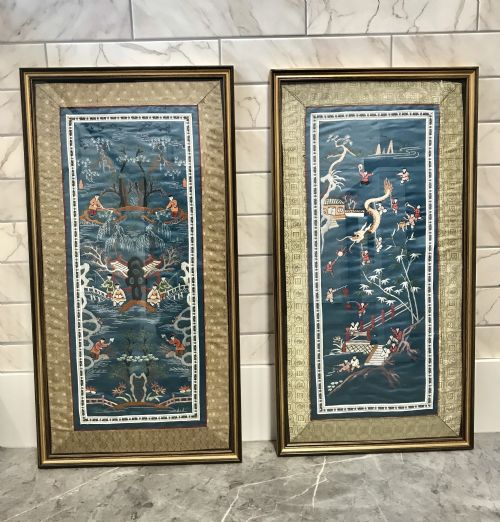
Artisans applied pigment, gouache, and ink directly onto fine silk grounds, sometimes combining these mediums with paper and metallic thread. Needleworkers executed intricate hand-sewn embroidery using coloured threads to depict figures, dragons, and natural scenes.
Makers housed these fragile textiles within wooden surrounds, utilising hardwood frames, carved stands, and glass covers to protect the delicate surfaces from atmospheric damage.
Materials documented in these listings include silk, wood, glass, paper, pigment, ink, metallic thread, and hardwood.
What varies in quality
The refinement of the brushwork or the density and precision of the needlework dictates the visual impact of the piece. Finer examples display meticulous detail in facial expressions, plumage, and botanical elements.
The integrity of the original mounting and the preservation of the silk ground influence the overall standing of the artwork. Intricately carved hardwood frames and intact glazing enhance the enduring character of the piece.
Iida Takashimaya Company
The Oriental Framed Silk Art Glossary
- Silk
- A natural protein fibre spun by silkworms, utilised as a smooth ground for traditional painting and embroidery. It provides a lustrous background that catches light.
- Embroidery
- The craft of decorating fabric using a needle to apply thread or yarn. Hand-sewn panels often incorporate metallic threads for added depth.
- Gouache
- An opaque water-based pigment used on silk and paper surfaces. It yields solid, vibrant colours that retain their tone over centuries.
- Woodblock print
- An image carved into a wooden block, inked, and transferred to a surface. These prints frequently feature silk brocade mounts.
- Ancestor portrait
- A formal painting depicting family forebears, created to honour lineage and memory. These works often show subjects in traditional robes.
Oriental Framed Silk Art: Frequently Asked Questions
How do I hang antique silk art safely?
Position framed silk pieces away from direct sunlight and moisture to protect the textile ground and pigments from fading or deterioration.
Ensure wall fixings match the weight of the hardwood frame and glass to keep the artwork secure.
Can I clean the glass on these frames?
Wipe the glass gently with a dry or slightly damp microfibre cloth, taking care to prevent liquid from seeping beneath the frame edge.
Avoid applying cleaning sprays directly onto the glass, as moisture can damage the antique silk within.
What periods do these artworks cover?
The pieces span the nineteenth century and the early twentieth century, reflecting traditional craftsmanship from multiple Asian and Middle Eastern regions.
Dates range from mid-century examples to later twentieth-century signed paintings.
How are embroidered panels mounted?
Textiles are stretched across backing supports and placed beneath protective glass within wood or carved hardwood frames.
Some textile fragments utilise silk brocade mounts or table screen stands for display.