

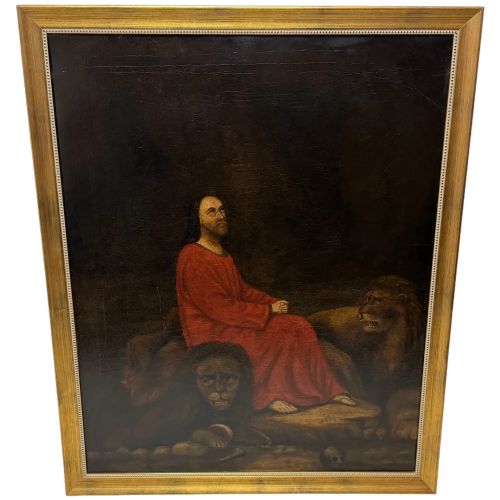
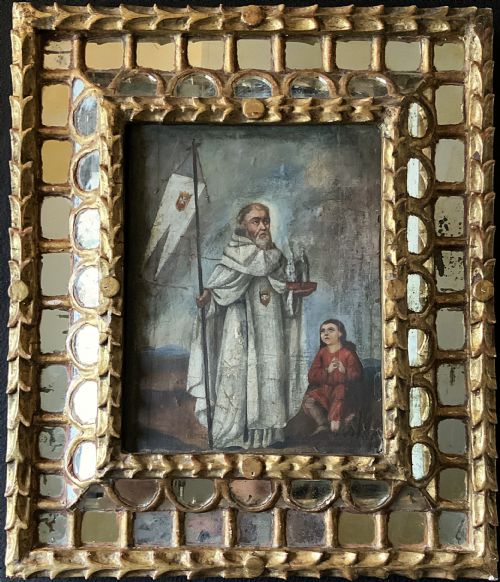


Gold Framed Religious Painting
These gold framed religious painting pieces unite devotional subjects with centuries-old craftsmanship, offering collectors a striking window into historical art.
Gold Framed Religious Painting
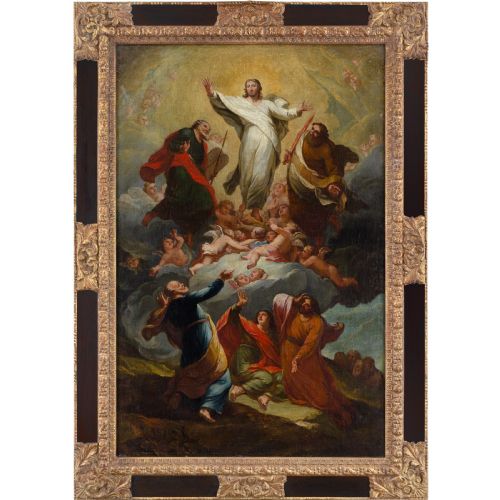
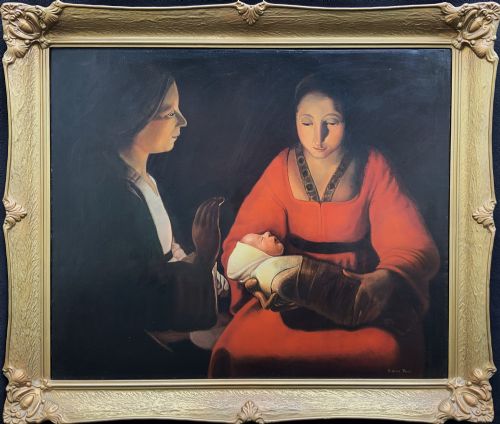
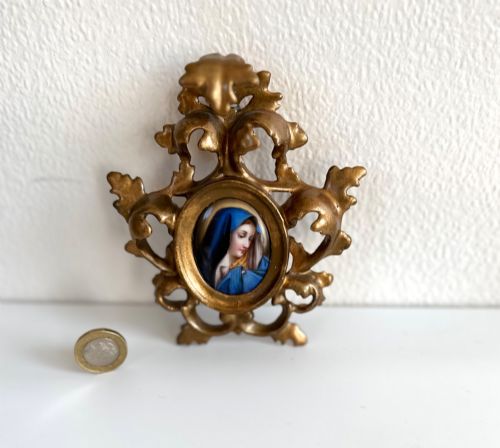
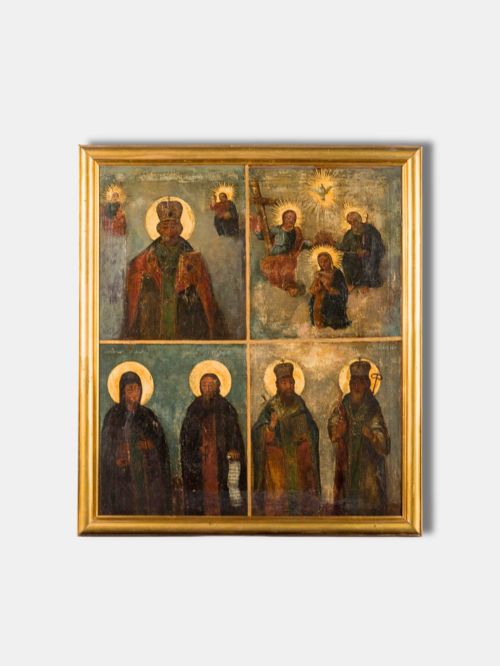
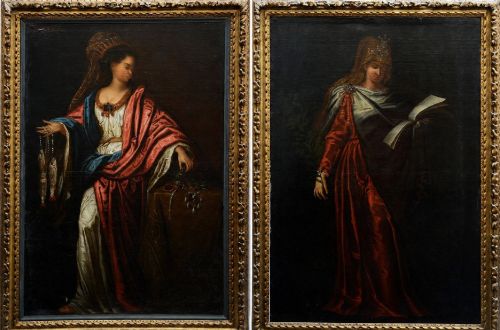
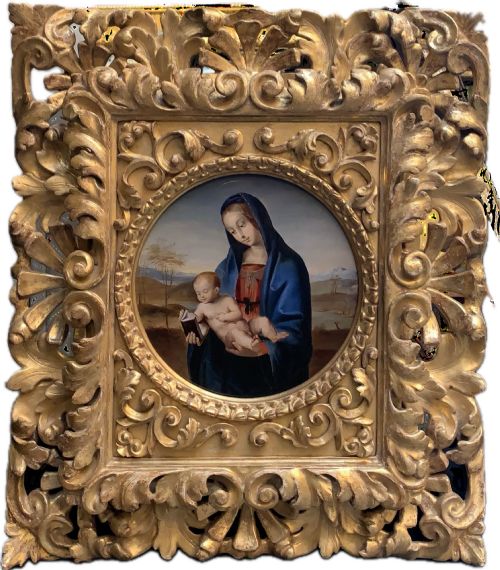
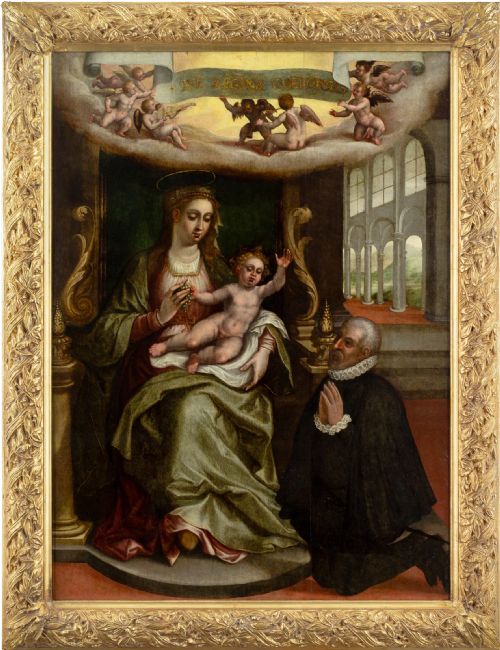
A gold framed religious painting encompasses devotional imagery created across the sixteenth to twentieth centuries, drawing heavily from Italian, Spanish, and French schools. These works range from large oil paintings on canvas depicting biblical narratives to intimate miniatures of the Madonna and Saints.
Buyers frequently encounter pieces styled after Renaissance and Baroque masters, alongside Russian Orthodox icons and Victorian interpretations. The framing typically consists of carved giltwood or surfaces finished with gold leaf, serving to elevate the sacred subject matter within.
The selections on this page bridge several eras, capturing both period originals by regional schools and later artistic tributes produced in the nineteenth and early twentieth centuries.
Materials and techniques
The physical construction of these artworks relies upon oil paint applied to canvas or wood panels, though tempera appears alongside gold leaf in specific iconographic traditions. Artisans built up wooden substructures before applying gesso and gilding the borders with real gold or metal leaf.
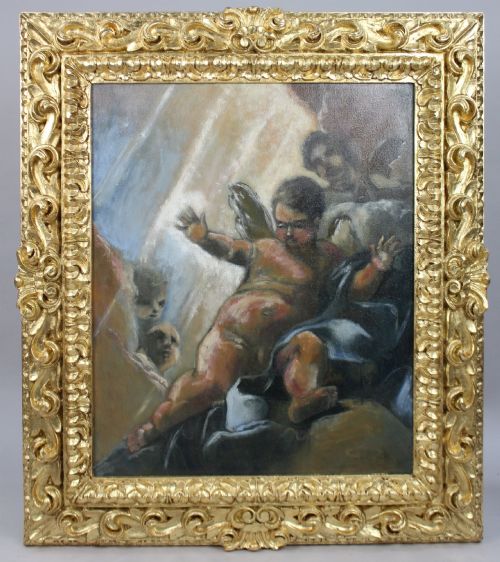
Frames were frequently carved by hand from timber, incorporating intricate mouldings and relief work before receiving their gilt finish. This combination of fine artist pigments and reflective metallic leaf creates the characteristic luminosity expected in traditional religious wall art.
Several canvases feature unexpected companions, including watchful lambs and attentive angels hovering near the main devotional subjects.
The spectrum of quality
Quality rests primarily in the execution of the brushwork and the depth of the composition, distinguishing master regional schools from standard decorative workshop output. The handling of drapery, facial expressions, and anatomical proportion reveals the artist's training and proximity to primary source material.
The condition of the frame and its material integrity also define value, as original hand-carved giltwood carries greater substance than later moulded resin or composition frames. Harmonious preservation between the canvas surface and its housing indicates superior historical care.
Miguel Barroso·Gian Lorenzo Bertolotto·Guido Reni·Juan Ruiz Soriano·Scipione Pulzone
The Gold Framed Religious Painting Glossary
- Giltwood
- Wood that has been treated with gesso and coated with gold leaf or metallic paint. This material is standard for traditional devotional framing.
- Tempera
- A permanent, fast-drying painting medium consisting of coloured pigments mixed with a water-binder such as egg yolk. It is frequently found on older icon panels.
- Icon
- A religious work of art, most commonly from Eastern traditions, depicting holy figures on wood panels. These items often incorporate gold leaf backgrounds.
- Baroque
- An artistic style originating around the seventeenth century characterised by dramatic lighting, deep emotion, and rich ornamentation. Works from this period emphasise intense spiritual narratives.
Gold Framed Religious Painting: Frequently Asked Questions
How do I identify a period frame?
Period frames display hand-carved joinery, layered gesso preparations, and natural wear to the underlying timber beneath the metallic leaf. Modern replacements often use uniform cast mouldings that lack this depth.
Closer inspection of the corner joints and the weight of the timber helps distinguish nineteenth-century or earlier surrounds from twentieth-century reproductions.
What distinguishes an icon from a standard painting?
Icons follow strict theological rules regarding subject matter, often incorporating gold leaf backgrounds and tempera on prepared wooden boards. They serve a primarily devotional function within Eastern traditions rather than acting purely as decorative art.
Standard oil paintings on canvas allow for greater artistic freedom and naturalistic perspective compared to the stylised representation found in traditional icons.
Are these works original or copies?
The collection contains both period originals by regional schools and historical copies created after Renaissance masters. Many artists historically painted copies of famous works for study or private devotion.
Documentation or stylistic analysis usually clarifies whether a piece is an original regional work or a later tribute after an established master like Raphael or Correggio.
How should I care for an antique gilt frame?
Gilt frames require stable environmental conditions away from direct sunlight and excess humidity to prevent the gesso and gold leaf from flaking. Dusting should be done gently with a soft, dry brush without applying moisture or cleaning agents.
Avoiding abrasive materials ensures the delicate metallic surface and any underlying carved details remain intact for future generations.