

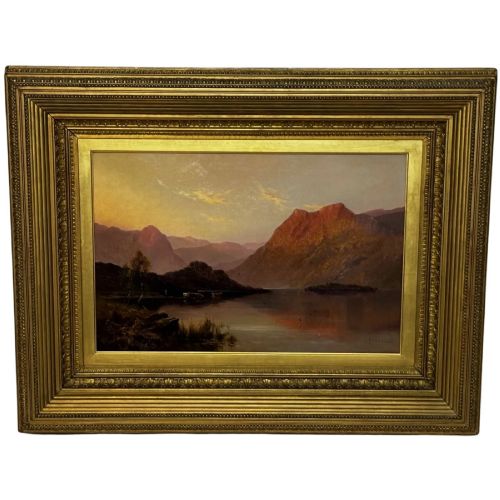
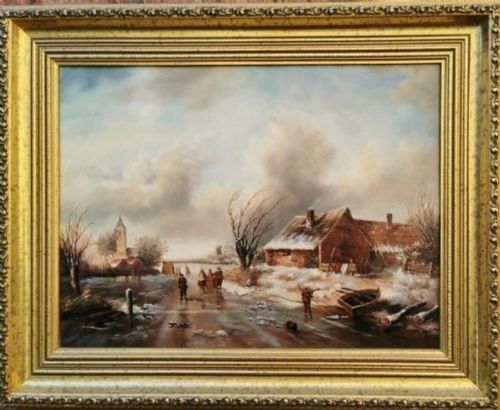
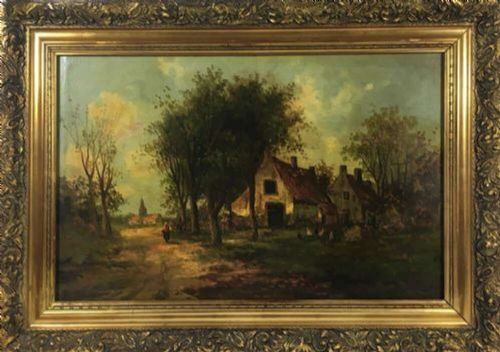
Gold Framed Oil Landscape
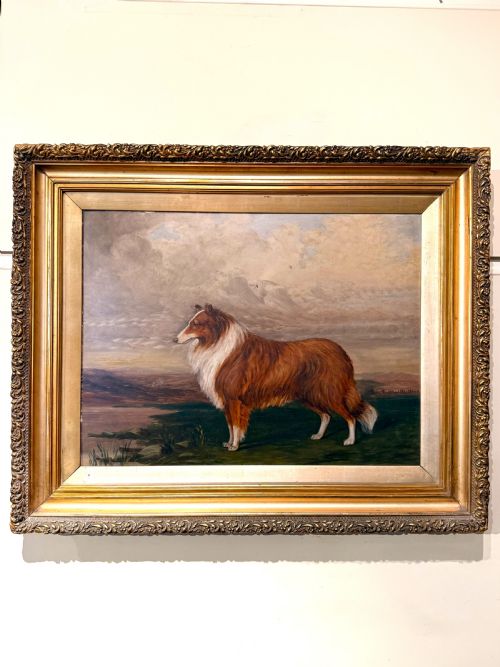
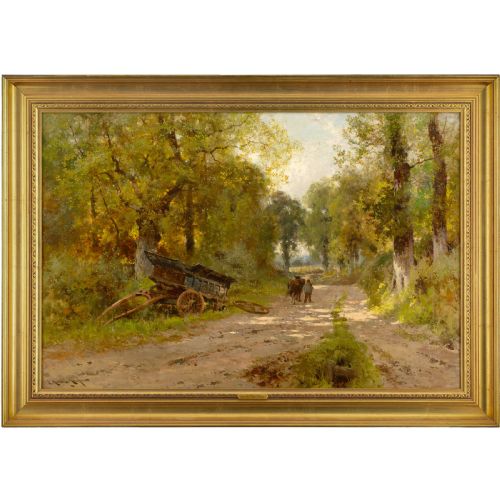
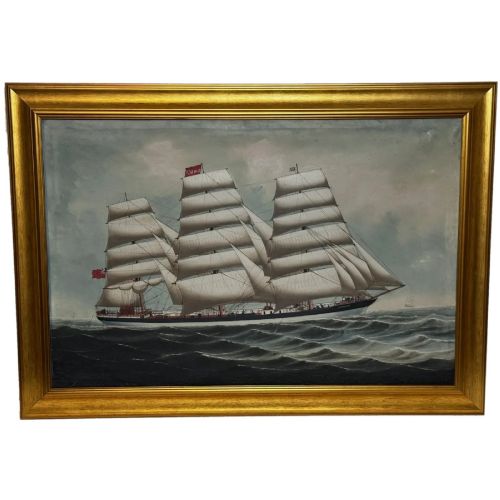
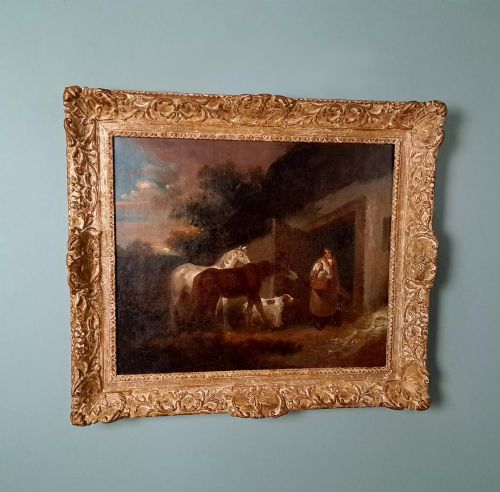
When you search for gold framed oil landscape, you encounter window-like scenes of pasture, sea, and woodland held within ornate wooden borders.
Gold Framed Oil Landscape
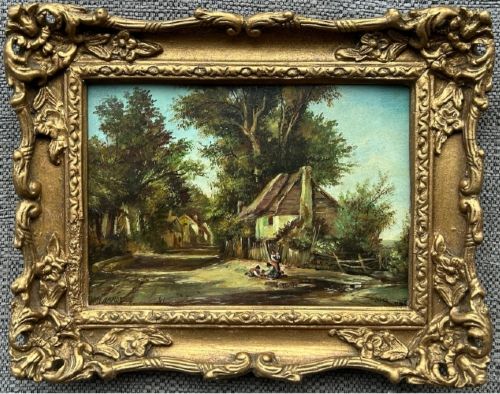
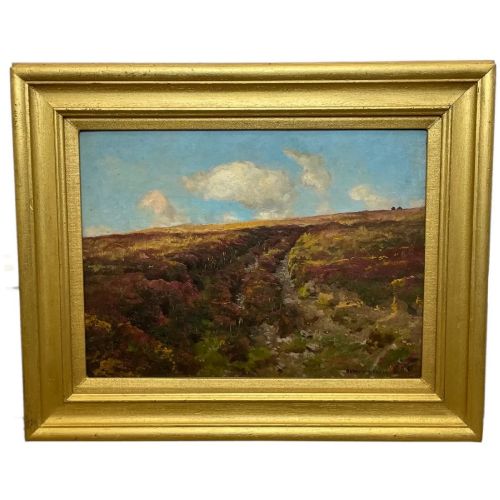
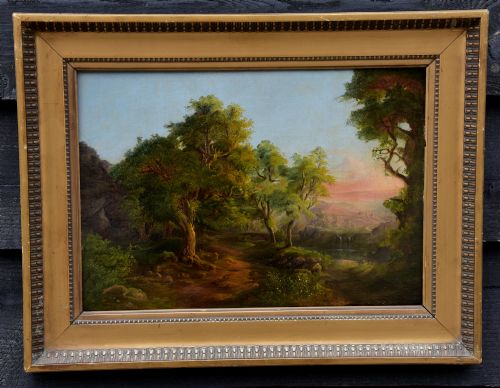
A gold framed oil landscape brings historical countryside, marine, and pastoral views into domestic interiors through oil paint applied to canvas, board, or panel. These works capture specific topographical locations, coastal inlets, and rustic farmyards across changing daylight and seasonal moods.
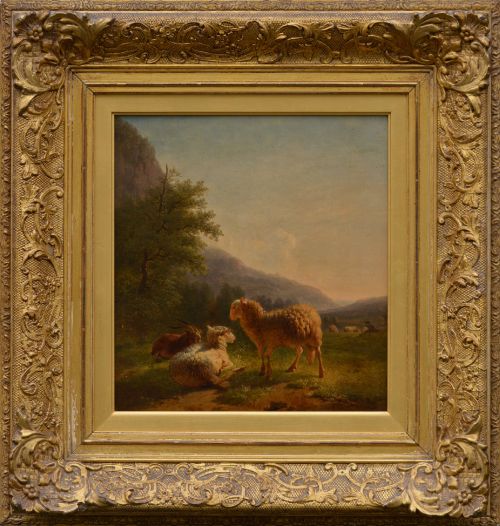
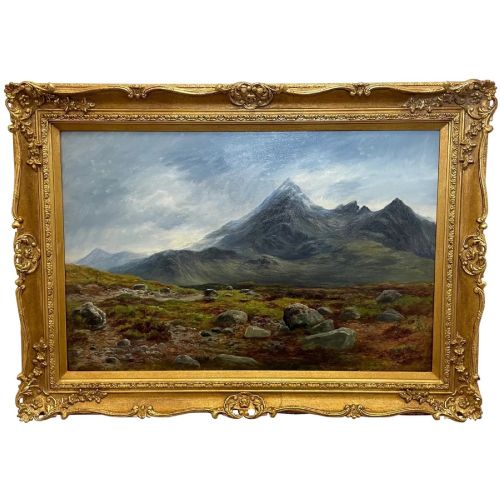
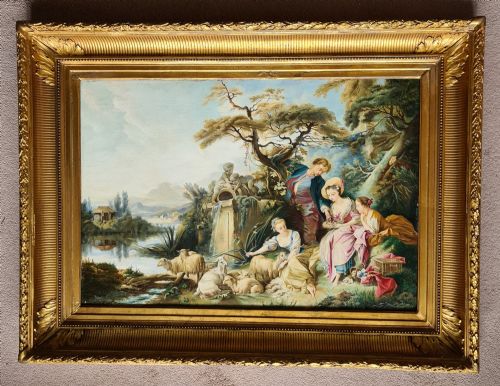
The most prevalent examples on this page date from the nineteenth century, including Victorian landscape, pastoral, and marine scenes. Painters employ brushwork to depict wooded paths, livestock, and mountainous horizons framed in period giltwood.
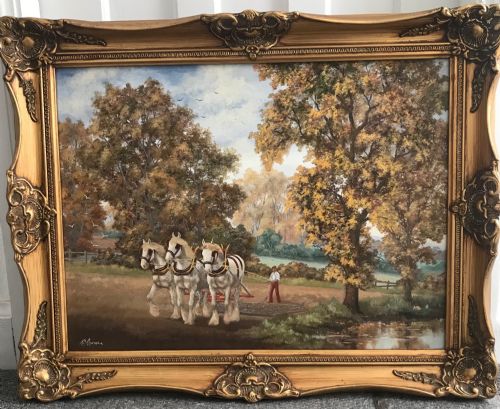
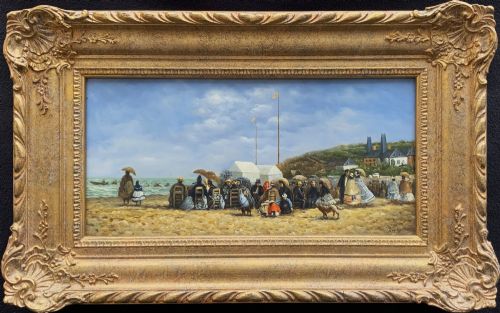
Beyond pure topography, many pieces incorporate human figures, agricultural labourers, or maritime vessels to anchor the natural scale. The supporting surrounds range from simple moulded wood to elaborate gesso configurations.
Materials and Construction
The core pictorial surface consists of oil paint on canvas, wood, panel, or board, allowing artists to build layered textures and luminous colour transitions. Canvas provides flexibility and weave texture, whilst wooden panels offer a rigid ground for detailed brushwork.
Surrounding enclosures utilise timber such as wood, giltwood, and gilded wood, often built up with moulded gesso to create decorative relief patterns. Guilders apply thin metal leaf or metallic finishes over the gesso preparation to achieve the characteristic reflective gold appearance.
Gold Framed Oil Landscape Retail Price Guide 2026
Typical asking prices for gold framed oil landscape among the pieces listed under this phrase on Sellingantiques today, from the lower quarter to the upper quarter. They describe what is for sale here now, not the wider market.
Prized shorthorn bulls and grazing sheep share the landscape with aristocratic vessels on stormy seas.
Distinctions in Execution
Quality rests upon the artist's handling of light, atmospheric perspective, and anatomical proportion within the painted subject. Finer works display confident, deliberate brushstrokes that articulate foliage, water, and livestock convincingly rather than relying on formulaic repetition.
The craftsmanship of the surrounding housing also dictates overall standard, distinguished by the depth of carved detail, the preservation of original gilding, and the harmony between the frame profile and the painting's period.
Eugène Verboeckhoven·William Beattie-Brown·William Howard Hardy·Arthur Wardle·John Horace Hooper·Reginald Arthur Borstel·William Joseph Shayer Senior·Alfred Fontville de Breanski Jr·Kershaw Schofield·George Houston·Robert Morson Hughes·Thomas W Lascelles·James Kay·Augusto Alberici·Gabriel Mathieu·David Bates·Benjamin Barker of Bath·Thomas Smythe·Robert John Hammond·Alfred Pollentine·Walter Heath Williams·Bonaventura Peeters
The Gold Framed Oil Landscape Glossary
- Gesso
- A plaster mixture applied to wood frames as a base for moulding and gilding. It provides a smooth, absorbent surface that accepts metallic leaf.
- Giltwood
- Timber that has been coated with gold leaf or metallic powder. This material forms the primary reflective border for traditional paintings.
- Oil on Canvas
- A technique utilising pigments suspended in drying oils spread across stretched woven fabric. This combination remains the standard support for historical fine art.
- Panel
- A flat piece of wood used as a rigid painting surface instead of canvas. Artists often favoured panels for smaller, highly detailed compositions.
- Pastoral
- A genre of art depicting rural life, shepherds, and idealized country settings. These scenes emphasise tranquility and harmony between humans and nature.
Gold Framed Oil Landscape: Frequently Asked Questions
What periods do these paintings represent?
The listings span multiple eras, with a strong concentration of nineteenth-century Victorian works alongside earlier examples and mid-twentieth-century interpretations. Creators embraced various regional movements, from British landscape traditions to continental European styles.
Buyers encounter works reflecting Romanticism, Impressionism, and traditional country subjects. Each era brings distinct approaches to colour palette, brush technique, and subject composition.
How were the frames constructed?
Makers built the surrounds using timber foundations coated in gesso before applying gold leaf or metallic finishes. This traditional method created durable borders designed to complement the tonal values of the oil paintings within.
Carpenters and gilders shaped the mouldings to match the aesthetic preferences of the period, ranging from plain wooden profiles to heavily ornamented designs.
Where should I hang an oil landscape?
These works suit traditional living spaces, studies, and hallways where natural light can illuminate the oil paint and reflective gold framing. Placing them away from direct heat sources helps preserve the stability of the canvas or wooden panel.
Pairing a landscape with period furniture enhances the historical character of the room. The natural themes of woodland, sea, and pasture offer versatile styling options for domestic interiors.
How do I identify a panel painting?
Panel paintings utilise a solid wooden support rather than flexible canvas stretched across a wooden stretcher. Close inspection of the edges or reverse often reveals the flat timber grain characteristic of boards and panels.
Artists frequently chose panels for stability and smooth surfaces, particularly in smaller nineteenth-century works. This medium protects the paint layer from the sagging associated with aged canvas.