
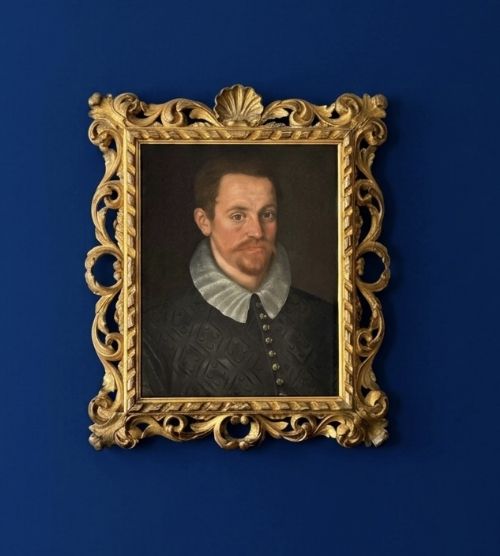
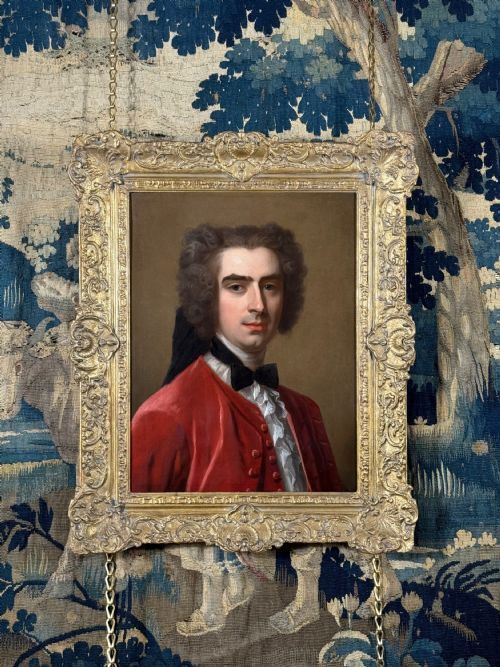
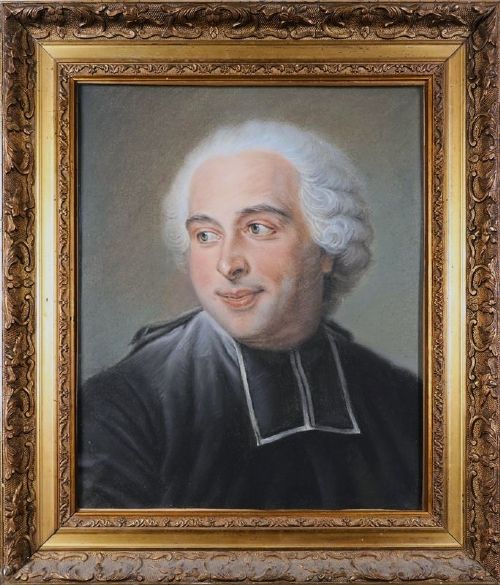
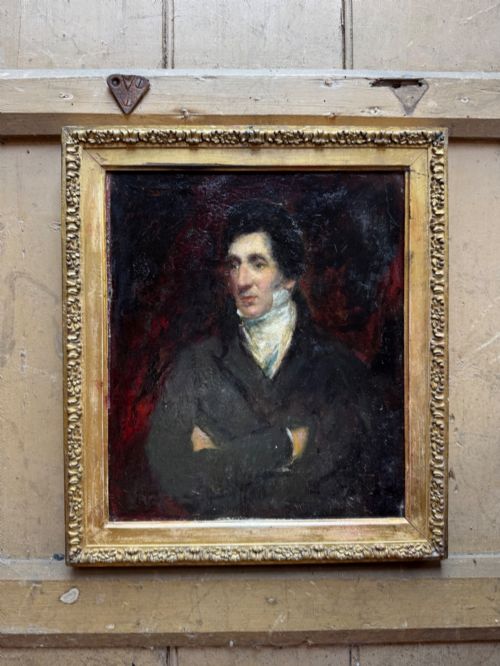
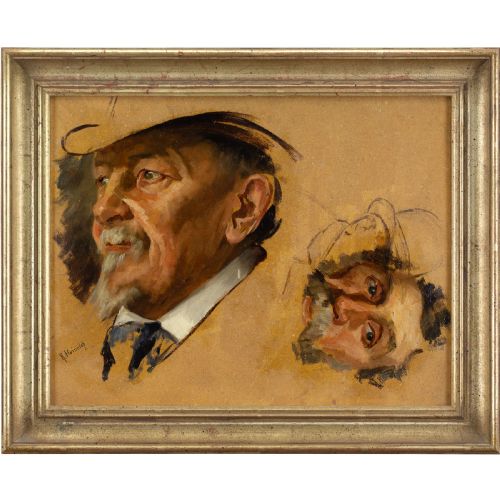
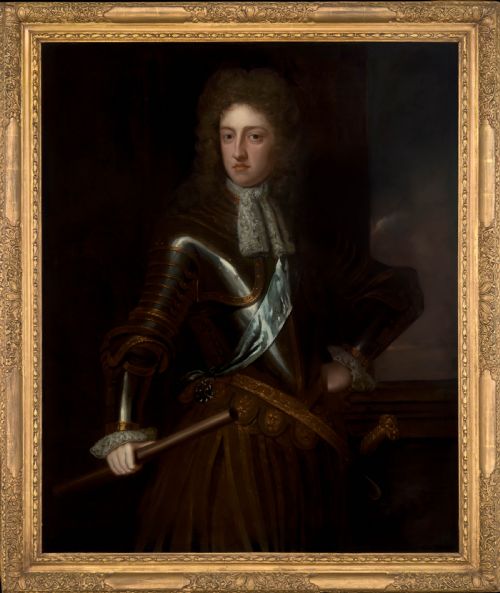
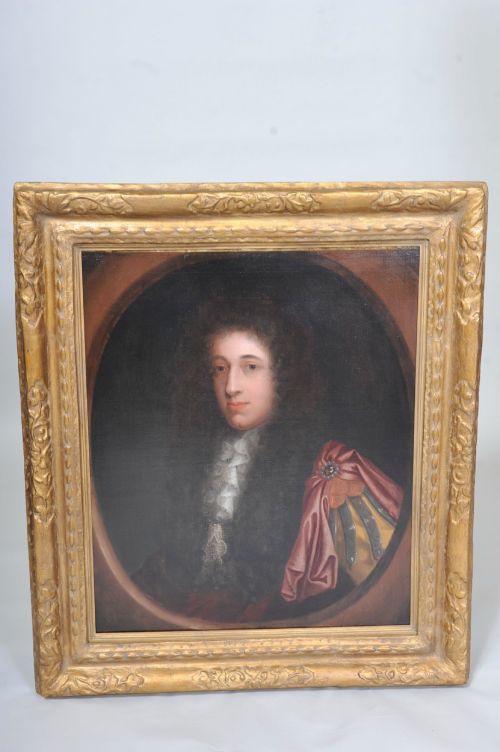
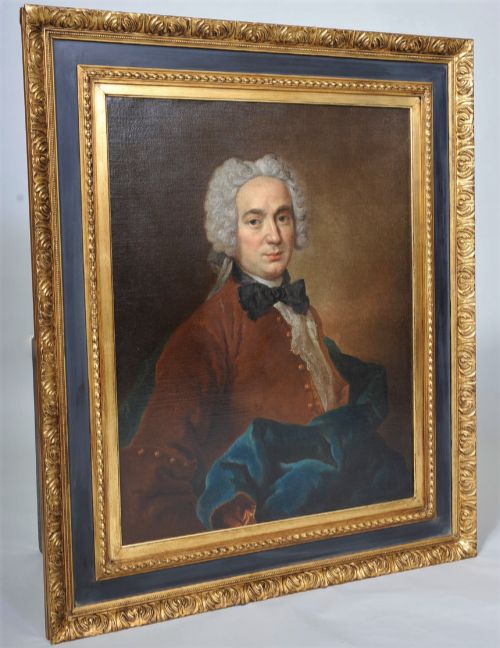
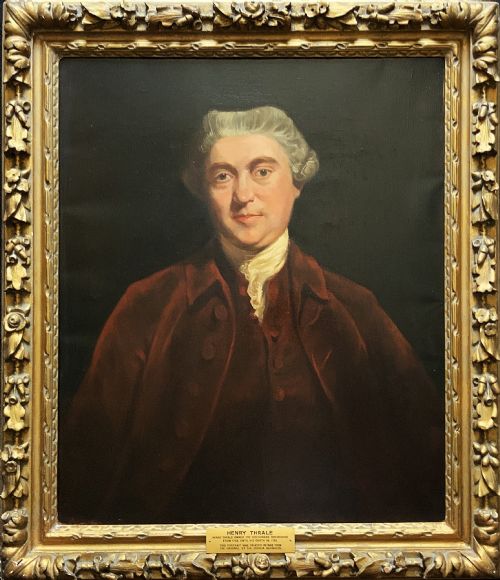
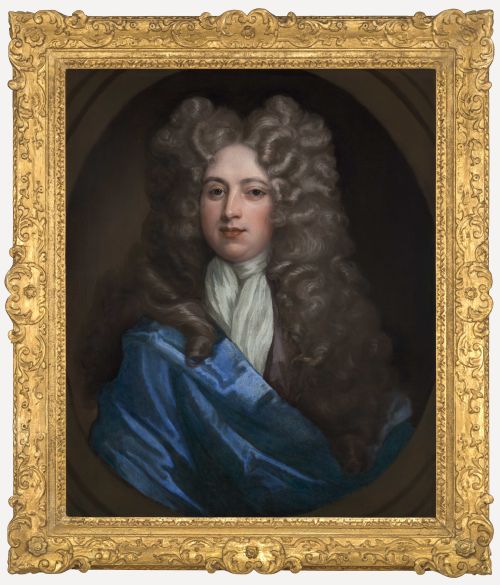
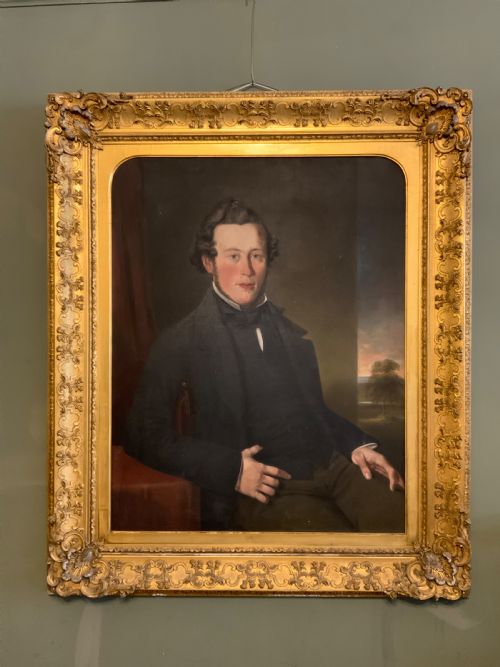
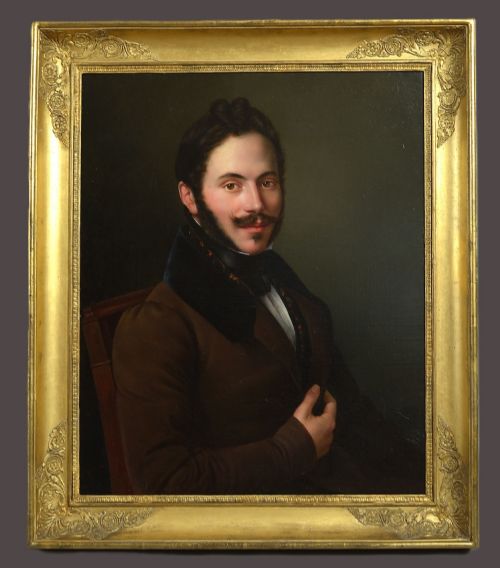
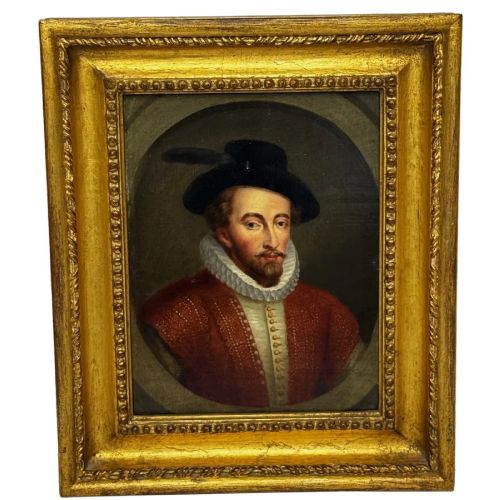
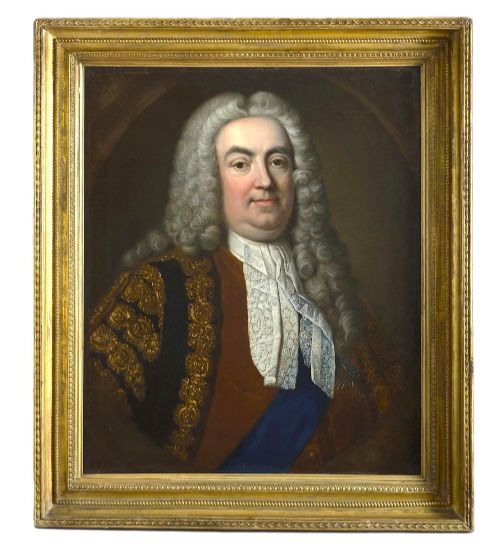
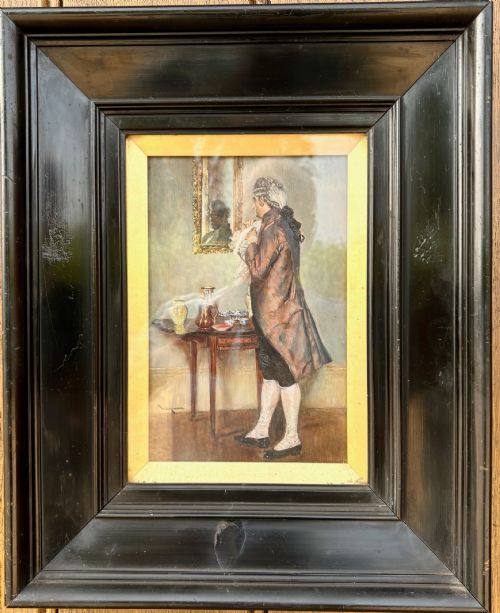
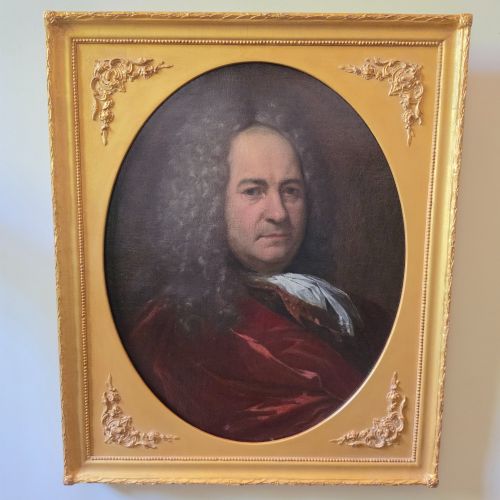
Gold Framed Male Portrait
When you search for a gold framed male portrait, you uncover centuries of character studies rendered in oil and held within gilded wooden surrounds.
Gold Framed Male Portrait
A gold framed male portrait presents historical likenesses of gentlemen, officers, noblemen, and scholars captured on canvas or board. These works span from the seventeenth century through the Victorian era and into the mid-twentieth century, offering direct visual contact with past eras.
The most common examples on this page are oil paintings on canvas enclosed in period giltwood frames. Subjects range from named historical figures and military commanders to unrecorded sitters whose identities remain lost to time.
Stylistically, these pieces move from Jacobean and Baroque formalities through Georgian and Regency realism to later Victorian and mid-century interpretations. Each piece combines the portraitist's brushwork with the distinct craftsmanship of its enclosing frame.
Materials and construction
The foundational support for these works is typically woven canvas stretched over a wooden frame, though occasional examples employ oil on board. Artists applied oil paint in layered glazes and opaque strokes to build depth in fabrics, flesh tones, and background shadows.
The defining physical attribute is the giltwood frame, constructed from carved wood decorated with gold leaf or metallic gilt finishes. These frames were designed to complement the status of the sitter and the prevailing decorative tastes of the period.
The listings span from the 17th century through the 1960s, featuring oil on canvas, oil paint, canvas, wood, and gilded wood.
Assessing quality and execution
Quality rests primarily in the anatomical precision of the subject's face, hands, and posture, alongside the confidence of the brushwork. Master painters captured light and texture with fluid economy, whereas lesser studio productions relied on rigid symmetry and repetitive formulas.
The integrity and originality of the gold frame contribute substantially to the piece's overall coherence. Frames carved by hand with deep relief and original gilded surfaces elevate the complete work far above later replacement mouldings.
Jean-Baptiste Van Loo·Sir Godfrey Kneller·Thomas Murray·Edouard Pingret·Thomas Hudson·Michael Dahl·Harold Knight·Bertram Priestman
The Gold Framed Male Portrait Glossary
- Oil on Canvas
- Pigments suspended in a drying oil medium applied to a woven fabric support. This combination allowed artists to blend tones smoothly and achieve rich luminosity.
- Giltwood
- Timber, often gessoed and carved, coated with gold leaf or metallic powder. It provides a reflective border that isolates the painted scene from its surroundings.
- Doublet
- A close-fitting men's jacket worn during the sixteenth and seventeenth centuries. Its presence helps date early portraits accurately.
- Periwig
- A voluminous man's wig fashionable from the late seventeenth into the eighteenth century. Sitters wore them to signal social prominence and fashion awareness.
- Impasto
- Paint applied thickly to a canvas so that it stands out in relief. This technique captures light dynamically across ruffs, lace, and braided uniforms.
Gold Framed Male Portrait: Frequently Asked Questions
How should I hang a gold framed male portrait?
Position the piece at eye level on a solid wall where it receives indirect natural light to prevent glare on the oil surface. Ensure the hanging hardware is securely anchored to support the weight of the timber frame.
Keep portraits away from direct heat sources and strong sunlight to protect both the canvas paint layers and the underlying wooden stretcher from warping over time.
How can I tell a seventeenth-century portrait from a nineteenth-century one?
Examine the costume and hairstyle of the sitter, as ruffled collars and periwigs strongly indicate seventeenth or early eighteenth-century origins. In contrast, nineteenth-century portraits often feature simpler neckties and darker, more sober civilian tailoring.
Inspect the canvas edge and stretcher construction behind the frame, as older canvases show hand- hammered tacks and oxidized linen fibres characteristic of earlier centuries.
Did these paintings always stay with their original frames?
Not all portraits retain their first frames, as many were remounted in fashionable styles by later owners during the Victorian era or the twentieth century. A matched period frame significantly enhances the historical completeness of the artwork.
Look for corner mitres, shrinkage cracks in the gesso, and consistent wear patterns between the painting and the frame to assess their historical relationship.