




Gold Framed Livestock Art
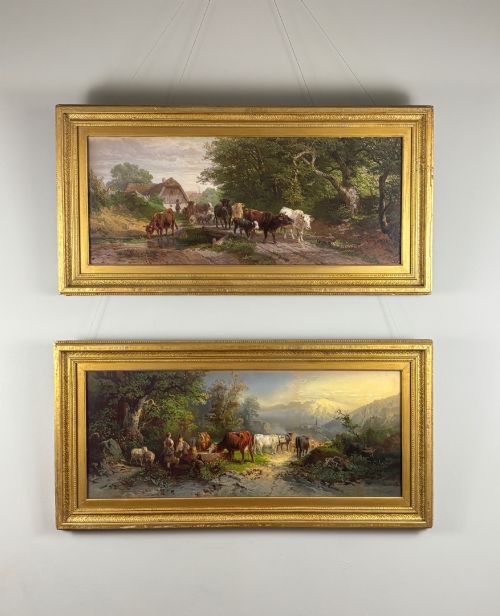
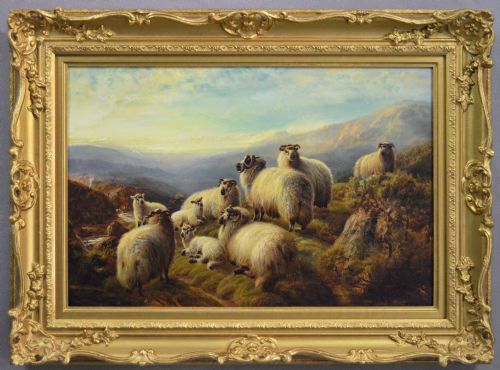
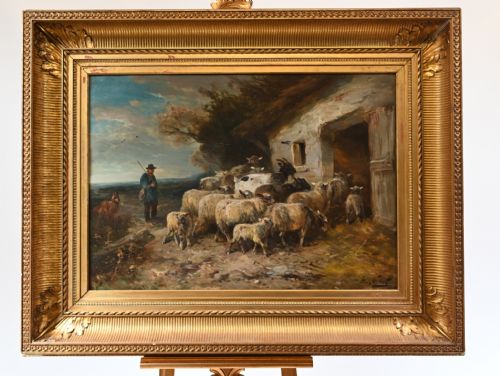
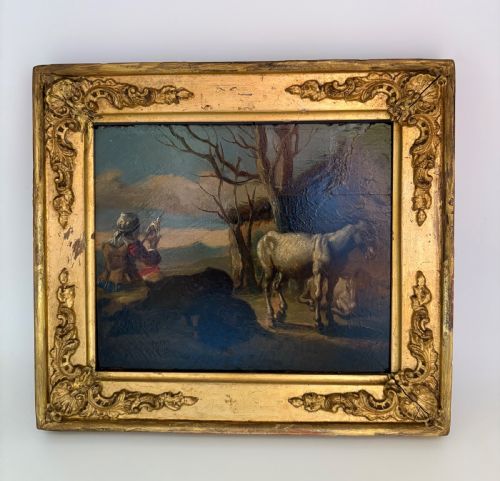
Gold framed livestock art captures rural life through pastoral scenes of cattle, sheep, and farm animals preserved in period surrounds.
Gold Framed Livestock Art
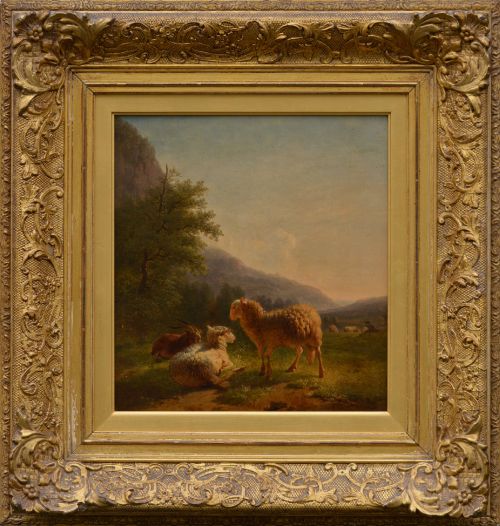
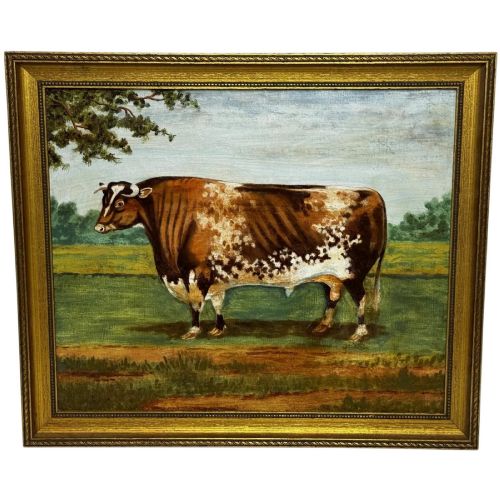
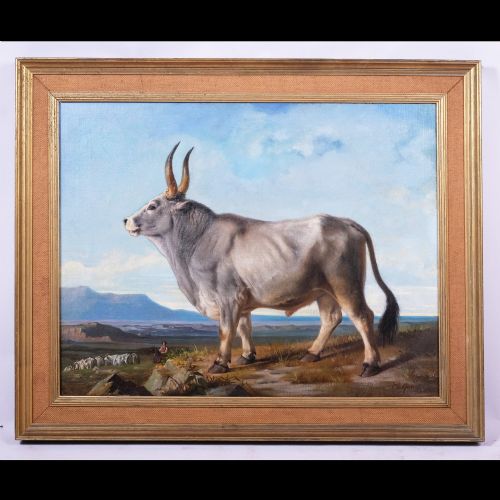
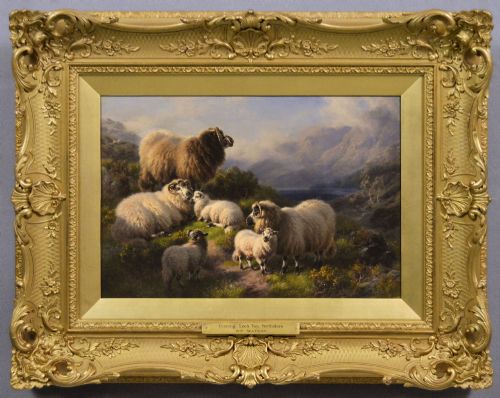
Gold framed livestock art encompasses oil paintings and watercolours depicting farm animals, cattle, sheep, and rural landscapes produced during the nineteenth century and the early twentieth century. These works capture pastoral scenes, prize bulls, and flocks in British, Scottish, and continental European settings.
Buyers will most frequently encounter nineteenth-century oil on canvas works featuring Highland cattle or sheep alongside shepherds, housed within period giltwood or gesso frames. The imagery ranges from detailed Victorian pastoral realism to broader impressionist farming scenes.
Materials and construction
The primary support for these works is oil paint applied to canvas, occasionally utilising wood or oak panels for earlier or smaller pieces. Watercolours on paper appear alongside these oils, representing the traditional mediums of the period.
Frames are constructed from wood and gesso, finished with gold leaf or gilt layers to create the distinctive metallic surrounds that define the category.
Several sheep retain more dignity than the humans standing beside them.
Factors of quality
Quality rests upon the anatomical precision of the livestock and the dexterity with which the artist handles natural light across fleece, hide, and landscape. Weaker examples display rigid forms and formulaic backgrounds, whereas superior pieces exhibit individual character in the animals and atmospheric depth in the surrounding countryside.
The preservation and authenticity of the original gilt frame heavily influence the integrity of the piece, as period frames matching the exact age and scale of the canvas elevate the work.
Eugène Verboeckhoven·Thomas Sidney Cooper·William Watson Jnr·Henry Schouten·Franz van Severdonck·Charles Jones·Edgar Hunt·William Sidney Cooper
The Gold Framed Livestock Art Glossary
- Giltwood
- Wood that has been coated with a thin layer of gold leaf or gilt. This finish provides the characteristic metallic sheen seen on period picture frames.
- Gesso
- A plaster-like mixture applied to wooden frame bases to create a smooth surface for moulding and gilding. It allows intricate decorative relief work around the edge of the canvas.
- Pastoral realism
- An artistic style focusing on authentic, detailed representations of rural life and farm animals. It prioritises accurate depictions of livestock and agrarian landscapes.
- Oil on canvas
- Pigments bound in a drying oil medium applied to a stretched woven fabric support. This technique allowed artists to achieve rich textures and deep colour blending.
Gold Framed Livestock Art: Frequently Asked Questions
How do I date these paintings?
Dating relies on stylistic clues, canvas stamps, and artist signatures recorded within the nineteenth-century and early twentieth-century periods. Framing techniques and stretcher construction also offer reliable indicators of age.
Many works include specific dates in their titles or carry biographical details of the artists active between the 1860s and 1920s.
Were these frames original to the art?
Many pieces retain their original giltwood or gesso frames applied at the time of creation, though some older works have been reframed over the decades.
Examining the fit between the canvas and the rebate of the frame helps determine whether the pairing is contemporary to the painting.
Where should I hang these?
These pastoral works suit dining rooms, studies, or hallways where traditional lighting enhances the reflective qualities of the gilt frame.
Direct sunlight should be avoided to protect the oil paint and canvas from thermal expansion and fading over time.
What subjects are most common?
Highland cattle, sheep flocks with shepherds, and shorthorn bulls dominate the compositions across British and European schools.
Scenes frequently incorporate rural landscapes, riverbanks, and winter settings reflecting agricultural life in the nineteenth century.