


Gold Framed Illustration
A gold framed illustration brings together centuries of delicate paper craft and lustrous timber moulding, offering historical depth to a plain wall.
Gold Framed Illustration
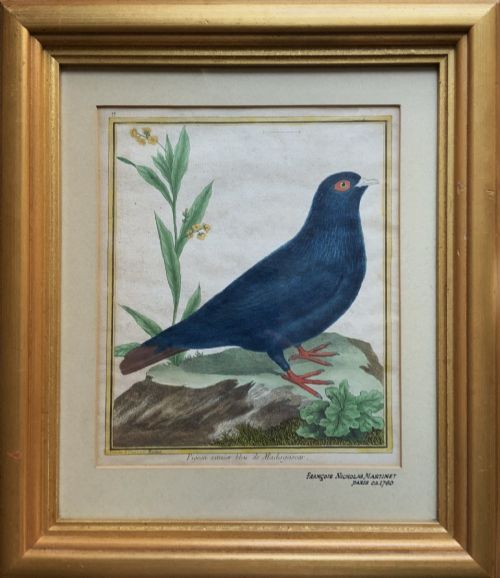
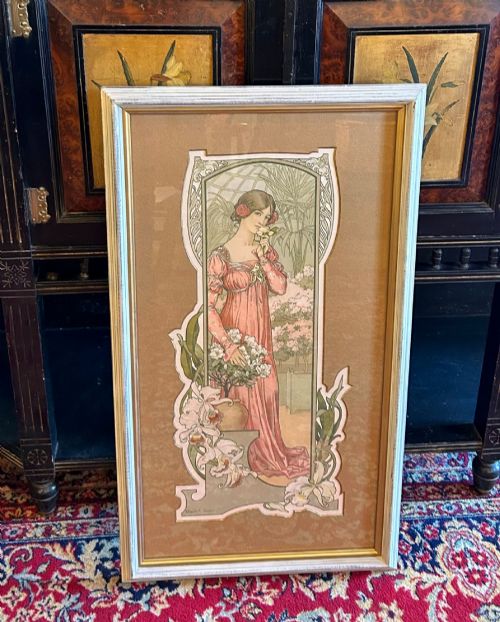
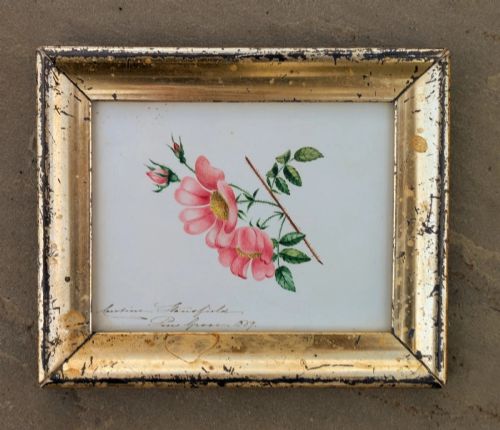
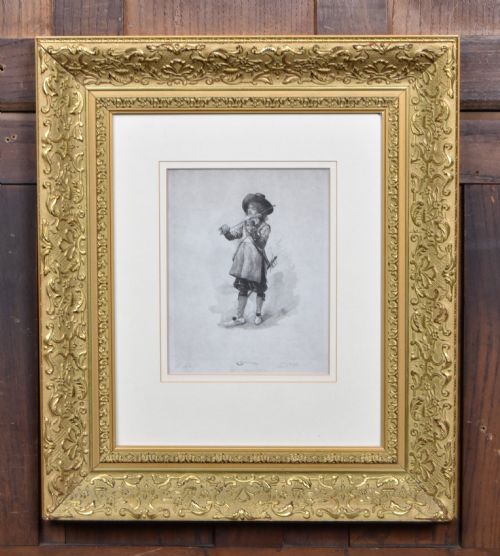
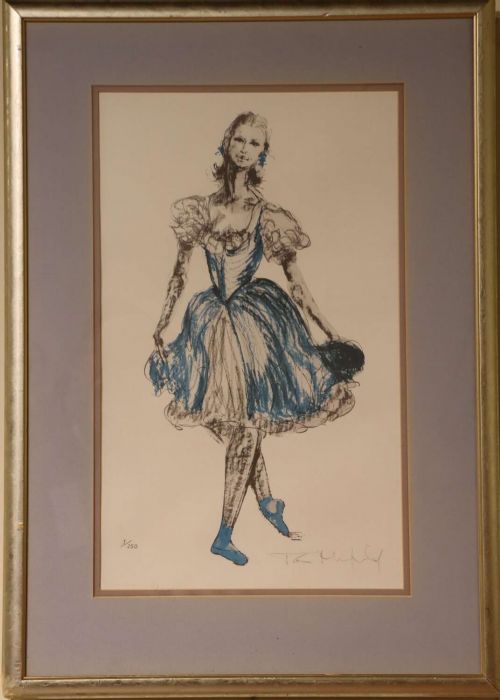
When you search for a gold framed illustration, you are looking at works on paper housed within gilded timber or gesso borders. These pieces encompass hand-coloured natural history engravings, lithographs, original watercolours, and gouache paintings spanning several centuries.
The selections on this page lean heavily toward 19th-century botanical and ornithological studies, alongside early 20th-century lithographs and Victorian maritime or military subjects. Buyers frequently encounter framed prints and paintings that combine detailed illustrative work with period wooden frames enhanced by gold leaf or gilt finishes.
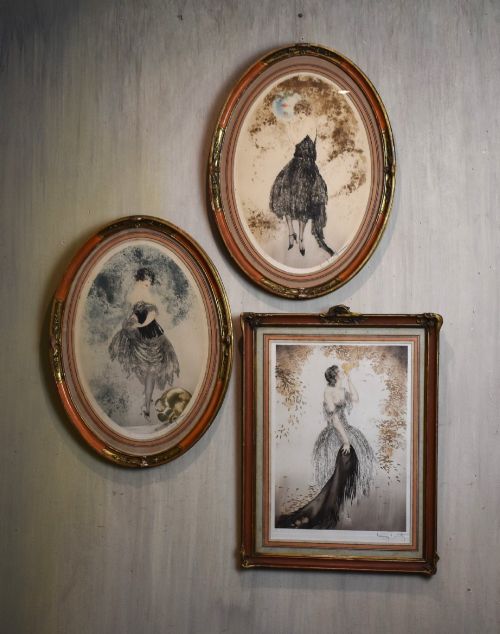
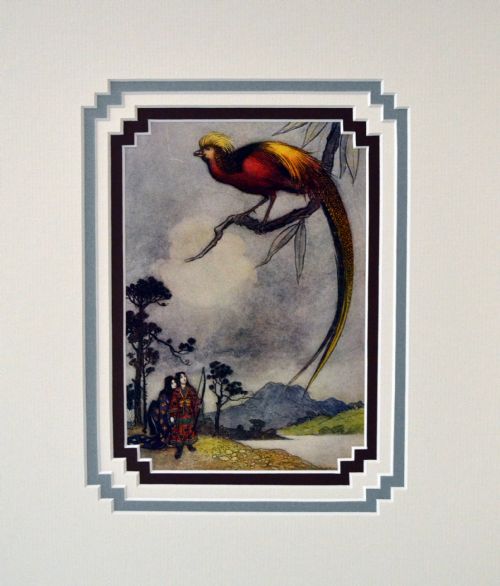
Origins vary widely across these listings, from English and German schools to Japanese fairy tale prints and French Art Deco lithography. The underlying paper supports range from early handmade sheets to later commercial printing papers, each secured behind protective glass.
Materials and Technique
The physical objects rely on a combination of fine paper supports, liquid media such as watercolour, gouache, or ink, and mechanical printing methods like lithography and engraving. Many early examples feature hand-applied pigment over printed lines, requiring precise brushwork by skilled colourists.
Frames are constructed from wood, utilising traditional joinery before receiving layers of gesso and gold leaf or gilt surface treatments. Glazing protects the delicate paper artefacts beneath from environmental moisture and atmospheric particles.
Materials documented across these listings include paper, glass, wood, gold leaf, watercolour, gilt wood, and gouache.
Distinctions in Quality
The standard of an illustration rests on the precision of the draughtsmanship and the vibrancy of the surviving pigments. Masterful hand-colouring and crisp impression lines elevate certain engravings and lithographs far above standard mass-produced prints of the period.
Frame construction also dictates value, where hand-gilded wooden mouldings with deep relief profiles outclass simpler, later gilt finishes. The harmonious pairing of the original artwork with a sympathetic period frame marks the upper tier of these pieces.
François-Nicolas Martinet·Elisabeth Sonrel·Louis Icart·Warwick Goble·Oliver Goldsmith·John Flaxman·Buffon·Raoul Millais·William Andrews Nesfield·Harry Bright·Frank Wood·George Edwards·Albert Guillaume·Snaffles·William Swainson·Edward Lear
The Gold Framed Illustration Glossary
- Lithography
- A planographic printing process using a flat stone or metal plate on which image areas are receptive to ink and non-image areas repel it. This technique allowed artists to produce subtle tonal gradations and vibrant coloured prints.
- Engraving
- A printmaking technique where an artist incises a design onto a hard plate, typically metal, using a sharp cutting tool called a burin. The resulting lines hold the ink that transfers to paper under pressure.
- Gouache
- An opaque water-based paint consisting of pigment, water, and a binding agent such as gum arabic, often made heavier with chalk. It produces a dense, matte surface that contrasts with translucent watercolour.
- Giltwood
- Timber that has been coated with a thin layer of gold leaf or powdered gold finish. It provides the characteristic bright, reflective border seen on traditional picture frames.
Gold Framed Illustration: Frequently Asked Questions
How do I hang a gold framed illustration safely?
These pieces require secure picture hooks fixed directly into wall studs or appropriate wall anchors, avoiding reliance on simple plaster nails. Due to the weight of traditional wood and gesso frames, sturdy wire or dual D-rings distributed evenly across the back ensure stability.
Keep the artwork away from direct sunlight and damp environments to protect both the delicate paper illustrations and the gilded wooden frames from fading or warping.
Are these illustrations original works or reproductions?
The listings comprise a mix of unique hand-painted watercolours, gouaches, and oils alongside period prints, engravings, and lithographs from various historical centuries. Each medium utilises distinct printing or painting techniques appropriate to its era.
Examining the surface under magnification reveals whether lines are printed mechanically, hand-engraved, or laid down with a brush. Descriptions specify the exact medium used for every individual piece.
How should I clean the glass and frame?
Dust the gilded wooden frame gently with a dry, soft-bristled brush to prevent accumulation in the carved details. Avoid applying liquid cleaning products directly to the gold leaf surface, as moisture can damage historical finishes.
Glass fronts can be wiped using a mild glass cleaner applied to a cloth first rather than sprayed directly onto the artwork, ensuring no liquid seeps past the rabbet into the paper.
What periods do these framed illustrations cover?
The pieces span from the 18th century through the Victorian era, Edwardian period, and into the mid-20th century. Historical milestones represented include Georgian natural history studies, 19th-century maritime scenes, and Art Deco lithographs.
Each period brings distinct framing styles and paper characteristics that help define its historical context and aesthetic appeal.