
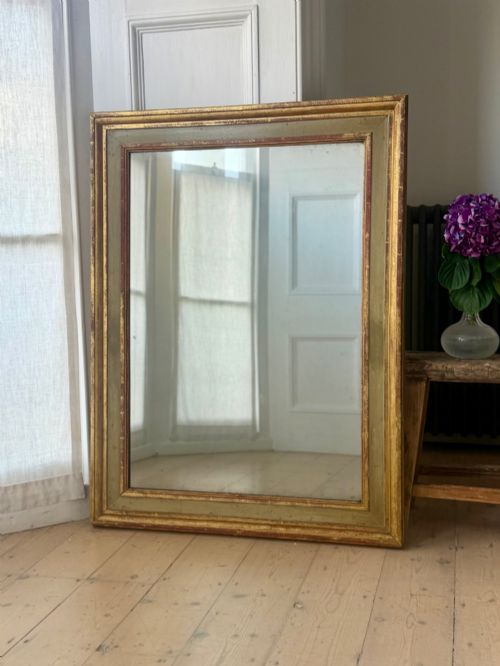
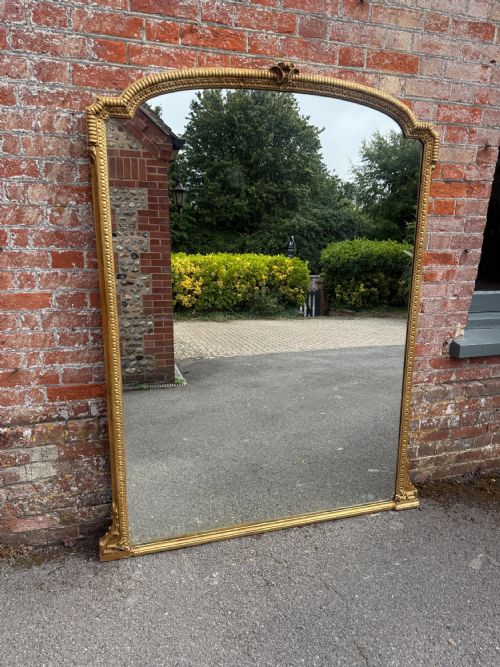
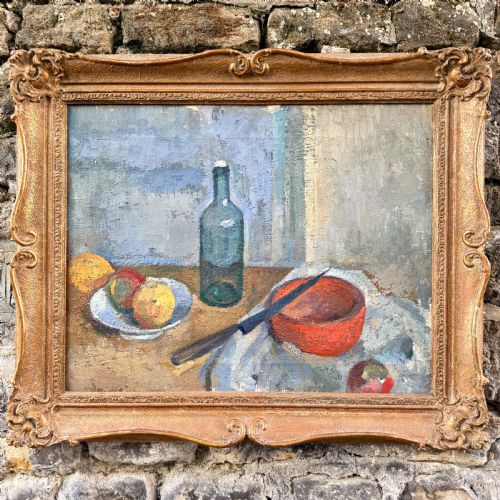
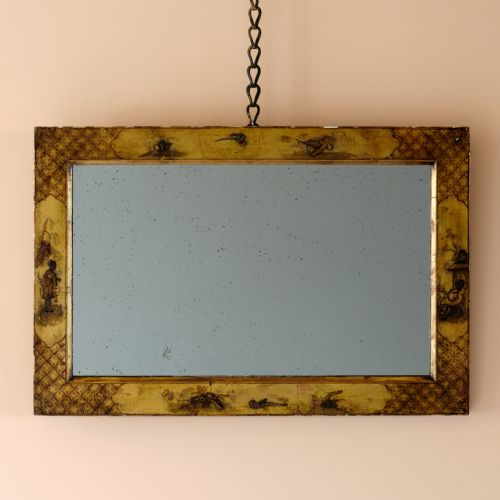
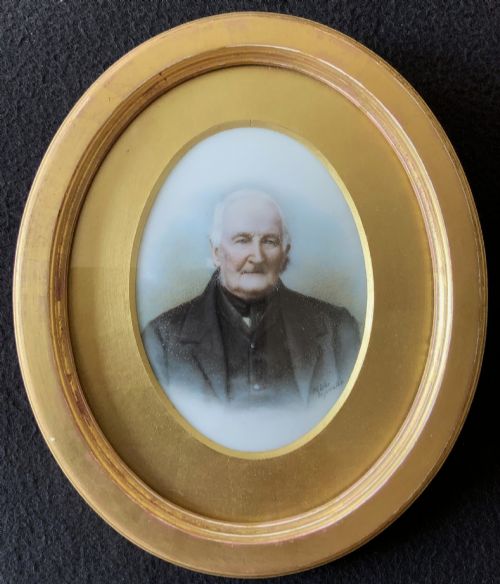
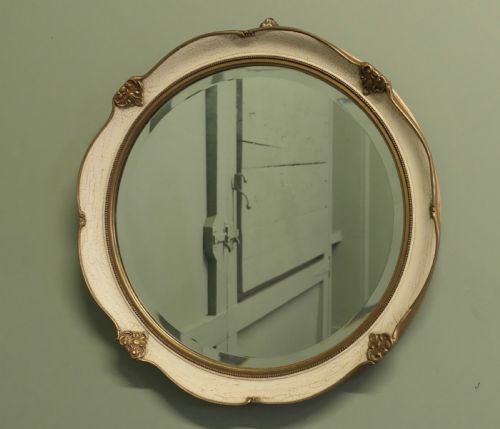
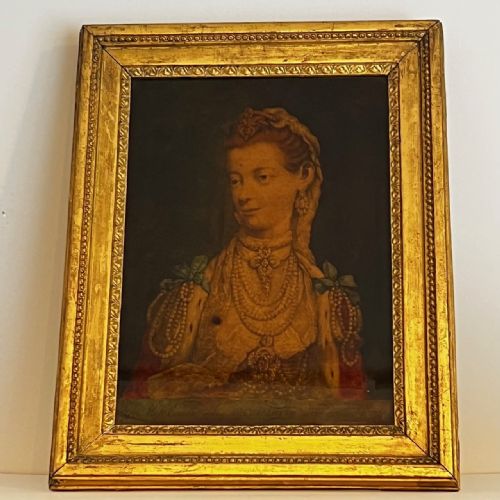


Gold Framed Glass Painting
A gold framed glass painting brings luminous depth to a room, catching the light behind hand-painted panels or delicate reverse prints.
Gold Framed Glass Painting
When searching for a gold framed glass painting, collectors encounter a diverse range of items including reverse glass prints, miniature portraits, and ornate decorative mirrors with painted glass panels.
The pieces spanning Georgian, Regency, and Victorian periods show considerable variety, from delicate Chinese reverse painted mirrors to English and French trumeau and pier mirrors.
Most examples rely on wooden frames finished with gesso and gold leaf to house the fragile glass surface within traditional wall art and mirror formats.
Materials and construction
Craftsmen built structural frames from wood, applying layers of gesso before finishing the surfaces with gold leaf or paint.
Artisans applied paint, watercolours, or print transfers directly onto glass panels, frequently utilising reverse techniques where details were painted before the background.
Mercury glass and convex glass elements were often integrated into frames to manipulate reflection and enhance the overall visual depth.
Listings feature items spanning the Georgian, Regency, and Victorian eras, utilising glass, gesso, and gold leaf.
Evaluating craftsmanship and condition
Quality rests in the intricacy of the hand-painted details beneath the glass and the crispness of the carved wood and gesso frames.
The preservation of the original gilt surface and the stability of the glass panel separate standard decorative pieces from finer examples.
Edward Ladell·Schweninger·Frye
The Gold Framed Glass Painting Glossary
- Verre eglomise
- A traditional technique of cold painting and gilding on the reverse side of glass to produce a mirror-like sheen.
- Trumeau
- An antique wall mirror featuring a painted or carved panel positioned above the glass plate.
- Crystoleum
- A Victorian method of applying a hand-coloured print to glass and then thinning and painting it from the rear.
- Pier glass
- A tall, narrow mirror designed to hang on the wall between windows.
- Gesso
- A plaster-like mixture applied to wooden frames as a smooth base for subsequent gilding.
Gold Framed Glass Painting: Frequently Asked Questions
What is a reverse glass print?
A reverse glass print involves applying a paper print face down onto a glass sheet. The paper is then rubbed away, leaving only the ink adhered to the glass for hand colouring.
This technique protects the pigments from atmospheric wear while creating a distinctive glossy finish. Artists often added gold or silver leaf to the reverse side to highlight specific details.
How do I date a gold framed glass piece?
Examine the construction of the wooden frame and the formulation of the glass panel to determine the period. Older pieces often feature hand-carved gesso frames and mercury glass with characteristic minor imperfections.
Stylistic cues such as Regency neoclassical motifs or Victorian subject matter also help narrow down the decade of production. Backing boards and old fixings provide additional clues regarding age.
Where should I hang a trumeau mirror?
A trumeau mirror traditionally hangs above a mantelpiece or on a substantial wall where its painted panel can serve as a focal point. The vertical proportions suit spaces with high ceilings.
Ensure the wall anchors can support the combined weight of the wood, gesso, and glass. Keep the piece away from direct sunlight to protect the painted glass surface over time.