




Rococo Revival Framed Art
Rococo revival framed art brings 19th-century exuberance into modern interiors through ornate giltwood moulding and detailed historical canvases.
Rococo Revival Framed Art
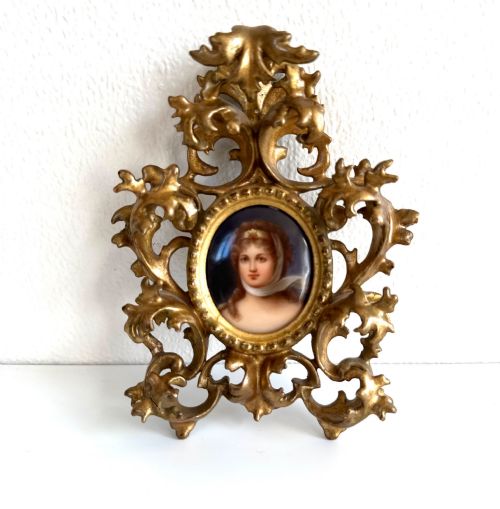
Rococo revival framed art spans oil paintings, watercolours, miniatures, and empty picture frames dating from the Victorian era up to the early 20th century. Buyers searching this phrase encounter ornate decorative pieces that showcase the revival of 18th-century decorative motifs.
The selections on this page include Italian and Victorian works featuring historical genre scenes, portraits, and landscapes. Giltwood and gesso frames define the physical presentation, often housing original watercolours or oil on canvas works.
Framed art from this period relies heavily on asymmetrical scrolls, foliage, and high-relief ornamentation. Picture frames themselves serve as standalone works alongside the paintings they enclose.
How they were made
Makers constructed frames from wood, applying layers of gesso to build up the intricate sculptural relief before laying gold leaf for the giltwood finish. This traditional technique produces the reflective, textured surfaces characteristic of the period.
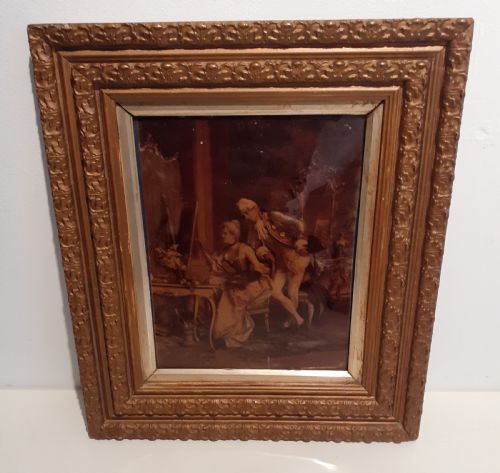
Artworks utilise traditional media including oil on canvas, delicate watercolours on paper, and specialised techniques like crystoleum. Each medium requires distinct handling, from the stretched canvas of large genre scenes to the glass protection of portrait miniatures.
Gentlemen caught mid-game and musicians tuning up remind us that Victorian living rooms doubled as stages for polite theatricality.
What varies in quality
Quality in these pieces rests upon the depth and crispness of the gesso moulding on the frame and the technical skill evident in the painting. Finer frames exhibit hand-carved or meticulously built-up relief work that retains sharp contours rather than softened edges.
The integration between the artwork and its frame determines the overall success of the piece. Superior examples feature original giltwood frames designed specifically for the canvas or watercolour they enclose, maintaining stylistic harmony.
William Edward Frost·Arturo Orselli·Joaquín Luque y Roselló·Marcel Brunery·Pompeo Massani·Belisario Gioja
The Rococo Revival Framed Art Glossary
- Giltwood
- Wood that has been coated with gold leaf or a gold-coloured metallic finish. This material forms the primary structure of ornate 19th-century picture frames.
- Gesso
- A plaster-like mixture applied to wood frames and sculpted into high-relief decorative motifs before gilding. It allows for complex scrolls and botanical patterns.
- Crystoleum
- A Victorian method of applying a hand-coloured photograph or print to convex glass and painting the reverse side in oil. This technique creates depth and a luminous finish.
- Genre painting
- Artwork depicting scenes from everyday life, historical moments, or narrative interactions among figures. Many Victorian and Italian examples capture card players or musical recitals.
Rococo Revival Framed Art: Frequently Asked Questions
How do I date a rococo revival frame?
Dating relies on inspecting the construction of the wooden corners, the composition of the gesso, and the underlying material of the moulding. Victorian examples often feature distinct layering and composition specific to mid-19th-century workshop practices.
Changes in gilding techniques and the ageing of the underlying wood also provide clear indicators of period manufacture.
Are these paintings original or reproduction?
The pieces catalogued here are period originals dating from the 19th and early 20th centuries, executed in oil or watercolour. They reflect the genuine artistic output of Victorian and continental European painters.
Signatures, artist attribution, and canvas composition confirm their historical provenance.
How should I hang heavy giltwood frames?
Due to the substantial weight of wood and gesso construction, secure wall fixings directly into masonry or wall studs are essential. Professional picture hangers utilise heavy-duty D-rings and braided wire rated well above the frame's weight.
Positioning the art away from direct sunlight protects both the gilt surface and the pigments of the painting.
What is the difference between oil and watercolour here?
Oil paintings are executed on stretched canvas, offering rich texture and deep colour saturation typical of genre scenes. Watercolours are executed on paper and require protective glass glazing.
Watercolours often capture lighter narrative subjects, while oils dominate larger, more dramatic historical compositions.