

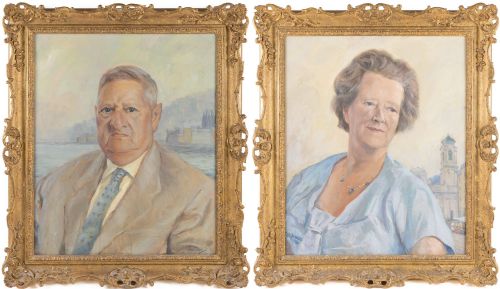
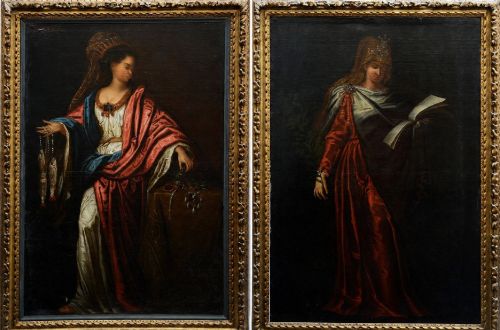
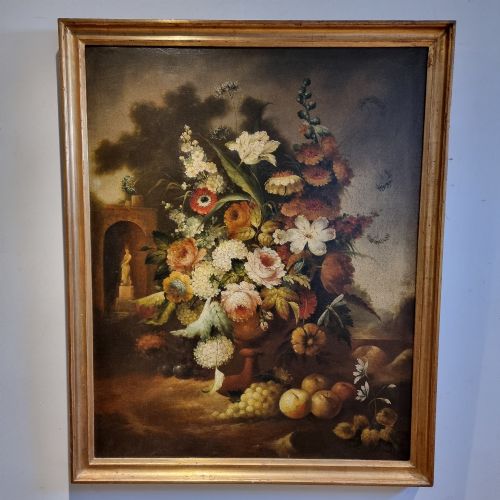
Gold Framed Artwork Pair
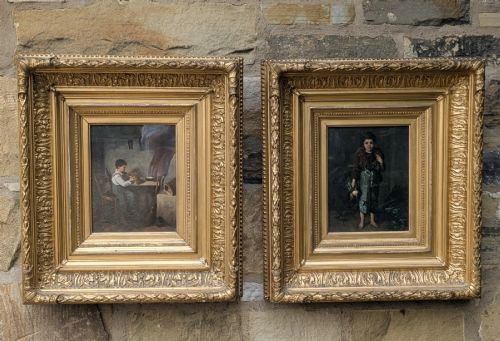
A gold framed artwork pair brings matched visual balance to a room, offering twin perspectives in oil, watercolour or engraving.
Gold Framed Artwork Pair
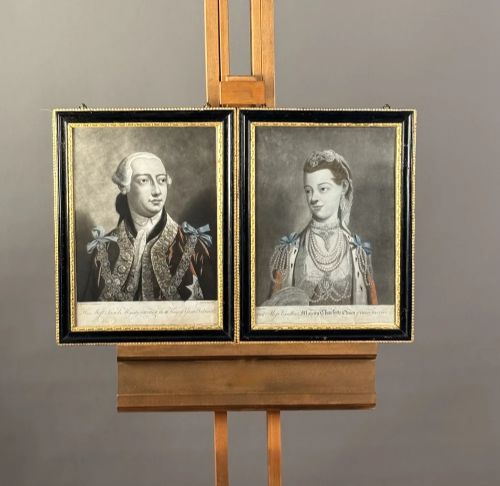
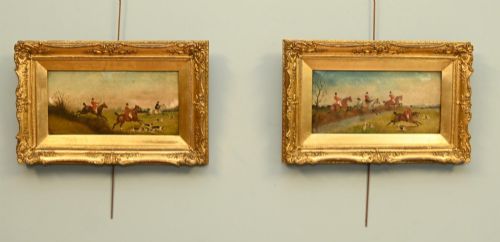
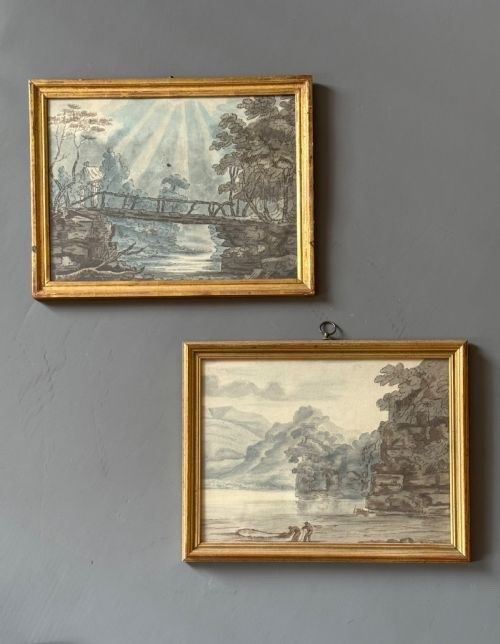
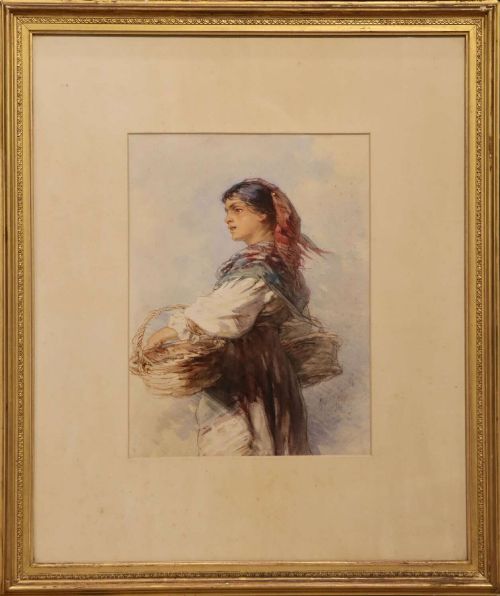
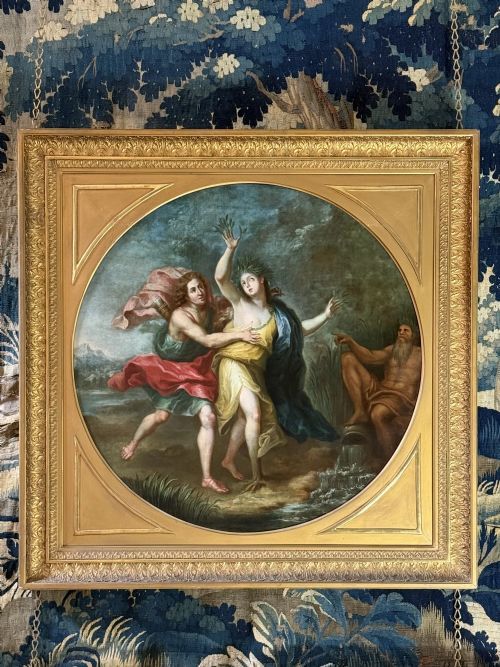
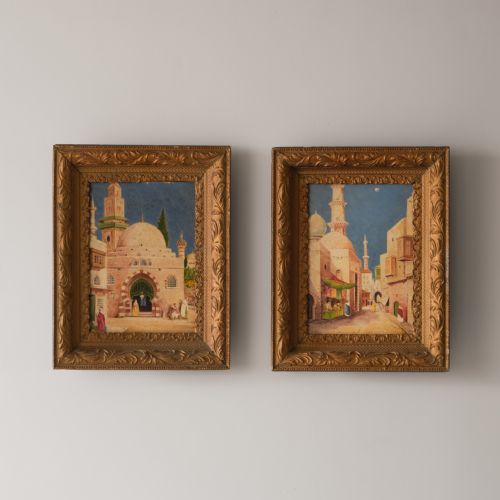
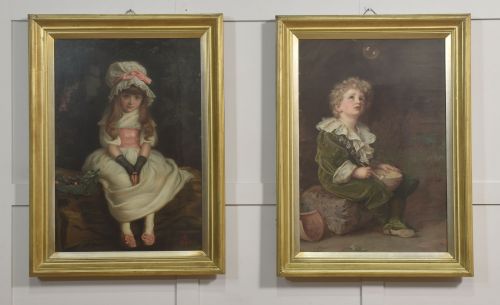
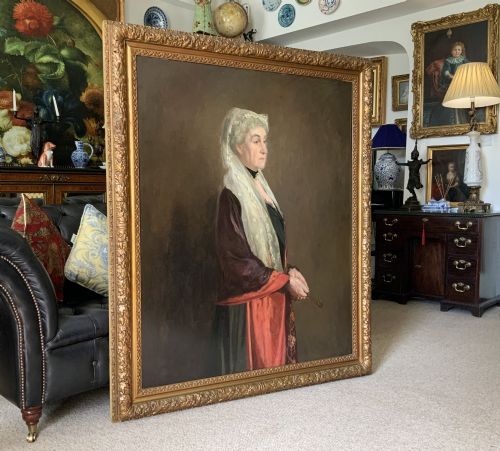
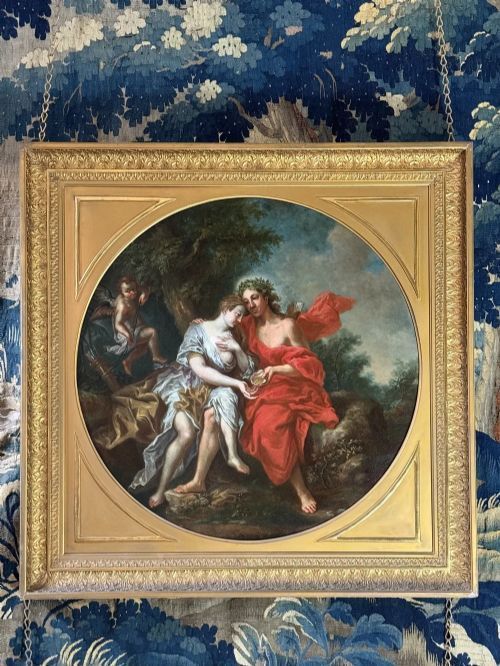
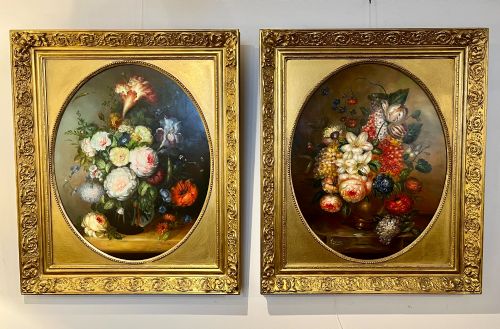
A gold framed artwork pair unites two related images within matching gilded surrounds, spanning centuries of creative output from delicate Georgian watercolours to robust Victorian oil paintings. Buyers seeking this configuration encounter a diverse array of subjects, including pastoral landscapes, intimate child portraits, classical mythological scenes and botanical still lifes.
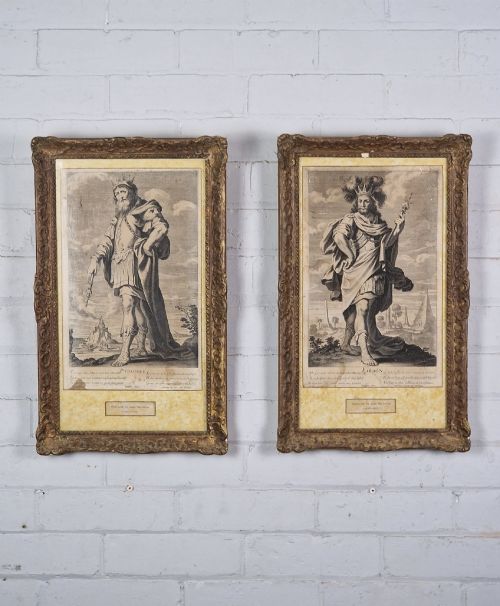
The selection ranges across distinct historical movements, featuring Regency engravings, Edwardian coaching oils and French Rococo compositions. Many examples utilise wood and gesso frames finished with gold leaf to present the dual works as a single cohesive decorative statement on the wall.
Most entries on this page present traditional media executed on canvas, paper or board, housed in moulded or swept gilt housings. These matching compositions provide decorators and collectors with symmetrical hanging options designed to anchor a drawing room or hallway.
Materials and construction methods
The physical build of these pieces relies on traditional painterly and framing supports, combining oil paint, watercolour, pastel or ink on canvas, paper, board and glass. Giltwood and gold leaf applied over carved wood or composition mouldings form the characteristic metallic borders that unite the twin images.
Makers constructed the frames using seasoned timbers joined at the corners, subsequently building up decorative relief details with gesso before applying thin sheets of gold leaf or metallic paint. Artists worked in tandem with framers to ensure the proportions of each mount and housing complemented the internal pictorial narrative.
Listings feature works executed in oil, watercolour, pastel, pen and ink, engraving and mezzotint across the 18th, 19th and early 20th centuries.
Distinctions in craftsmanship and condition
The standard of execution in the painted or printed surface creates the primary divergence across these items, separating loosely sketched decorative works from finely detailed academic portraits or landscapes. Handling of light, perspective and pigment depth distinguishes skilled academic output from simpler naive or commercial productions.
Frame integrity and the original application of the gilding further divide the examples, as hand-carved gesso ornamentation holds greater visual weight than mass-produced composition substitutes. The harmonious preservation of both matched items as a single surviving set determines their standing among discerning collectors.
Guido Bach·Charles-Antoine Coypel·Jean Mariette·Emily Eyres·Adam Buck·Robert Cleminson·Johann Friedrich Voltz·Philip Rideout·Theodore Jensen·Claude Cardon·Abraham Hulk I·Robert Sayer·Alexander Rosell·Evelyn Chester·Gustave De Bréanski
The Gold Framed Artwork Pair Glossary
- Giltwood
- Timber that has been coated with a thin layer of gold leaf or metallic powder over a prepared gesso ground. This finish provides the bright reflective border characteristic of traditional framing.
- Mezzotint
- A printmaking process of the intaglio family where the copper plate is roughened manually to produce rich tonal gradations in dark areas. It allows for subtle shadows and atmospheric depth in printed pairs.
- Gesso
- A plaster mixture applied to wood frames to create a smooth surface for gilding or carving intricate decorative mouldings. It forms the crisp relief details seen on antique surrounds.
- Still life
- An artwork depicting inanimate subject matter, typically commonplace objects such as fruit, flowers or domestic vessels. These compositions often rely on balanced arrangements across paired panels.
Gold Framed Artwork Pair: Frequently Asked Questions
How should I hang a matched pair?
Hang the two pieces at eye level with consistent spacing between them to maintain visual symmetry on the wall.
Ensure the hanging wire or brackets are secured firmly to support the weight of the gilded wood frames.
What periods do these artworks represent?
The selections span from the eighteenth century through the Victorian era and into the early twentieth century.
Styles range from Georgian watercolours and Regency engravings to Edwardian oils and mid-century portraits.
Are the frames original to the art?
Many pieces retain their period giltwood frames, which show age-appropriate wear and patination matching the artwork.
Some items feature later replacement frames selected to complement the historical aesthetic of the image.
How do I care for giltwood frames?
Dust the carved surfaces gently with a soft, dry brush to prevent the accumulation of dirt without disturbing the gold leaf.
Keep the pieces away from direct sunlight and excessive moisture to protect the underlying gesso and wood.