

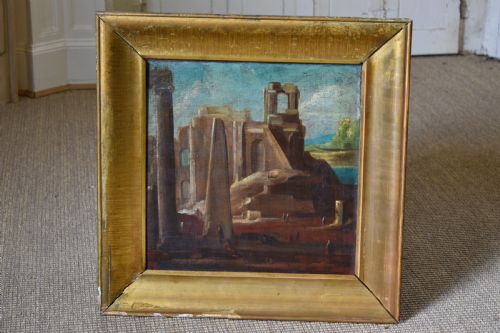
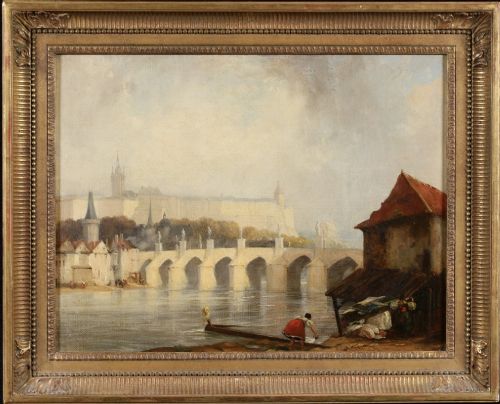



Gold Framed Architectural Painting
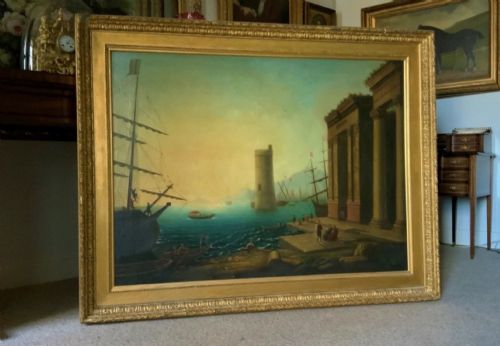
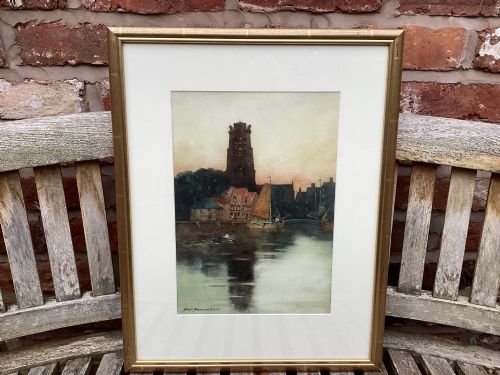
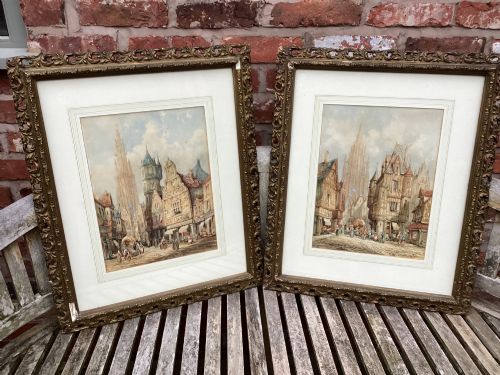
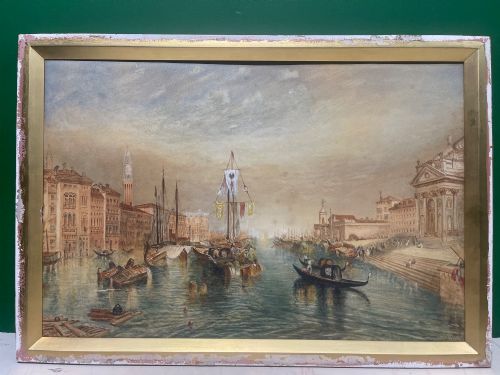
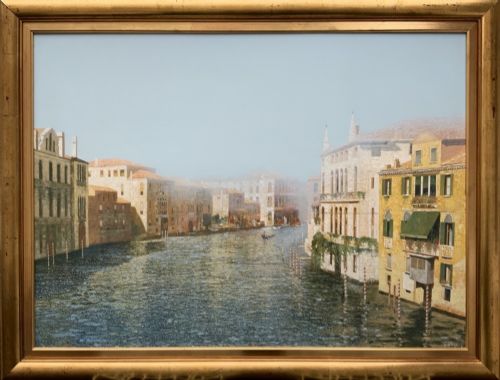
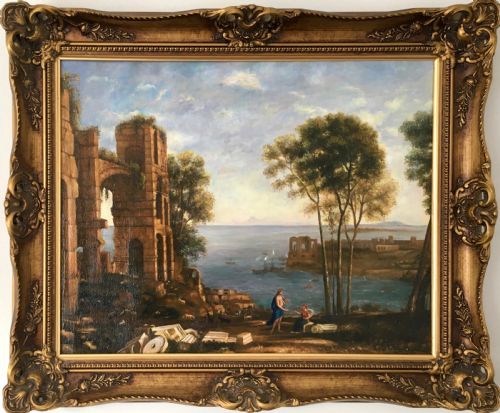
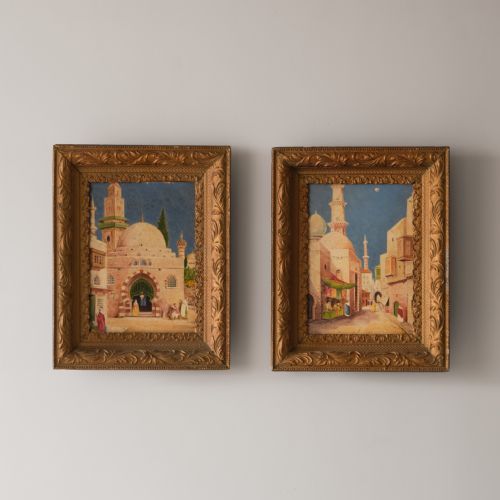
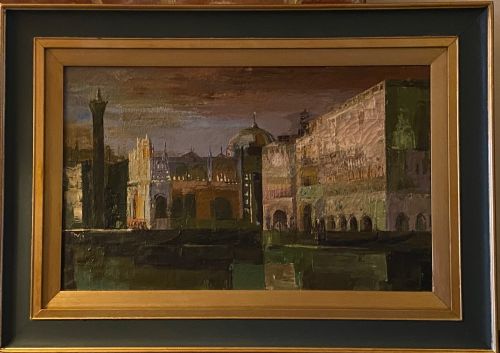
Gold framed architectural painting pieces capture historic European capitals, ancient ruins and grand castles within ornate gilded surrounds.
Gold Framed Architectural Painting
A gold framed architectural painting brings urban streetscapes, canals, bridges and classical ruins into domestic interiors. When exploring gold framed architectural painting examples, buyers encounter works ranging from nineteenth-century Venetian waterways and Gothic castles to urban townscapes.
The selection encompasses both oils on canvas and delicate watercolours on paper. Many works capture specific European locations including Rome, Paris, Prague and regional British subjects set inside heavy decorative borders.
Makers and schools from various periods interpret urban topography and historic structures. These compositions often balance precise architectural rendering with atmospheric landscape elements.
How they were made
Makers utilised oil on canvas, oil on board, and watercolour on paper mounted within wood, giltwood, and gilt wood frames. Canvases receive layered oil pigments to build depth in skies and masonry, while watercolours rely on fluid washes on paper.
Frames combine carved wood with applied gesso and gold leaf or metallic paint. These gilded surrounds architectural elements complement the painted subject matter through ornate mouldings and traditional joinery.
Gold Framed Architectural Painting Retail Price Guide 2026
Typical asking prices for gold framed architectural painting among the pieces listed under this phrase on Sellingantiques today, from the lower quarter to the upper quarter. They describe what is for sale here now, not the wider market.
Several artists clearly enjoyed painting masonry more than people, occasionally rendering crowds as mere smudges of paint beneath towering Gothic arches.
What varies in quality
The dexterity of brushwork defines the upper tiers of these works, particularly in the rendering of perspective, stone textures, and figures within the scene. Superior examples demonstrate confident draughtsmanship in complex structural elements like arches, bridges, and cathedrals.
Frame craftsmanship contributes significantly to overall merit, with hand-carved gilded wood showing sharper detail and deeper relief than moulded composition substitutes. The harmony between the artwork and its specific gilded border indicates intentional presentation.
Sushila Singh·Victor Gabriel Gilbert·Alfred George Morgan·Cornelis Christian Dommersen·Frederick Tully Lott·William George Meadows·Lewis J Wood·George Whyatt·Karl Herrle·Samuel Sidley·Ernest Cox
The Gold Framed Architectural Painting Glossary
- Capriccio
- An architectural painting combining imaginary or real buildings, ruins, and other architectural elements in a fictitious compositional arrangement. This Italian term denotes fantasy views popular on the Grand Tour.
- Giltwood
- Wood carved and surfaced with thin gold leaf or gold dust over a prepared ground. It provides the reflective, ornate border characteristic of these frames.
- Grand Tour
- A traditional trip of Europe undertaken by upper-class European young men of sufficient means. Paintings from this context record classical antiquities and foreign cityscapes.
- Overmantle
- A large mirror or painting designed to be positioned directly above a fireplace mantelpiece. These pieces often feature substantial gilded wooden frames.
- Watercolour
- A painting method in which the paints are made of pigments suspended in a water-based solution. Works in this medium utilise the white of the paper for luminous effects.
Gold Framed Architectural Painting: Frequently Asked Questions
What is an architectural painting?
An architectural painting focuses primarily on buildings, townscapes, street scenes, and ruins rather than pure landscape or portraiture. These works capture specific historical structures, bridges, and urban environments.
Artists frequently include human figures to establish scale against massive masonry, cathedrals, or classical columns. The built environment serves as the central subject of the composition.
Where were these paintings displayed?
Historically, these artworks hung in drawing rooms, long galleries, and parlours of substantial residences. They served as conversation pieces reflecting travels abroad or civic pride.
Today, they function well above mantelpieces, along staircases, or as focal points in traditional living spaces. Their gilded frames allow them to anchor a room's decorative scheme.
How do I date an antique frame?
Frame dating relies on wood construction methods, corner joinery, and the composition of the gesso beneath the gilding. Hand-carved wooden mouldings differ noticeably from later cast plaster ornaments.
Backboards, fixings, and historical labels also offer clues regarding the age of the framing. Original pairings of painting and frame are particularly valued by collectors.
What subjects are most common?
Venetian canals, Parisian streetscapes, Roman ruins, and British cathedrals appear frequently across these listings. Artists recorded both grand civic monuments and quiet provincial architectural details.
Foreign travel accounts for many continental European subjects, while local topographical views documented British castles and abbeys. Each subject reflects the prevailing artistic interests of its period.