




Gold Frame Winter Artwork
These gold frame winter artwork pieces capture snowy landscapes and freezing scenes, offering a timeless seasonal atmosphere for your walls.
Gold Frame Winter Artwork
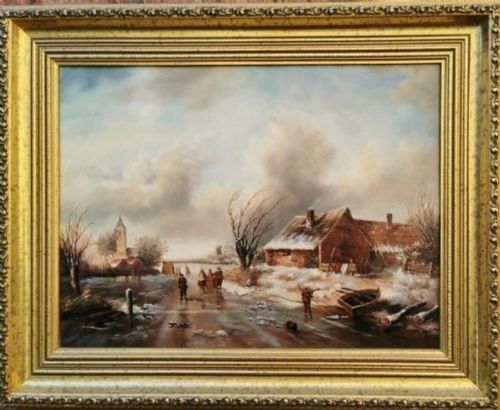
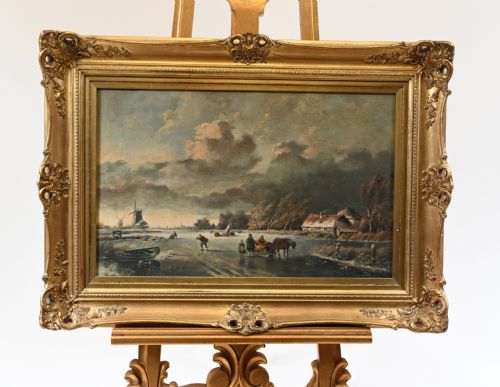
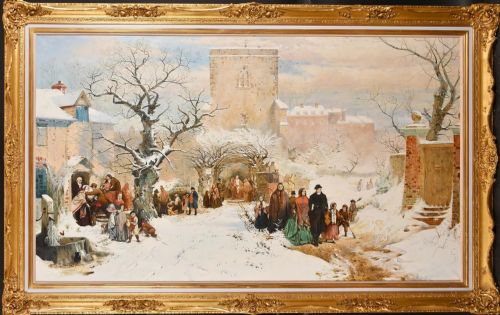
When you search for gold frame winter artwork, you encounter oil paintings, watercolours and pastels depicting snowy scenes, frozen lakes and coaching subjects. These pieces span from the nineteenth century through the Edwardian era into the mid twentieth century, reflecting various traditional schools.
The most common examples on this page are oil on canvas or board and watercolours on paper, housed within gilded wooden surrounds. They range from Dutch style frozen canals and pastoral views to bustling stagecoaches caught in snowstorms.
Qualities of distinction
The standard of execution in the brushwork determines the success of the composition, particularly in the handling of snow, ice and atmospheric light. Superior examples display confident draughtsmanship and careful observation of winter conditions.
The craftsmanship of the gilt frame also influences the overall piece, with ornate or well preserved mouldings adding significantly to the visual weight and historical integrity of the artwork.
Several pieces capture the drama of nineteenth century stagecoaches battling sudden snowstorms.
John Charles Maggs·George Augustus Williams·Alexis De Leeuw·Ernest Uden·John Hobson Nicholson
The Gold Frame Winter Artwork Glossary
- Giltwood
- Wood that has been treated with gold leaf or a gold coloured metallic finish. This material is frequently utilised for traditional picture frames.
- Oil on Canvas
- Pigment mixed with drying oil applied to a stretched woven fabric support. This combination allows for rich colour blending and texture.
- Watercolour
- A paint consisting of colour pigments suspended in a water based solution, typically applied to paper. It produces translucent washes well suited to winter atmospheres.
- Pastel
- A medium in the form of a stick, consisting of powdered pigment and a binder. It creates soft, velvety textures often seen in historical works on paper.
Gold Frame Winter Artwork: Frequently Asked Questions
How do I hang a heavy framed oil painting?
Ensure your wall fixings are anchored into solid masonry or stud work to support the weight of the wood and glass. Utilise sturdy picture wire attached securely to the sides of the frame.
Check that the hanging hardware matches the weight distribution of the piece to keep the artwork level over time.
Where should I place winter artwork in my home?
These pieces suit living rooms, studies or hallways where traditional decor benefits from seasonal charm. Position them away from direct sunlight and moisture to protect the canvas and gilt.
Pairing them with neutral walls allows the metallic frame and cool tones of the snow scene to stand out effectively.
How do I clean a giltwood frame?
Dust the surface gently with a soft, dry brush or a microfiber cloth to remove loose particles. Avoid using liquid cleaners or abrasive cloths, which can damage the delicate metallic finish.
Consult a professional restorer if the gilding shows signs of flaking or significant wear.
What is the difference between oil and watercolour?
Oil paint uses a drying oil binder and is typically applied to canvas or board, offering thick textures and deep colour layering. Watercolour uses a water soluble medium on paper, resulting in lighter, translucent effects.
Watercolours require protection behind glass, whereas traditional oil paintings are usually displayed open to the air.