

Gold Frame Wall Picture
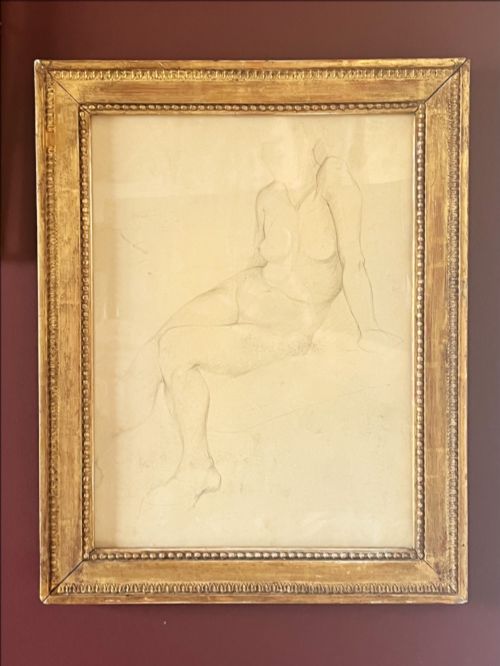
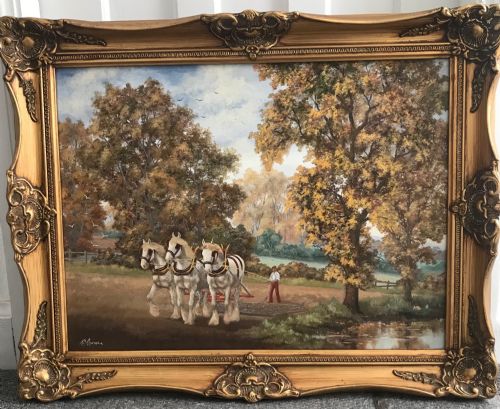
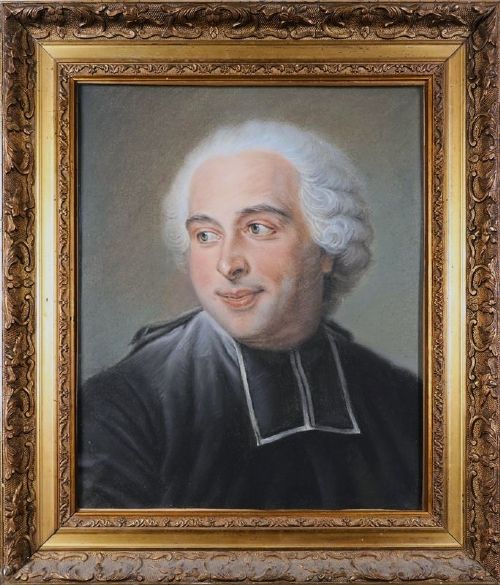
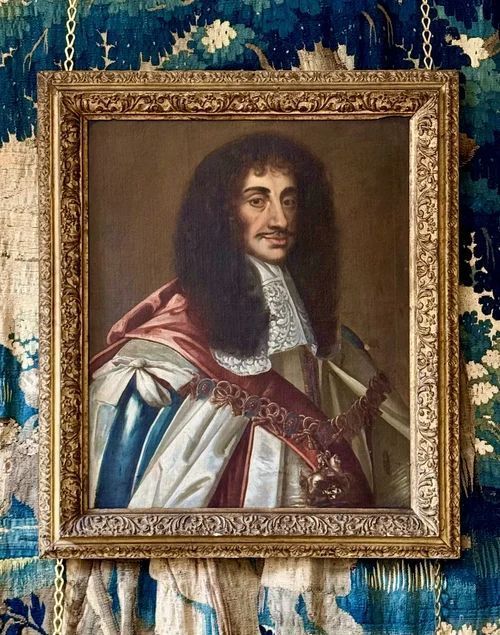
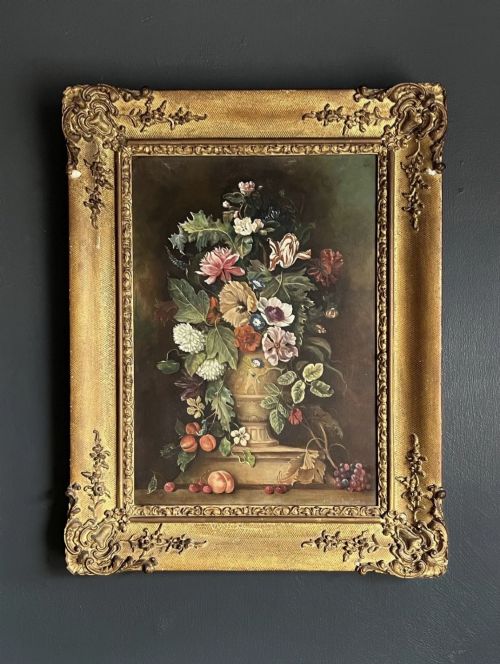
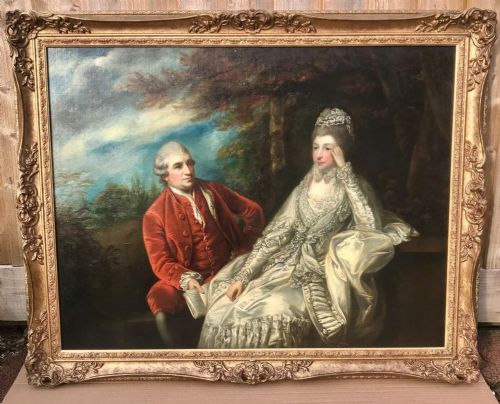
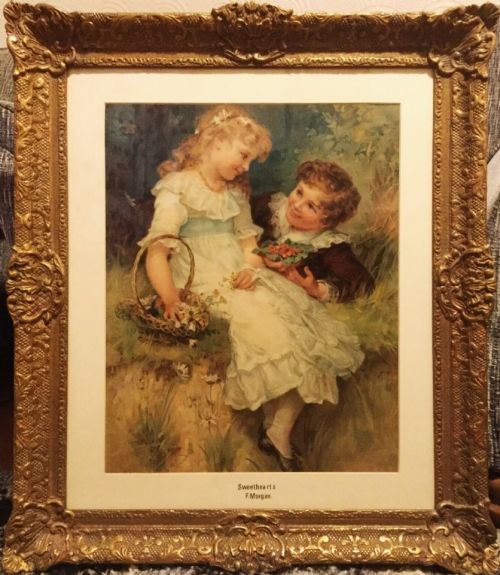
When you search for a gold frame wall picture, you find centuries of painted portraits, watercolours and mirrors bound in gilded wood.
Gold Frame Wall Picture
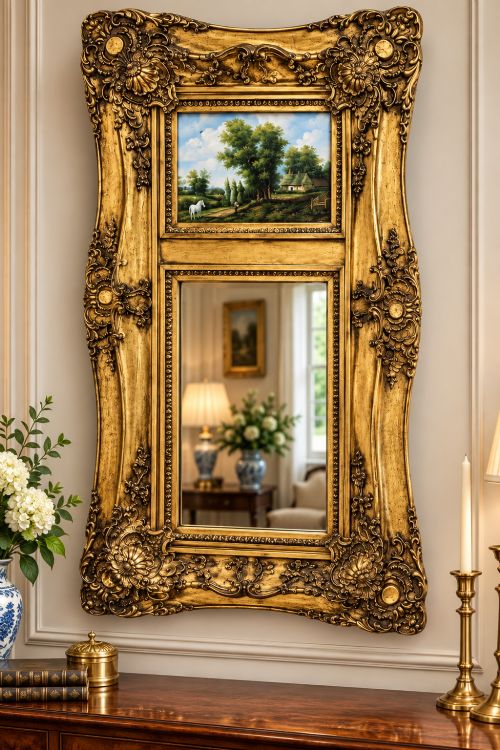
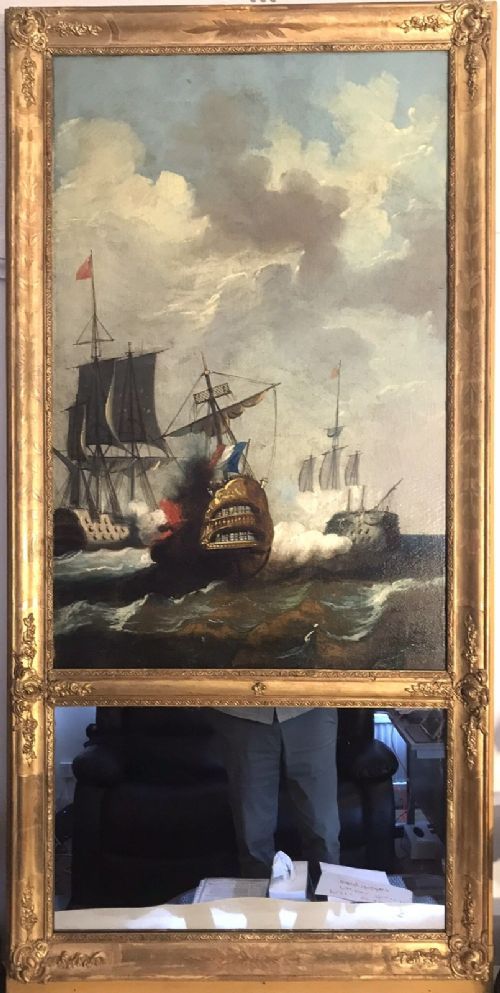
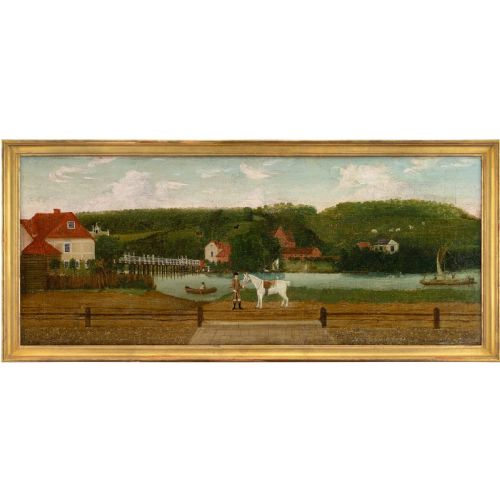
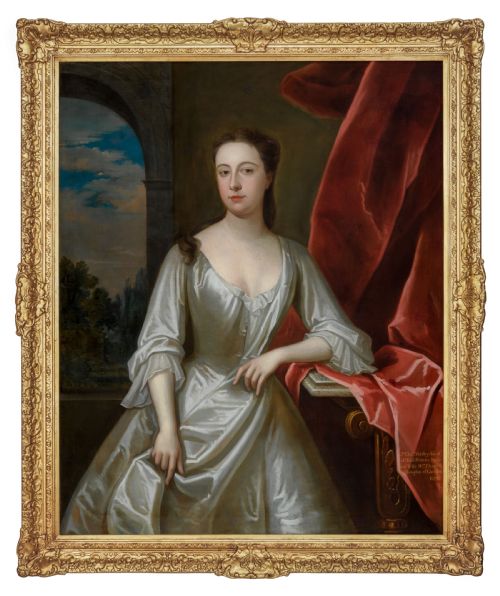
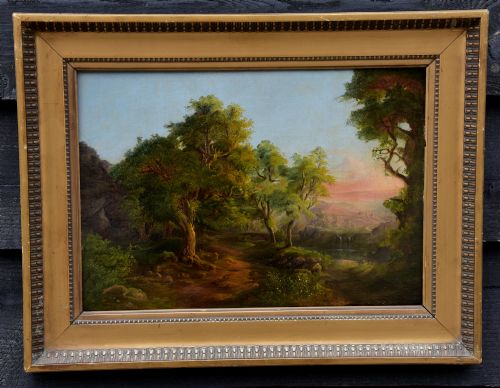
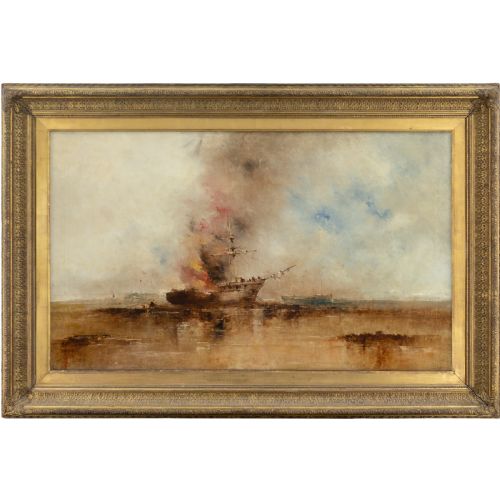
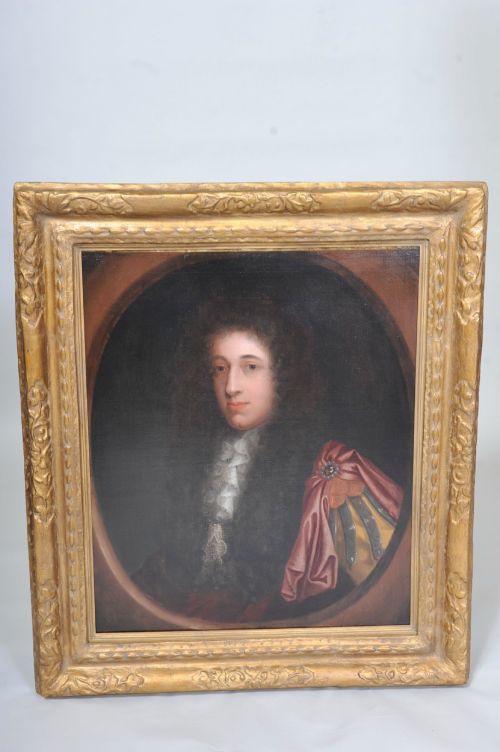
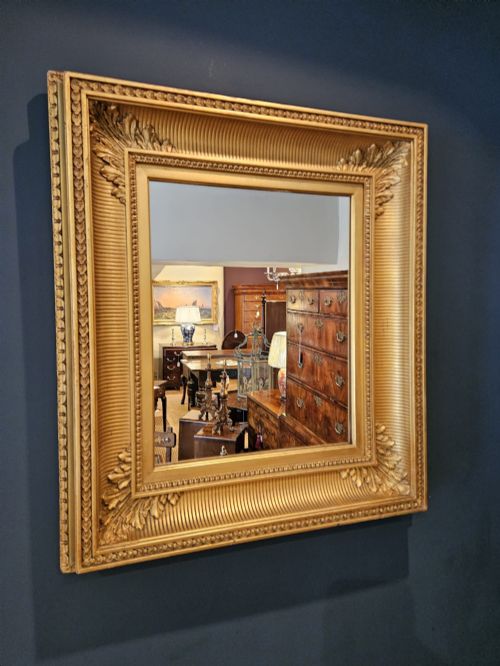
A gold frame wall picture encompasses oil paintings, watercolours, prints, engravings and mirrors set within gilded timber enclosures. These pieces span from the seventeenth century through the Victorian era into mid-century works, reflecting diverse aesthetic movements from British Baroque to Academic Realism.
How they were made
Makers constructed the enclosures using wood, applying layers of gesso before gilding with gold leaf or applying metallic finish. Artisans carved intricate details like acanthus leaves directly into the wooden mouldings or formed them in relief gesso.
Artworks within these surrounds utilise traditional media including oil on canvas, watercolour on paper, pastel, gouache and engraving. Canvasses were stretched over wooden frames while paper works required protective glass glazing.
Materials recorded across the inventory include oil paint, watercolour, pastel, glass, paper, wood, gesso and gold leaf.
What varies in quality
The calibre of a gold frame wall picture rests upon the crispness of the carved or moulded gesso decoration and the integrity of the gilding. Hand-carved giltwood exhibits sharper definition and deeper relief than mass-produced composition ornament.
Quality also hinges upon the artistic execution of the central artwork, where skilled brushwork, depth of tone and the original relationship between the picture and its specific enclosure elevate the piece.
Sir Godfrey Kneller·Sir Peter Lely·Joshua Reynolds·Donald Grant·Benjamin Barker·Francis Moltino·David Bates·William Powell Frith·George Houston·Walter Heath Williams·Edward Mills·Stephen Samuel Lewin·Alfred Lyndon Grace·Frederick Morgans
The Gold Frame Wall Picture Glossary
- Giltwood
- Wood that has been coated with gold leaf or gold paint. This material forms the primary structure of many antique decorative surrounds.
- Gesso
- A plaster mixture applied to wood surfaces as a base for gilding or painting. It allows artisans to carve intricate relief ornamentation.
- Lithograph
- A print method based on the chemical repulsion of oil and water. Artists draw on limestone plates to produce multiple image impressions.
- Stipple engraving
- A printmaking technique using dots to create tonal gradations rather than continuous lines. It gained popularity for reproducing portraits and classical scenes.
Gold Frame Wall Picture: Frequently Asked Questions
Can I clean the gold leaf on an antique frame?
Gilded surfaces are exceptionally fragile and abrasive cleaning products will permanently strip the metallic leaf.
Use a very soft, dry brush to gently sweep away accumulated dust without applying pressure to the gesso ornamentation.
How do I identify the period of a frame?
Period identification relies on examining the moulding profile, corner construction methods, and the composition of the underlying gesso layers.
Victorian pieces frequently feature moulded acanthus leaf decoration, while seventeenth and eighteenth-century examples display distinct hand-carved joinery and deeper wooden profiles.
Are oil paintings on board different from canvas?
Paintings on board utilise a rigid wooden or composition panel support rather than a flexible woven textile stretched over wooden bars.
Board supports were common for smaller landscape and portrait studies across the nineteenth and twentieth centuries.