




Gold Frame Wall Artwork
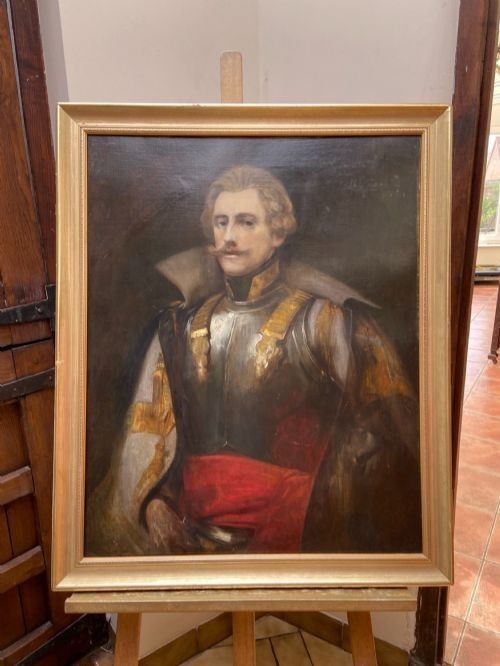
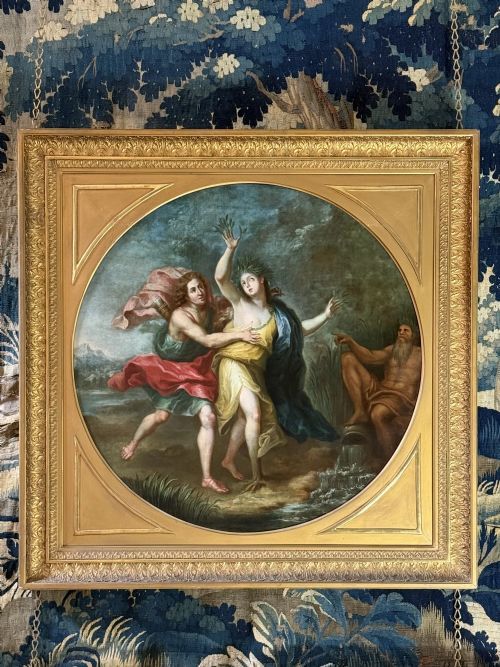
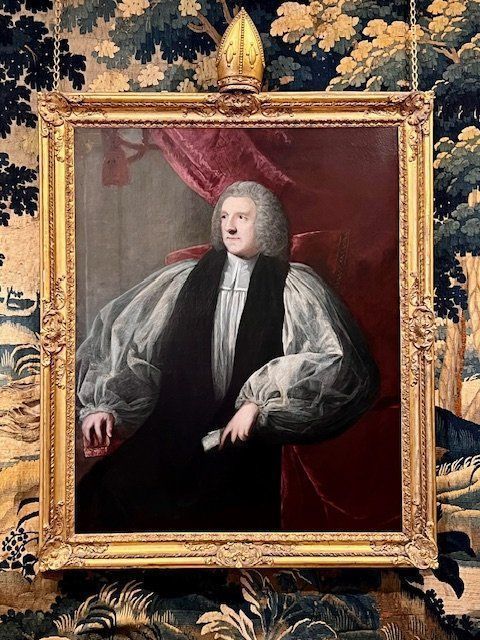
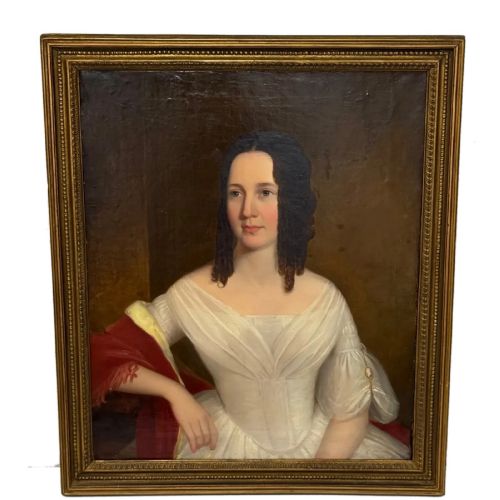
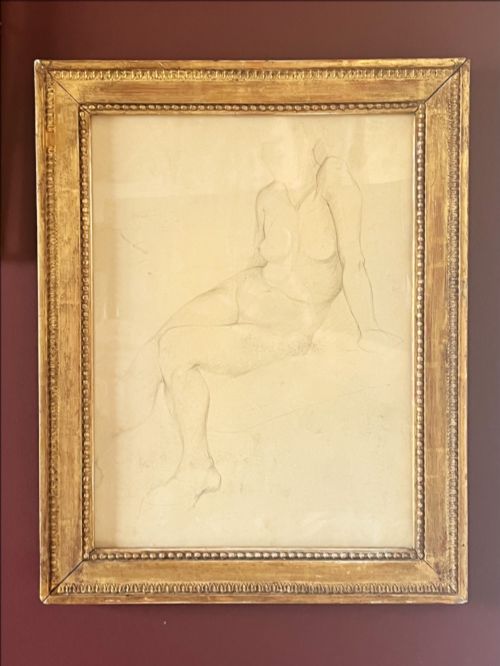
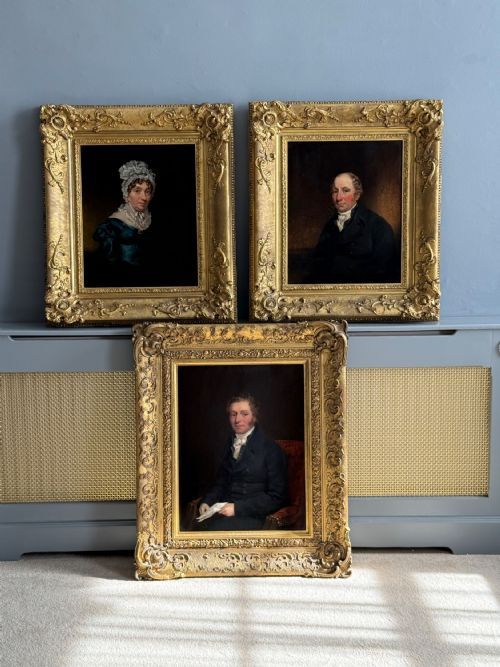
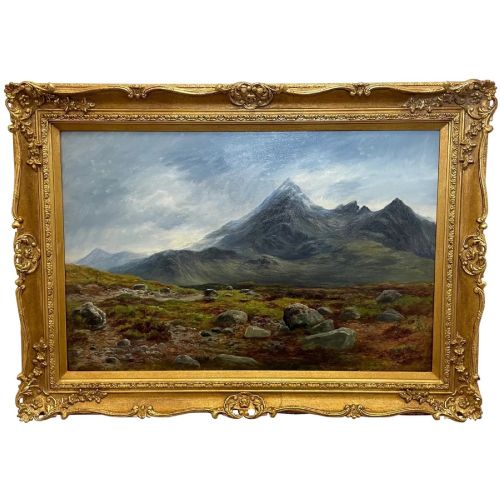
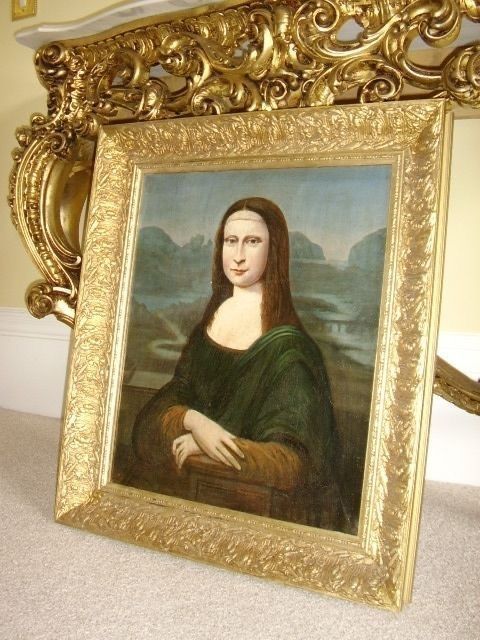
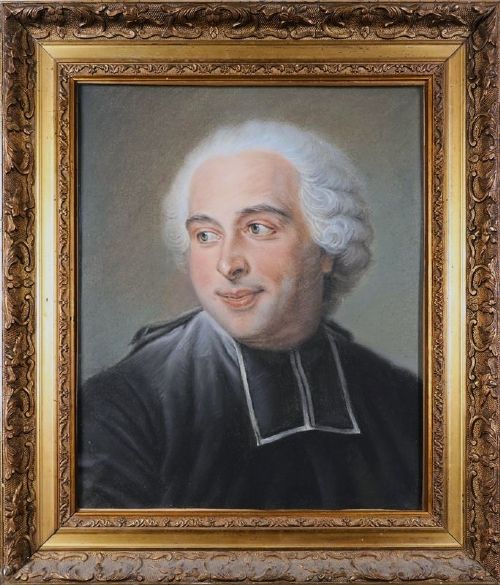
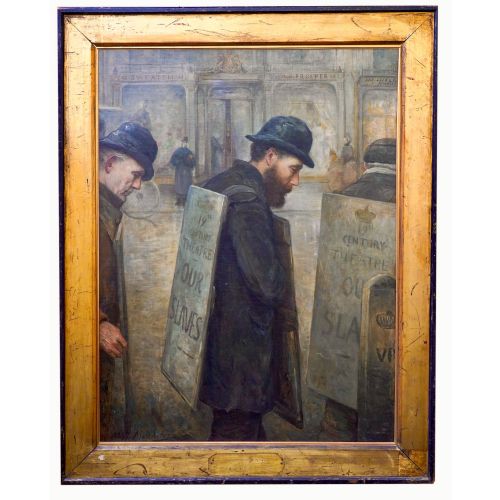
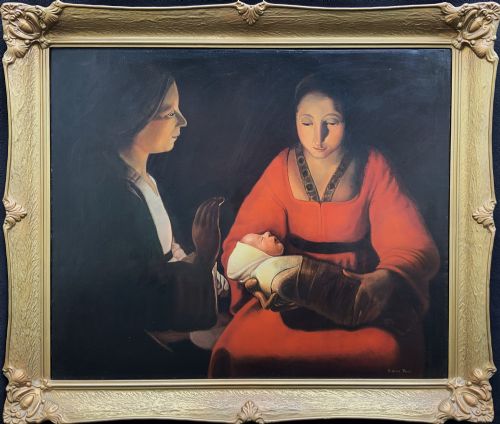
Gold frame wall artwork brings historic portraiture, landscape and still life into a room, framed in gilded wood that catches the daylight.
Gold Frame Wall Artwork
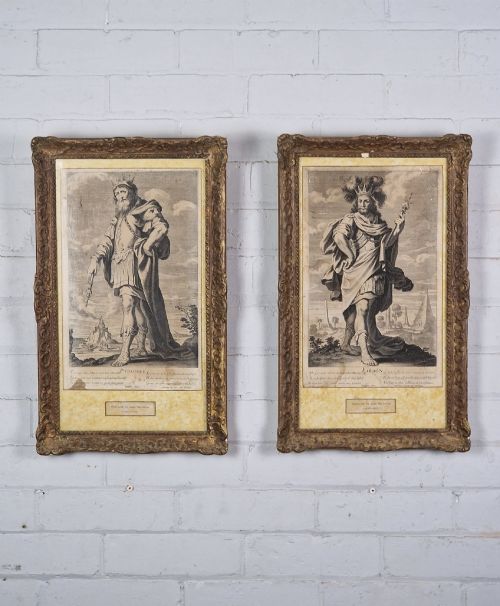
When you search for gold frame wall artwork, you encounter centuries of painting traditions spanning from the seventeenth century through to the mid-twentieth century. The selection is dominated by oil paintings on canvas, panel or board, alongside pastels, drawings and engravings housed in gilded surrounds.
The subjects range widely across portraiture, marine scenes, floral still lifes, architectural studies and landscapes. Many pieces originate from British and European hands, capturing subjects from monumental figures to intimate domestic scenes.
You are most likely to meet nineteenth-century oil paintings and portraits alongside later twentieth-century works that continue traditional academic and realist styles. These pieces provide a direct link to historic interiors where gilded surrounds emphasised the depth of the canvas.
How they were made
The primary medium is oil paint applied to canvas, wood panel or board, occasionally supplemented by pastel on paper or ink in engravings. Pigments were layered to build up form and light, particularly in portraits and landscapes.
The surrounds are constructed from wood, frequently finished with giltwood or gilt gesso. Artisans carved or moulded decorative details onto the timber before applying gold leaf or metallic finish to create the luminous border that defines the artwork.
Frames utilise wood and gilt gesso, housing subjects from maritime scenes to botanical still lifes.
What varies in quality
Quality rests in the handling of the brush, the anatomical accuracy of the figures and the depth achieved in the composition. Master works demonstrate confident draughtsmanship and subtle tonal gradations, whereas lesser examples show stiffer execution and flat planes of colour.
The integrity of the mounting matters greatly; original or period-matching gilt frames that complement the scale and palette of the painting elevate the piece far above later or mismatched combinations.
Charles Antoine Coypel·Sir Joshua Reynolds·Joseph Clover·William Beattie Brown·Sir Peter Lely·Sir Godfrey Kneller·Pieter Borsseler
The Gold Frame Wall Artwork Glossary
- Giltwood
- Wood carved and coated with gold leaf or gold paint. This technique gives the frame its characteristic metallic sheen and ability to reflect interior light.
- Oil on canvas
- Pigment mixed with drying oil applied to a stretched woven fabric support. This combination allows for rich colour blending and durability over centuries.
- Gesso
- A plaster-like mixture applied to wood frames to create a smooth surface for gilding. It is often moulded into decorative relief patterns before the gold is laid.
- Panel
- A flat wooden board used as a painting support instead of canvas. Artists frequently utilised oak, mahogany or deal panels in earlier centuries.
- Pastel
- A dry drawing medium made of powdered pigment and a binder. Works executed in pastel require glass protection to preserve the delicate chalk surface.
Gold Frame Wall Artwork: Frequently Asked Questions
How should I hang a heavy framed painting?
Secure fixings directly into wall studs or utilise heavy-duty masonry anchors depending on your wall construction. Ensure the hanging wire and brackets match the weight of the timber and canvas.
Position the centre of the artwork at average eye level to create a balanced focal point in the room.
Can I clean a gilt frame safely?
Dust the gilded moulding gently with a soft, dry ostrich feather brush or a clean microfibre cloth. Avoid all moisture and chemical cleaning agents, as they lift the fragile gold leaf.
Professional conservators should handle any losses to the gesso or gilding to prevent further flaking.
How do I identify a nineteenth-century canvas?
Examine the rear of the stretcher frames and the weave of the fabric for signs of age, such as oxidised staples, hand-cut wedges and maker stamps. Older canvases often exhibit fine craquelure across the paint surface.
Contextual clues like artist signatures, exhibition labels and the style of the gilt frame also aid dating.
Where do portraits fit in a modern interior?
Historic portraiture provides a striking contrast against minimalist walls, adding narrative depth and character to contemporary spaces. Grouping smaller works together creates a dynamic gallery wall.
Ensure the room has stable humidity and avoid hanging pieces in direct sunlight to protect the pigments.