
Gold Frame River Artwork
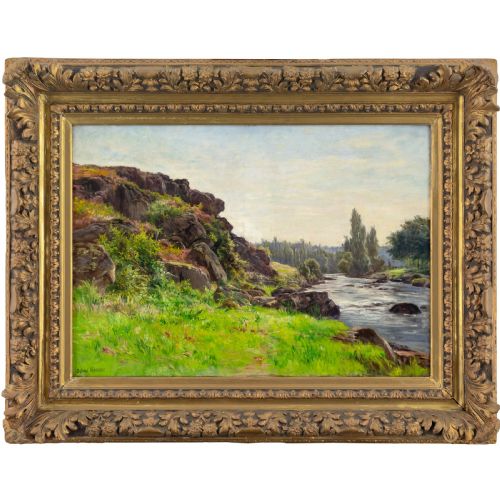
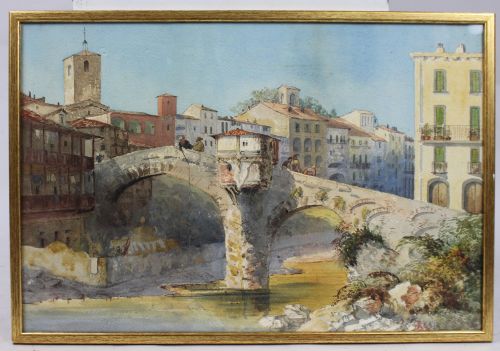
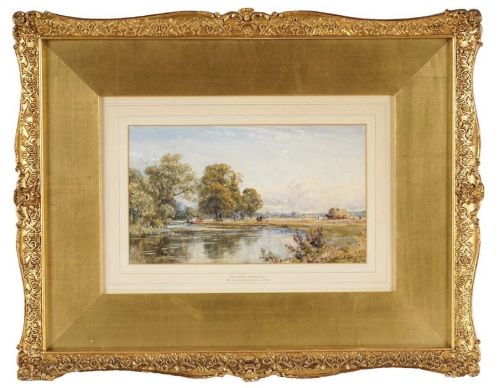
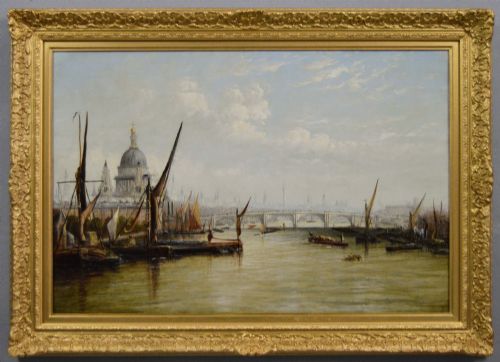
These gold frame river artwork pieces unite pastoral water scenes and maritime vistas within period gilt enclosures.
Gold Frame River Artwork
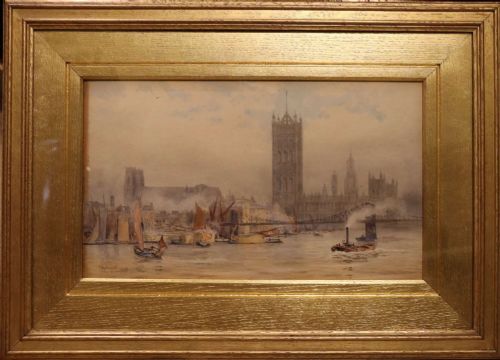
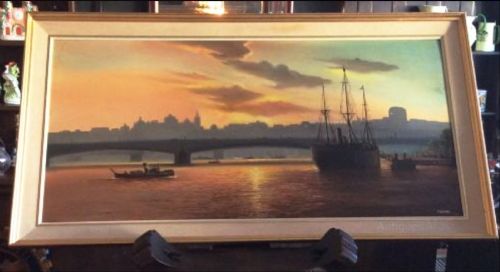
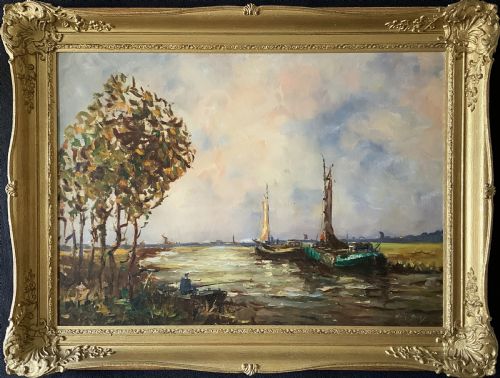
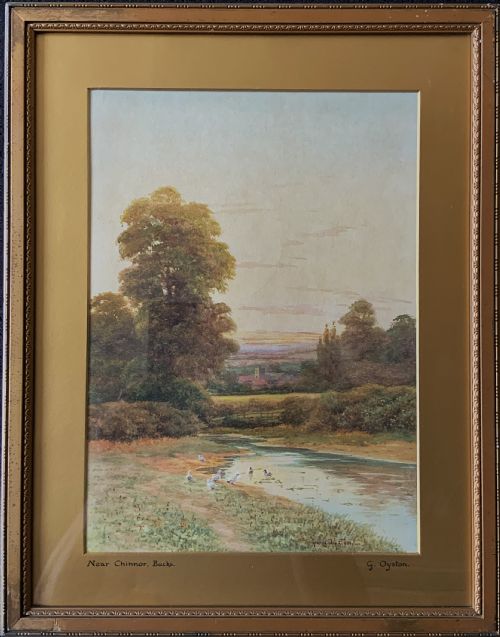
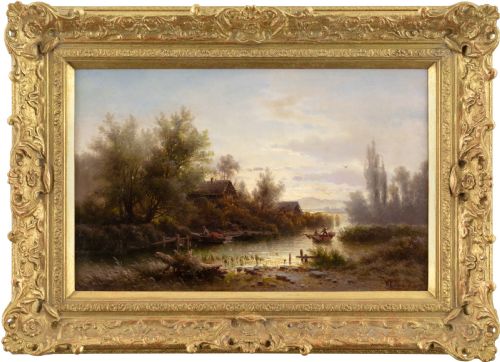
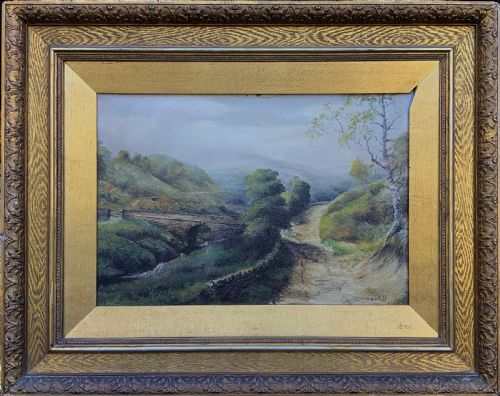
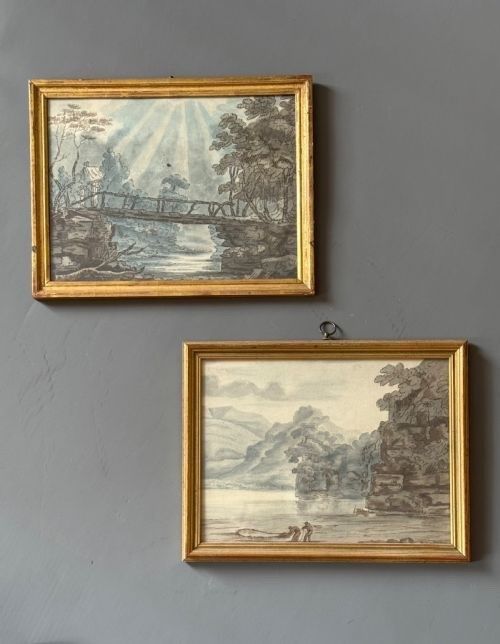
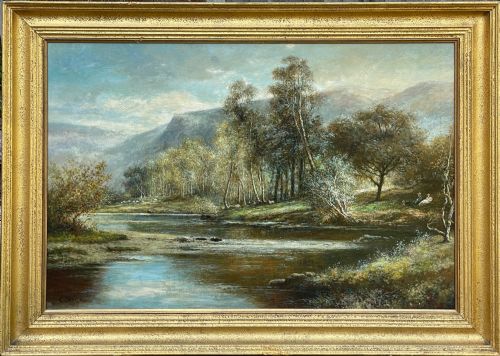
When you search for gold frame river artwork, you encounter painted and drawn depictions of waterways set inside period gilt enclosures. These works range from 18th-century English pen and ink drawings to 19th-century oil paintings and watercolours depicting the Thames, canals, and continental rivers.
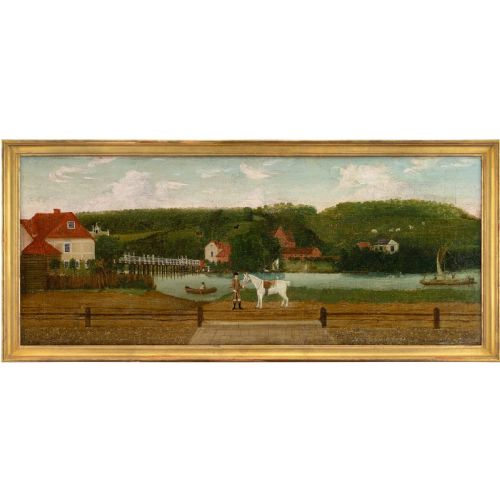
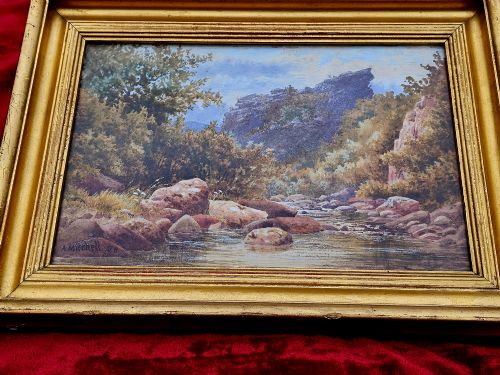
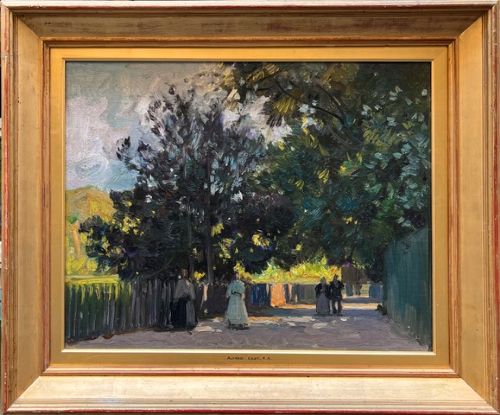
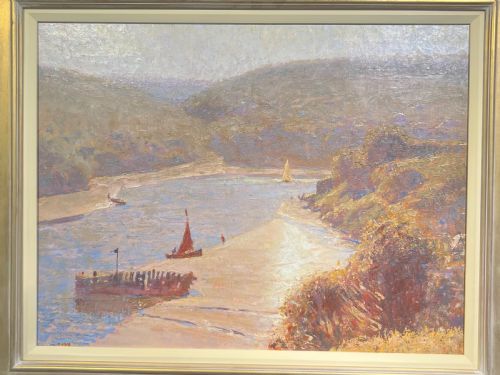
You are most likely to meet 19th-century and Victorian oil paintings on canvas or board, alongside watercolours framed in carved wood and gesso. The subjects stretch from Dutch frozen canalscapes and French impressionist river views to British pastoral scenes featuring figures and boats.
How They Were Made
The paintings and watercolours utilise traditional mediums including oil on canvas, oil on board, and watercolour on paper, sometimes complemented by heavy opaque gouache. Artists worked within specific regional traditions, spanning the Dutch School, British Impressionism, and 19th Century Realism.
The enclosures consist of wood, often finished with carved gesso and applied gilt leaf to create the characteristic gold frame. These frames were frequently designed to complement the palette and period of the artwork they enclose.
Listings feature oil on canvas, watercolour, and pen and ink across 18th, 19th, and 20th-century periods.
What Varies in Quality
The distinction between tiers rests upon the skill of the brushwork and the fidelity of the composition. Superior examples display confident handling of light on water and atmospheric depth, whereas lesser works rely on formulaic repetition of landscape tropes.
The integrity and originality of the surrounding giltwood frame also dictate standing. Hand-carved period frames that match the age of the canvas elevate an object above those fitted with later or mass-produced replacements.
A. Mitchell·Gabriel Mathieu·Robert Thorne Waite·Francis Moltino·Willem Bos·George Oyston·Cecil Allan Mould·Albert Rieger·E Brown·T C Hofland·Henry H Parker·David Cox·T. Bergman·Charles Bridge·John Ferneley Senior·William George Tennick·Charles Clair·Charles William Wyllie·Alexandre Le Bihan·Thomas Baker·André Prévot-Valéri·Mario Pinetti·Arthur Herbert Rigg·Carl Johan Fahlcrantz·John Bell
The Gold Frame River Artwork Glossary
- Giltwood
- Wood that has been coated with gold leaf or gold paint. This finish defines the characteristic metallic sheen seen on period frames.
- Gesso
- A plaster-like mixture applied to wood before gilding or painting. It provides a smooth base that can be moulded into decorative relief details.
- Canalscape
- A painting or drawing depicting a canal, locks, or urban waterways. These views frequently feature moored boats and towpaths.
- Provenance
- The documented history of ownership of an artwork. It helps establish authenticity and records the journey of the piece through time.
Gold Frame River Artwork: Frequently Asked Questions
What subjects appear in these river artworks?
The compositions record diverse waterways, ranging from the River Thames in London and Dutch canals to rural streams and industrial harbours. Artists captured locks, bridges, windmills, and figures engaged in fishing or leisurely strolls along the banks.
Many pieces document specific geographical locations across Britain, France, Italy, and the Netherlands. These topographical details offer a window into 19th-century waterways before industrial and urban expansion transformed them.
How do oils and watercolours differ?
Oil paintings utilise pigment suspended in drying oils applied to canvas, wood, or board, offering rich textures and deep colour blending. Watercolours employ water-soluble pigments on paper, creating translucent washes and lighter paper-backed compositions.
Oils generally require robust wooden frames and protective stretching, while watercolours need glazing with glass to shield the paper from environmental moisture and airborne dust.
How should I hang these framed artworks?
Display these pieces away from direct sunlight and damp walls to protect both the canvas or paper and the delicate giltwood frame. Stable indoor humidity prevents the gesso from cracking and keeps the wood substrate from warping.
Ensure the wall fixings match the substantial weight of period wooden frames. Professional picture hooks screwed securely into wall studs provide the necessary support for heavier oil paintings.
How do I identify the period of a frame?
Period frames often display hand-carved gesso ornamentation, corner mitres showing hand-tooling, and underlying woods appropriate to the 18th or 19th century. Subtle variations in the gold leaf application reveal traditional craftsmanship rather than modern casting.
Comparing the construction style with the date of the enclosed painting helps confirm if the frame is original to the artwork or a later pairing.