



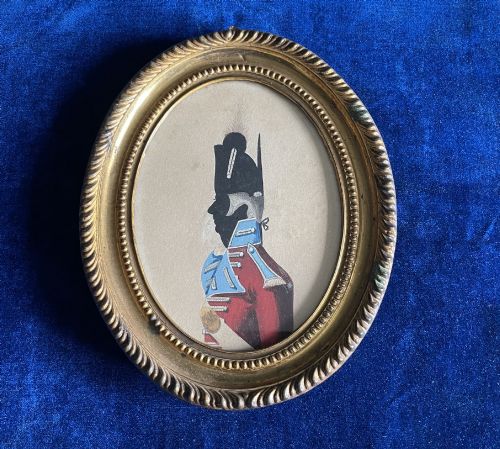
Gold Frame Miniature
When you handle a gold frame miniature, you hold centuries of intimate portraiture captured in precious metal.
Gold Frame Miniature
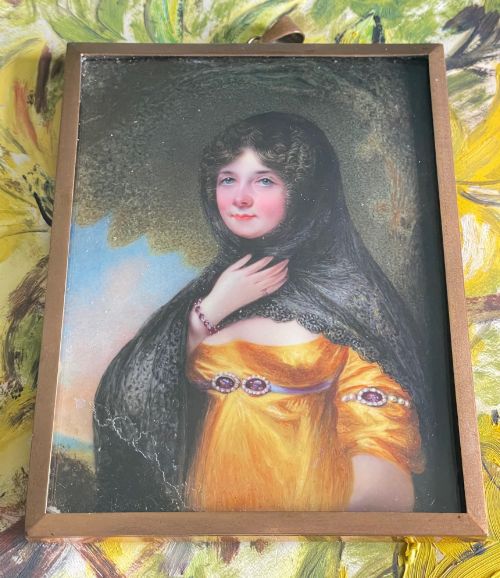
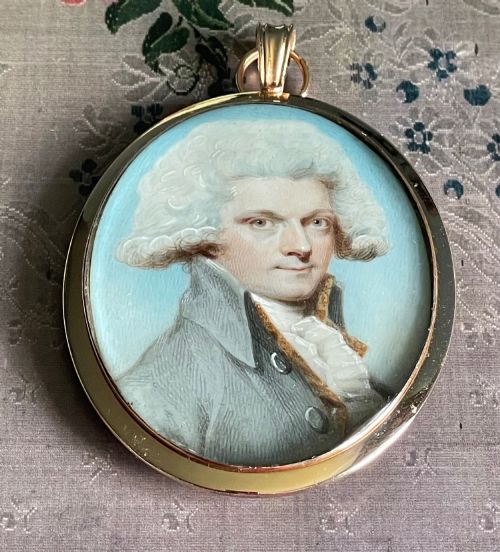
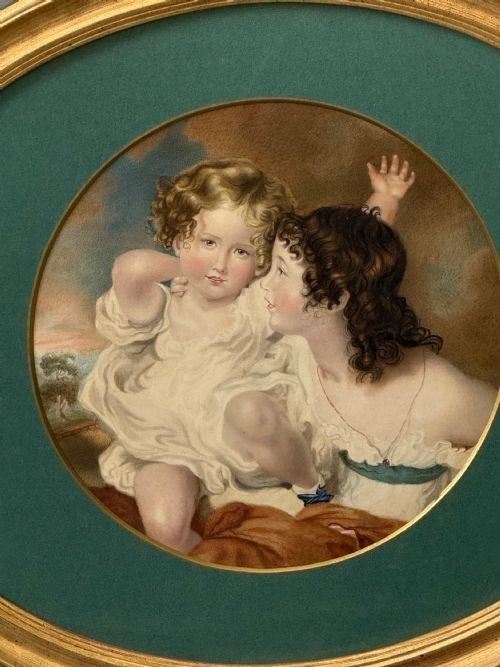
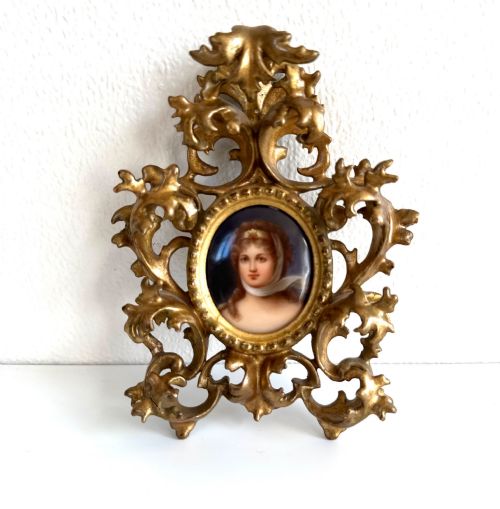
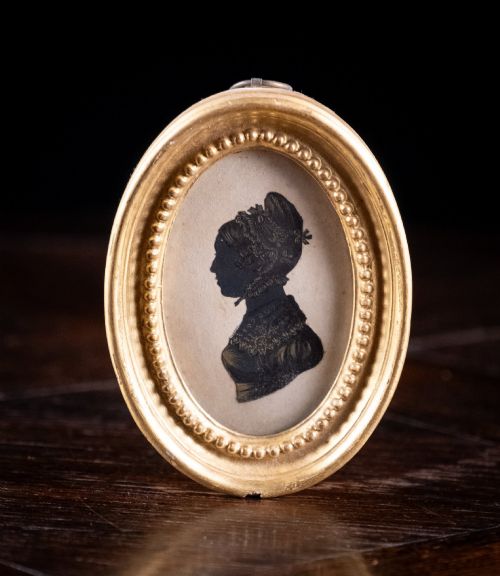
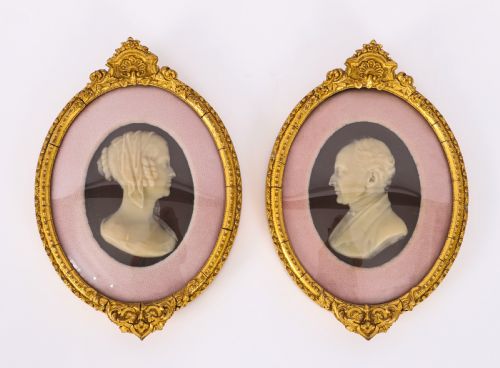
A gold frame miniature comprises small-scale portraits and devotional paintings housed within precious metal or gilded borders, spanning the eighteenth and nineteenth centuries. Buyers searching for a gold frame miniature typically encounter portrait paintings, silhouettes, and wax reliefs executed in watercolour, enamel, or oil. These pieces originate from Georgian, Regency, and Victorian periods, reflecting shifting tastes in portable likenesses.
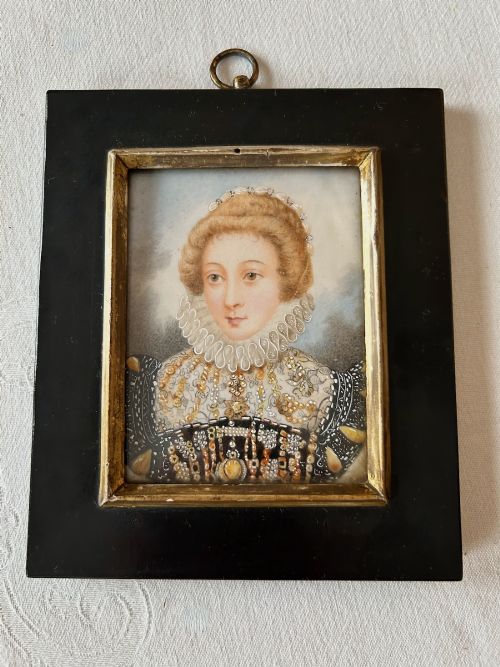
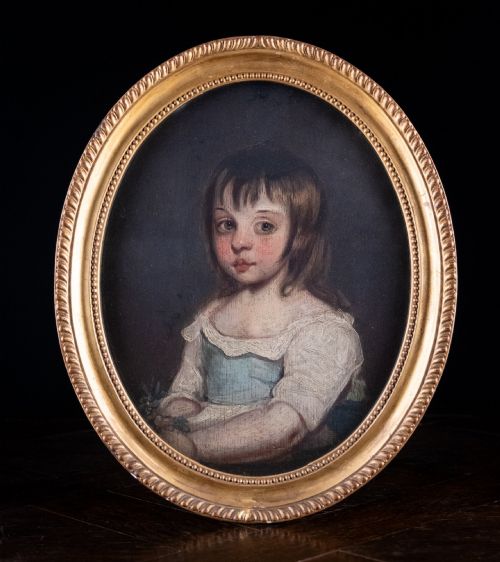
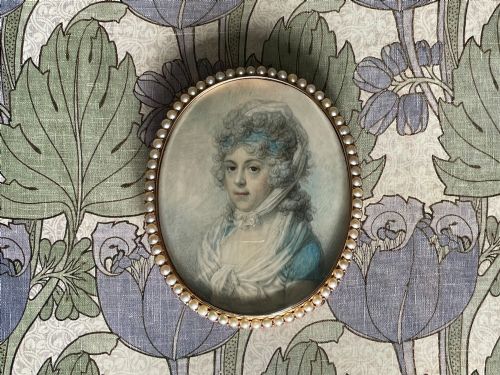
The most common iterations on this page combine delicate watercolours on paper or glass with gilt metal, giltwood, or solid gold surrounds. Many items feature pendant loops or travelling mounts, designed originally for personal wear or desktop display. Portrait subjects range from British nobility and children to European dignitaries and Mughal emperors.
Materials and construction
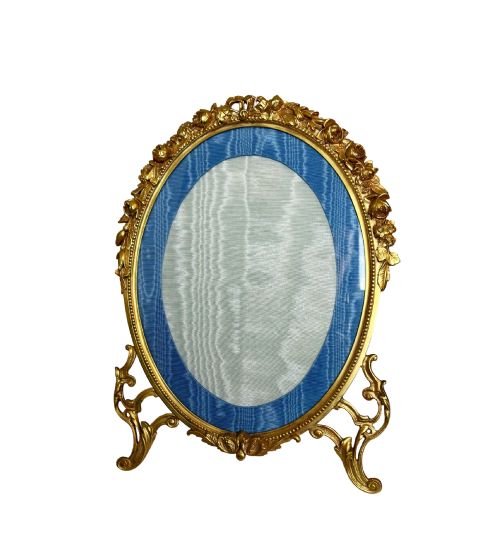
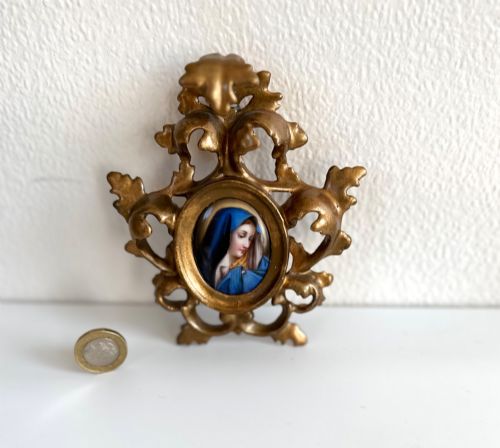
Artisans produced these works using watercolour, gouache, and enamel on paper, glass, or porcelain bases, frequently sealing them beneath protective crystal covers. Frames utilised gold, gilt metal, giltwood, and brass, often cast or chased with ornate rococo motifs and seed pearl embellishments.
Miniaturists worked under magnification to achieve remarkable detail on minimal surfaces, housing the completed paintings in hinged pendants, shadow boxes, or standing mounts. The integration of the gold frame with the painted panel required precision engineering to protect delicate pigments from moisture and friction.
Some nineteenth-century subjects gaze out so intensely you might feel obliged to offer them a cup of tea.
Assessing quality and execution
Quality rests primarily upon the draughtsmanship of the painted portrait and the dexterity shown in facial expression, fabric texture, and lighting. Superior examples demonstrate exceptional brushwork by recorded practitioners, whereas lesser pieces originate from anonymous studio copyists.
The housing equally dictates worth, distinguishing between hand-chased solid gold settings with original glass and later replacement frames of lesser gilt composition. The harmony between the miniature painting and its original enclosing mount remains a key indicator of integrity.
Henri Fradelle·James Sharples·Henry Bone·Horace Hone·Charles Shirreff·Richard Cosway·John Miers·Jean Baptiste van Loo·Frederick Buck·Dumont·Charles Hayter·Christian Friedrich Zincke·William Naish·Raphael·J Bizo
The Gold Frame Miniature Glossary
- Portrait Miniature
- A small-scale painting, usually executed on vellum, ivory, paper, or card, capturing a likeness with intense precision. These works were frequently mounted in lockets or desk frames.
- Enamel
- A material made by fusing powdered glass to a metallic substrate through firing, prized in miniatures for its permanent brilliance and resistance to fading. Artists utilised copper or gold plates as a foundation.
- Gilt Metal
- Base metal treated with a thin layer of gold leaf or gold wash to imitate solid gold. This material provided an accessible alternative for mounting portable art during the Georgian and Victorian eras.
- Silhouette
- A portrait represented as a solid shape of a single colour, usually black, outlined and filled in or cut from paper. John Miers elevated this technique into sophisticated jewellery and framed keepsakes.
- Shadow Box
- A deep, glass-fronted framed container designed to display three-dimensional objects or multi-layered devotional figures. Nevers glass figures frequently appeared in such compartments.
Gold Frame Miniature: Frequently Asked Questions
What are gold frame miniatures?
Gold frame miniatures are small-scale portraits and paintings enclosed in precious metal or gilded borders, created primarily during the eighteenth and nineteenth centuries.
They served as portable tokens of affection, mourning pieces, or personal displays of status among the elite.
How do I date a miniature?
Dating relies upon the costume, hairstyle, and painting technique of the subject, alongside the construction style of the gold or gilt frame.
Georgian and Regency pieces often exhibit distinct silhouettes and watercolour styles, while Victorian examples introduce different mounting formats.
Are these pieces hand painted?
The vast majority of listings feature hand-painted watercolours, enamels, or gouache works executed directly by period artists.
Some later nineteenth-century examples incorporate hand-painted porcelain plaques or precision prints framed in contemporary gilt mounts.