


Gilt Metal Portrait
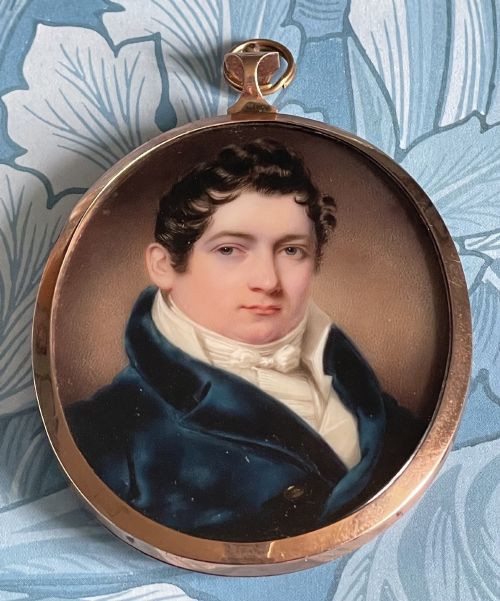
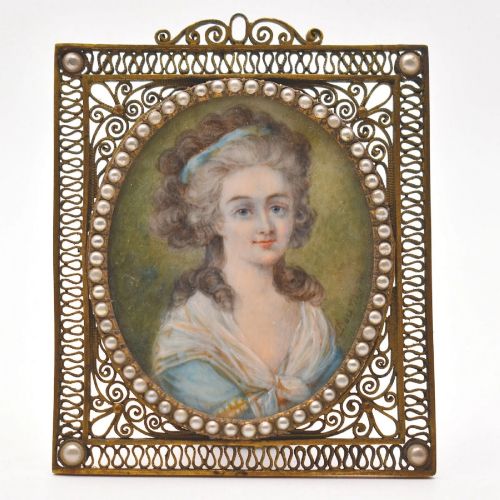
A gilt metal portrait brings together miniature painting and cast metalwork, offering an intimate glimpse into past lives through detailed faces and ornate surrounds.
Gilt Metal Portrait
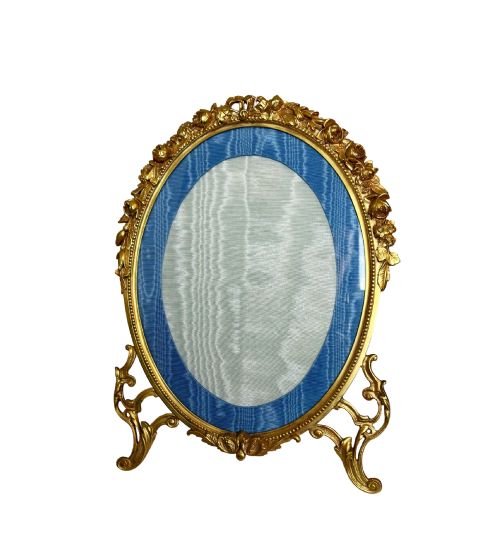
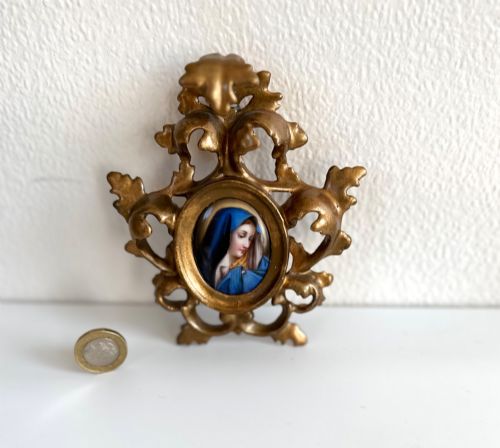
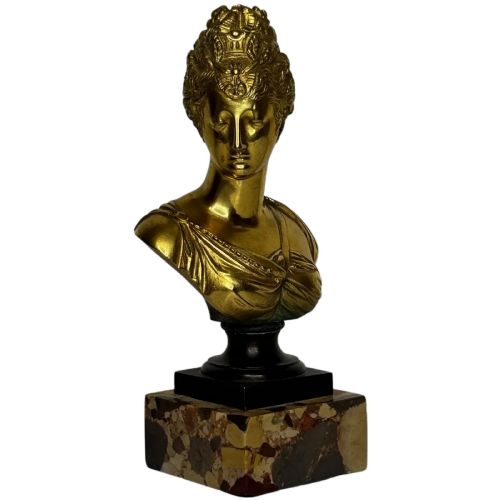
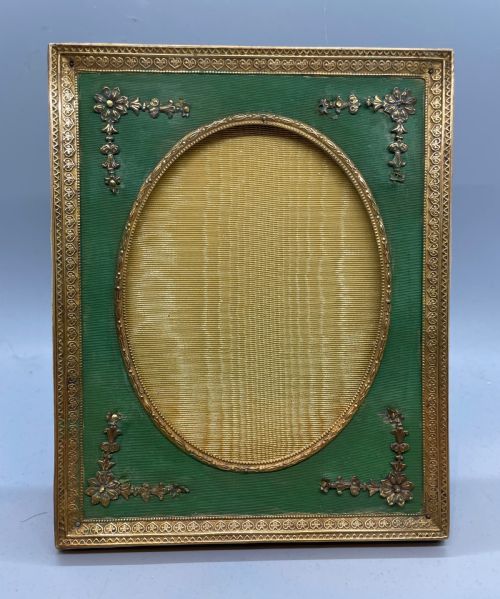
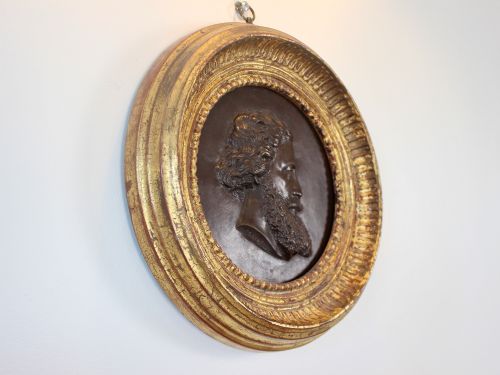
When you search for a gilt metal portrait, you encounter a range of intimate objects including painted miniatures set in metal frames, small relief busts, and framed photographic or painted likenesses. The most frequent examples on this page date from the eighteenth and nineteenth centuries, spanning Georgian and Victorian periods.
Many of these pieces take the form of portable portrait miniatures painted on paper, ivory or porcelain, housed within brass, ormolu, or gilt bronze surrounds. Other variants include wall plaques, heavy cast portrait busts, and elaborately decorated picture frames enclosing historical figures or anonymous sitters.
Materials and construction
Makers utilised base metals such as brass and bronze, applying fire gilding or ormolu finishes to achieve a bright, durable gold-coloured surface. These metal mounts were cast, chased, and occasionally embellished with enamel, glass, or paste stones to frame the central subject.
The portraits themselves rely on watercolour, gouache, enamel, or oil paint applied with fine brushwork to paper or porcelain surfaces. Protective glass covers and seed pearl accents frequently complete the assembly of these detailed miniature works.
A pair of eighteenth-century curtain tie-backs secretly brings miniature enamel portraits into the drapery.
Judging quality in metal and miniature
Quality rests heavily on the crispness of the metal chasing and the depth of the gilding, where hand-finished ormolu displays sharper detail than simpler cast brass. The skill of the portrait painter dictates the overall value, judged by the life in the sitter's eyes and the fine rendering of lace and hair.
The integration between the portrait and its metal housing also matters, as superior pieces feature bespoke frames designed specifically for the miniature rather than later marriages of separate items. Signed works by recorded miniaturists command greater attention from collectors.
John C D Engleheart·Dumont·Mainfroy·William Naish·Emma Kendrick·Henry Jacob Burch·Diana Hill
The Gilt Metal Portrait Glossary
- Ormolu
- Finely ground high-carat gold applied to a bronze base using a mercury amalgamation technique. This historic process produces a warm, lasting lustre distinct from modern electroplating.
- Miniature painting
- A small-scale portrait executed with meticulous brushstrokes using watercolour, enamel, or oil. Artists often worked on ivory, vellum, or prepared paper to achieve high levels of detail.
- Gilt bronze
- An alloy of copper and tin treated with a gold finish to resemble solid precious metal. It provides strength for intricate cast frames and sculptural busts.
- Paste stone
- Faceted glass cut and polished to imitate gemstones such as diamonds or rubies. These stones frequently accent the borders of eighteenth and nineteenth-century frames.
- Chasing
- The manual technique of refining a cast metal surface using hammers and punches. Skilled chasing creates sharp relief and texture on frames and plaques.
Gilt Metal Portrait: Frequently Asked Questions
How were portrait miniatures displayed?
Miniatures were often worn as pendants, kept in velvet-lined travel cases, or displayed on tabletop easels and desks. Some were built directly into larger decorative objects like jewellery caskets or tazzas.
Over time, owners also hung smaller framed portraits on walls alongside larger oil paintings, creating concentrated groupings of family or historical likenesses.
What is the difference between ormolu and brass?
Ormolu specifically refers to gilded bronze, where a layer of gold amalgam rests upon a copper alloy base to give a rich, deep golden tone. Brass is an alloy of copper and zinc that has its own yellower colour and is typically less complex in its surface treatment.
In older pieces, ormolu underwent a fire-gilding process that is now legally restricted, resulting in a distinct finish that does not wear away in the same manner as modern plating.
How do I date an antique frame?
Dating relies on observing the casting techniques, fastening methods, and prevailing decorative styles such as French Rococo Revival or Regency. Heavier hand-chased bronze frames often point to earlier Georgian or nineteenth-century origins, whereas stamped brass backs emerged later.
The materials used for the backing, such as old wood panels or hand-beaten pins, also provide clues to the age of the piece.
Can I polish gilt metal frames?
Cleaning should be limited to gentle dusting with a soft, dry brush to avoid removing the thin layer of historic gilding. Harsh metal polishes will strip away the original ormolu or fire-gilt surface permanently.
If the metal requires deeper cleaning to remove active grime, consult a professional conservator rather than attempting chemical restoration at home.