



Gold Frame Canine Artwork
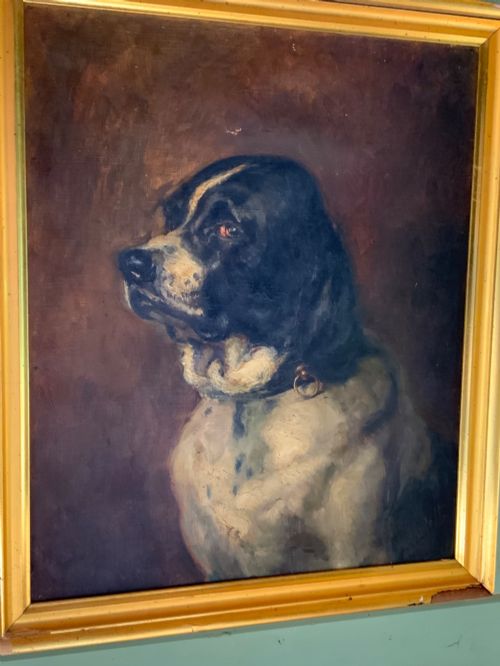
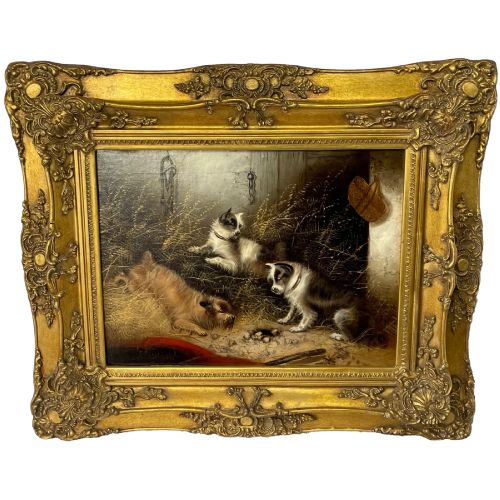
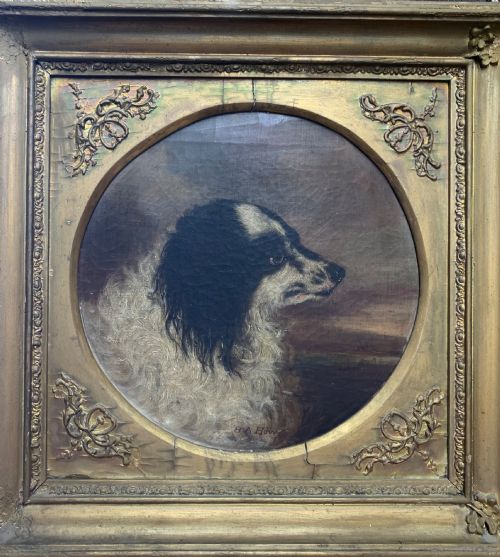
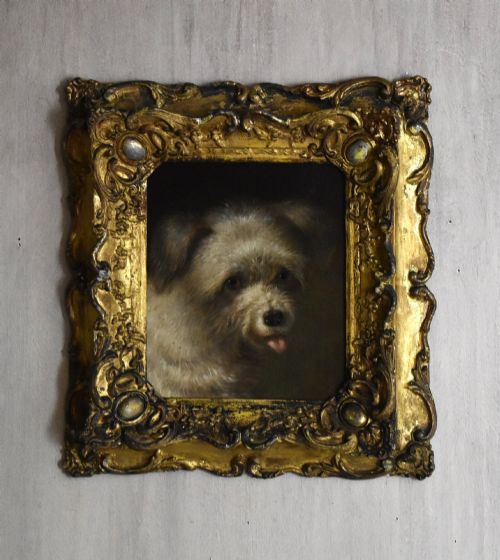
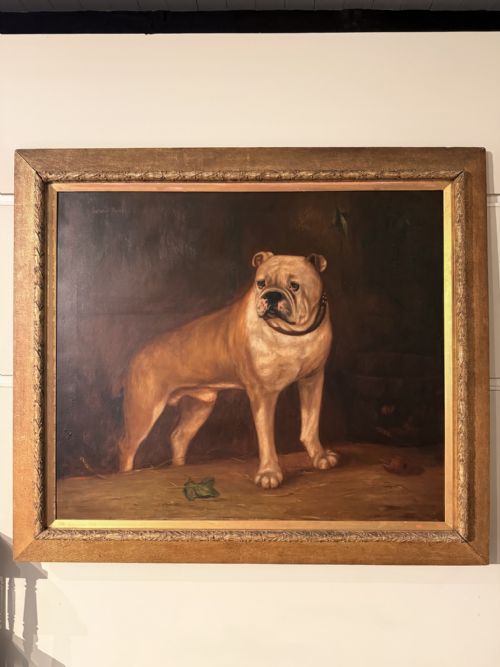
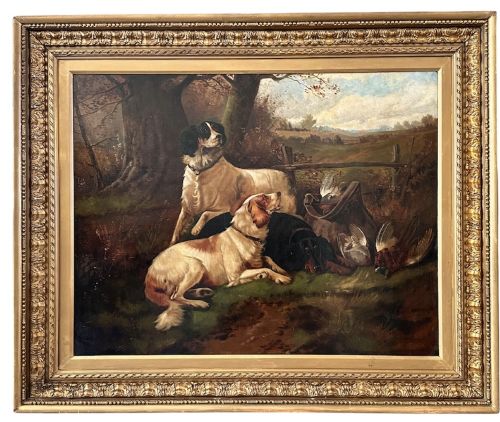
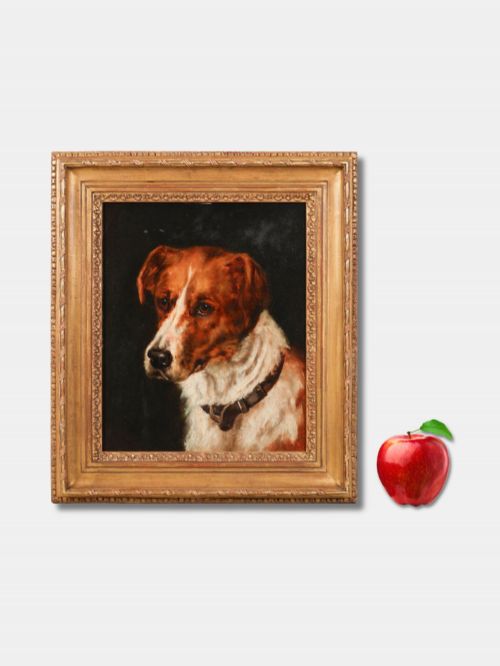
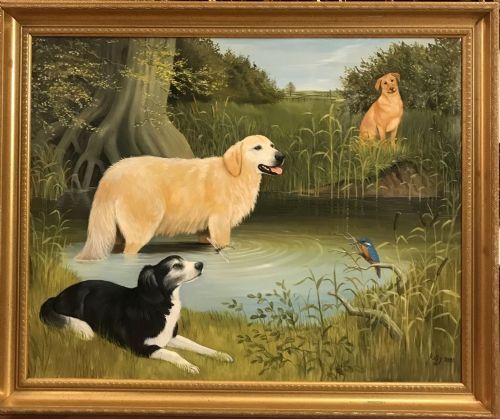
Gold frame canine artwork brings together centuries of sporting portraiture and domestic animal studies housed in gleaming gilded surrounds.
Gold Frame Canine Artwork
When buyers search for gold frame canine artwork, they encounter centuries of oil paintings and watercolours depicting sporting dogs, working hounds, and beloved domestic pets. The pieces span the nineteenth century, Victorian era, and early twentieth century, capturing distinct breeds from spaniels to terriers in landscapes and interiors.
The most common versions met on this page are nineteenth-century oil paintings on canvas or board, set within decorative gilded wooden borders. These range from intimate cabinet portraits of single dogs to large sporting scenes featuring packs of hounds in the field.
The selection also encompasses watercolour paintings, engravings, and pastels housed in period frames, reflecting diverse artistic approaches from traditional realism to sporting art traditions.
Materials and Technique
The foundational canvases and wooden boards receive layers of oil paint or watercolour pigments, applied to capture the texture of canine coats and the light of landscape settings. Artists utilised traditional brushwork to render anatomical precision, whether depicting working gundogs or lapdogs.
The surrounding frames are constructed from wood, shaped and finished with gold leaf, gilt, or giltwood to create a luminous perimeter. These gilded borders often display decorative moulding or gesso ornamentation characteristic of their period of origin.
Several Victorian terriers appear on this page mid-shift, caught guarding cages against remarkably persistent rats.
Assessing Quality
The distinction between tiers of work rests upon the artist's ability to render the subject's anatomy and character with convincing vitality. Finer pieces demonstrate superior draughtsmanship in the structure of the animal and the depth of the surrounding landscape.
Frame craftsmanship similarly dictates overall merit, distinguishing between hand-carved, heavily gilded wooden surrounds and later or simpler replacements. The harmony between the painting's preservation and the integrity of its original gilt frame elevates the standing of the piece.
Valentine T. Garland·Martin Theodore Ward·John Sargent Noble·Arthur Wardle·William Barraud·Samuel Raven·Colin Graeme Roe·John Trivett Nettleship·Jules Chardigny·Alfred Duke·John Emms·George Earl·Florence Mabel Hollams·Philip Eustace Stretton·James Ward·Charles Bilger Spalding·George Stubbs·Henry Frederick Lucas-Lucas·George Armfield·Arthur Alfred Davis·Robert Cleminson
The Gold Frame Canine Artwork Glossary
- Giltwood
- Wood that has been coated with gold leaf or thin gold paint for decorative effect. This finish defines the classic antique picture frame.
- Oil on Canvas
- Pigment mixed with drying oil applied to a stretched woven fabric support. It remains the principal medium for traditional animal portraiture.
- Sporting Art
- Genre of painting dedicated to depicting field sports, horses, and hunting dogs. These works often record prized working animals of the landed gentry.
- Gesso
- A plaster mixture applied to wooden frames as a smooth base before gilding. Intricate ornamental details are often moulded directly into this layer.
Gold Frame Canine Artwork: Frequently Asked Questions
What breeds appear most frequently in these paintings?
Spaniels, terriers, setters, and hounds dominate the selections, reflecting their popularity in historic sporting and domestic life.
Artists frequently recorded working dogs alongside game or within country estates, preserving specific regional types from past centuries.
How do I determine the age of the frame?
Period frames often display traditional joinery, hand-applied gesso decoration, and patinated gold leaf that shows natural signs of ageing.
Checking the construction at the reverse helps distinguish original housing from later replacements.
Are these works signed by the artist?
Many pieces bear signatures, monograms, or attribution notes on the canvas or board, while others remain unsigned works from known artistic circles.
Attributions are typically established through stylistic comparison, subject matter, and historical provenance.
How should I hang and light these paintings?
These works suit traditional or contemporary interiors, placed away from direct sunlight to protect sensitive pigments and gilded surfaces.
Subtle picture lighting enhances the reflective quality of the gold frame without generating excessive heat.