
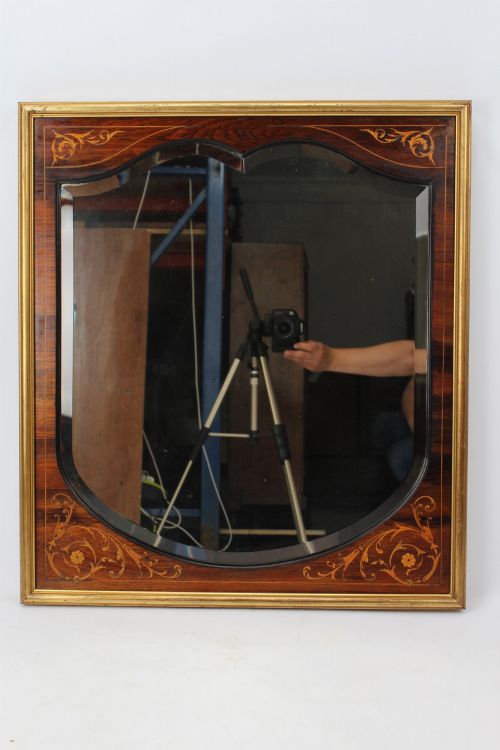


Gold Floral Hanging Mirror
A gold floral hanging mirror brings naturalistic motifs and gilt surfaces into a room, offering both reflection and sculptural wall presence.
Gold Floral Hanging Mirror
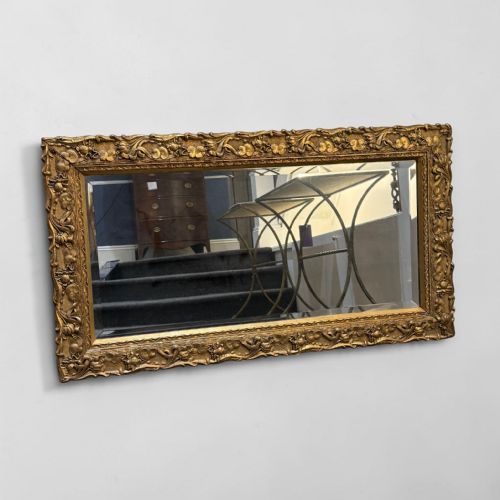
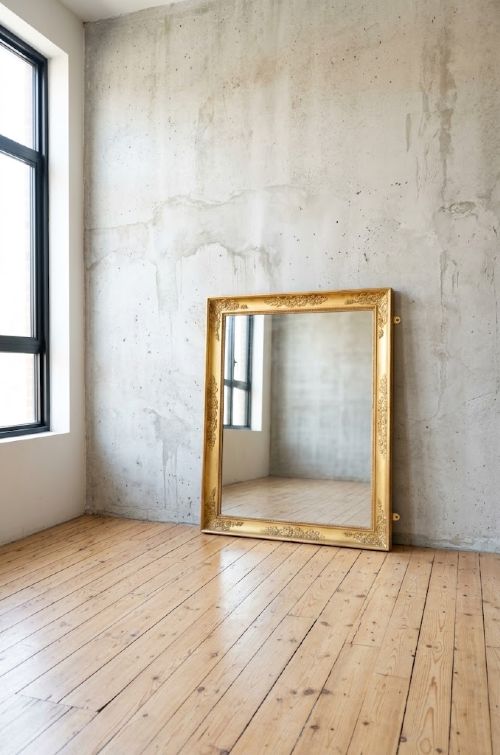
A gold floral hanging mirror combines reflective glass with botanical ornament, taking the form of wall mirrors and overmantel mirrors across this selection. These pieces date from the eighteenth century through the Victorian and Edwardian eras, spanning periods such as the nineteenth century and nineteen hundred.
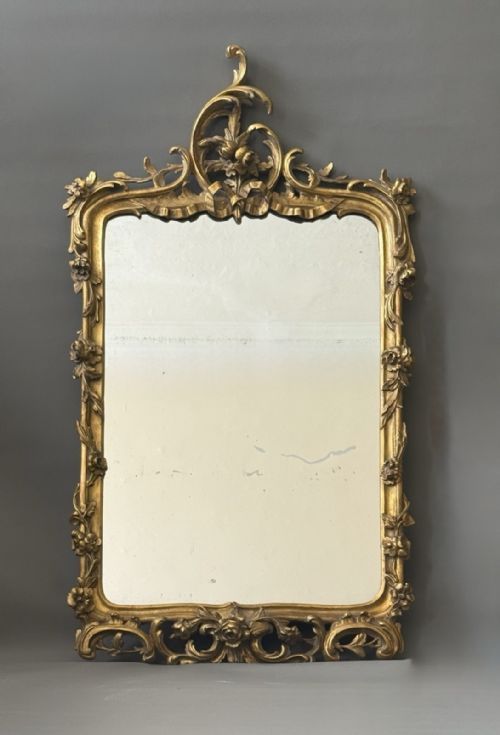
The dominant aesthetic draws heavily on continental influences, notably French Rococo, Louis XVI, and Napoleon III revivals, alongside distinct Victorian interpretations. Buyers frequently encounter frames adorned with carved flowers, vines, and cresting, executed in traditional formats designed for hanging.
Origins range from eighteenth-century French ateliers to nineteenth-century British workshops, uniting diverse regional craftsmanship under the banner of gilded floral decoration. Each piece reflects the decorative priorities of its period, balancing functional reflection with elaborate botanical ornamentation.
How they were made
Construction relies upon timber foundations, including rosewood and general wood framing, upon which gesso is applied to build up relief details. Artisans then carve floral elements, vines, and mythological motifs directly into the prepared surface before applying gold leaf or gilt finishes.
Mirror plates vary between surviving antique glass and replacement plates, reflecting the longevity and maintenance history of each individual object. The integration of carved wood and gesso allows for deep, intricate relief work that defines the floral character of these frames.
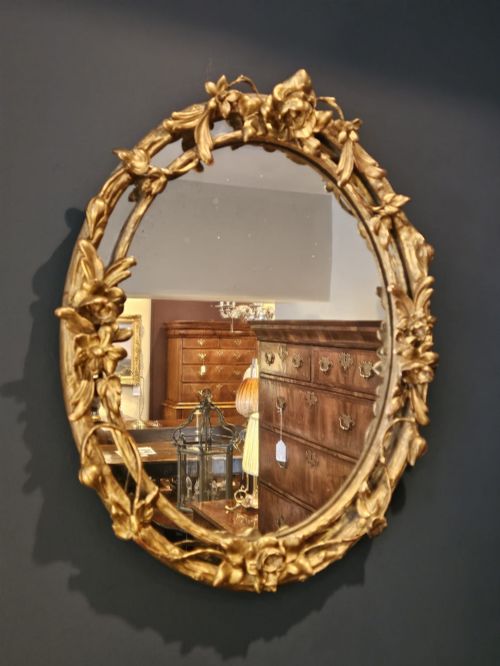
Rose vines climb permanently across eighteenth and nineteenth-century wood frames, allowing perpetual blooms indoors without the need for watering.
What varies in quality
Depth and precision of the carving separate standard production from finer examples, particularly in the rendering of botanical details like rose vines and floral crests. Crisp undercut work on wooden elements demonstrates a higher level of workshop skill than simplified moulded gesso.
The integrity of the original gilding and the character of the antique glass plate significantly influence the visual weight and historical authenticity of a mirror. Superior pieces maintain harmonious proportions between the ornate frame and the reflective surface, avoiding clumsy transitions in the carved elements.
The Gold Floral Hanging Mirror Glossary
- Giltwood
- Wood that has been coated with gold leaf or a gold-coloured finish. This material forms the primary structure of many antique decorative frames.
- Gesso
- A plaster-like mixture applied to wood frames to create a smooth surface for carving and gilding. It allows artisans to shape intricate relief ornamentation.
- Overmantel mirror
- A large wall mirror specifically designed to hang above a fireplace mantel. These pieces often feature extended horizontal proportions and elaborate cresting.
- Rococo
- An ornate design style characterised by asymmetrical curves, scrollwork, and naturalistic plant motifs. This style heavily influences French floral and scroll mirrors.
- Antique plate
- The original glass mirror panel retained within a historic frame. Such glass often exhibits subtle age oxidation and imperfections characteristic of older manufacturing methods.
Gold Floral Hanging Mirror: Frequently Asked Questions
Where should I hang a heavy gold mirror?
These mirrors require secure wall fixings anchored directly into structural studs or masonry due to the combined weight of timber, gesso, and glass.
Positioning them at eye level or above a mantelpiece ensures the carved floral details and gilt surfaces catch ambient room light effectively.
How do I clean antique gilt frames?
Dusting gently with a soft, dry brush prevents accumulation in the crevices of carved floral and vine motifs without disturbing the fragile gold leaf.
Moisture and chemical cleaners must be avoided entirely to protect the underlying gesso and historical gilt surfaces from permanent damage.
Are replacement mirror plates acceptable?
Many surviving frames have received new glass over the centuries to maintain a clear reflection while preserving the original antique structure.
Original antique plate retains historical character, but replacement glass offers functional clarity for daily use within a modern interior.
How do I identify a Victorian floral mirror?
Victorian examples frequently incorporate specific botanical themes like rose vines and timber substrates such as rosewood alongside traditional gilding.
Comparing the carving style against documented nineteenth-century design patterns helps distinguish these pieces from later reproductions.