



Gold Enamel Miniature Portrait
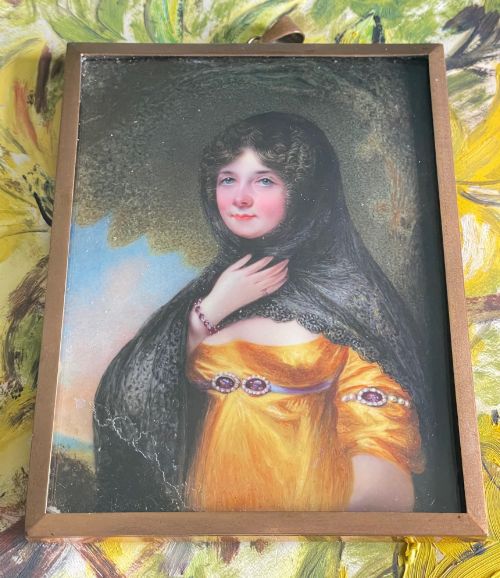
A gold enamel miniature portrait captures the intimate likeness of a sitter within precious metal and fused vitreous glass.
Gold Enamel Miniature Portrait
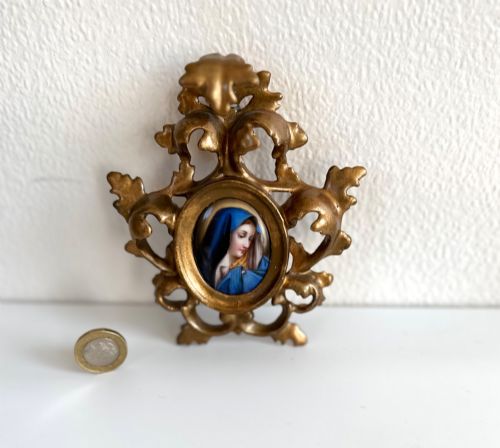
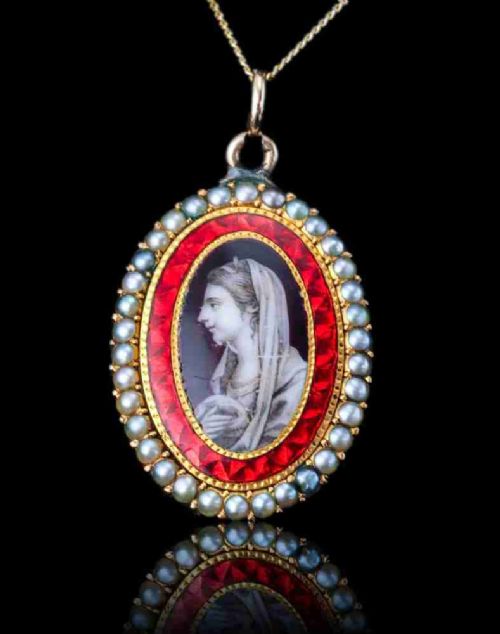
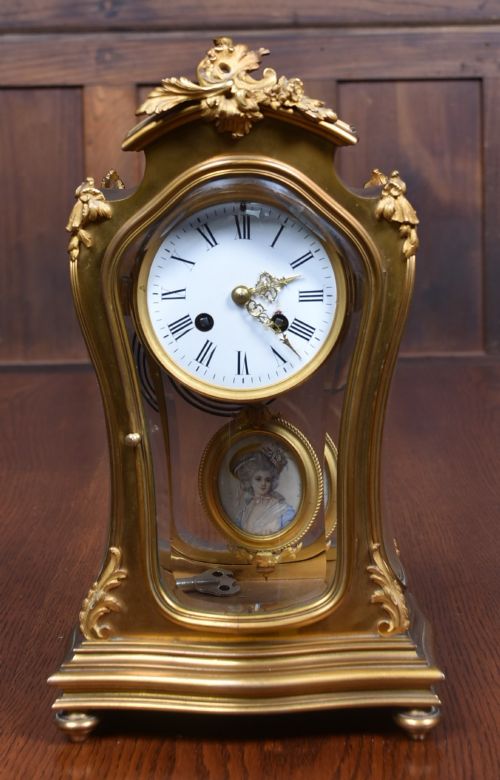
A gold enamel miniature portrait combines delicate portrait painting with precious metalwork, originating primarily across Georgian and Victorian periods. These pieces appear as pendants, lockets, rings, brooches, and occasional decorative objects such as snuff boxes and clocks.
Buyers encountering this selection will frequently find items executed in 9ct and 18ct gold, alongside gilt bronze and copper mountings. Many examples feature named sitters, biblical subjects like the Madonna, or historical figures including Napoleon and Prince Albert.
Origin points span British workshops and continental centres, notably French makers producing Limoges enamels and ormolu frames. The forms range from simple wearable pendants to elaborate mantle clocks bearing signed miniatures.
Materials and construction
Makers utilised gold, gilt metal, and copper as a base for vitreous enamel painting, fusing powdered glass to metal surfaces under high heat. This technique protected the delicate pigments from fading and moisture over centuries.
Evaluating craftsmanship and execution
Quality rests in the precision of the portrait painting and the weight and purity of the gold mountings. Pieces executed by recorded artists demonstrate superior facial detail and tonal control compared to unsigned workshop output.
The sophistication of the mounting - whether an intricate 18ct gold pendant frame, an ormolu casket, or a heavy gold ring - separates standard pieces from exceptional examples. Preservation of the enamel surface without cracking or restoration also dictates the standing of a piece.
Henry Bone ARA·Horace Hone·Christian Friedrich Zincke·Jean Baptiste Isabey·Henry Pierce Bone
The Gold Enamel Miniature Portrait Glossary
- Enamel
- Vitreous material fused to a metal substrate through high-temperature firing. This glossy coating protects the delicate painted portrait beneath.
- Ormolu
- Gilded bronze or brass mounts used extensively in French decorative arts. It provides an ornate framing for porcelain and enamel plaques.
- Sepia
- A dark brown pigment derived from cuttlefish, used in monochrome miniature painting. It creates a warm, tonal effect popular in Georgian mourning and sentimental jewellery.
- Limoges
- A French city renowned for its enamel production spanning centuries. Pieces from this region often feature rich polychrome decoration on copper plaques.
Gold Enamel Miniature Portrait: Frequently Asked Questions
How were portrait miniatures worn?
These pieces served primarily as personal ornaments, suspended from chains as pendants or secured to garments as brooches. Many doubled as secretive lockets to keep a loved one's likeness close to the heart.
Ring mounts also allowed wearers to display portraits of family members or monarchs directly on the hand.
How do I date an enamel portrait?
Dating relies upon costume details, hairstyles, and the specific composition of the metal mountings. Georgian pieces often display powdered hair and simpler frames, while Victorian examples introduce heavier 18ct gold settings and varied Revival styles.
Inscribed signatures or hallmarks on the gold provide further chronological markers.
Can I wear a portrait ring daily?
While durable, these items contain fragile glass enamel and antique gold settings that require mindful care. Frequent knocks can damage the vitreous surface or dislodge the tiny portrait.
Reserving them for careful occasional wear preserves the delicate painted details.