
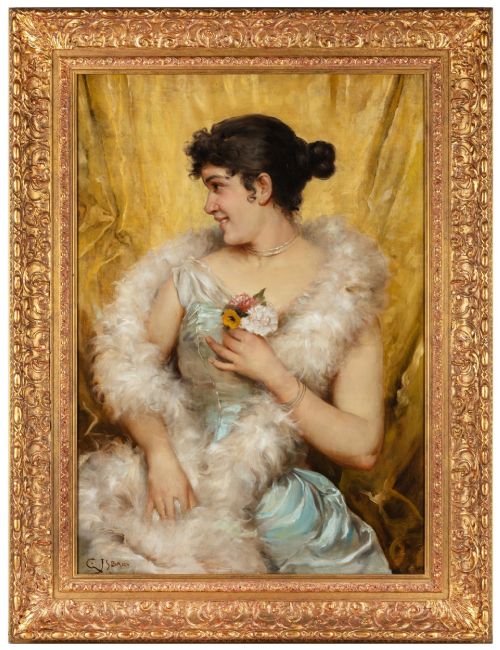
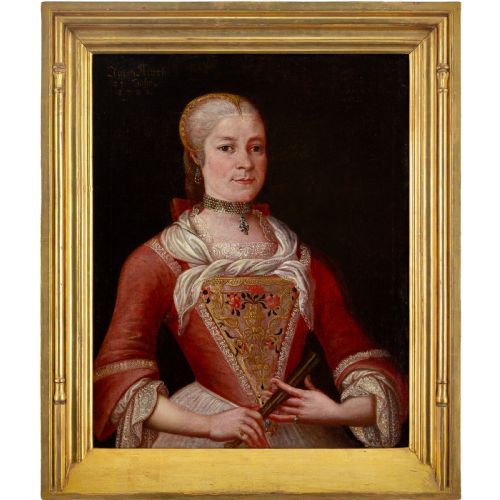
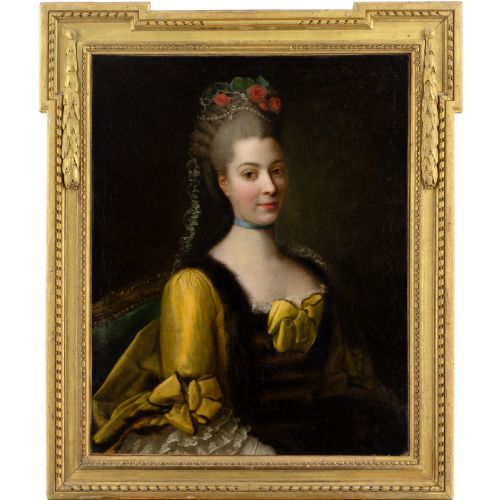
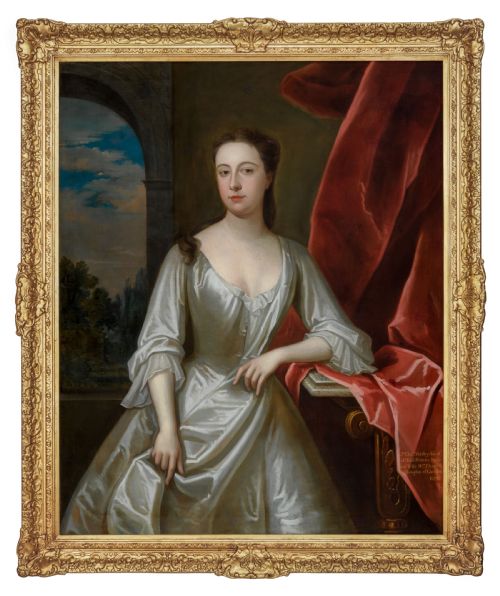

Gold Dress Oil Painting
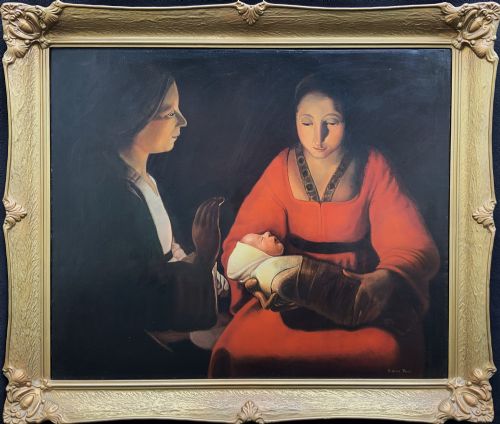
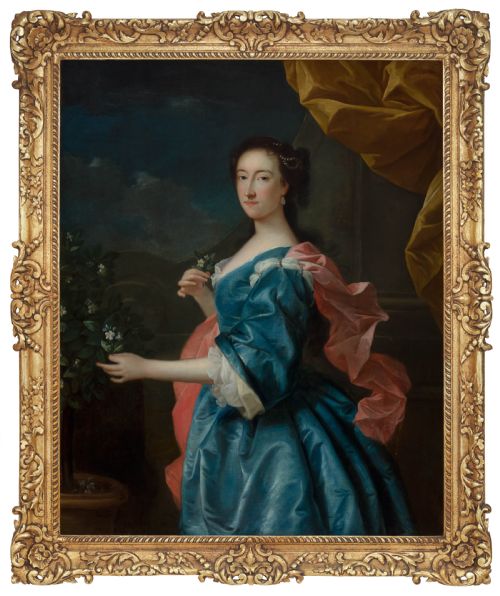
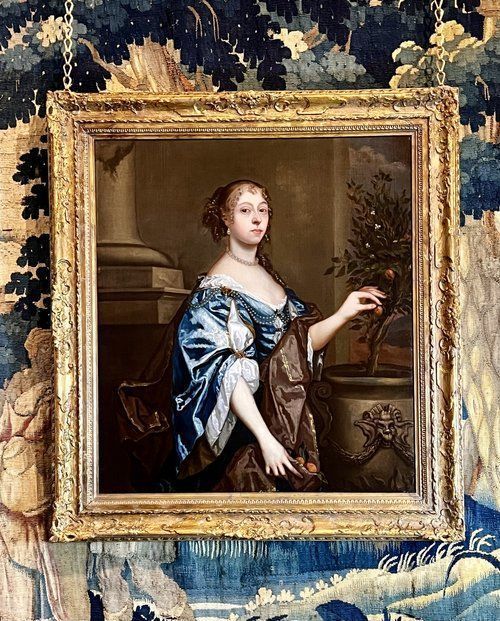
When you search for a gold dress oil painting, you find historical portraits where luminous fabrics catch the light on canvas.
Gold Dress Oil Painting
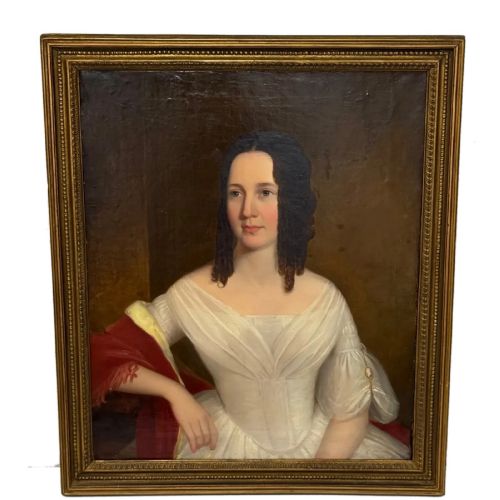
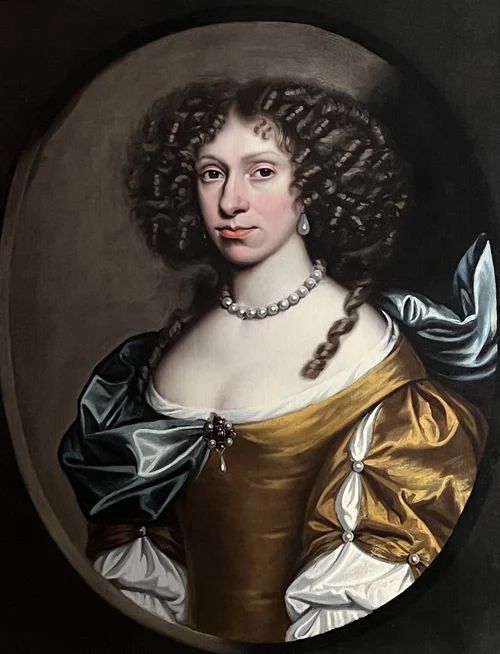
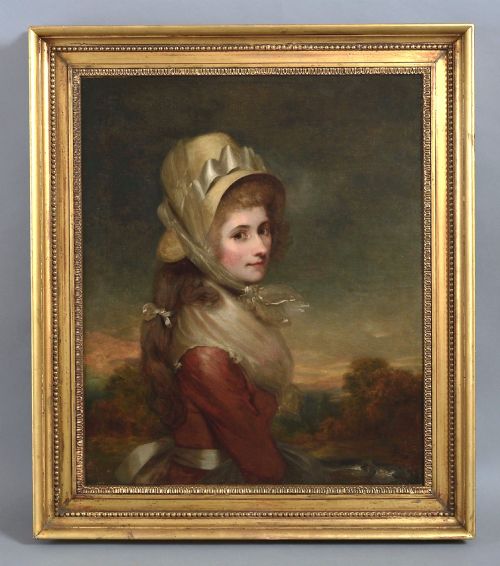
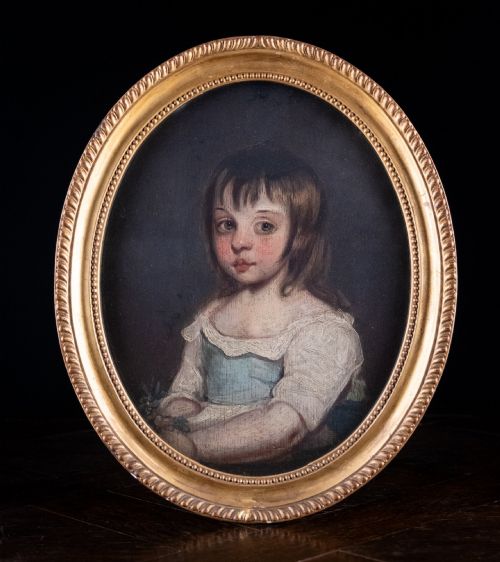
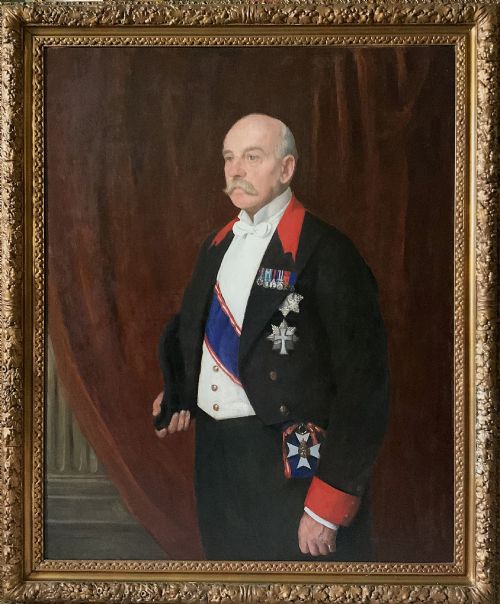
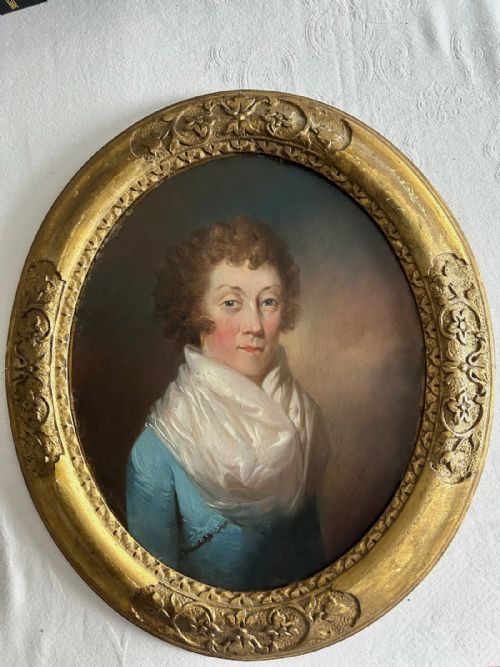
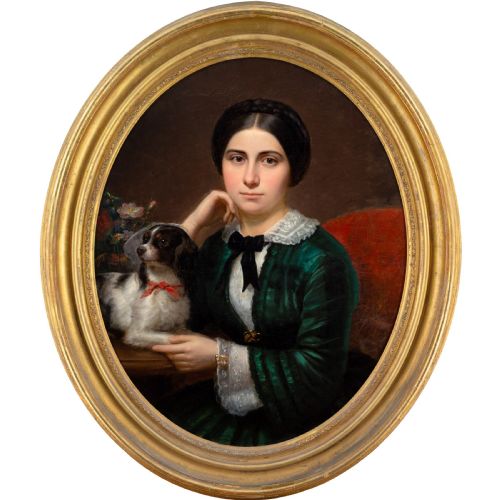
A gold dress oil painting captures historical sitters, often aristocratic women or children, rendered in rich fabrics across various European schools.
The selections on this page span from the seventeenth century through the Victorian era and into the early twentieth century, showing shifting fashions in portraiture.
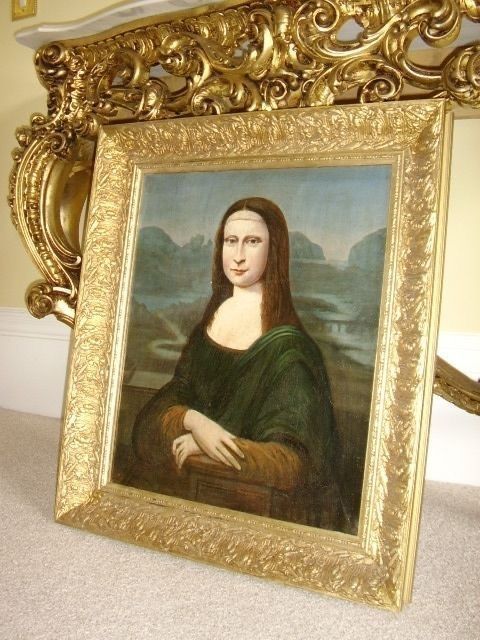
Most examples present framed oil paintings on canvas, encompassing both formal grand manner works and more intimate provincial or naive studies.
How they were made
Artists applied oil paint to stretched canvas, utilising layered pigments to build depth in the fabrics and flesh tones.
Frames frequently incorporate wood embellished with gold leaf or gilt wood, complementing the warm metallic tones within the pigment on the canvas.
Several ladies brought their favourite dogs and one brought an orange tree to keep them company on the canvas.
What varies in quality
The success of a portrait rests upon the artist's handling of light on textile folds and the psychological depth of the sitter's expression.
Superior works demonstrate confident brushwork in rendering intricate lace, silk, and the reflective sheen of golden garments, whereas lesser examples remain stiff and flat.
G. J. S. Bary·Sir Godfrey Kneller·David Scougall·Jeremiah Davison·Pieter Borsseler·Pietro Fachetti·Michael Dahl·John Greenhill·Attilio Toro·Nicolas Fouché·Edwin Thomas Roberts·John Horsburgh
The Gold Dress Oil Painting Glossary
- Oil on Canvas
- A painting medium where pigments suspended in drying oils are applied to a woven fabric support. This combination allows for rich blending and subtle luminosity.
- Giltwood
- Wood carved and then covered with a thin layer of gold leaf or gold paint. It provides a reflective, ornate border for traditional oil paintings.
- Baroque
- An artistic style prevalent from the seventeenth century characterised by drama, deep shadow, and dynamic movement. Portraits from this period often feature theatrical drapery.
- Naïve Art
- Artwork created by a person without formal academic training in perspective and proportion. These pieces possess a charming directness and folk art appeal.
- Attributed To
- A term used when a work is considered by stylistic comparison to be by a specific artist, though without absolute documentation.
Gold Dress Oil Painting: Frequently Asked Questions
How do I date an old portrait?
Dating relies heavily on the sitter's costume, hairstyle, and the construction methods of the canvas and stretcher frame. Comparing the brush technique to known regional schools also narrows the timeframe.
Written inscriptions on the reverse or period framing often provide secondary clues, though labels can sometimes belong to a later restoration.
What is the difference between school and circle?
A school designation indicates a painting produced in a particular region or following a specific teaching tradition during a given era. It does not mean the named artist touched the canvas.
Circle denotes a painter who worked in close association with a master, absorbing their style and methods directly within their workshop environment.
How should I care for an oil painting?
Keep the canvas away from direct sunlight, damp environments, and rapid temperature fluctuations that cause the paint layer to crack or warp. Dust the surface very gently with a soft, dry brush without applying pressure.
Avoid using any liquid cleaners or attempting amateur restorations, as nineteenth-century varnishes are particularly sensitive to moisture.
Why do some portraits show animals?
Pets, particularly small dogs or exotic birds, were included to symbolise loyalty, status, or domestic virtue. They also added a touch of personal character to formal aristocratic commissions.