



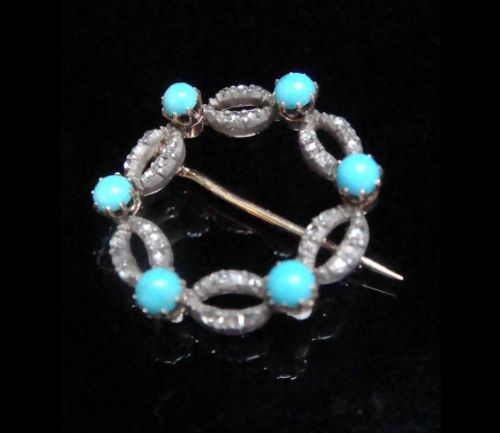


Gold Diamond Lapel Pin
A gold diamond lapel pin brings a touch of period elegance to a lapel, offering an enduring piece of wearable history from the Victorian, Edwardian, and mid-century eras.
Gold Diamond Lapel Pin
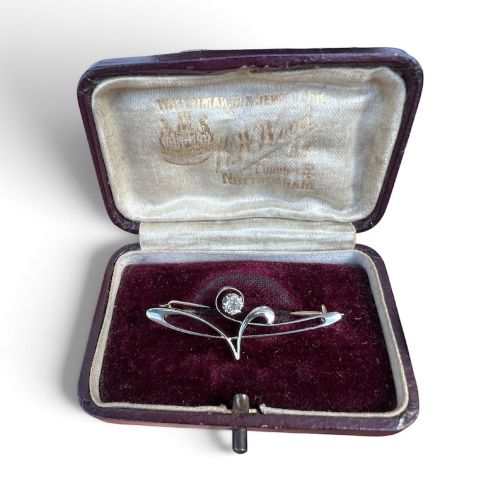
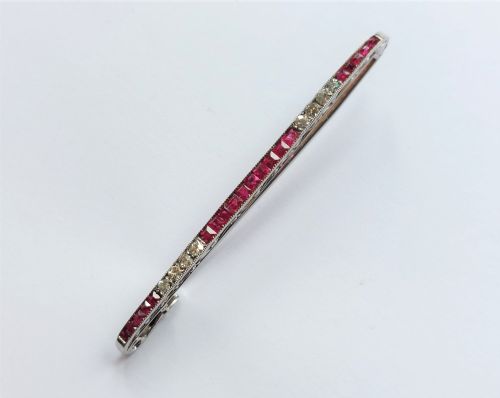
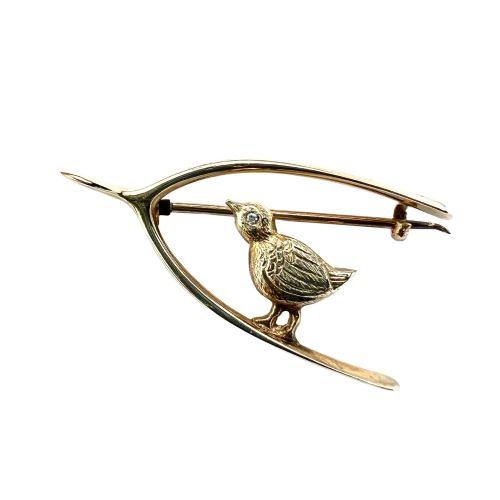
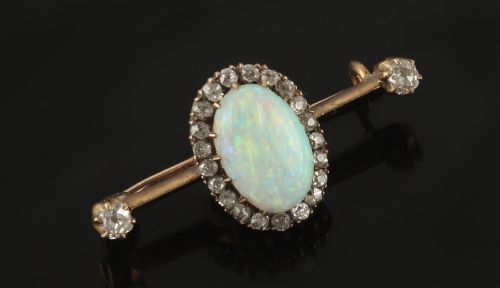
A gold diamond lapel pin encompasses a variety of antique forms, including bar brooches, stick pins, and figural jabot pins designed to secure a lapel or tie. When searching for a gold diamond lapel pin, a buyer encounters pieces originating from the late nineteenth century through to the mid-twentieth century.
The selections span distinct stylistic movements such as Victorian, Edwardian, Art Nouveau, Art Deco, and mid-century design. Figural motifs like birds, bicycles, and crescent moons sit alongside geometric bar designs, showcasing the wide creative range of past workshops.
Materials and construction
Gold forms the structural core of these pieces, utilised in varying purities from nine carat up to twenty-two carat yellow, rose, and white gold, alongside platinum and silver top settings. Metals were often combined in early twentieth-century jewellery to provide a bright white surface for diamond settings while retaining the warmth of gold underneath.
Diamonds appear in old cuts, rose cuts, and early brilliant cuts, hand-set into collets, star settings, or delicate millegrain edges. Additional gemstones such as rubies, sapphires, emeralds, and pearls frequently accompany the diamonds, secured with traditional artisan bench techniques.
The inventory spans multiple periods, with Edwardian and Victorian pieces appearing alongside 1960s designs.
Distinguishing quality in period pins
Quality in a gold diamond lapel pin rests upon the precision of the metalwork and the harmony of the design rather than sheer scale. Finer examples display crisp hand-engraving, secure stone settings without excess metal crowding the gems, and well-balanced proportions that sit flat against the fabric.
The artistry of the maker elevates a piece, particularly in figural or novelty items where anatomical detail or organic motifs demand superior carving and assembly. Pins that retain their original mechanics, working clasps, and unpolished surfaces demonstrate longevity and careful preservation.
Kutchinsky·Ben Rosenfeld
The Gold Diamond Lapel Pin Glossary
- Bar brooch
- A narrow horizontal pin featuring central gemstone clusters or decorative motifs. This form gained immense popularity during the Victorian and Edwardian periods.
- Stick pin
- A long pin with a decorative head designed to secure neckties, lapels, or scarves. They often double as miniature lapel ornaments.
- Millegrain
- A decorative technique featuring a row of tiny raised metal beads along the edge of a setting. It creates a soft, textured border around diamonds.
- Cannetille
- An intricate form of goldwork utilising fine fine wires and tiny metal granules to create a lace-like texture. It is frequently seen on mid-nineteenth-century pieces.
- Old-cut diamond
- A hand-faceted diamond cut before modern machinery standardised proportions. These stones typically feature smaller tables and higher crowns, glowing warmly under candlelight.
Gold Diamond Lapel Pin: Frequently Asked Questions
How do I wear a lapel pin safely?
Secure the pin by passing the stem through the lapel fabric and locking it firmly with its original safety clasp, catch, or protective cap. For heavier items, ensure the weight distributes evenly across a sturdy weave to prevent the fabric from sagging.
Position the pin on the left lapel, ideally aligned with the buttonhole or slightly below the collar notch. This placement follows traditional tailoring customs and keeps the decorative head balanced.
Were these pins originally meant for lapels?
Many pieces began their lives as stick pins, cravat pins, or general brooches pinned to bodices and hats before finding a new home on modern lapels. Victorian and Edwardian wardrobes utilised small jewelled pins across various garments to fasten lace, scarves, and lapels alike.
As fashion evolved through the mid-century, traditional stick pins and small bar brooches naturally migrated to jacket lapels. Their versatile sizes make them well-suited for contemporary tailoring without overwhelming the fabric.
How do I date a diamond lapel pin?
Examine the metal combinations and setting styles, as platinum tops over yellow gold often indicate an Edwardian or Art Deco origin. The cut of the diamond also offers clues, with rose cuts and chunky old European cuts pointing towards the Victorian and Edwardian eras.
Maker's marks, hallmarks, and registration numbers stamped on the reverse provide precise chronological markers. Comparing the overall motif, such as organic Art Nouveau curves versus geometric Art Deco lines, further narrows down the decade of creation.