




Gold Diamond Drop Pendant
When searching for a gold diamond drop pendant, buyers encounter centuries of wearable work spanning Victorian opulence to mid-century modern clarity.
Gold Diamond Drop Pendant
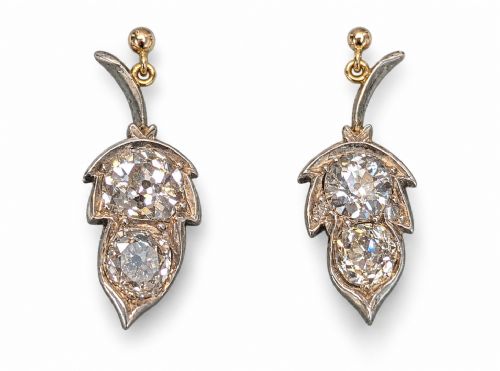
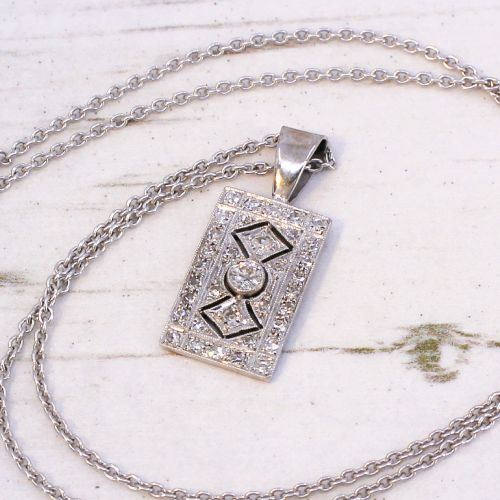
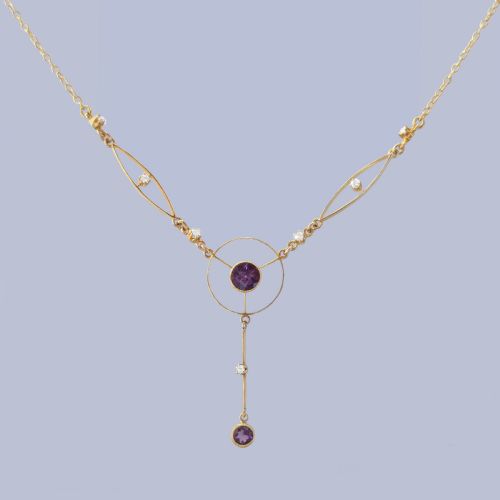
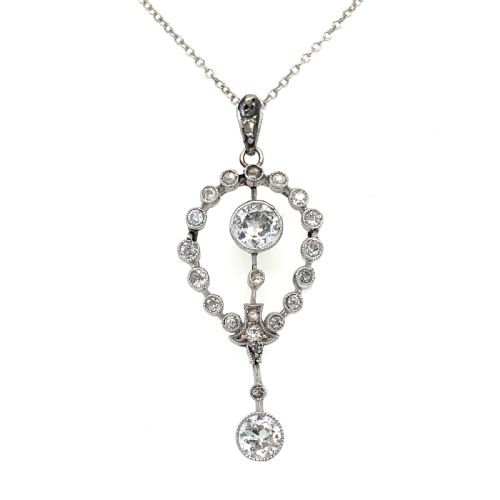
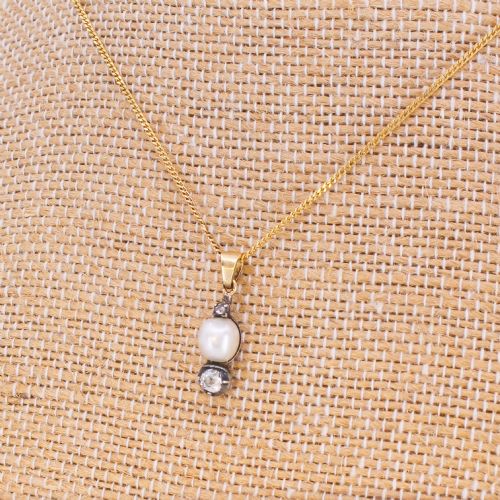
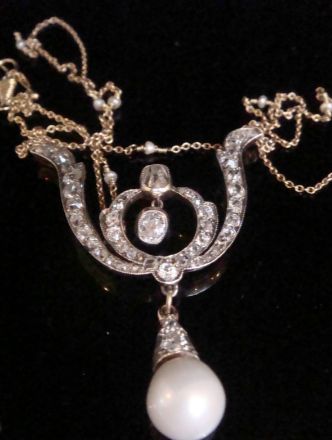
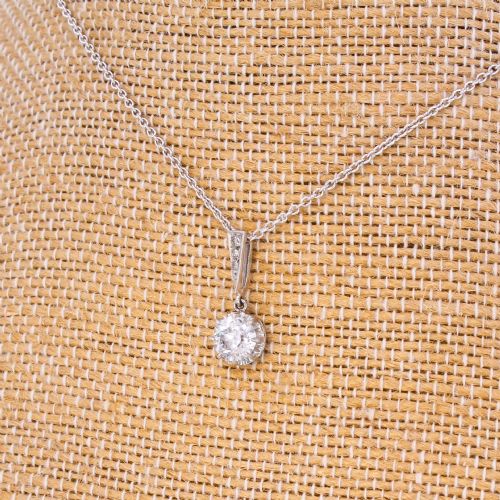
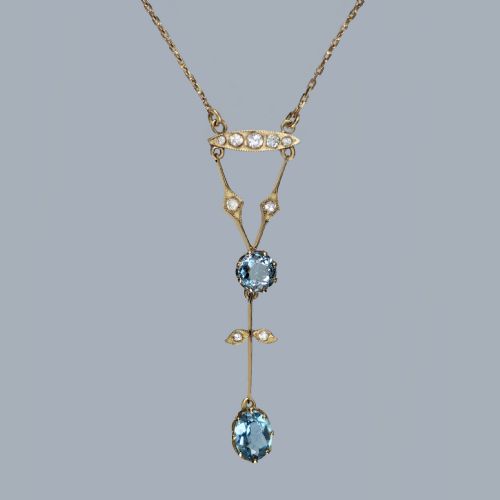
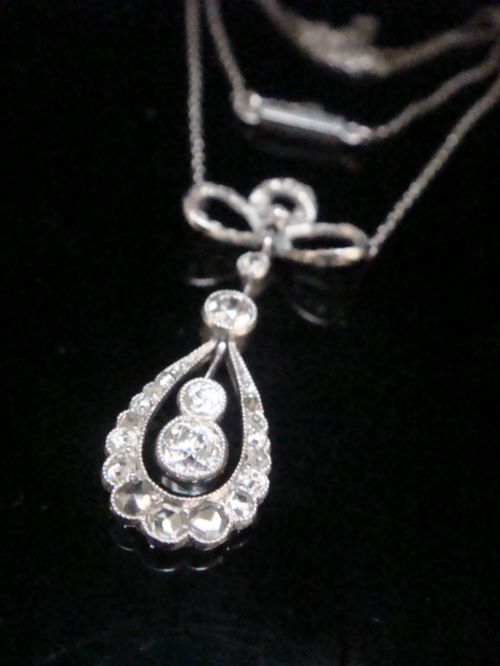
A gold diamond drop pendant suspends a cluster or single stone from a chain, drawing the eye downward with movement. These pieces range from delicate Edwardian garland necklaces to geometric Art Deco drops and later twentieth-century designs.
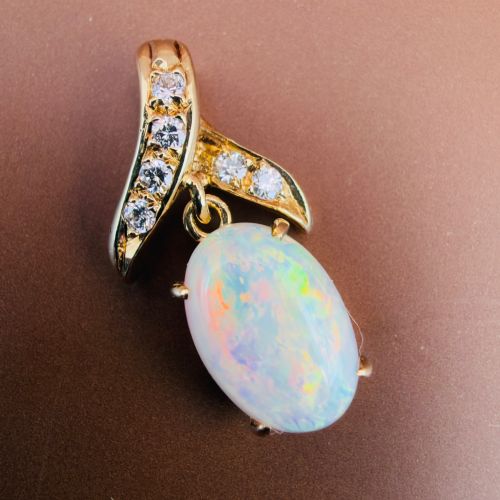
Many examples combine diamonds with coloured gems such as aquamarine, opal, pearl, or amethyst, set against yellow gold, white gold, or platinum mounts. The pieces vary from intricate antique lavaliers to streamlined solitaire drops.
What varies in quality
Quality rests in the harmony of the design and the integrity of the metalwork, where fine piercing and delicate wirework elevate a piece above standard production. The selection and matching of central stones, whether diamond or accent gems like opal and aquamarine, dictate the overall balance.
Wear over decades can thin delicate bails and claws, making original unaltered condition a key marker of a superior survival.
Several pieces incorporate whimsical animal forms, such as an elephant cluster pendant alongside traditional floral motifs.
The Gold Diamond Drop Pendant Glossary
- Lavalier
- A pendant featuring a suspended drop, popular during the Edwardian era and often incorporating pearls or coloured gemstones alongside diamonds.
- Milgrain
- A decorative beaded or crimped border along the edge of a metal setting, frequently seen in Edwardian and Art Deco jewellery.
- Old-cut
- A diamond cut by hand before modern machinery, characterised by a smaller table, higher crown, and open culet.
- Bezel set
- A method where a thin collar of metal surrounds and holds the stone in place by its girdle.
- Drop pendant
- A necklace design where an element hangs below the main chain line, adding movement when worn.
Gold Diamond Drop Pendant: Frequently Asked Questions
How do I date a diamond drop pendant?
Dating relies on examining the mounting style, metal combinations, and stone cuts. Edwardian pieces often feature platinum-topped yellow gold with milgrain work, while Art Deco items lean towards geometric white gold and platinum designs.
Later mid-century pieces display cleaner lines and different gold purities. Hallmarks and maker marks stamped on the jump rings or bails provide additional chronological clues.
Can I wear an antique drop pendant every day?
Most antique and vintage pendants handle regular wear if treated with reasonable care. Softer stones like opals or pearls require more caution than diamonds and harder gems.
Checking the security of the chain and the jump ring connecting the pendant helps prevent accidental loss during daily use.
What is the difference between a lavalier and a drop pendant?
A lavalier specifically refers to a pendant style featuring one or more suspended drops hanging from a delicate chain, most common in the Edwardian and Art Nouveau periods.
Standard drop pendants encompass a broader range of periods and designs, where a single gemstone or cluster simply hangs below the main necklace line.
What metals were commonly used in these pendants?
Makers utilised yellow gold in various purities, alongside white gold, platinum, and silver. Victorian and Edwardian jewellers frequently combined silver with gold to enhance the whiteness of diamond settings.
By the mid-twentieth century, white gold and yellow gold became standard choices for mounting both solitaires and cluster drops.