

Gold Dial Watch
A gold dial watch brings together mechanical timekeeping and warm metallic tones across pocket and wrist formats.
Gold Dial Watch
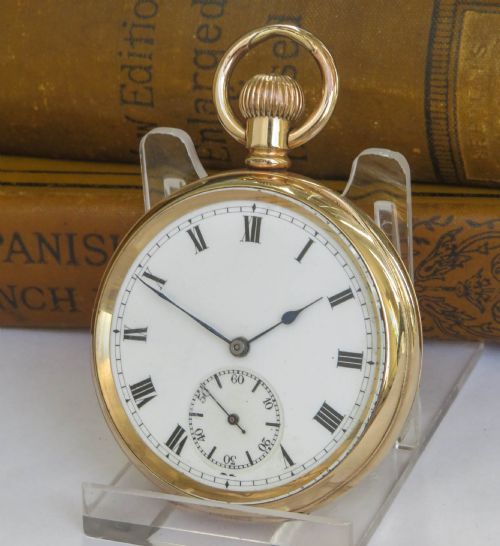
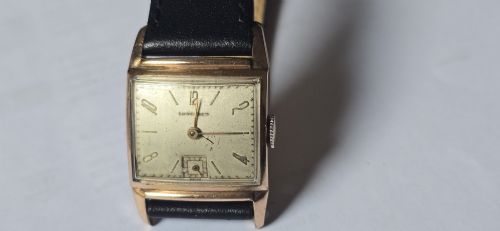
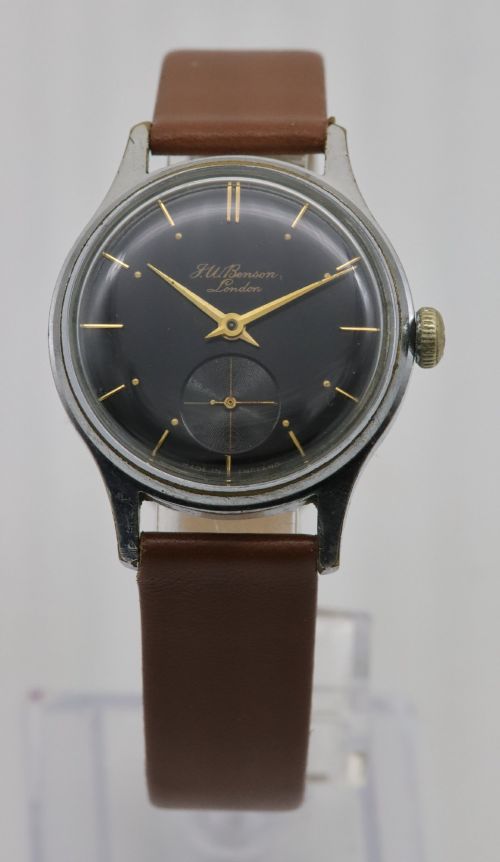
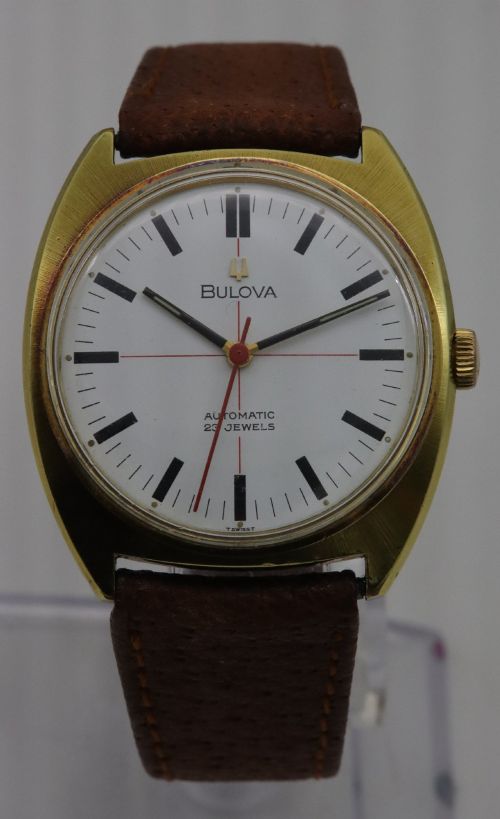
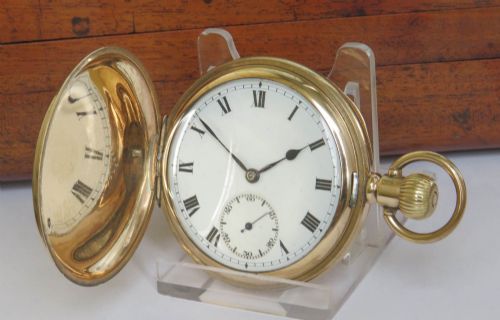
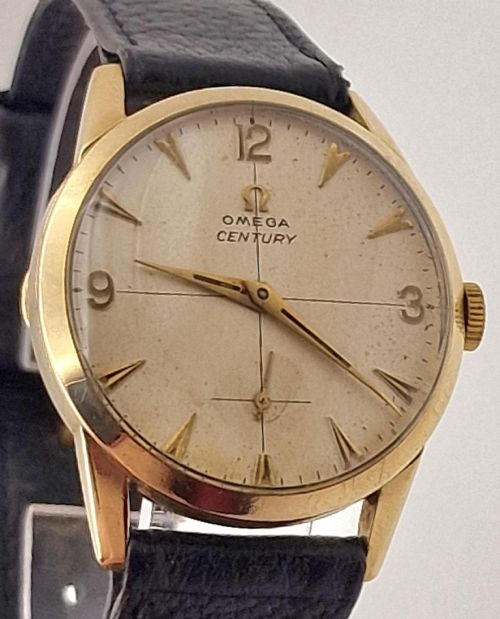
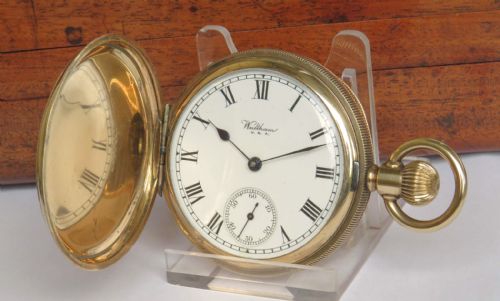
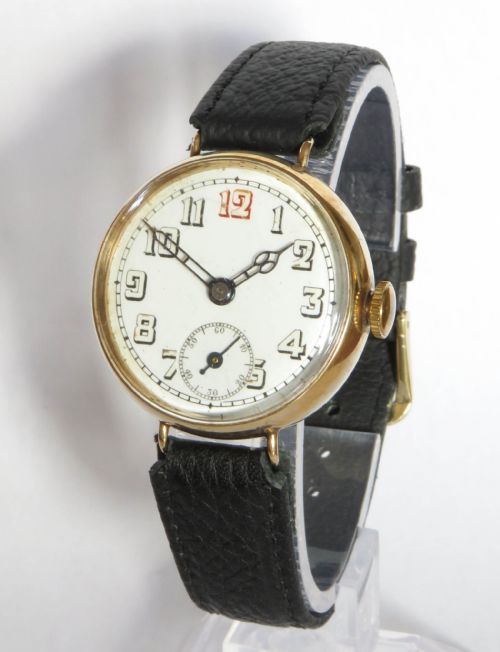
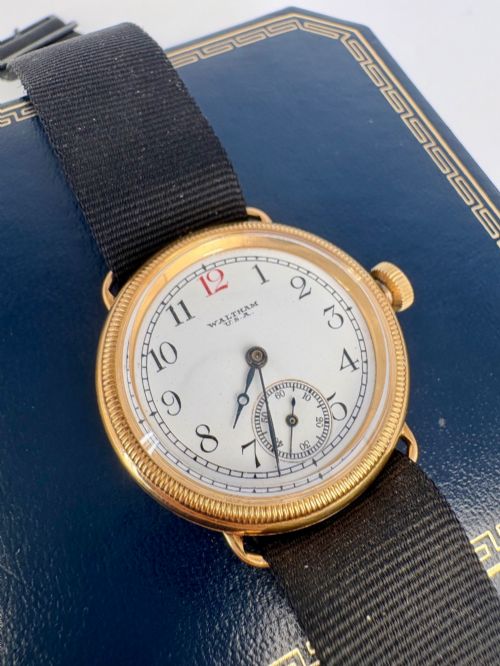
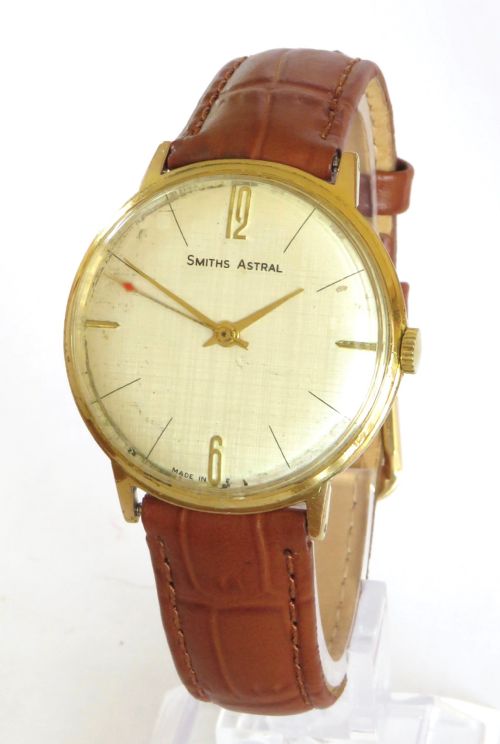
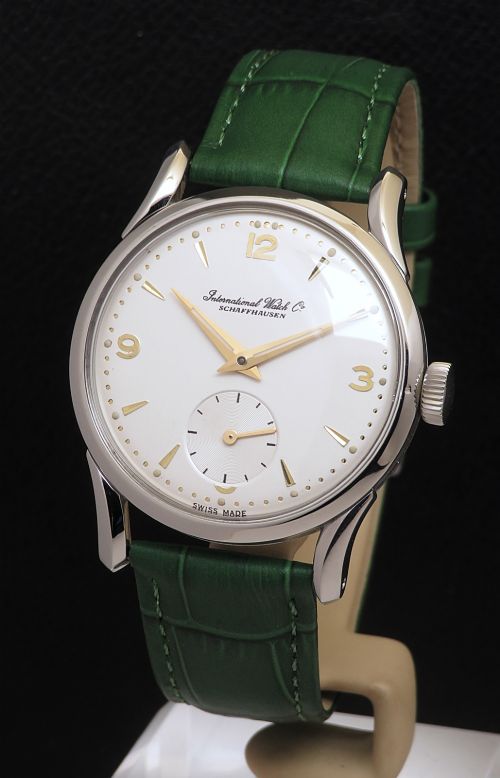
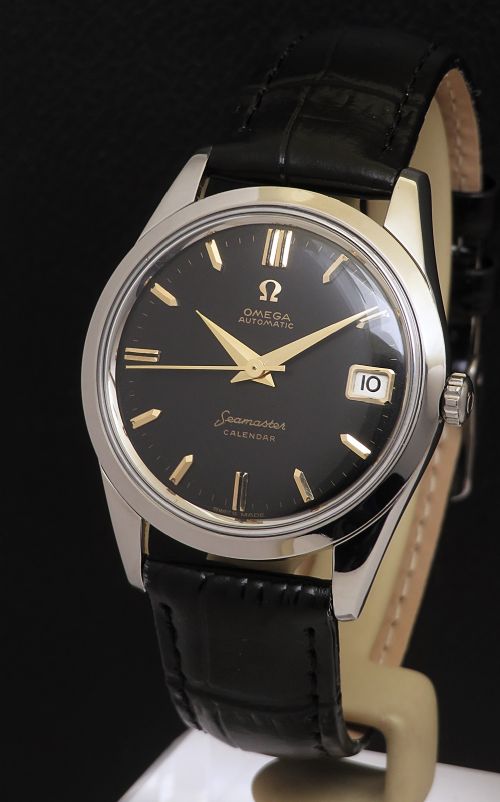
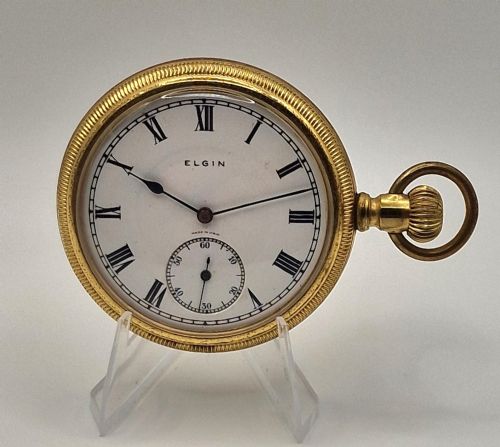
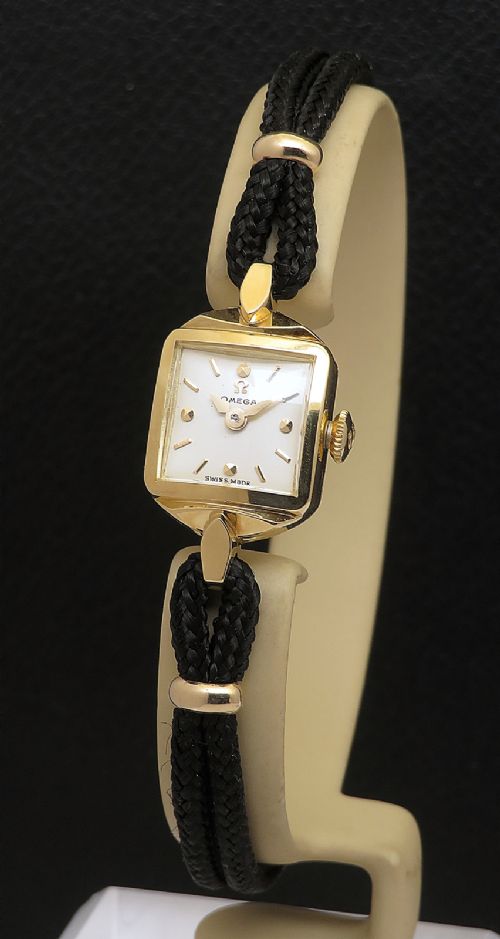
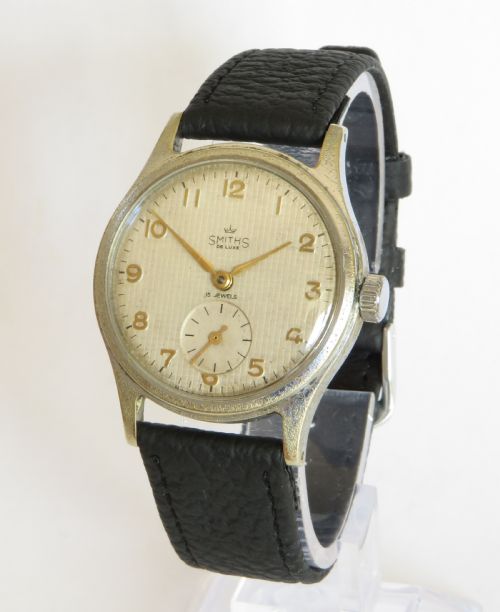
A gold dial watch encompasses both pocket watches and wristwatches spanning from the Victorian era through the mid-twentieth century. Examples from this selection reflect diverse stylistic movements including Edwardian refinement, Art Deco geometry, and Mid-Century Modern design.
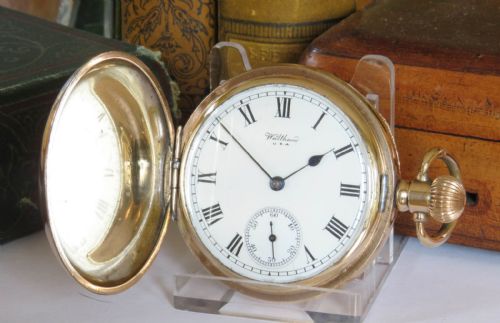
Buyers encounter solid gold housings alongside gold plate and rolled gold variations paired with dials in linen texture, two-tone finishes, and harlequin patterns. Pocket watches frequently feature full hunter or half hunter protective outer cases, while wristwatches offer mechanical or automatic calibres.
Originating from established Swiss and British workshops, these timepieces range from utilitarian pocket models to luxury dress watches by makers such as Omega and Longines. Surviving pieces often retain original components including branded straps, buckles, and presentation boxes.
Materials and Construction
Cases are formed from solid gold of varying carat weights, gold plate, stainless steel, and brass, paired with protective glass crystals over the dial face. Leather straps complete many wristwatches, while pocket designs utilise metal chains and hinged hunter covers.
Movements rely on mechanical gear trains driven by manual stem winding or automatic self-winding oscillating weights. Dials incorporate applied metallic markers, enamel details, and specialised surface textures achieved through stamping or brushing techniques.
Gold Dial Watch Retail Price Guide 2026
Typical asking prices for gold dial watch among the pieces listed under this phrase on Sellingantiques today, from the lower quarter to the upper quarter. They describe what is for sale here now, not the wider market.
Listings feature pocket watches and wristwatches spanning from the 1880s through the 1960s, incorporating gold plate, solid gold, and stainless steel.
Evaluating Selection and Preservation
Quality rests on the original factory condition of the dial and movement, with untouched components and legible text commanding greater interest. The preservation of case geometry, sharp hallmarks, and crisp dial textures distinguishes superior examples.
The inclusion of factory accessories such as original boxes, papers, signed buckles, and period straps elevates a piece. Mechanical precision and the reputation of the specific calibre also influence the standing of an individual watch.
Omega·Longines·Elgin·Waltham·Zenith·IWC·Baume And Mercier·Rotary·Tissot·Cyma
The Gold Dial Watch Glossary
- Calibre
- The specific internal mechanical movement design or model designation created by a watch manufacturer. This identifier helps experts date and categorise the technical lineage of a timekeeper.
- Full Hunter
- A pocket watch featuring a spring-loaded metal cover that protects the glass dial face from scratches and impacts. The cover is released via a push-button integrated into the winding crown.
- Half Hunter
- A pocket watch case style featuring a small glass or open aperture in the outer metal lid, allowing the user to read the hands without opening the cover.
- Stem Winding
- A mechanical winding system operated by turning the crown at the top or side of the case rather than using a separate key. This innovation became standard for pocket watches and wristwatches alike.
- Chronometer
- A high-precision watch movement that has undergone rigorous accuracy testing and certification by an official authority. These movements maintain exact timekeeping across varied temperatures and positions.
Gold Dial Watch: Frequently Asked Questions
How do I wind a vintage mechanical watch?
Turn the crown clockwise between your thumb and forefinger until you feel moderate resistance. Stop winding immediately once you feel this tension to avoid damaging the internal mainspring.
For automatic models, wearing the piece on the wrist provides the necessary motion to power the movement without manual winding. If an automatic watch has stopped entirely, give the crown a few gentle turns to jump-start the mechanism before wearing.
Can I wear my vintage watch every day?
Many vintage timepieces function reliably for daily wear if treated with care and kept away from moisture and heavy impacts. Regular servicing by a professional watchmaker ensures the internal oils and gears remain in optimal condition.
Because older pieces lack modern waterproof seals, owners should remove them before swimming or bathing. Hand-washing or heavy rain should also be avoided to protect the dial and movement from water ingress.
How do I determine the decade of my watch?
Case hallmarks, serial numbers engraved on the movement, and stylistic indicators such as typography and lug shapes provide clear chronological clues. Comparing movement serial numbers against manufacturer production records often reveals the exact year of creation.
Design cues like Art Deco geometric patterns or Mid-Century minimalist layouts also narrow down the era of manufacture. Consulting archival records for specific makers helps confirm these production dates.