
Gold Dial Vintage Watch
A gold dial vintage watch brings together mid-century horology and warm metallic tones, offering buyers a wearable piece of history.
Gold Dial Vintage Watch
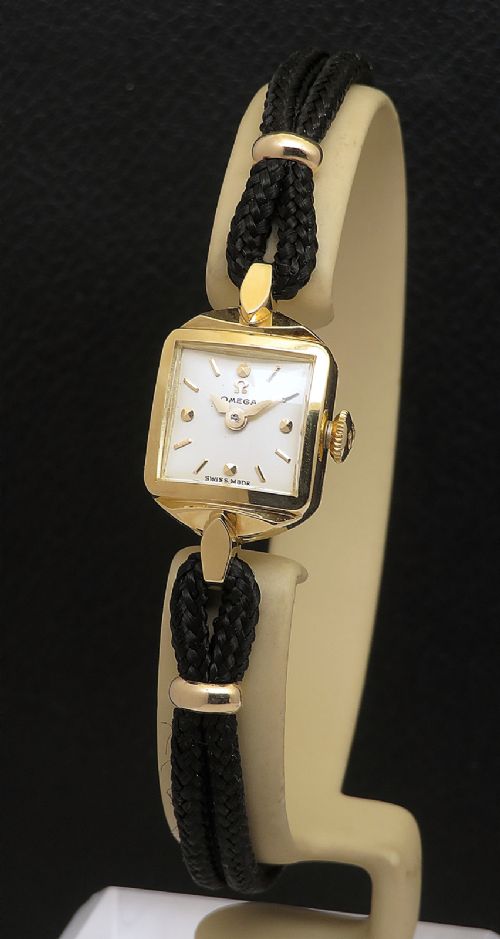
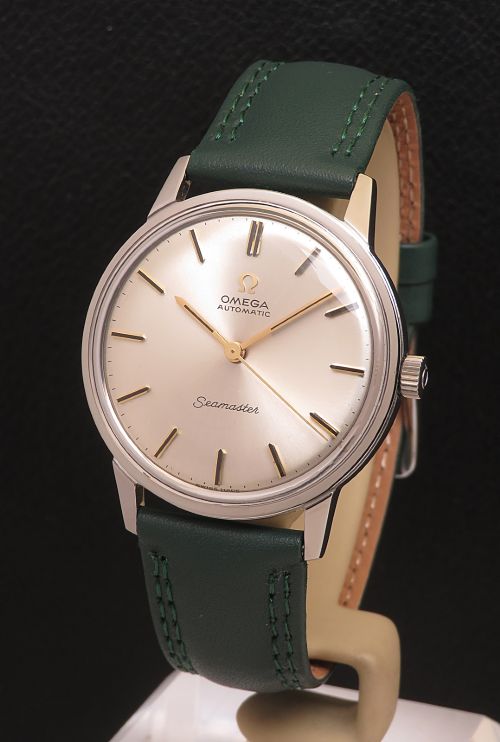
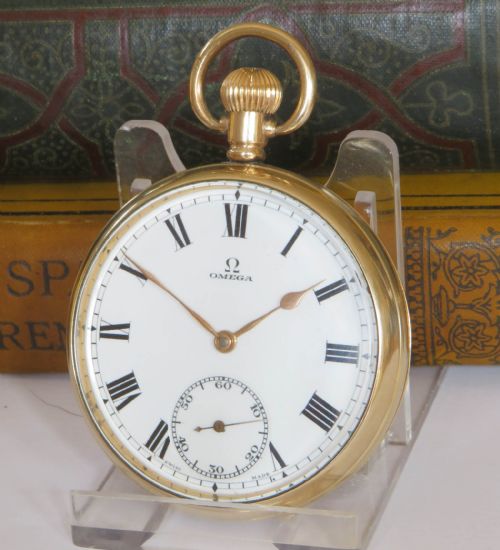
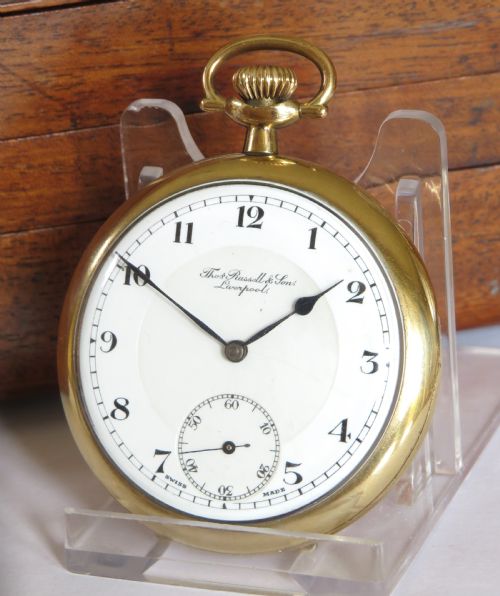
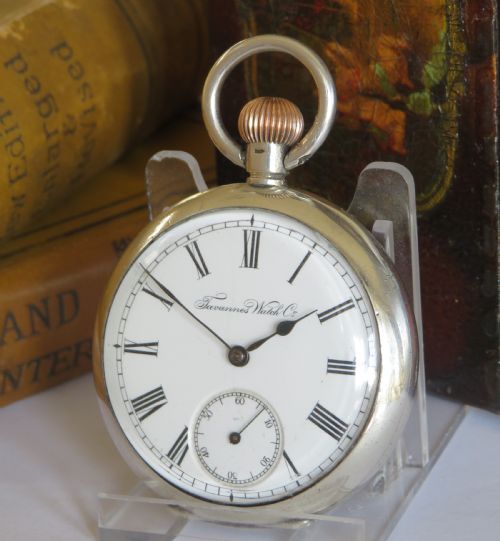
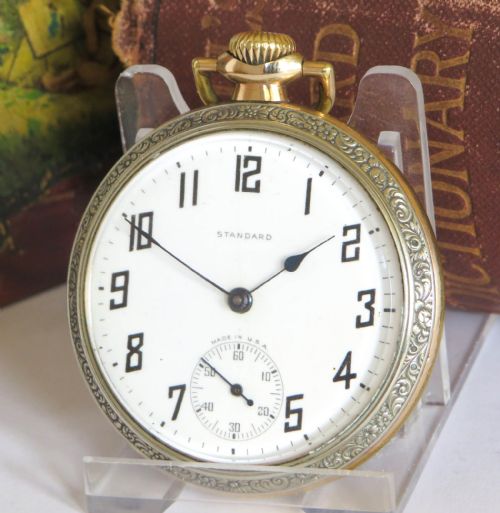
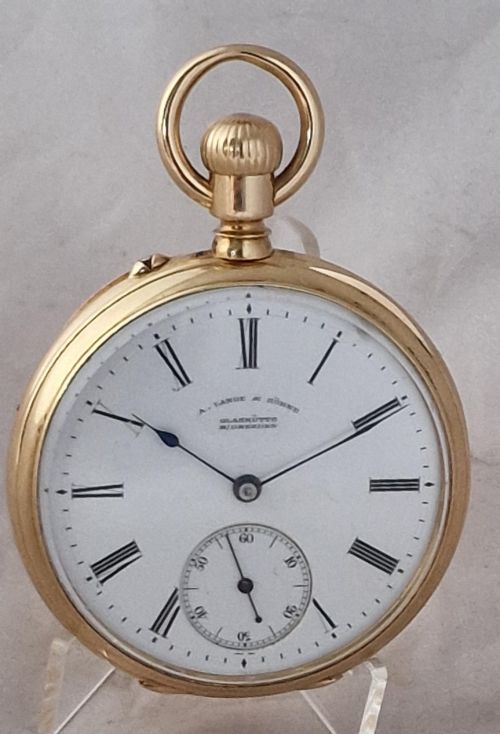
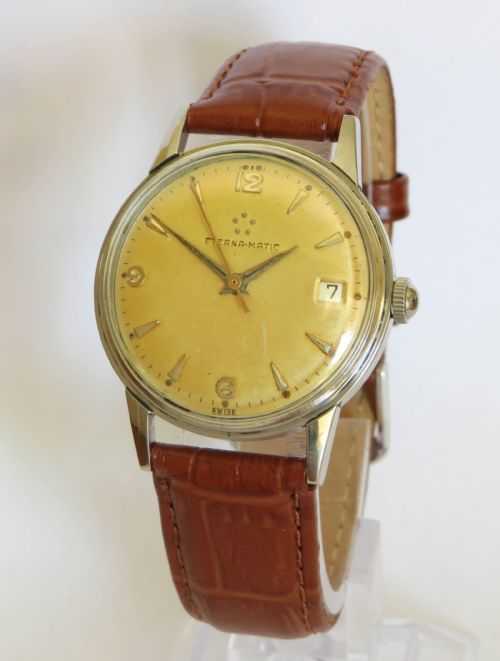
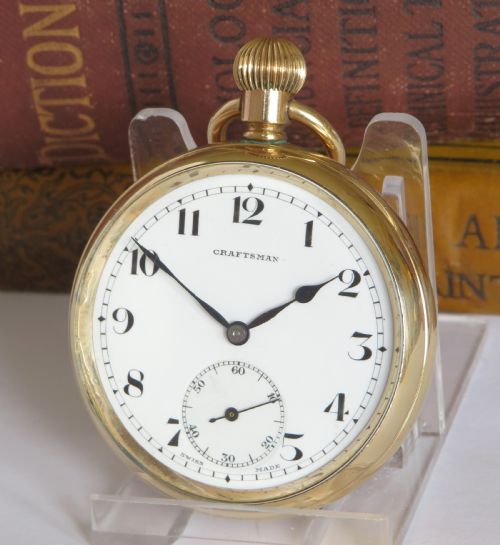
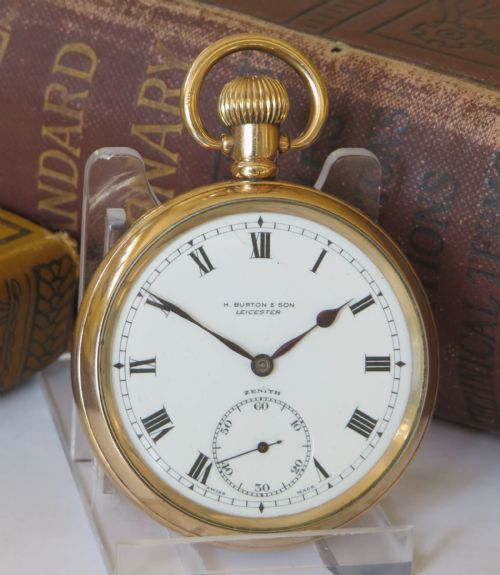
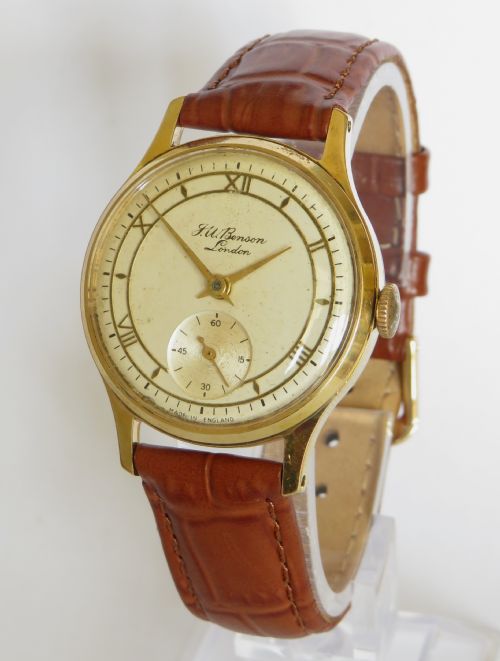
A gold dial vintage watch spans periods from the Victorian era through the mid-century modern movement, encompassing both wristwatches and pocket watches. Pieces from the 1950s and 1960s frequently appear, often rendered in solid gold or gold plate with mechanical or automatic movements.
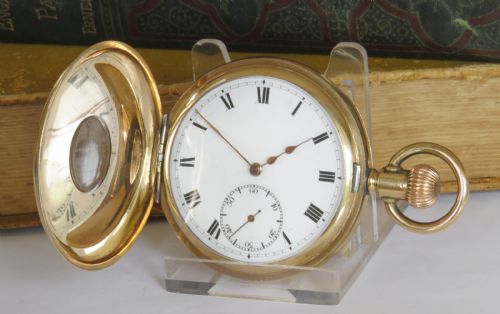
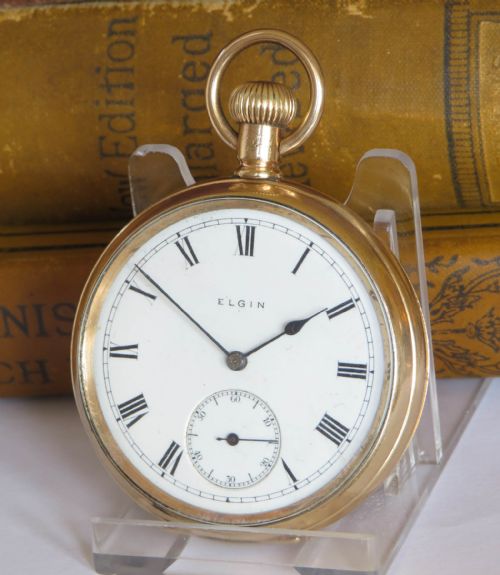
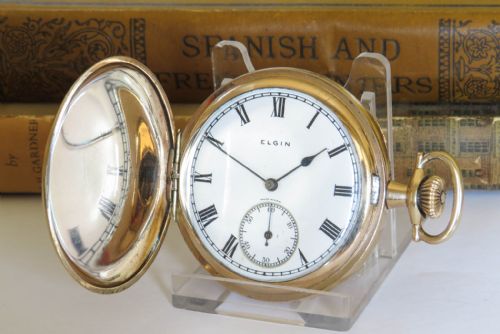
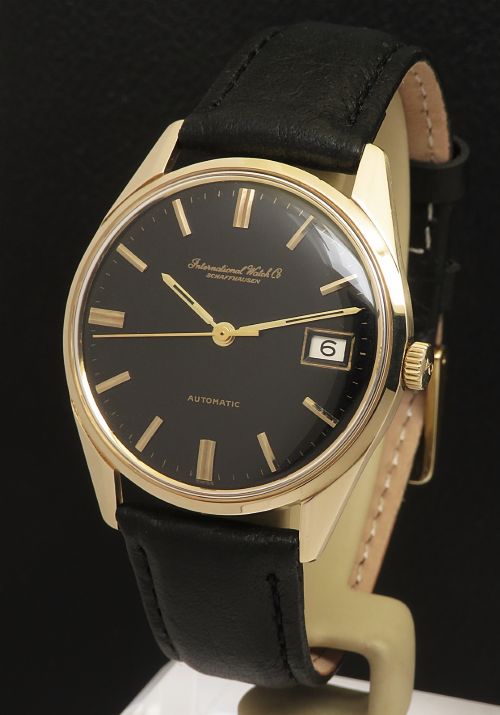
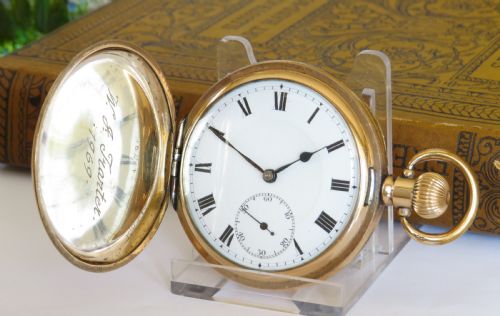
The selection ranges from robust pocket watches by makers like Waltham and Elgin to refined dress wristwatches by Omega, Longines, and IWC. Forms include half hunters, full hunters, and classic cocktail pieces equipped with glass or acrylic crystals over metal dials.
Materials and Construction
Cases utilise solid gold, gold plate, stainless steel, and brass, paired with leather straps and metal bracelets. Dials feature applied metal indices, textured finishes, and enamel work protected by glass or acrylic crystals.
Movements rely on mechanical stem-winding or automatic calibres, housed alongside components in steel, brass, and synthetic jewels to reduce friction in the gear train.
Some mid-century designs feature harlequin and linen-textured dials that catch the light like woven silk.
Distinctions in Quality
The division between standard production and top-tier execution rests on the precision and complexity of the movement, such as chronometer certification or specialised calibres. Material purity also dictates standing, with solid 18ct or 9ct gold cases commanding greater regard than gold-plated brass.
Preservation of original dial textures, case edges, and signed components distinguishes superior examples. Pieces retaining original signed buckles, boxes, and papers represent the upper tier of survivorship.
Omega·Longines·IWC·Waltham·Elgin·Zenith
The Gold Dial Vintage Watch Glossary
- Calibre
- The specific manufacturer's designation for a particular watch movement model. It allows collectors to identify the exact internal architecture powering the timepiece.
- Chronometer
- A high-precision watch capable of keeping time accurately under various conditions of temperature and position. Such movements undergo rigorous independent testing.
- Full hunter
- A pocket watch featuring a spring-loaded metal cover that protects the glass crystal from scratches. The cover springs open via the crown mechanism.
- Automatic
- A self-winding mechanical movement that uses a weighted rotor driven by the wearer's wrist motions. This system winds the mainspring during normal daily wear.
Gold Dial Vintage Watch: Frequently Asked Questions
How do I wind a vintage watch?
Gently rotate the crown clockwise between your thumb and forefinger until you feel gentle resistance. Stop immediately to avoid over-winding and damaging the mainspring.
For automatic models, normal daily movement keeps the mechanism powered. If the watch has stopped entirely, give it a few manual turns to start the movement before wearing.
Are vintage watches water resistant?
Early pieces and mid-century dress models offer little to no protection against moisture. Gaskets degrade over decades, and older cases lack modern screw-down sealing systems.
Keep these timepieces away from swimming, showers, and heavy rain. Accidental splashes require immediate drying with a soft cloth.
How do I date a pocket watch?
Examine the serial number engraved on the inner movement plate rather than the outer case. Manufacturers kept detailed ledger records linking serial numbers to specific production years.
Maker databases allow you to cross-reference these numbers to determine the exact year of manufacture. Case hallmarks can also provide a reliable date range for precious metal housing.
Can I wear a vintage watch daily?
Many examples suit regular daily wear provided they receive proper care and routine servicing. Selecting a sturdy steel or gold case model with a durable leather strap works best for routine use.
Avoid wearing delicate cocktail watches or high-complication pieces during strenuous physical activities. Regular maintenance by a qualified horologist ensures reliable daily timekeeping.