






Classic Mens Analogue Watch
A classic mens analogue watch brings traditional timekeeping to the wrist, offering dependable mechanical movements and timeless mid-century styling.
Classic Mens Analogue Watch
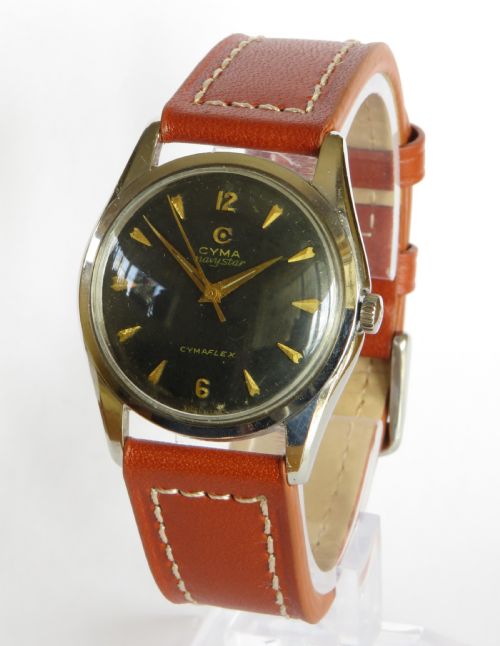
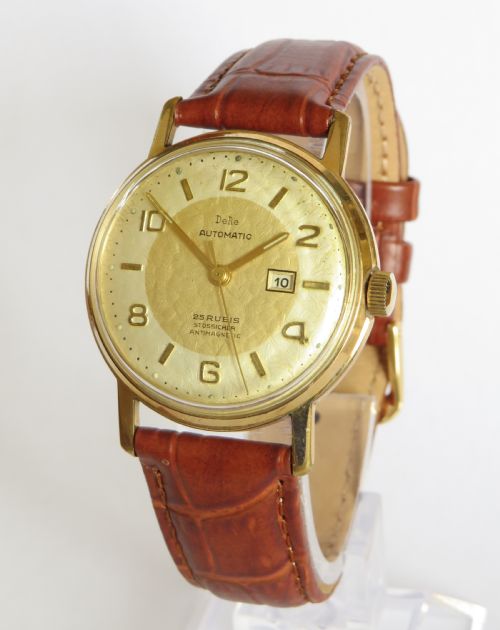
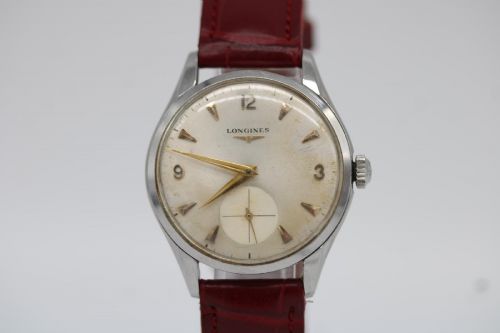
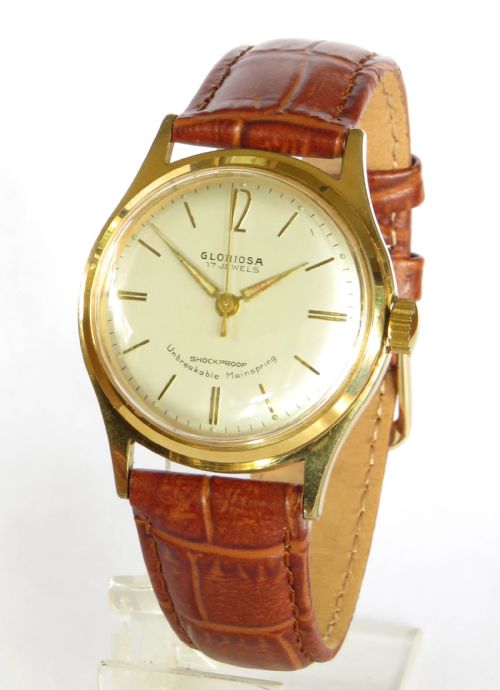
A classic mens analogue watch represents decades of traditional horology, spanning the 1940s, 1950s, and 1960s with distinct mechanical character. Buyers searching for a classic mens analogue watch will most frequently encounter mid-century wristwatches featuring round dials and traditional hand-wound or automatic movements.
The selection ranges from early 1940s Art Deco French designs to robust 1950s and 1960s pieces shaped by Mid-Century Modern aesthetics. These wristwatches originate from established Swiss and British makers, offering collectors wearable pieces of mid-century history.
How they were made
Cases utilise stainless steel, chrome-plated steel, or gold plate, often paired with clear glass or acrylic glass crystals to protect the dial. Movements rely on intricate mechanical components housed within these metallic cases.
Classic Mens Analogue Watch Retail Price Guide 2026
Typical asking prices for classic mens analogue watch among the pieces listed under this phrase on Sellingantiques today, from the lower quarter to the upper quarter. They describe what is for sale here now, not the wider market.
A tiny mechanical heart beats inside every piece, powered entirely by the gentle swing of an arm or the daily twist of fingers.
What varies in quality
The standard of internal movements and the preservation of the original dial distinguish different grades of watches. Well-preserved case finishes and clean, functional mechanical calibres define the upper tier of surviving examples.
Finer pieces retain crisp case geometry and unblemished crystals, while lesser examples show heavier wear to plated surfaces and dials. The overall integrity of the mechanical movement remains paramount to the piece's standard.
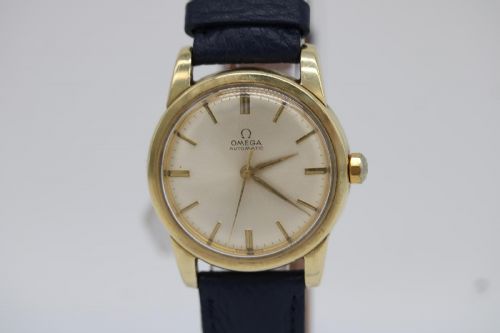
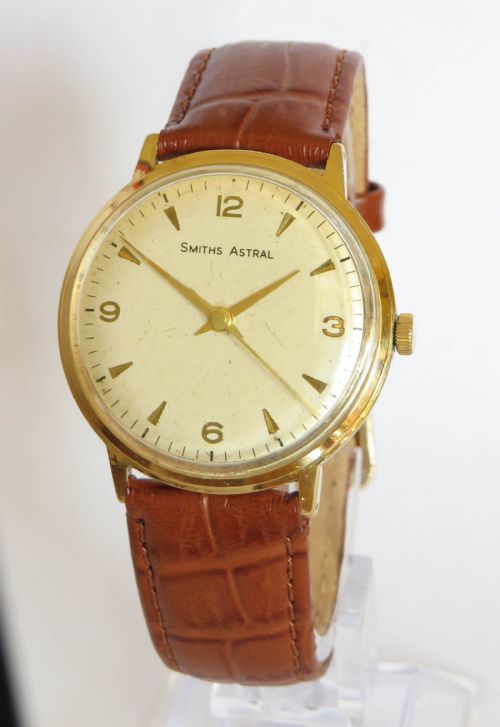
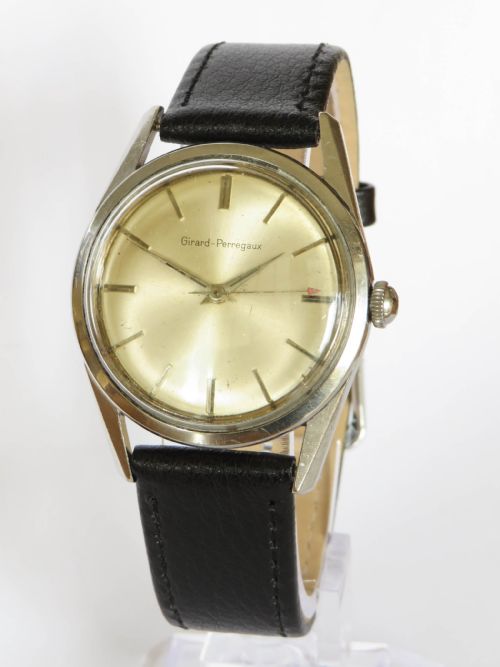
Omega·Cyma·Longines·Smiths Astral·Eterna·Girard Perregaux
The Classic Mens Analogue Watch Glossary
- Analogue watch
- A timepiece that displays time with hands pointing to numbers or markers on a dial, rather than using digital numbers. This traditional format defines all watches listed in this category.
- Manual wind
- A mechanical movement that requires the wearer to manually turn the crown to tension the mainspring. This traditional winding method powers watches from the 1940s and 1950s.
- Automatic
- A self-winding mechanical movement that uses a weighted rotor powered by the natural motion of the wearer's wrist. This innovation became prominent in mid-century watchmaking.
- Calibre
- A specific manufacturer's designation for a particular watch movement design. Collectors often reference the calibre number to identify the exact mechanical mechanism inside.
- Acrylic glass
- A lightweight, transparent plastic material utilised for watch crystals during the mid-century period. It offers flexibility and can be easily polished if minor scratches occur.
Classic Mens Analogue Watch: Frequently Asked Questions
How do I wind a manual watch?
Gently rotate the crown clockwise between your thumb and forefinger until you feel gentle resistance. Stop turning immediately once you feel this tension to avoid over-winding the mainspring.
Perform this action at approximately the same time each day to maintain consistent timekeeping performance. Regular winding keeps the internal mechanical oils circulating properly.
How accurate are these watches?
Mechanical watches from the mid-century period typically gain or lose a small number of seconds per day. This variance is entirely normal for vintage mechanical movements relying on springs and gears.
Regular servicing by a professional watchmaker helps maintain optimal accuracy. Environmental temperature changes can also influence the daily running rate.
How do I care for a leather strap?
Keep the leather strap dry and avoid exposing it to direct sunlight or excessive perspiration. Allow the leather to rest between wears to extend its lifespan.
Treat the material occasionally with a neutral leather conditioner if it begins to dry out. Replacing a worn strap is straightforward and preserves the security of the watch on your wrist.