

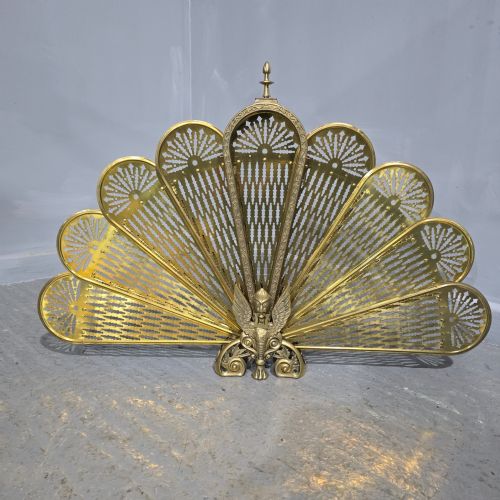


Gold Decorative Screen
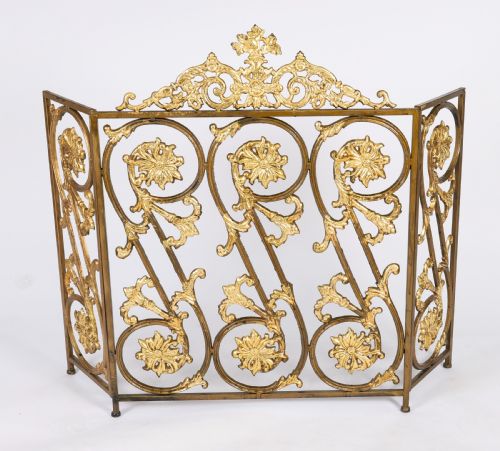
A gold decorative screen brings warmth and structured elegance to a room, functioning primarily as a hearth accessory or a folding room divider.
Gold Decorative Screen
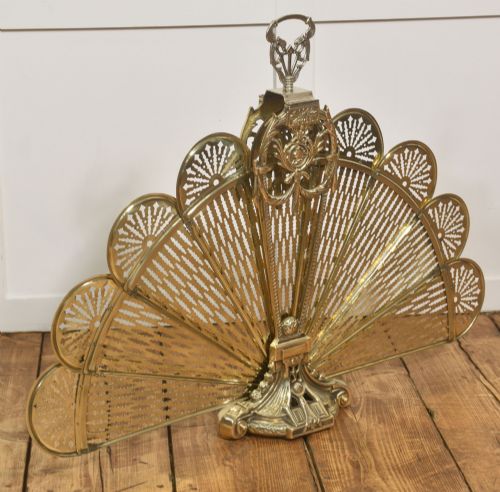
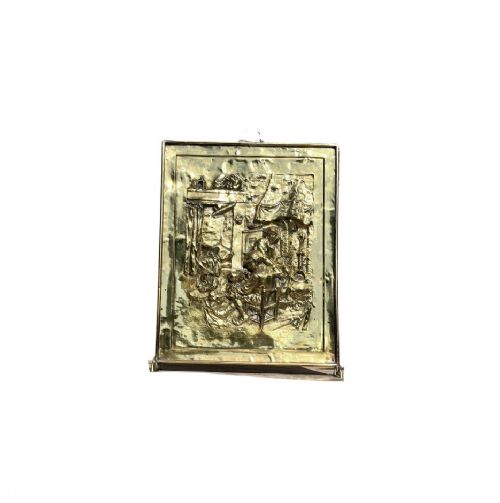
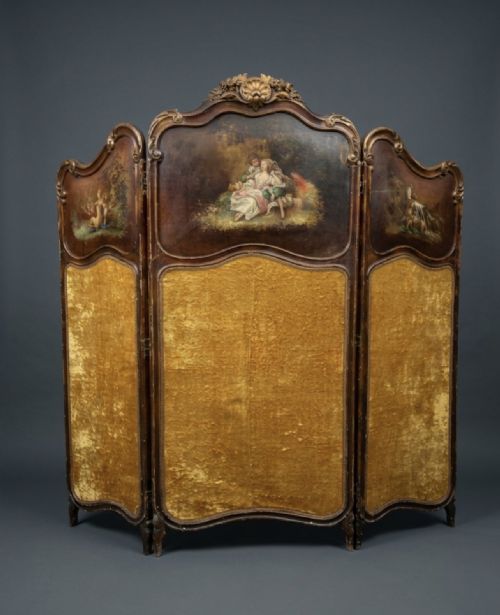
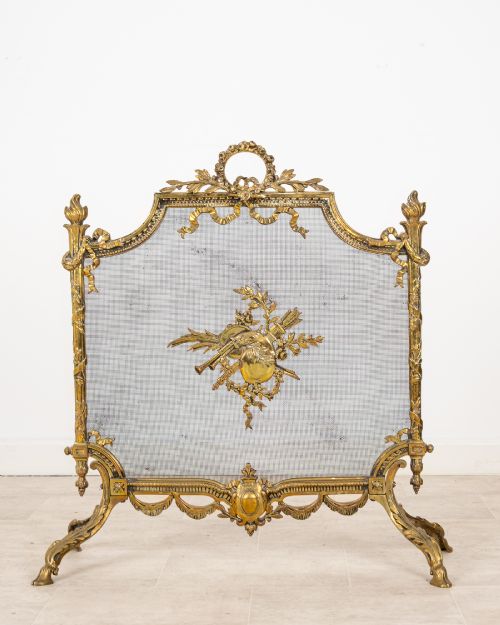
A gold decorative screen encompasses a varied group of furnishings designed for the interior, most commonly encountered here as brass fire screens, folding panels, and room dividers. These pieces originate from the nineteenth century onward, drawing heavily on French revival styles, Victorian tastes, and later aesthetic movements like Art Nouveau.
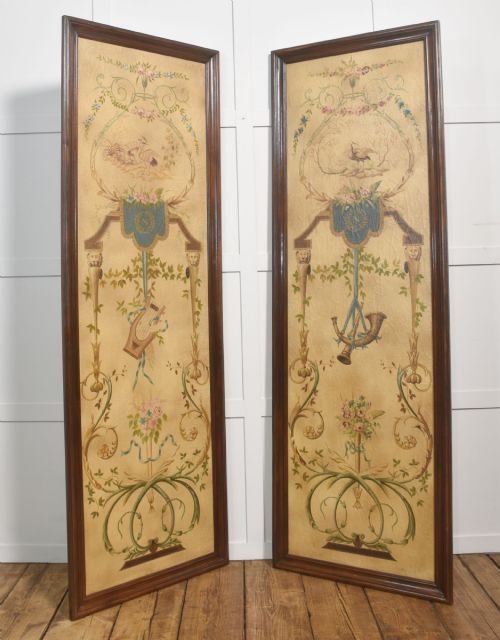
Buyers seeking a gold decorative screen will find items ranging from small freestanding spark guards to multi-fold room dividers and wall plaques. The grouping reflects both utilitarian hearth furniture and purely ornamental decorative panels.
What varies in quality
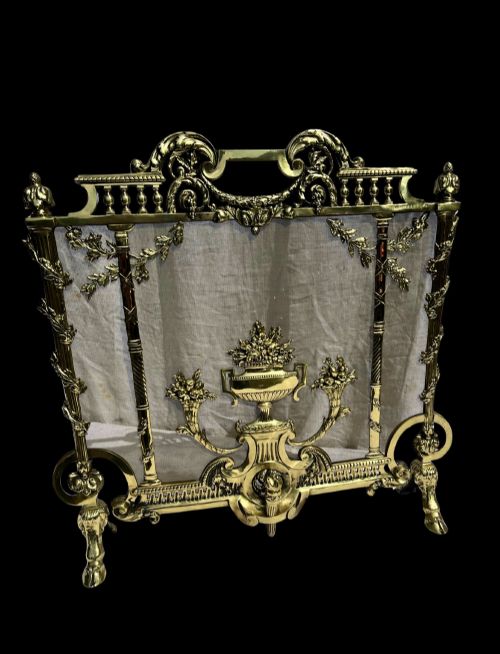
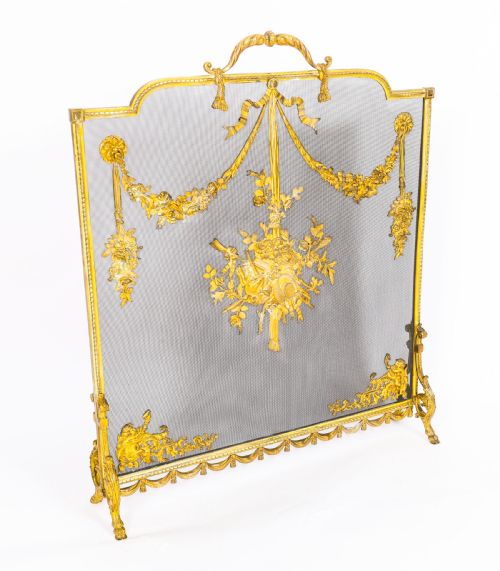
The distinction between standard items and superior examples lies in the crispness of the metal casting and the execution of the surface ornamentation. Finer pieces display deeply chased ormolu, finely articulated floral and musical tropes, and hand-painted panels with distinct artistic merit rather than mechanical reproduction.
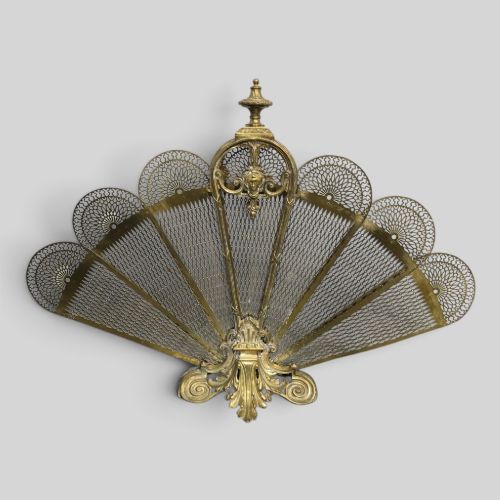
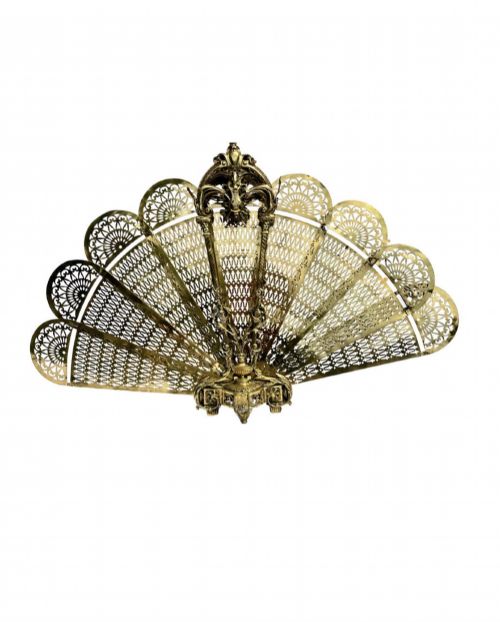
Structural integrity also defines the tier of a piece, particularly in the movement of hinges on folding fan screens and multi-fold panels. Superior examples maintain balance and rigidity across their frames, using heavier gauges of brass and well-secured mesh or fabric inserts.
Domestic spaces once welcomed photographic prop screens, allowing Victorian sitters to pose against exotic Japanese silk backdrops without leaving the parlour.
The Gold Decorative Screen Glossary
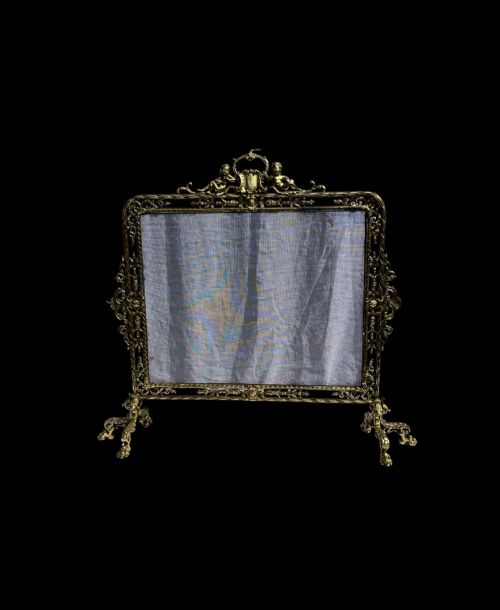
- Fire screen
- A decorative barrier placed in front of an unused fireplace to conceal the opening and block drafts. These pieces often feature brass frames with wire mesh or solid painted panels.
- Ormolu
- Gilt bronze ornamentation applied to furniture or decorative metalwork. This technique involves an amalgam of mercury and gold applied to a bronze base.
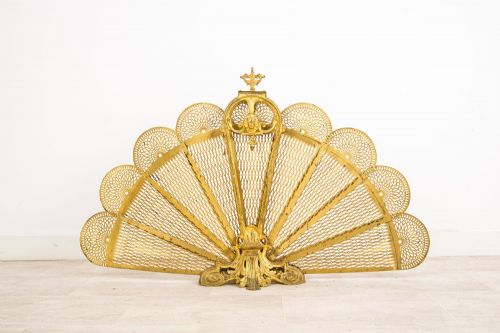
- Peacock fan screen
- A folding spark guard designed with expanding metal blades that resemble a peacock tail. They open and close via a central pivot mechanism.
- Pole screen
- A small vertical screen mounted on a tall wooden stand, adjustable in height to shield a person's face from the direct heat of the fire.
- Rococo revival
- A nineteenth-century design style mimicking the asymmetrical curves, C-scrolls, and naturalistic ornamentation of the eighteenth-century French movement.
Gold Decorative Screen: Frequently Asked Questions
What is a gold decorative screen used for?
These screens serve primarily as decorative hearth accessories, functioning as fire guards or spark screens when the fireplace is not in use. They also act as aesthetic room dividers, modesty screens, or wall panels to break up large interior spaces.
Many examples are selected purely for their visual impact, utilising gilt brass frames and painted panels to introduce metallic warmth and historic character into a room.
How do I date a brass fire screen?
Dating relies heavily on stylistic cues, manufacturing techniques, and materials associated with specific periods like the Victorian era or late nineteenth-century revival movements. Pieces displaying heavy cast brass, Rococo scrollwork, or ormolu mounts typically point to nineteenth-century French or English manufacture.
Later pieces from the early twentieth century often incorporate simpler Art Nouveau or sunburst Art Deco geometric motifs. Examining the fasteners, hinge types, and the wear on the gilt surfaces also helps narrow down the decade.
Are these screens safe to use with an active fire?
Many brass and wire mesh screens were originally built as functional spark guards to catch stray embers from an open hearth. However, modern safety considerations require assessing the condition of the wire mesh and the stability of the frame before exposing the piece to high heat.
Items featuring delicate painted panels, silk, leather, or paper inserts are better suited for decorative placement in front of an unlit fireplace or used as freestanding room dividers.
How should I clean a gilt brass frame?
Maintenance requires gentle dusting with a soft, dry cloth to prevent the accumulation of grime on intricate cast surfaces and wire mesh. Aggressive metal polishes should be avoided on gilt brass or ormolu to prevent stripping the thin layer of gold leaf or surface plating.
For painted panels or textile inserts, keep the piece away from direct sunlight and excessive moisture to protect the original oil paint, leather, or fabric from fading and degradation.