


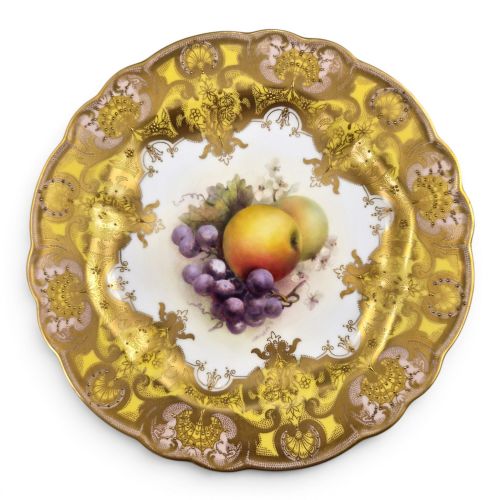


Gold Decorated Porcelain
Gold decorated porcelain brings together centuries of ceramic artistry, uniting fine bodies with rich gilding and enamel work.
Gold Decorated Porcelain
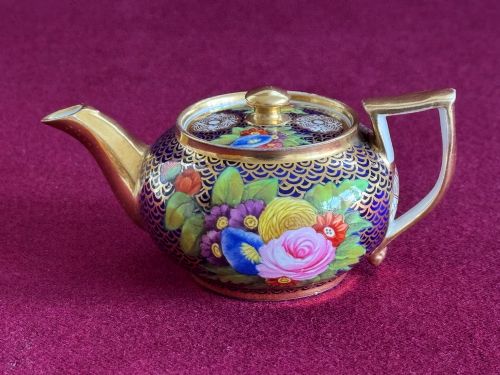
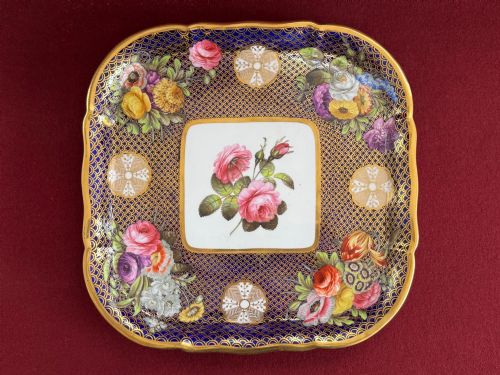
Gold decorated porcelain encompasses a wide range of ceramic items adorned with gilding, gold leaf, and enamel paint, spanning Georgian, Regency, Victorian, and later periods. The selection here leans heavily towards British factory pieces from the late eighteenth and nineteenth centuries, alongside Japanese Satsuma ceramics from the Meiji period.
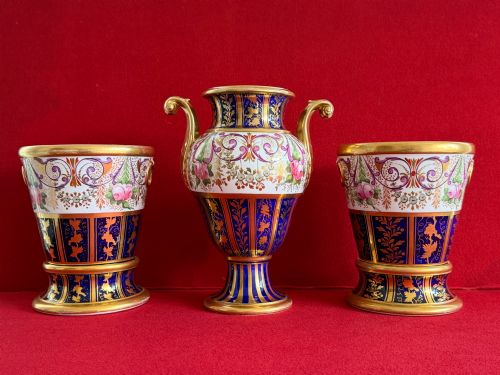
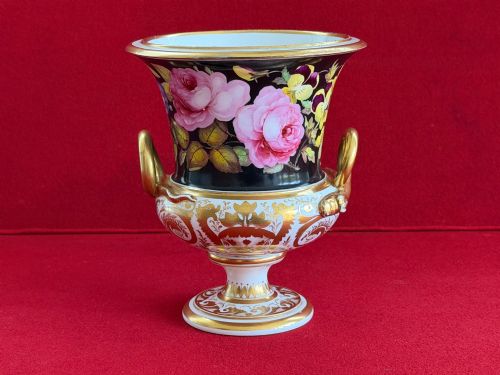
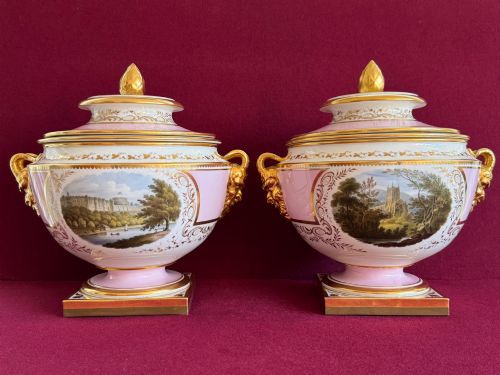
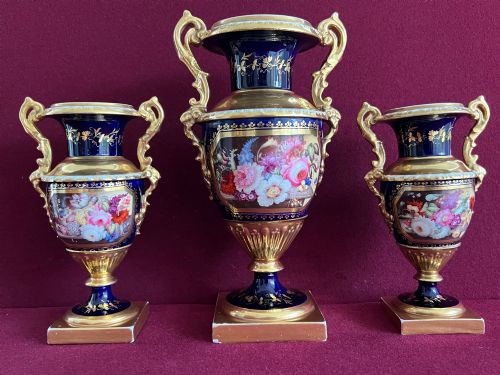
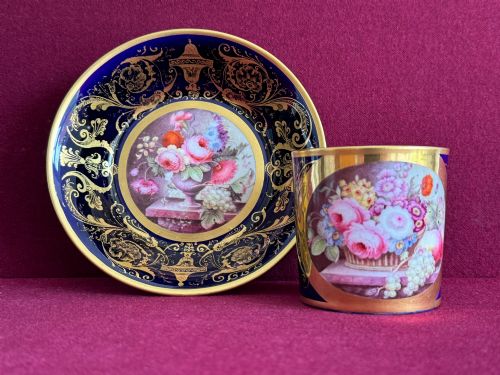
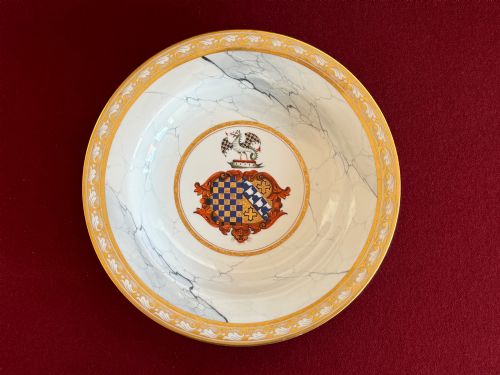
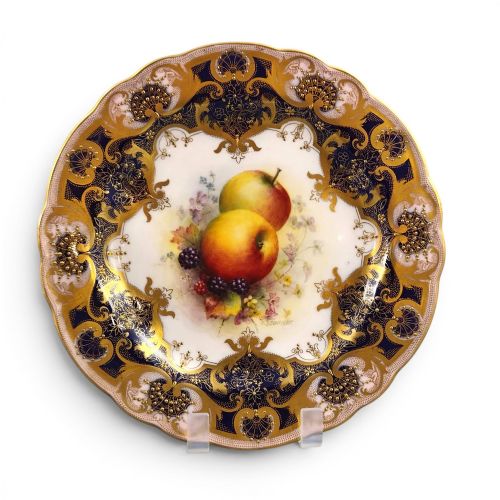
Forms vary from practical tableware such as soup plates, coffee cans, and sucriers to decorative display items including vases, garnitures, ice pails, and cabinet plates. Makers such as Spode, Worcester, Minton, and Royal Worcester dominate the British examples, utilising porcelain and earthenware bodies.
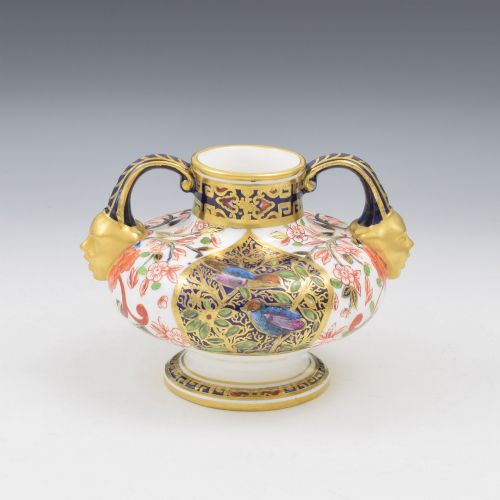
Japanese examples introduce ceramic and earthenware baluster vases, sugar bowls, and dishes decorated with cobalt and gilt moriage or iron red and gold. These pieces demonstrate how different cultural traditions applied metallic ornament to ceramic forms across distinct eras.
Materials and technique
Potters shaped porcelain, earthenware, and ceramic bodies into vases, plates, and vessels before applying glazes and foundational colours. Artisans then introduced surface ornament using gold leaf, gilt, and enamel paint, often building up designs in low relief or intricate patterns.
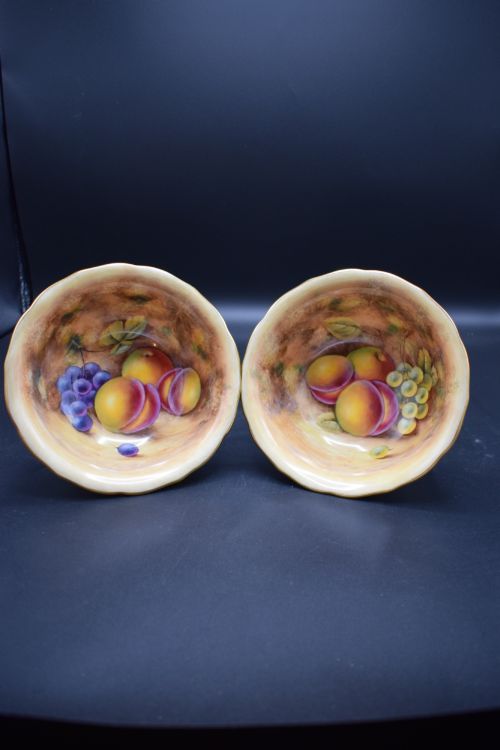
Specialist painters added hand-painted details, floral fruit scenes, and armorial motifs, as seen in works by designated decorators like Thomas Steel and Richard Sebright. The application of gold required precise firing techniques to bond the metallic leaf or gilding permanently to the glazed ceramic surface.
Gold Decorated Porcelain Retail Price Guide 2026
Typical asking prices for gold decorated porcelain among the pieces listed under this phrase on Sellingantiques today, from the lower quarter to the upper quarter. They describe what is for sale here now, not the wider market.
Listings feature British porcelain from Regency and Victorian factories alongside Japanese Satsuma ceramics in earthenware and ceramic forms.
Variations in quality
The standard of gold decorated porcelain depends upon the precision of the hand-painting and the complexity of the gilded application. Pieces featuring named decorators, detailed fruit or armorial scenes, and specific factory patterns stand apart from standard production items.
The crispness of moulded relief work, the depth of the glaze, and the preservation of the gold leaf or gilding define the superior examples. Maker attribution also plays a role, with documented works from notable factories and studios commanding greater interest from collectors.
Derby Porcelain·Spode Porcelain·Flight Barr And Barr·Minton Porcelain·Royal Crown Derby·Royal Worcester·Kinkozan Satsuma·Doulton Burslem·Ernst Wahliss·Wedgwood
The Gold Decorated Porcelain Glossary
- Gilding
- The application of a thin layer of gold or gold leaf to the surface of porcelain. This technique enhances the decorative appeal of vessels and plates.
- Garniture
- A set of three or more matching vases or urns designed to be displayed together on a mantelpiece or sideboard. They typically feature coordinated decorative schemes.
- Cabinet plate
- A decorative plate intended for display in a cabinet rather than for dining use. These items often showcase intricate hand-painted artwork and rich gilding.
- Sucrier
- A small covered sugar bowl used in tea sets. They frequently appear in matching porcelain patterns alongside teapots and coffee cans.
- Moriage
- A Japanese ceramic decorating technique where slip is piped onto the surface to create raised designs, often highlighted with gold. It is particularly characteristic of Satsuma wares.
Gold Decorated Porcelain: Frequently Asked Questions
Can I use antique plates for dining?
While historical cabinet plates and soup plates were created for functional use, centuries of wear and delicate hand-painting make modern dining inadvisable. Using them risks scratching the glaze and damaging the gold decoration.
Displaying them in cabinets or on plate stands preserves their physical condition for the future.
How do I identify the maker of a piece?
Look underneath the base for factory marks, pattern numbers, or painted signatures left by decorators. These identifying stamps and handwritten numbers connect the item to specific periods and workshops.
Reference marks against standard ceramic guides to confirm the operating dates of the factory.
What is the difference between Satsuma ware and British porcelain?
Satsuma ware originates from Japan, typically featuring an earthenware body with a fine crackle glaze decorated in elaborate enamel and gold. British pieces from factories like Spode and Worcester usually employ hard or soft-paste porcelain with European neoclassical or floral motifs.
Both styles utilise heavy gilding but reflect distinct cultural aesthetics and material compositions.