

Gold Crystal Light Fixture
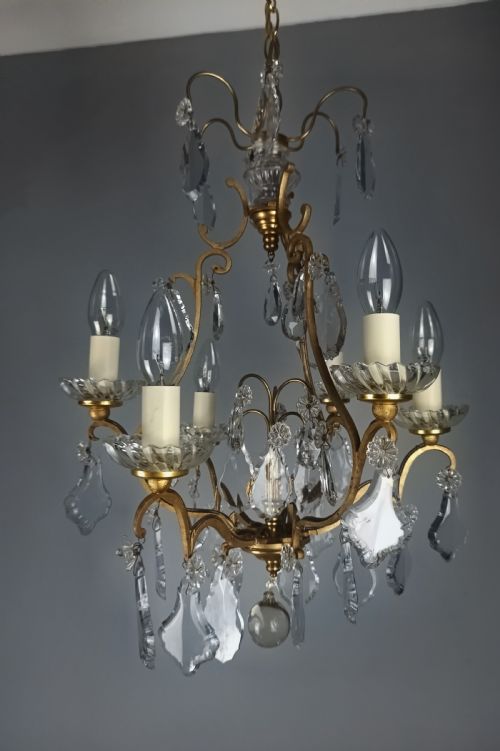
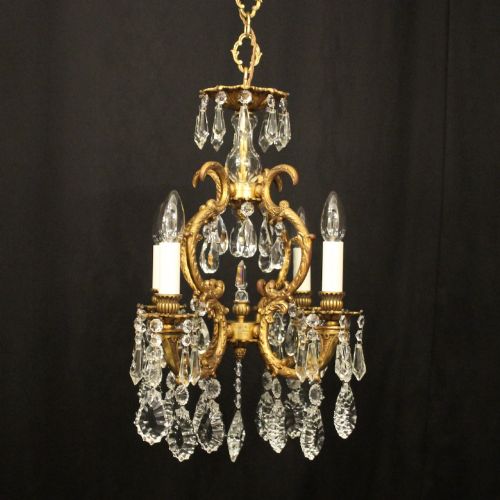
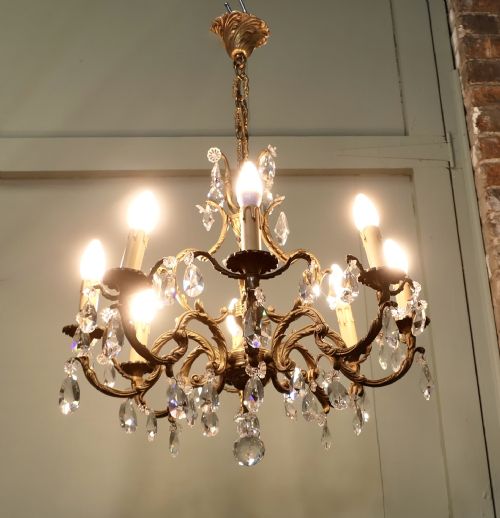
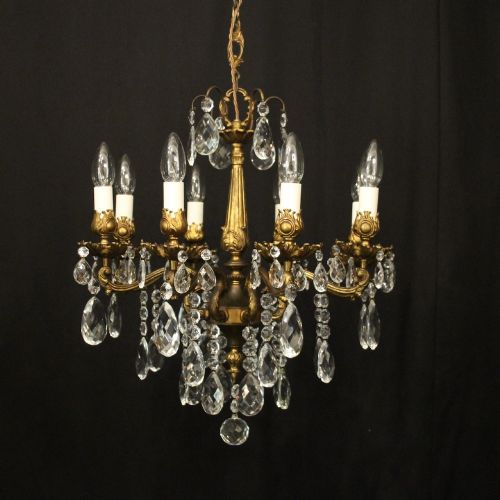
A gold crystal light fixture brings historic illumination into a room, combining polished metal frames with shimmering drops.
Gold Crystal Light Fixture
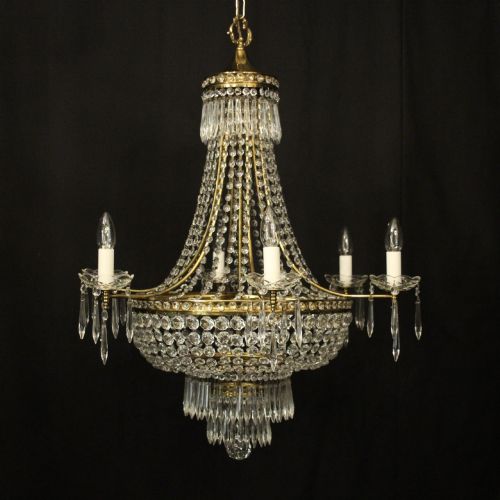
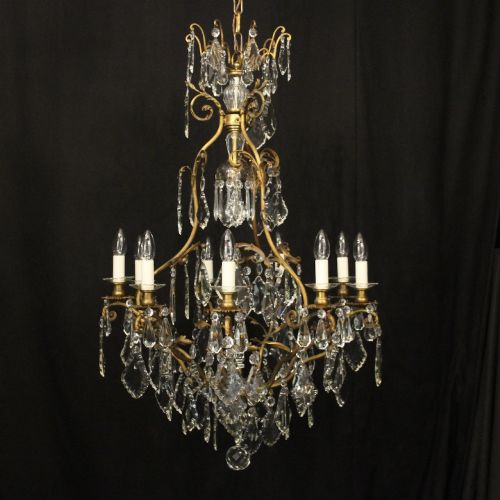
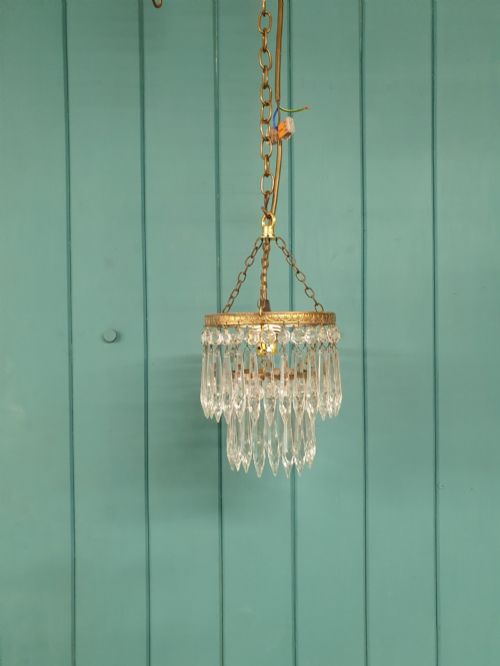
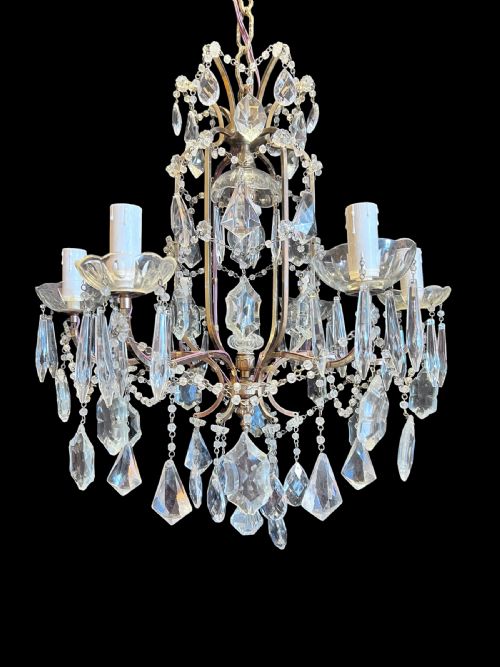
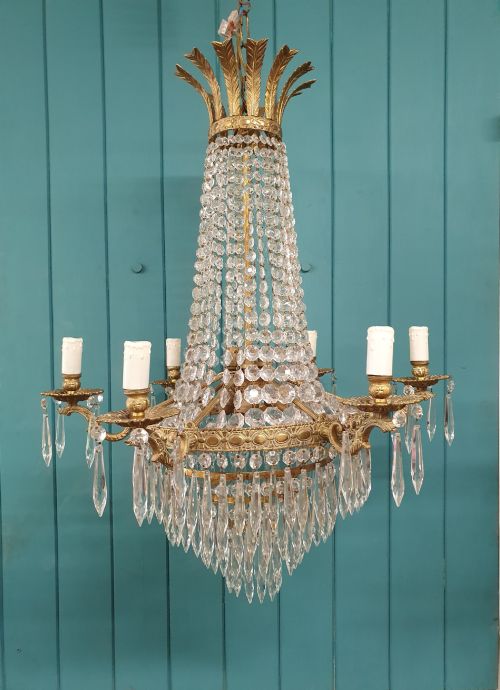
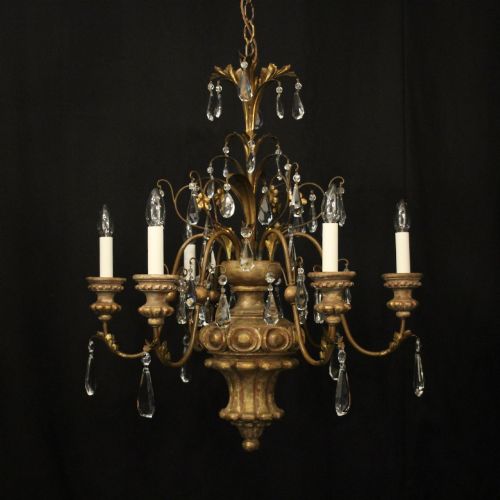
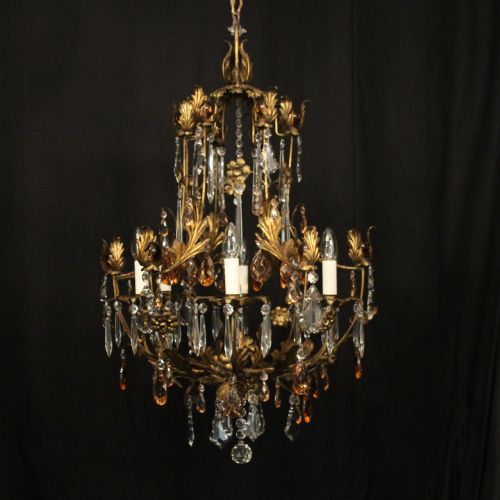
A gold crystal light fixture encompasses grand chandeliers, ceiling lights and wall sconces designed to illuminate interiors with reflective brilliance. Buyers seeking a gold crystal light fixture encounter works spanning the nineteenth century through the early twentieth century, including Edwardian examples.
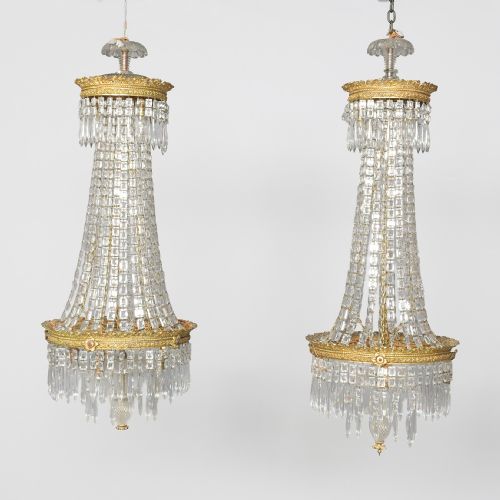
The selection leans heavily toward French and Italian origins, displaying styles from French Rococo Revival and Empire to Italian Florentine. Common configurations include birdcage frames, tent and waterfall structures, and multi-arm chandeliers hung with lustres.
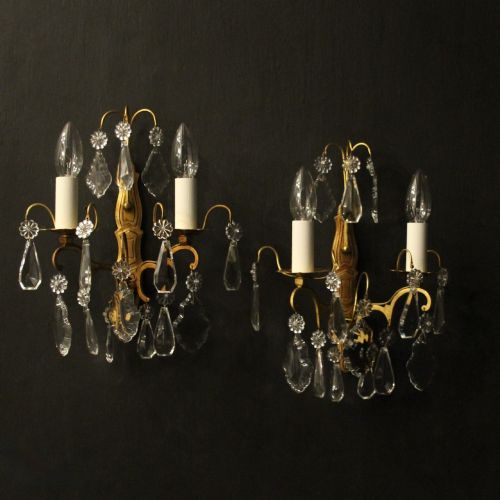
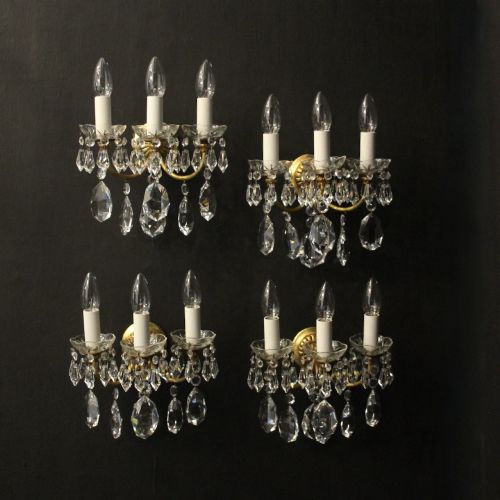
Wall lights and twin-arm sconces also appear alongside larger central fixtures. These objects originate from periods such as nineteen-thirty, nineteen-twenty, nineteen-ten, and nineteen-hundred.
What varies in quality
The hierarchy of quality rests on the weight and finish of the metalwork, alongside the clarity and cutting of the crystal pendants. Heavier castings in gilt bronze or cast brass sit above simpler formed metal structures.
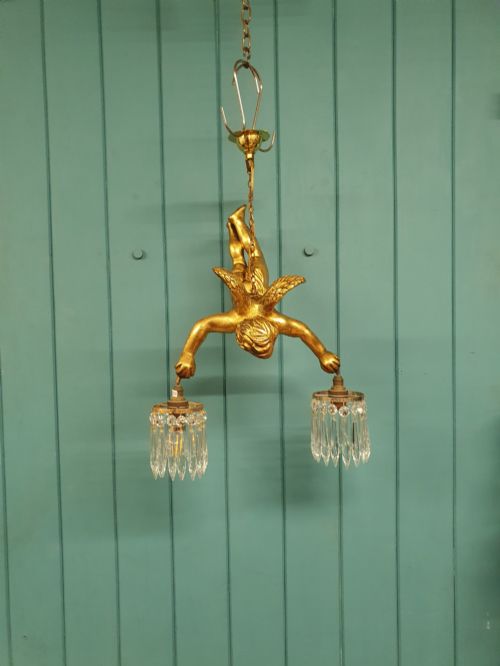
Design complexity drives differentiation, distinguishing restrained frames from elaborate creations featuring lion masks, cherubs, or intricate leaf decorations. The integration of numerous light arms and dense cascading crystal arrangements also separates standard examples from masterworks.
Gold Crystal Light Fixture Retail Price Guide 2026
Typical asking prices for gold crystal light fixture among the pieces listed under this phrase on Sellingantiques today, from the lower quarter to the upper quarter. They describe what is for sale here now, not the wider market.
Flying cherubs occasionally hold the crystal spikes aloft.
The Gold Crystal Light Fixture Glossary
- Birdcage chandelier
- A lighting fixture featuring a skeletal metal frame shaped like an avian cage, typically hung with crystal drops and swags. This form creates a tiered profile.
- Tent and waterfall chandelier
- A design where crystal strands form an upper tent shape above a wider cascading waterfall of drops. Such fixtures direct light through dense layers of glass.
- Lustre
- A cut glass or crystal pendant suspended from a chandelier to reflect and refract illumination. Lustres come in various shapes including teardrops and spikes.
- Toleware
- Painted or lacquered metalware used in certain decorative chandelier frames. It introduces coloured surfaces to the metal structure.
- Spelter
- A zinc alloy frequently used as a base metal for cast decorative figures and mounts on lighting fixtures. It often receives a gilt surface finish.
Gold Crystal Light Fixture: Frequently Asked Questions
How do I clean a crystal chandelier?
Maintenance involves wiping individual crystal drops and metal components with a damp cloth and mild solution. Care must be taken to support fragile glass elements during the process.
Power should remain disconnected throughout cleaning to ensure safety. Many owners prefer cleaning drops in situ rather than dismantling the entire fixture.
Where should I hang a wall sconce?
Wall lights and twin-arm sconces suit flanking positions beside mirrors, fireplaces, or architectural doorways. They provide ambient secondary lighting at eye level.
Placement height depends on ceiling proportions and surrounding furniture. Proper positioning ensures the fixtures balance the primary central lighting.
What defines an Edwardian light fixture?
Edwardian lighting from the early twentieth century often combines refined brass frames with cut glass crystals. These pieces reflect lighter, more graceful domestic interiors compared to Victorian predecessors.
Proportions tend to scale appropriately for standard ceiling heights. Detail work remains crisp, utilising traditional casting and polishing methods.
Are these fixtures wired for modern electricity?
Antique lighting fixtures generally require professional electrical adaptation for contemporary home standards. Rewiring ensures internal components comply with current safety regulations.
Original sockets and wiring are often replaced while preserving the exterior historic appearance. A qualified electrician should handle the installation process.