



Gold Cross Pendant
When you search for a gold cross pendant, you find centuries of devotion and design rendered in precious metal and stone.
Gold Cross Pendant
A gold cross pendant is a devotional emblem worn close to the heart, taking forms from plain engraved surfaces to elaborate gem-set designs. When searching this phrase, a buyer meets pieces originating from the Georgian, Victorian and Edwardian eras, alongside mid-century and vintage French creations.
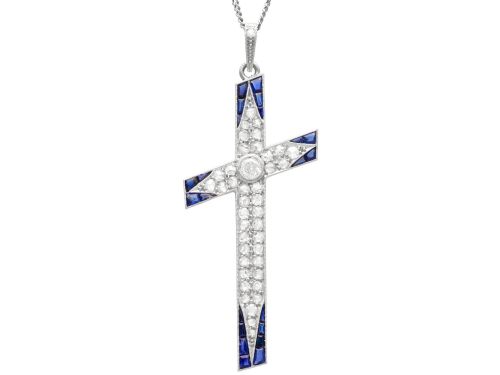
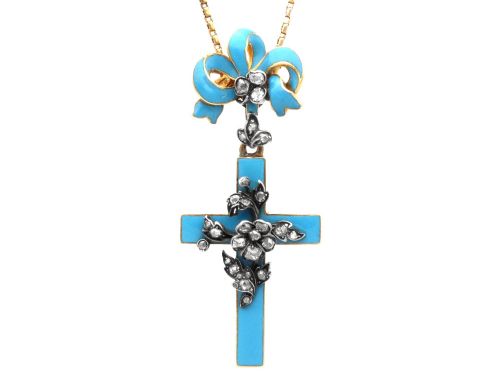
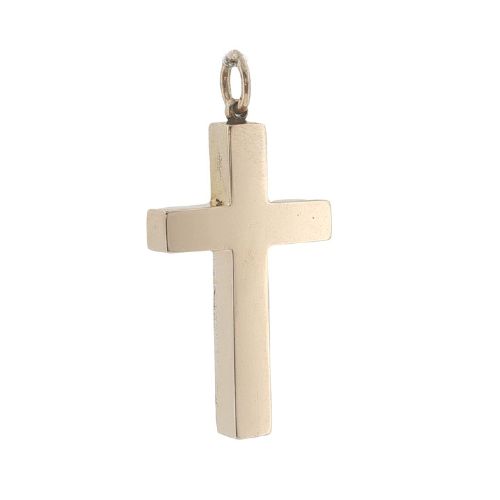
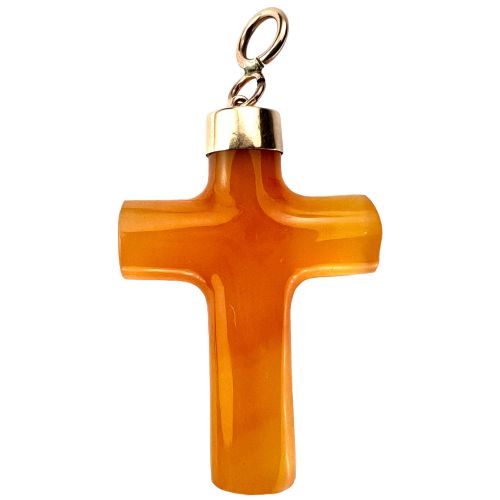
The pieces on this page span simple 9ct gold engraved crosses from Birmingham assay offices to diamond-encrusted Maltese styles and multi-gem clusters. Agate, turquoise, pearl, coral and enamel frequently accent the gold structures, reflecting both religious devotion and changing stylistic tastes through the centuries.
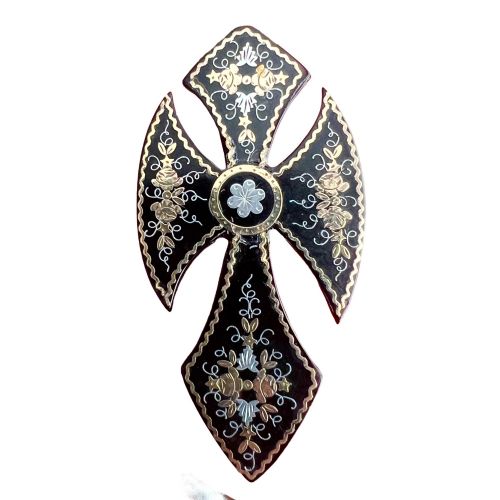
Victorian examples often feature delicate engraving or inlaid silver and gold, while Edwardian and later twentieth-century iterations incorporate diamonds, sapphires and rubies. Whether selecting a tiny gold charm or a large jewelled crucifix, the buyer engages with a diverse lineage of personal ornaments.
How They Were Made
Goldsmiths utilised varying purities of yellow, rose and white gold, ranging from 9ct and 15ct to 18ct and higher, often pairing gold with silver settings to enhance the brilliance of mounted diamonds. Metalworking techniques combined hand engraving, chasing and repoussé work to create textured surfaces on the cross bodies.
Gemstones including diamonds, pearls, turquoise, garnets and pastes were meticulously flush-set, bezel-set or claw-set into the metal frames. Enamel work, tortoise shell inlay and pique techniques further ornamented the surfaces, requiring skilled handcrafting that defined the workshop production of each period.
Gold Cross Pendant Retail Price Guide 2026
Typical asking prices for gold cross pendant among the pieces listed under this phrase on Sellingantiques today, from the lower quarter to the upper quarter. They describe what is for sale here now, not the wider market.
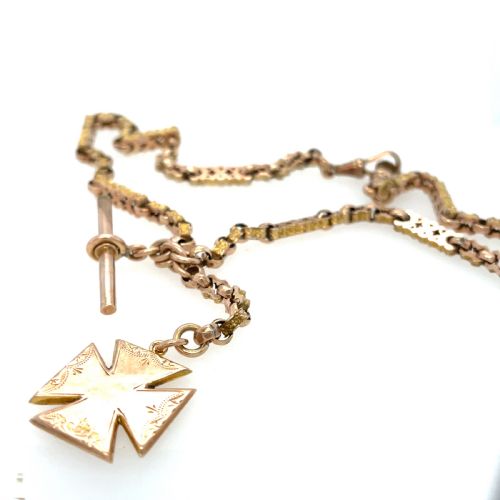
Secret society symbols hide within the archive, featuring ruby skull and crossbones nestled inside gold watch fob pendants.
What Varies in Quality
The selection of materials dictates distinction, where natural pearls, well-matched sapphires, diamonds and vibrant enamels elevate a piece beyond standard production. Maker attribution and legible hallmarks from established assay offices further distinguish exceptional examples from anonymous workshop output.
Omar Ramsden and Alwyn Carr·Jeannette Savoy
The Gold Cross Pendant Glossary
- Hallmark
- An official stamp applied to precious metals indicating purity, origin and year of manufacture. These tiny stamped symbols allow collectors to trace the history and authenticity of a piece.
- Pique
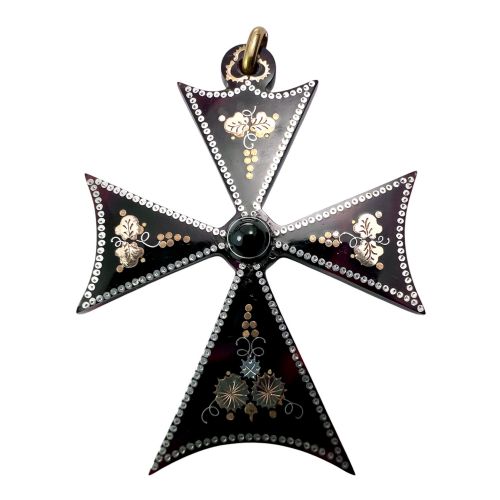
- A method of inlaying tiny pieces of gold or silver into tortoiseshell or ivory. This delicate technique creates intricate geometric or floral patterns across the surface of the pendant.
- Maltese Cross
- A cross form characterised by four arrowhead-shaped arms converging at a central point. This distinct silhouette frequently appears in French vintage and mid-century devotional pieces.
- Repoussé
- A metalworking technique where the artisan hammers the metal from the reverse side to form a raised design in relief. It gives flat gold surfaces rich three-dimensional texture.
Gold Cross Pendant: Frequently Asked Questions
How do I date an antique gold cross pendant?
Dating relies heavily on legible hallmarks, metal purity standards, and the specific style of engraving or gemstone setting used. Comparing the construction methods to known periods like the Victorian or Edwardian eras clarifies the timeline.
Assay office marks and registration numbers stamped on the metal provide precise years of creation. Stylistic cues, such as the cut of the diamonds or the presence of turquoise and seed pearls, further narrow down the decade.
What is the difference between 9ct and 18ct gold crosses?
Gold purity determines the distinction, where 9ct gold contains less pure gold alloyed with other metals for durability, and 18ct gold contains a higher proportion of pure gold. This difference affects the richness of the colour and the weight of the pendant in the hand.
Lower carat golds often exhibit a paler yellow or rose tone, whereas higher carat pieces display a warmer, deeper hue. Both purities were utilised across different periods depending on regional preferences and the intended use of the jewellery.
Can I wear a cross pendant on a modern chain?
Most antique and vintage cross pendants feature standard jump rings or Bails that accommodate contemporary chains easily. Matching the metal colour and carat purity ensures a cohesive aesthetic when pairing an older pendant with a new chain.
Heavier pieces require sturdier chains to support the weight safely during daily wear. Checking the diameter of the pendant's suspension loop guarantees it slips smoothly over the chosen clasp.
How should I clean my gold cross pendant?
Gentle cleaning with warm water, mild soap, and a soft brush removes everyday oils and dust from the metal and stones. Harsh chemical dips should be avoided, particularly on pieces containing pearls, turquoise, enamel or foiled paste stones.
Patinated surfaces and antique seed pearls require extra care to preserve their delicate structures. Professional ultrasonic cleaning is unsuitable for organic gems and soft stones frequently found in antique jewellery.