



Gold Cased Timekeeper
A gold cased timekeeper sits on a desk or travels in a pocket, offering dependable measurement of hours through brass, glass, and gold plate.
Gold Cased Timekeeper
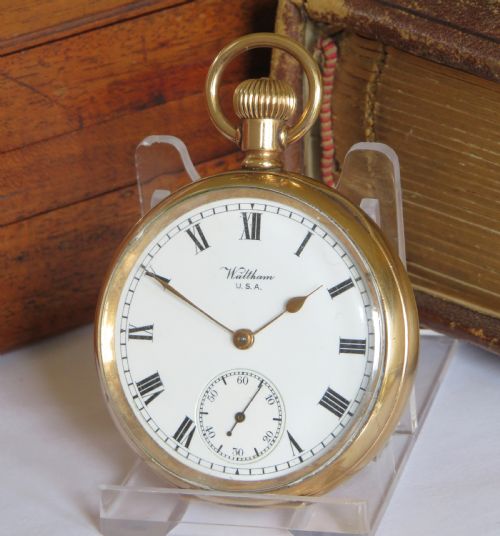
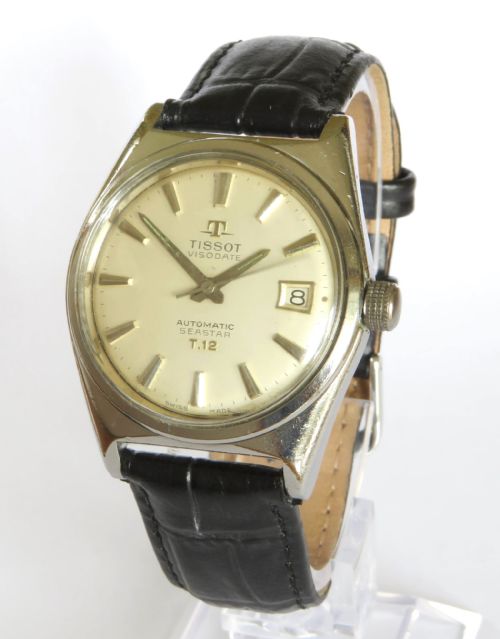
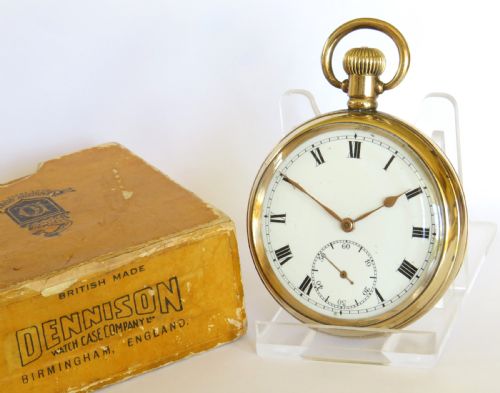
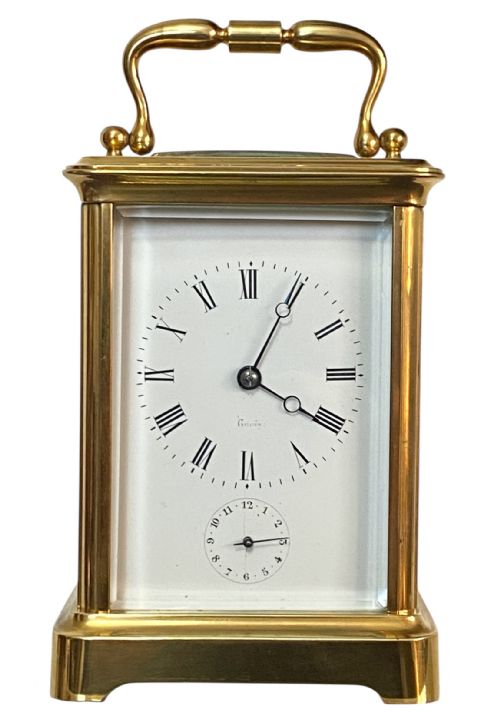
A gold cased timekeeper on this page appears primarily as a pocket watch, wristwatch, or carriage clock spanning from the eighteenth century to the mid-twentieth century. Buyers seeking a gold cased timekeeper encounter diverse styles ranging from Georgian horn-backed pairs to Victorian brass gorge cases and Art Deco French carriage clocks.
The selection reflects both portable personal timepieces and decorative mantle clocks housed in protective enclosures of gold plate, gilt brass, or solid gold. French carriage clocks and Swiss movements dominate the heavier domestic pieces, whilst Waltham, Tissot, Revue, and Le Coultre represent the wearable watch formats.
Materials and construction
Construction relies heavily on brass and gilt bronze frameworks, often protected by glass panels and housed within leather travel cases or horns. Enamel dials provide clear legibility against polished metalwork, while movements depend on intricate mechanical brass gear trains driven by mainsprings.
Outer casings utilise gold plating or solid gold housings, sometimes enhanced by engraved gilt details or horn backings on pair cased pocket watches. Makers combined sturdy brass structures with delicate escapements to ensure both decorative appeal on a mantelpiece and reliable daily service in a pocket.
Listings feature brass, gilt bronze, and gold plate housings enclosing nineteenth-century French movements and twentieth-century Swiss watches.
Assessing quality and craftsmanship
Quality separates through the crispness of engraving on gilt cases, the weight and finish of the cast bronze, and the inclusion of original leather fitted boxes. Finer examples display bevelled glass panels, platform escapements with visible jewels, and signed movements from established makers.
The integration of complications such as alarm mechanisms or striking trains elevates a piece above standard time-only carriage clocks. Simpler mass-produced casings contrast with hand-finished nineteenth-century French work and early Swiss precision watchmaking.
Drocourt Paris·Samuel Marti·Waltham·Tissot·Le Coultre
The Gold Cased Timekeeper Glossary
- Gorge case
- A specific architectural style of carriage clock housing characterised by stepped mouldings around the top and base. It originated in France during the nineteenth century.
- Pair cased
- A pocket watch design featuring an inner movement case enclosed within a separate outer protective case. These outer cases were frequently covered in leather, tortoiseshell, or painted horn.
- Corniche
- A traditional rectangular carriage clock case design featuring simple rounded columns at the four corners. It represents a classic French aesthetic from the Victorian era.
- Platform escapement
- The tiny self-contained assembly holding the balance wheel and escapement in portable clocks. This innovation allowed carriage clocks to keep accurate time while moving.
Gold Cased Timekeeper: Frequently Asked Questions
Are these pocket watches suitable for daily wear?
While historic pocket watches were built for daily utility, surviving examples from the eighteenth and nineteenth centuries require careful handling. Modern lifestyles and clothing lack the dedicated watch pockets these items were designed for.
Many collectors prefer to display them or carry them occasionally rather than subject delicate antique escapements to the rigours of everyday use. Regular professional servicing remains essential if worn actively.
How do I identify a French carriage clock?
French carriage clocks typically feature heavy brass and glass cases enclosing eight-day spring-driven movements with platform escapements. They often include a swing handle on top and come housed in fitted leather travel cases.
Examining the back plate often reveals maker stamps or serial numbers corresponding to nineteenth-century French workshops. The distinct architectural styles, such as gorge or corniche cases, further confirm their origins.
What is the difference between gold plate and solid gold?
Solid gold casings consist entirely of gold alloy throughout the material thickness, whereas gold plated items feature a thin layer of gold bonded to a base metal core such as brass. Hallmarks on the interior casing usually verify the metal purity of solid gold pieces.
Plate shows wear over decades of handling where the underlying brass begins to telegraph through high points. Both finishes were common across different periods depending on the tier of the timepiece.