

Antique Gold Horology
Antique gold horology unites precision engineering and precious metalwork, offering collectors finely crafted timepieces from past centuries.
Antique Gold Horology
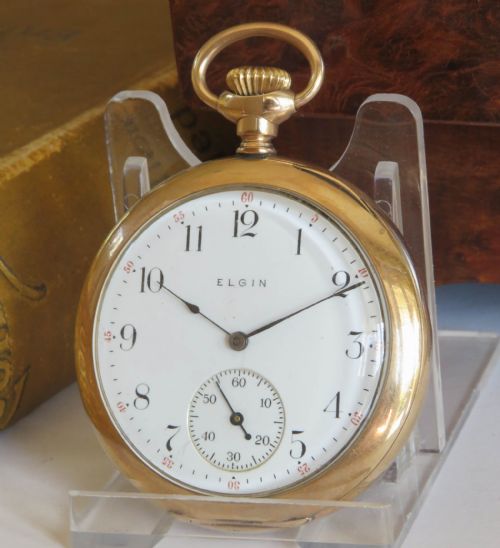
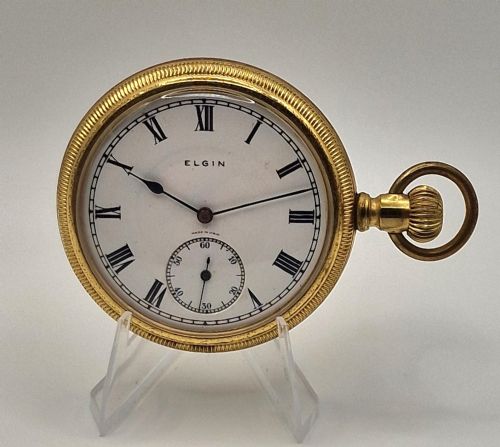
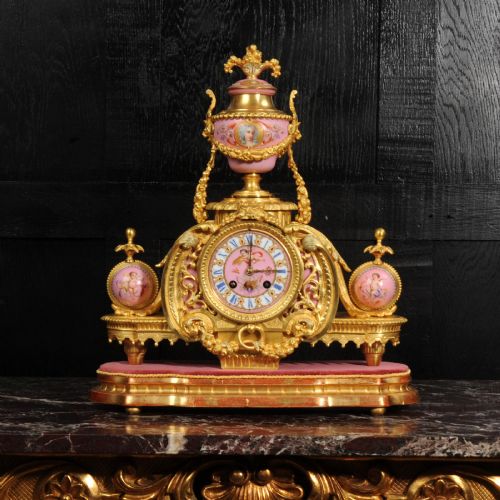
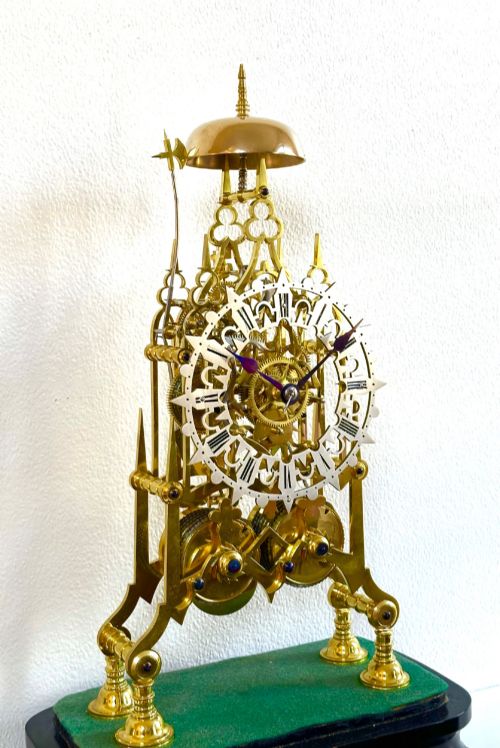
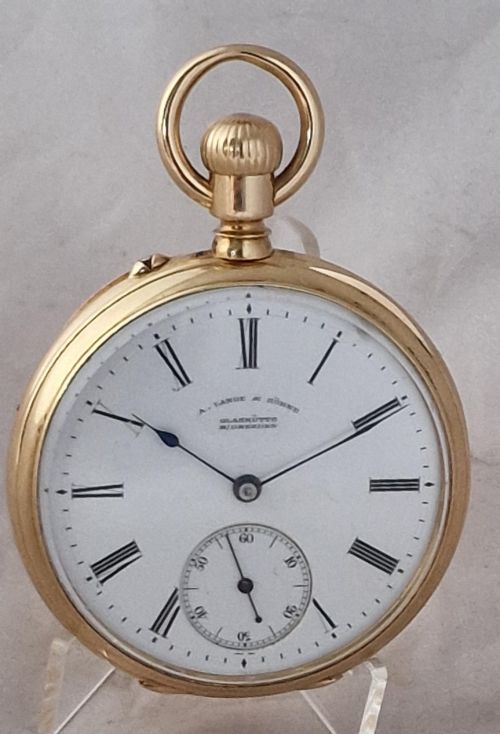
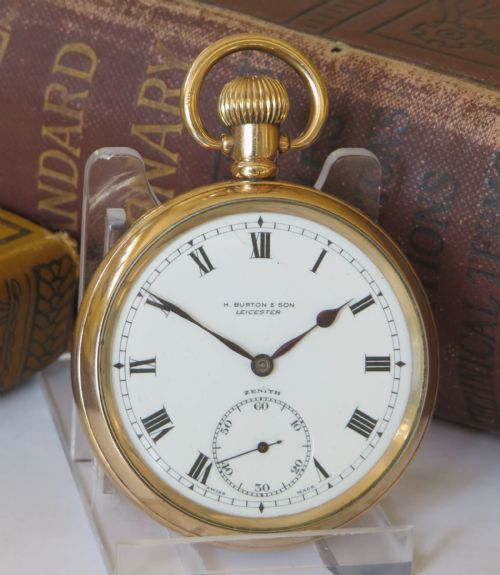
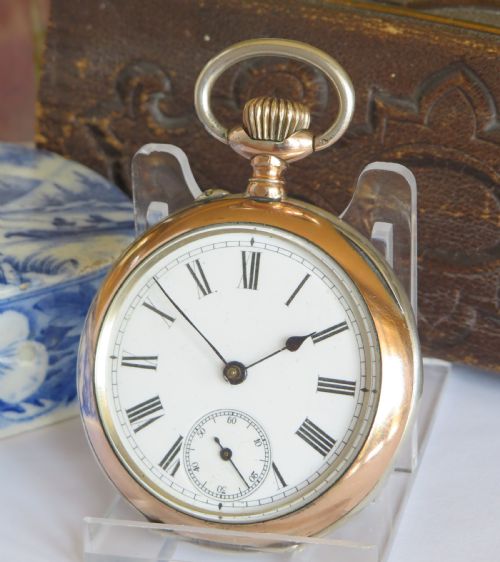
Antique gold horology encompasses portable and stationary timepieces fashioned from gold or incorporating gold elements, spanning pocket watches, wristwatches, and decorative clocks. When exploring antique gold horology on this page, buyers frequently encounter pocket watches from the nineteenth and twentieth centuries alongside occasional mantel or desk pieces.
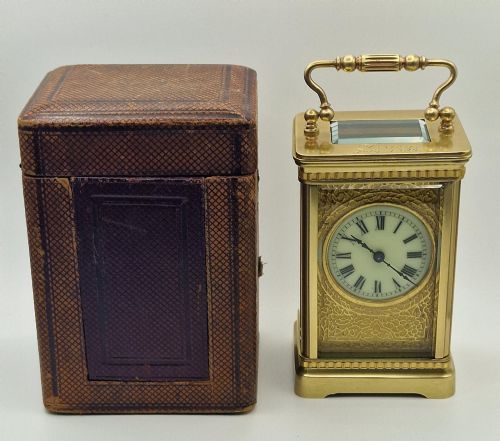
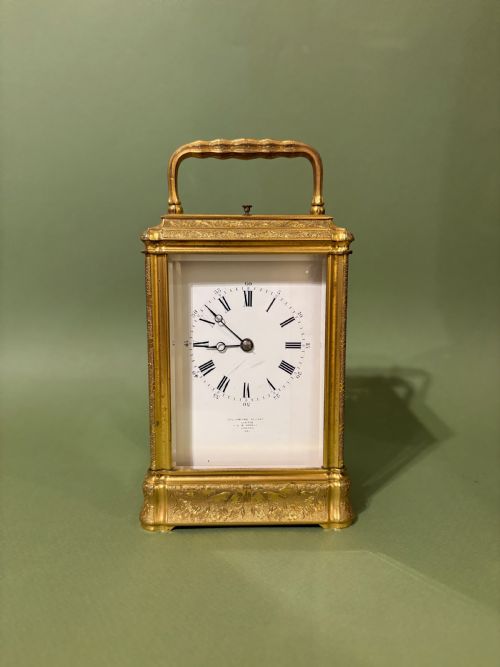
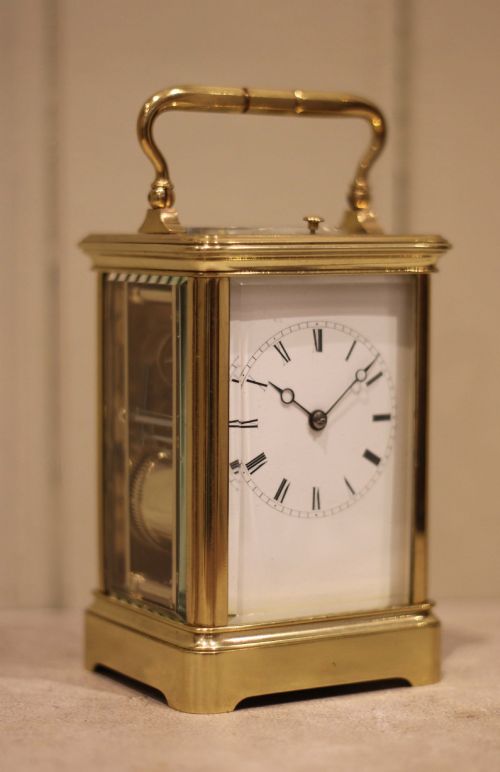
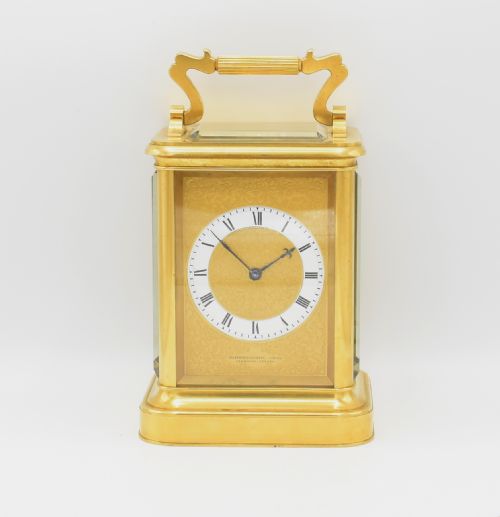
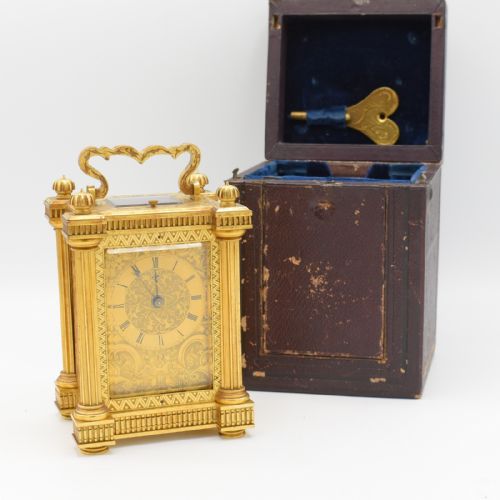
The objects originate from British, French, and Swiss makers, reflecting diverse stylistic movements including the Victorian, Edwardian, and Art Deco periods. Forms range from simple open-face pocket watches to complex repeating carriage clocks and wristwatches housed in precious metal cases.
Materials and Construction
Horological pieces of this era rely on durable metals such as brass, steel, and gilt brass for internal movements, paired with protective glass crystals and enamel dials. Cases and decorative housings often utilise solid gold, gold plate, or ormolu, sometimes complemented by leather presentation boxes or horn outer cases.
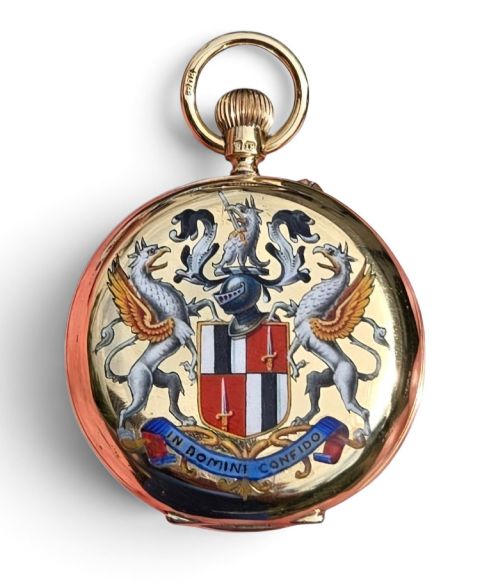
Craftsmen assembled intricate mechanical gear trains, escapements, and fusee movements by hand, integrating complications like quarter repeaters and alarms. Enamel work and delicate metal engraving frequently decorate the dial faces and outer cases of pocket watches and carriage clocks.
Evaluating Quality and Craftsmanship
Quality in these timepieces rests upon the precision of the mechanical movement and the reputation of the maker or workshop. Finer examples display complex engineering such as double fusee or striking mechanisms, housed within substantial gold or ormolu cases bearing crisp signatures and serial numbers.
The refinement of the hand-painted enamel dials, the intricacy of case ornamentation, and the overall original condition of both exterior metalwork and internal gears distinguish exceptional specimens from standard production items.
Henri Jacot·Achille Brocot·Lange & Sohne·Howell & James·Charles Le Roy·Drocourt Paris·C. Detouche·Antoine Redier
The Antique Gold Horology Glossary
- Fusee
- A conical pulley used in older timepieces to maintain even power delivery as the mainspring unwinds. This mechanism helps ensure more accurate timekeeping throughout the power reserve.
- Carriage clock
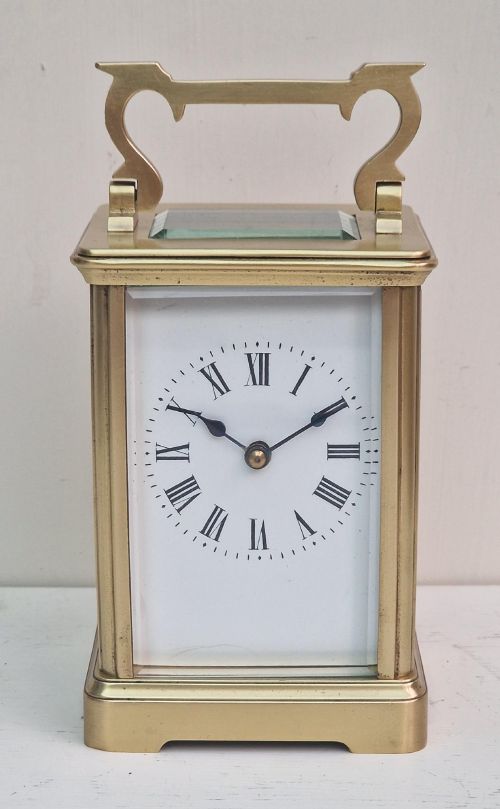
- A small, portable spring-driven clock designed for travel during the nineteenth century. These clocks usually feature glass panels allowing the movement to be observed.
- Quarter repeater
- A mechanical complication that sounds the hours and quarters on gongs when a slide or pendant is activated. This allowed owners to tell the time in the dark.
- Half hunter
- A pocket watch case featuring a glass or open centre in the front cover, enabling the user to read the hands without opening the case. Surrounding numerals or markers are often enamelled directly onto the metal cover.
- Verge
- An early type of escapement used in mechanical watches and clocks before the development of the anchor escapement. It produces a distinctive ticking motion through the action of a crown wheel and pallet.
Antique Gold Horology: Frequently Asked Questions
How do I wind an antique pocket watch?
Most antique pocket watches require a key or the rotation of the crown to tension the mainspring gently until resistance is felt. Care must be taken not to overwind the mechanism, which can damage the internal components.
After winding, setting the time should be done smoothly using the designated lever or crown position appropriate to the specific period of the watch.
Were carriage clocks meant for actual travel?
Nineteenth-century travellers originally used carriage clocks in coaches and trains, relying on their robust brass frames and leather carrying cases to withstand motion. The spring-driven movements were specially constructed to operate accurately despite movement.
Over time, these practical timepieces transitioned into decorative domestic objects placed upon mantels and desks.
What is a fusee movement?
A fusee movement employs a conical drum and a cord or chain to equalise the diminishing power of the mainspring as it unwinds. This traditional engineering method improves the timekeeping consistency of older watches and clocks.
Master watchmakers utilised this system extensively in British pocket watches and carriage clocks during the eighteenth and nineteenth centuries.
How do I identify the date of a pocket watch?
Dating typically involves examining hallmarks on the gold or silver case, maker signatures on the dial or movement, and serial numbers. Stylistic cues such as case shape, dial typography, and hand design also provide strong indications of the manufacturing era.
Consulting maker records helps narrow down the production year more precisely.