



Gold Candlestick Lamps
Gold candlestick lamps bring warmth and period character to a room, combining the practicality of modern lighting with centuries of decorative metalwork and carving.
Gold Candlestick Lamps
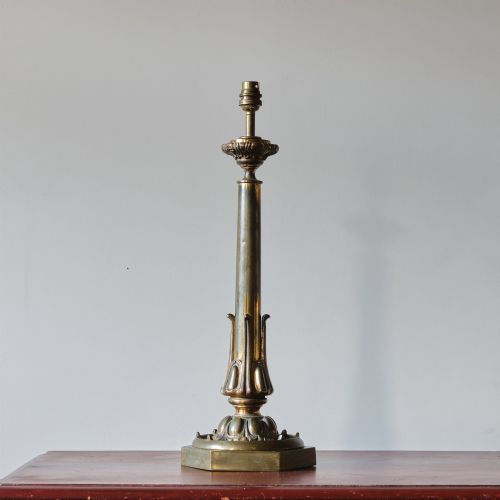
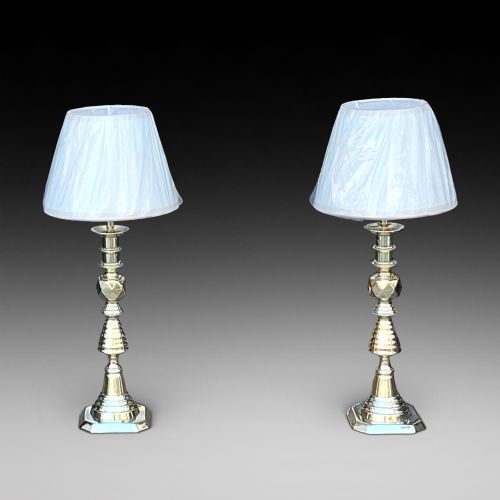
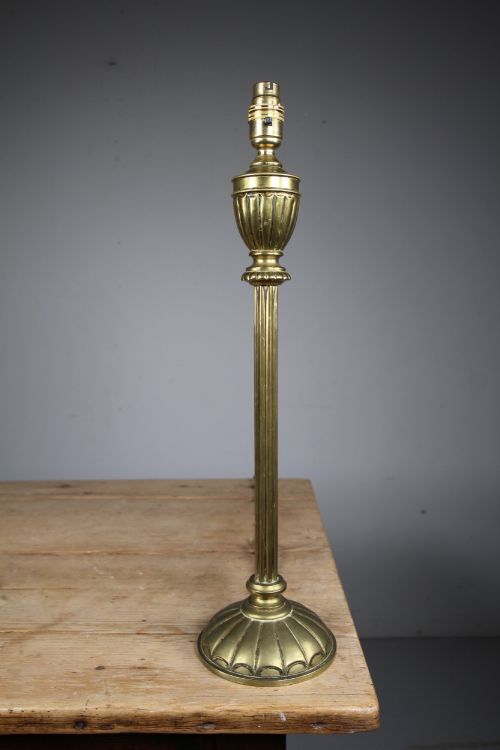
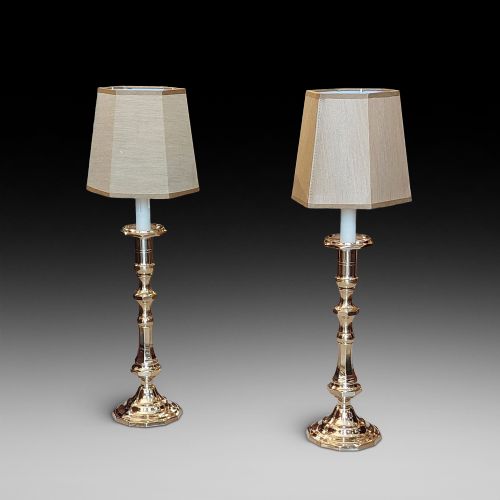
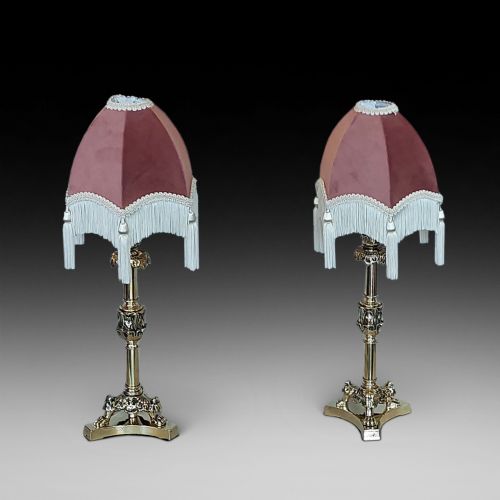
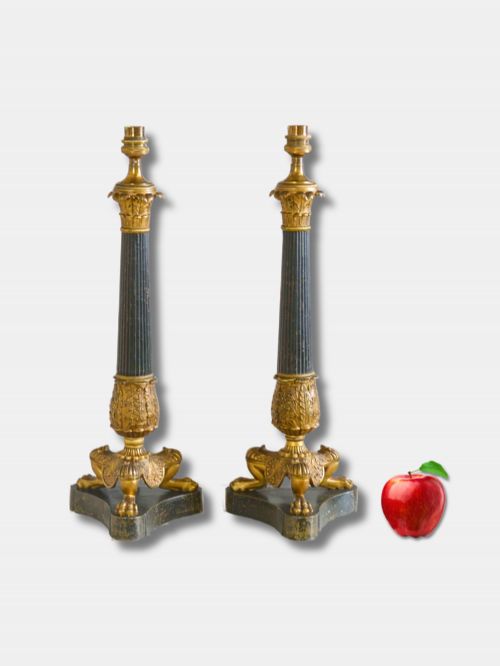
Gold candlestick lamps are lighting fixtures adapted from earlier candleholders, altar sticks, and columns, designed to sit on tables, desks, and sideboards. When searching for gold candlestick lamps, collectors encounter items primarily made from brass, gilt bronze, ormolu, and carved giltwood.
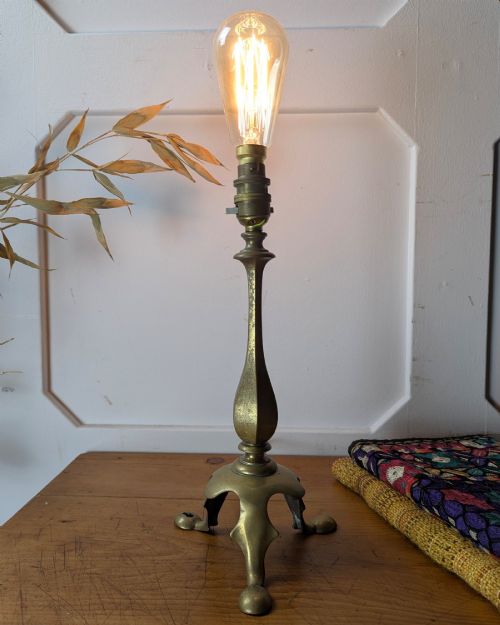
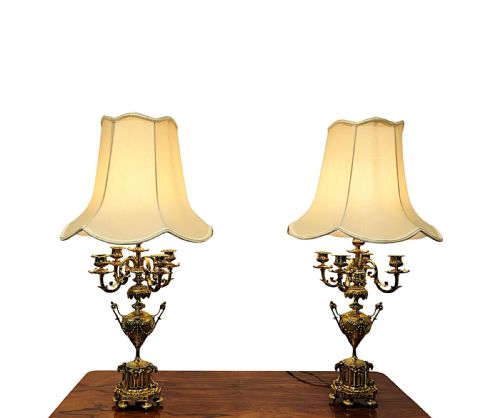
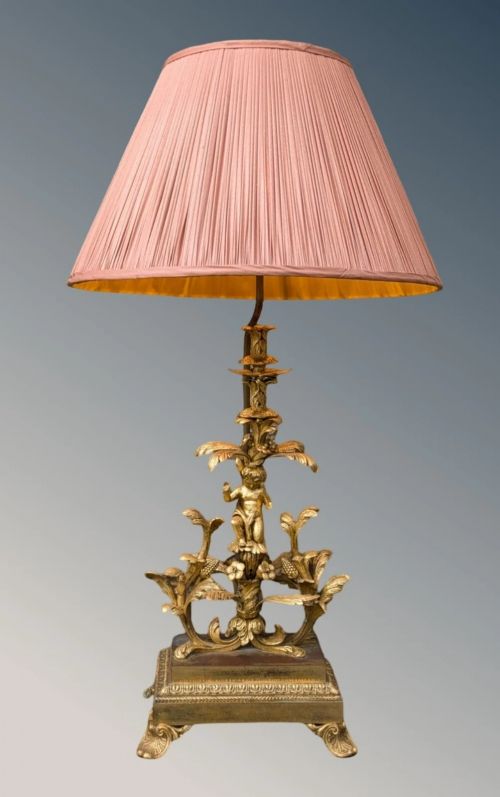
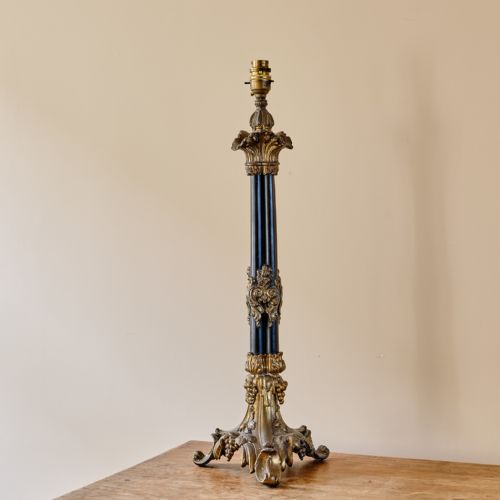
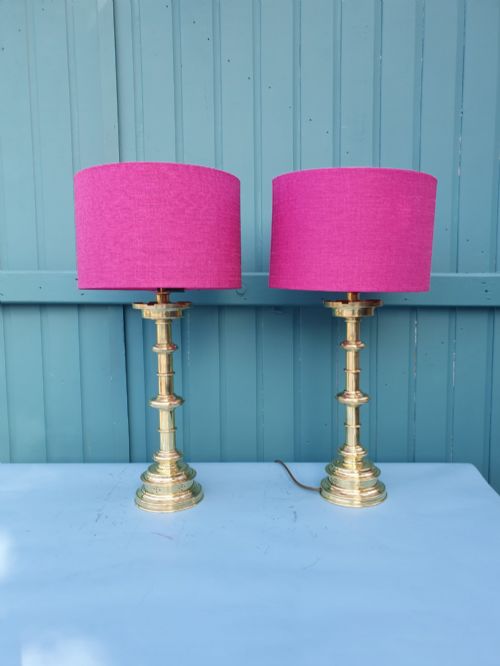
The selection ranges from tall Edwardian and Victorian brass columns to ornate French Empire and Rococo Revival ormolu designs. Many pieces began life as heavy cast brass candlesticks or altar sticks before receiving later electrical conversions.
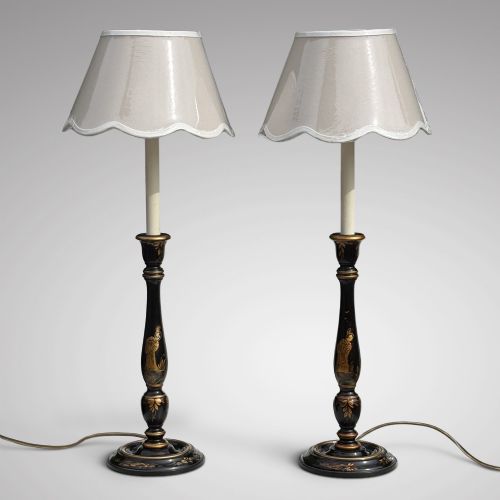
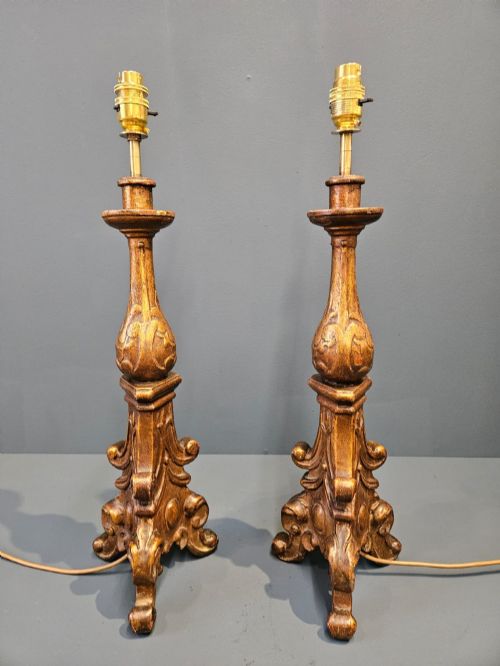
Earlier examples span the eighteenth century and the Regency period, featuring carved Spanish and continental giltwood alongside classical column forms. Later twentieth-century variations introduce lacquered finishes, Chinoiserie details, and hexagonal baluster shapes.
How they were made
Metalwork dominates the construction, relying on heavy cast brass, gilt bronze, and ormolu often worked into intricate classical or Gothic details. Founders utilised sand casting and lost-wax methods to achieve crisp foliate decoration, fluted columns, and figural bases.
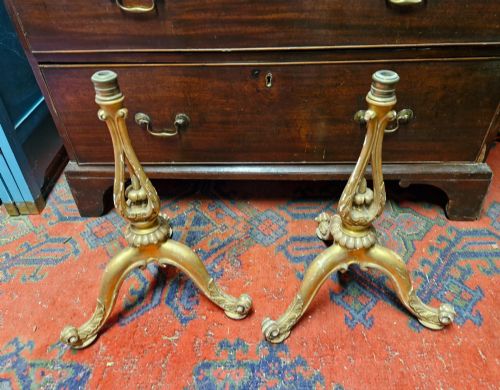
Wooden alternatives employ carved timber, gesso, and applied gold leaf to create gilded tripod bases and altar sticks. Artisans built up these surfaces with layers of gesso before applying thin sheets of gold leaf, which were then burnished to a high shine.
Many items show evidence of adaptation, where original nineteenth-century oil or wax fittings were safely converted to electric lamp holders. Original threading, turned wooden bases, and hand-cut glass or fabric shades complete the structural assembly.
Gold Candlestick Lamps Retail Price Guide 2026
Typical asking prices for gold candlestick lamps among the pieces listed under this phrase on Sellingantiques today, from the lower quarter to the upper quarter. They describe what is for sale here now, not the wider market.
Listings feature brass, gilt bronze, ormolu, and giltwood materials across the 18th Century, Victorian, Edwardian, and Regency periods.
What varies in quality
The crispness of the casting and the depth of the gilding separate standard production pieces from exceptional works. Heavy, fine cast brass and fire-gilded ormolu retain sharp architectural details, whereas worn surfaces or muddy castings indicate lesser execution.
Proportion and material integrity dictate the overall desirability of each base. Solid carved giltwood with intact gesso demonstrates superior craftsmanship compared to simpler turned timber, and original matching pairs hold greater decorative presence than single items.
The Gold Candlestick Lamps Glossary
- Ormolu
- Gilded bronze, typically produced using a mercury amalgamation process that leaves a durable, rich golden finish. It appears frequently on French nineteenth-century lighting.
- Giltwood
- Timber that has been coated in gesso and covered with thin gold leaf. It is common on altar sticks and decorative continental bases.
- Altar candlestick
- A tall, heavy candlestick originally used on church altars, frequently converted into imposing table or standard lamps. These often feature stepped triangular or lion paw bases.
- Gesso
- A plaster-like mixture applied to wood surfaces to provide a smooth base for gilding. It allows carvers to achieve sharp relief details beneath the gold leaf.
- Baluster
- A moulded column of square or circular plan with a swelling lower portion. This shape is typical of seventeenth and eighteenth-century architectural supports adapted for lighting.
Gold Candlestick Lamps: Frequently Asked Questions
How do I date a brass candlestick lamp?
Dating relies on manufacturing techniques, weight, and stylistic clues such as Neoclassical columns or Victorian Gothic revival motifs. Component construction, such as threaded joins and base weights, also helps establish the era.
Turned brass styles shifted from heavy Georgian columns to slender Edwardian forms and later twentieth-century lacquered finishes.
Can I use standard lampshades with these?
Most bases accept standard shade carriers or spider fittings, provided the shade proportion matches the height of the candlestick.
Matching the visual weight of the metal base with an appropriate fabric or parchment shade ensures the lamp remains stable and balanced.
What is the difference between brass and ormolu?
Brass is an alloy of copper and zinc used for structural casting and turning, while ormolu specifically denotes gilded bronze.
Ormolu displays a warmer, deeper golden lustre due to the underlying bronze metal and historical mercury gilding techniques.