

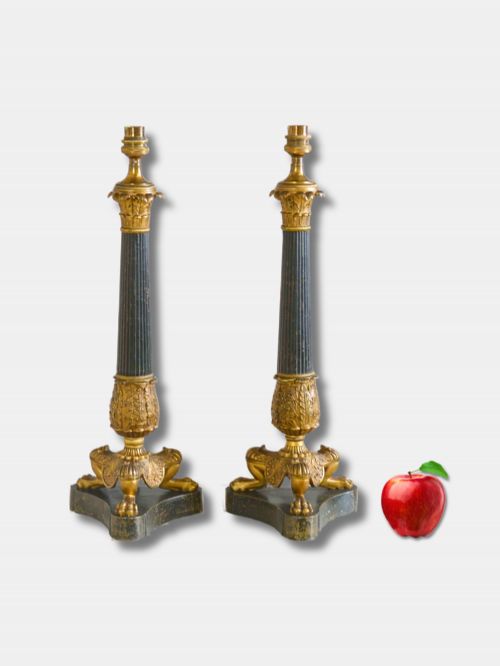


Gold Bronzed Table Lamp
A gold bronzed table lamp brings warm metallic lustre and classical detail into a room, drawing the eye with rich patination and sculptural form.
Gold Bronzed Table Lamp
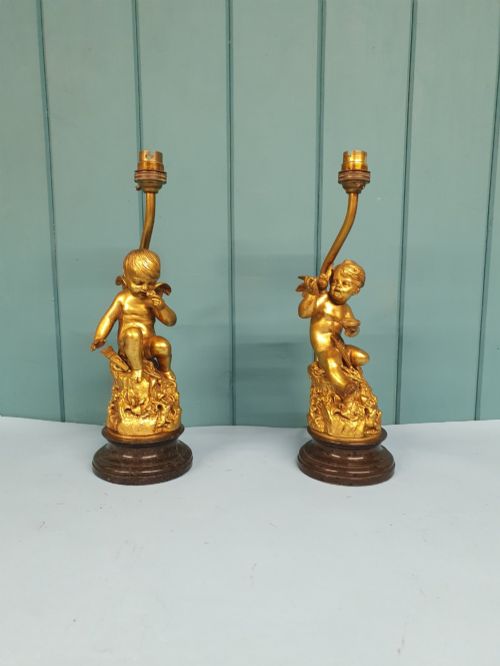
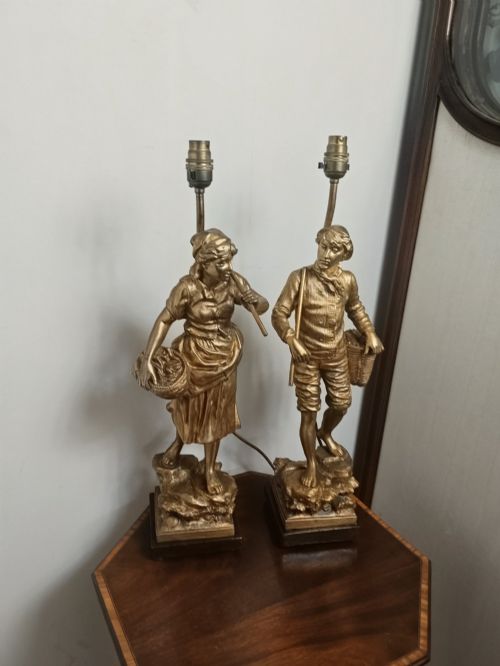
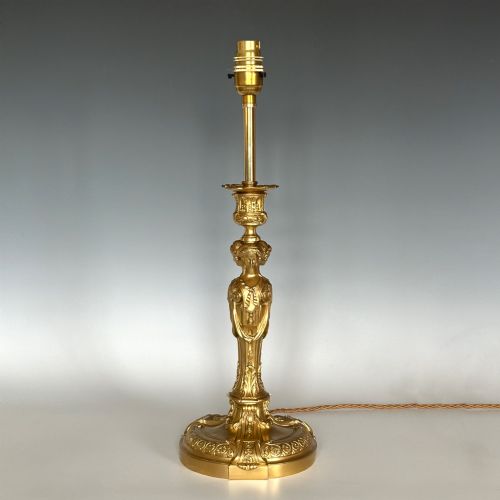
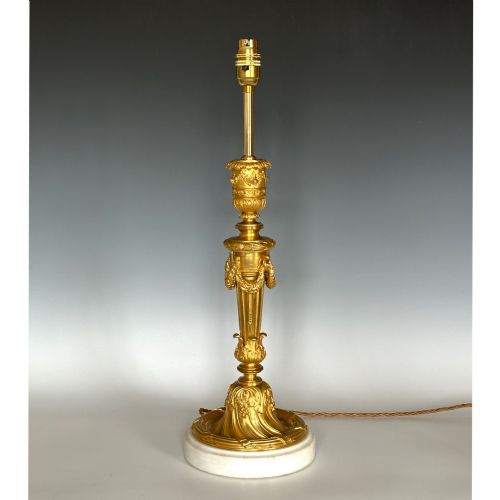
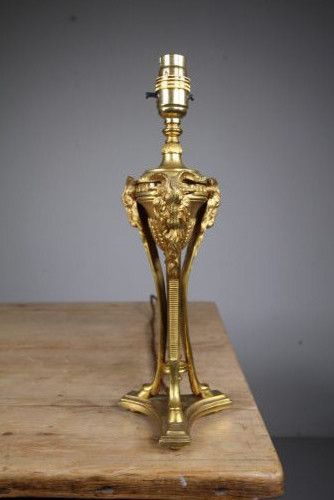
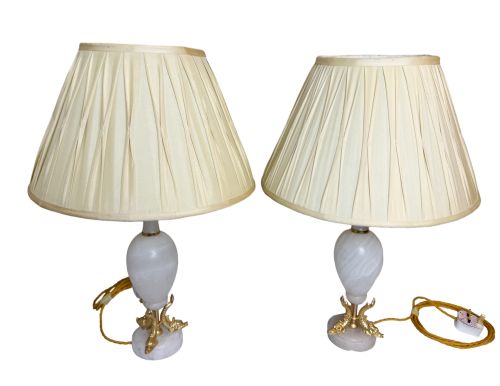
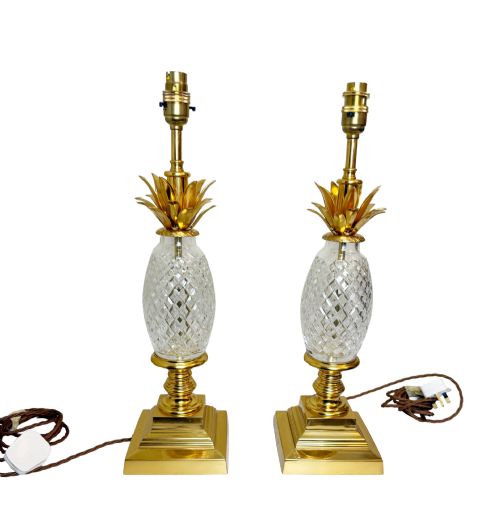
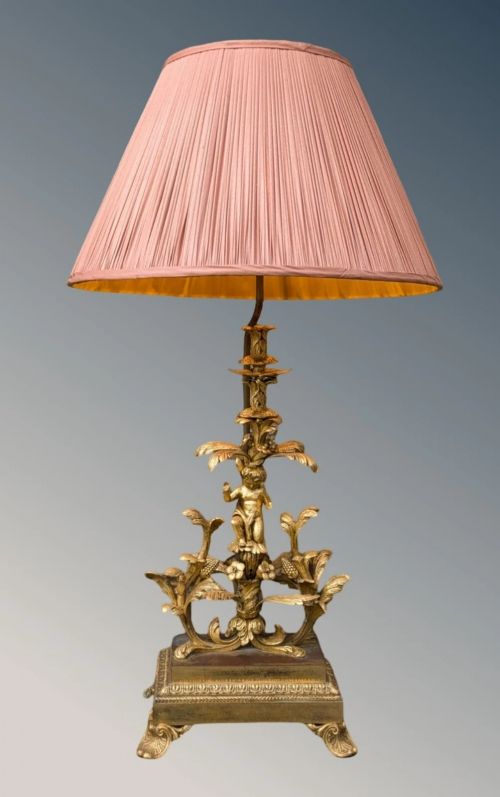
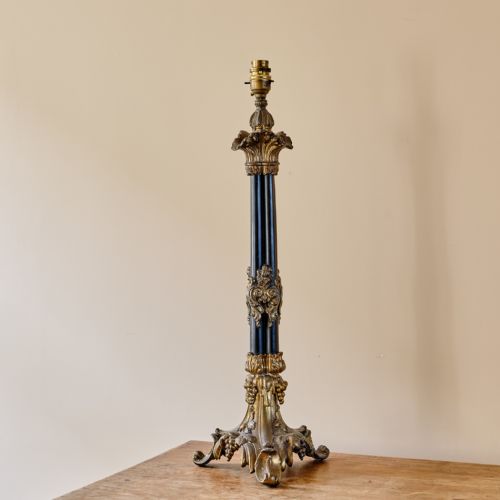
A gold bronzed table lamp embodies the decorative ambition of the nineteenth and early twentieth centuries, merging functional lighting with sculptural metalwork. When searching for a gold bronzed table lamp, buyers encounter pieces fashioned from gilt bronze, ormolu, brass, and gilt metal, often styled in French Rococo Revival, Neoclassical, or Art Nouveau designs. Many examples originate from French workshops, ranging in form from petite floral designs to monumental figural bases depicting cherubs, caryatids, and classical columns.
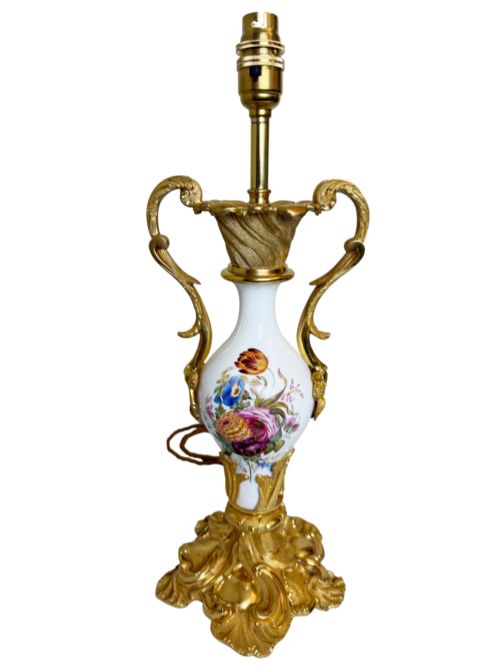
The selection on this page demonstrates considerable variety in both scale and composition, spanning the Victorian era through the early twentieth century. Buyers will find single lamp bases alongside symmetrical pairs, as well as converted candelabra and ewer lamps incorporating materials such as marble, crystal, onyx, and porcelain. Whether simple column designs or elaborate figural compositions, these pieces retain the heavy casting and rich gilding characteristic of their period of origin.
How they were made
The construction of these lamps relies heavily on traditional metal casting techniques, predominantly utilising bronze, brass, and gilt metal. Molten metal was poured into intricate moulds to create figural motifs, acanthus leaves, and architectural columns, which were subsequently hand-finished and chased to sharpen fine details. Ormolu pieces achieved their distinct golden surface through the application of mercury gilding or modern electroplating methods onto a bronze substrate.
Many designs integrate contrasting media, combining cast metalwork with carved marble, faceted crystal, or glazed porcelain panels. Bases featuring cold-painted bronze or faux lapis lazuli demonstrate specialised surface treatments applied by skilled artisans. Wiring was almost universally added later as these lamps were originally constructed for candles, oil, or gas before conversion for electrical use.
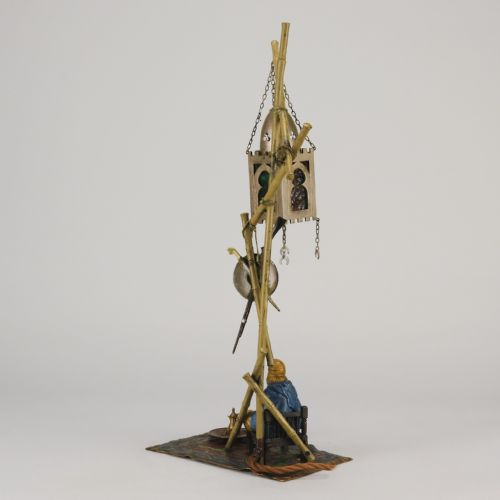
A stoic Arab lamp figure holds the illumination aloft, bearing witness to decades of shifting interior fashions.
What varies in quality
The standard of a gilt metal lamp rests primarily upon the crispness of the original casting and the depth of the metalwork chasing. Finer examples exhibit sharply defined facial expressions on figural subjects and deeply undercut foliage, whereas lesser pieces display softened contours and superficial surface detail. The weight and gauge of the bronze or brass utilised in the base also signal the level of craftsmanship invested in the object.
Material integration further distinguishes the upper tier of pieces, seen in the quality of the marble plinths, the clarity of cut crystal prisms, and the hand-painted execution of inset porcelain plaques. Furthermore, the coherence of the design style, such as an accurately proportioned Louis XVI or Empire framework, indicates the maker's adherence to classical design canons.
E Rousseau·Franz Bergman·L & F Moreau
The Gold Bronzed Table Lamp Glossary
- Ormolu
- Gilded bronze, produced by applying a mixture of gold and mercury to a bronze base or through later electroplating. This technique imparts a rich, warm golden finish characteristic of French decorative arts.
- Chasing
- The manual refinement of a cast metal surface using hammers and punches to sharpen details and create texture. Fine chasing separates masterwork bronzes from standard commercial castings.
- Candelabra
- A branched candlestick designed to hold multiple lights. Many antique candelabra were later converted into table lamps during the electrification of homes.
- Cold-painted bronze
- A method of painting bronze objects with non-heat-resistant paints, popular during the late nineteenth and early twentieth centuries.
- Ewer
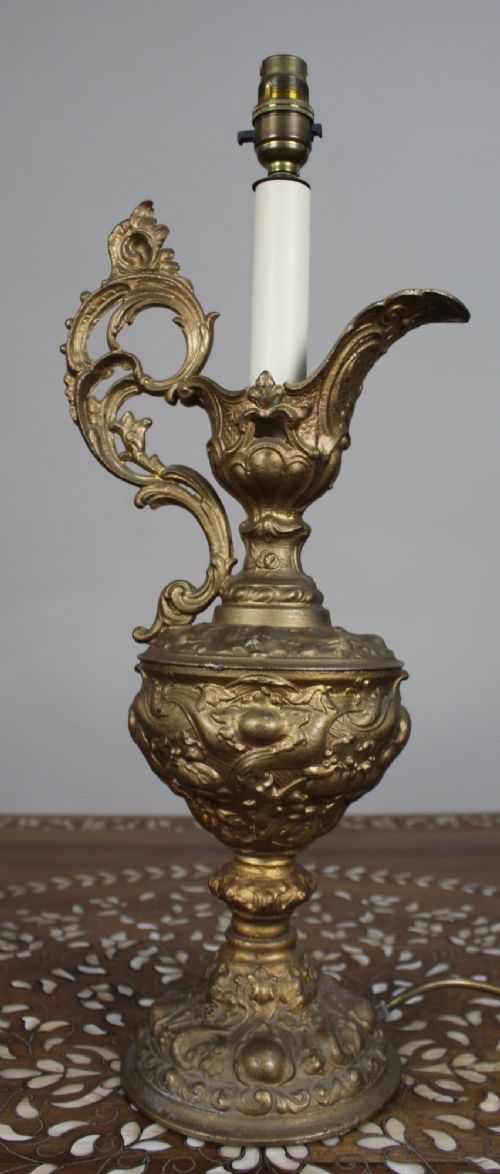
- A large jug with a wide spout, frequently utilised as the body for decorative nineteenth-century lamp bases.
Gold Bronzed Table Lamp: Frequently Asked Questions
How do I date these lamps?
Dating relies on stylistic clues, casting techniques, and material combinations characteristic of specific decades. Pieces often reflect prevailing aesthetic movements such as the Victorian Gothic revival or early twentieth-century Art Nouveau.
Examining the construction methods of the base and any associated hallmarks or signatures provides further chronological context. Many examples date from the nineteenth century through the 1930s.
How do I clean gilt bronze?
Maintenance requires gentle dusting with a soft, dry brush to prevent the accumulation of dirt within the intricate chased details. Moisture and harsh chemical cleaners should be avoided entirely, as they can strip or damage the delicate gilt surface.
Professional conservation is recommended for deep cleaning or repairing patination to preserve the historic integrity of the metal.
What is the difference between ormolu and brass?
Ormolu consists of gilt bronze, featuring a layer of gold applied to a copper alloy base, which yields a deeper and warmer lustre. Brass is an alloy of copper and zinc throughout its mass, possessing a brighter, yellower tone when polished.
In antique lighting, ormolu is typically associated with high-end French decorative pieces, whereas standard brass appears across a wider range of utilitarian and domestic items.