

Gold Brass Fireguard
A gold brass fireguard provides both hearth safety and decorative presence, ranging from folding peacock screens to ornate French revival frames.
Gold Brass Fireguard
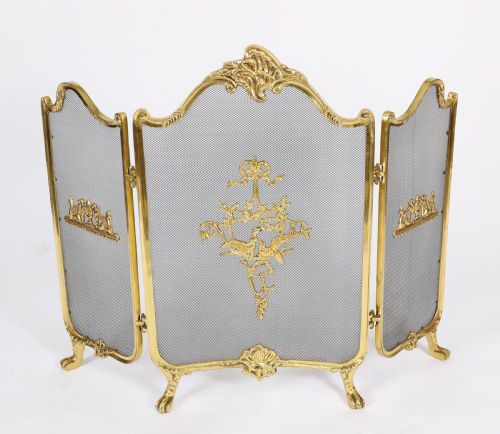
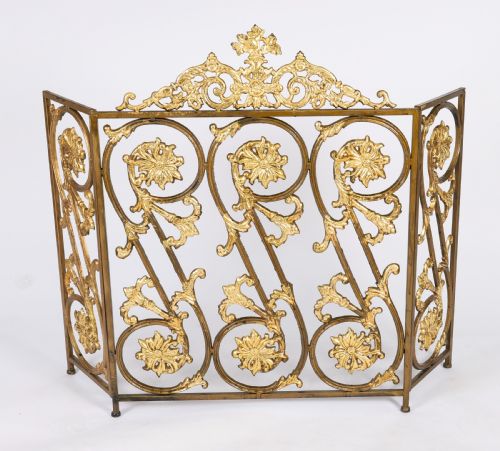
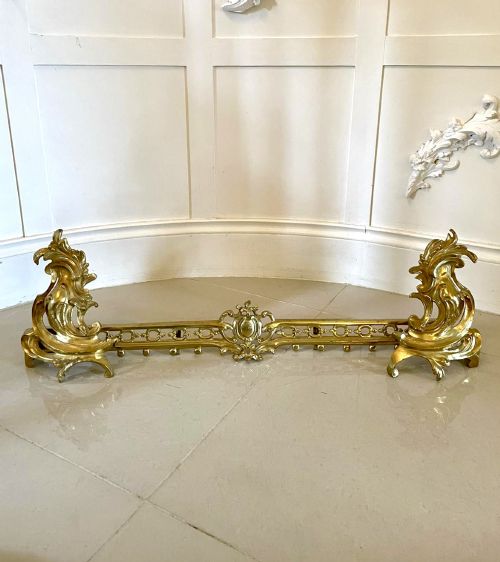
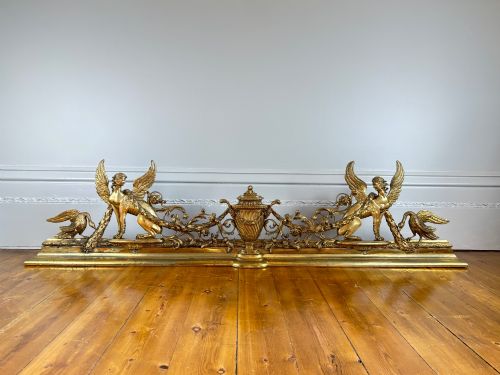
When you search for a gold brass fireguard, you encounter an array of hearth accessories designed to contain sparks whilst framing the fireplace. These pieces function as decorative screens, folding spark guards and extending fenders intended for nineteenth and early twentieth century rooms.
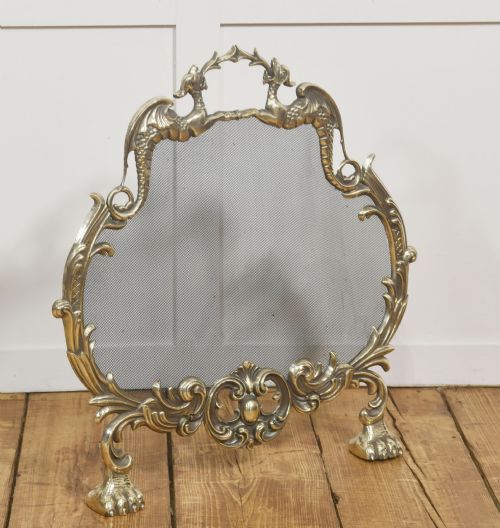
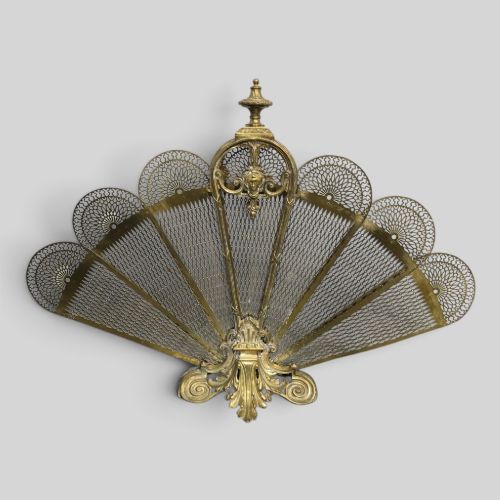
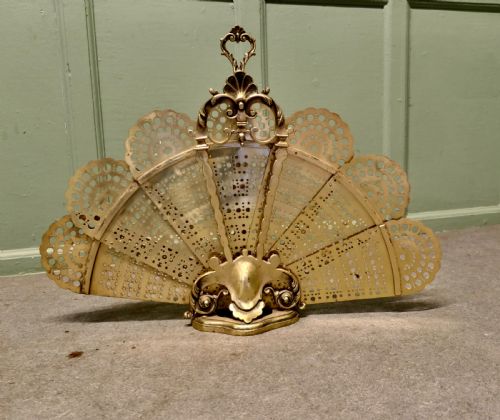
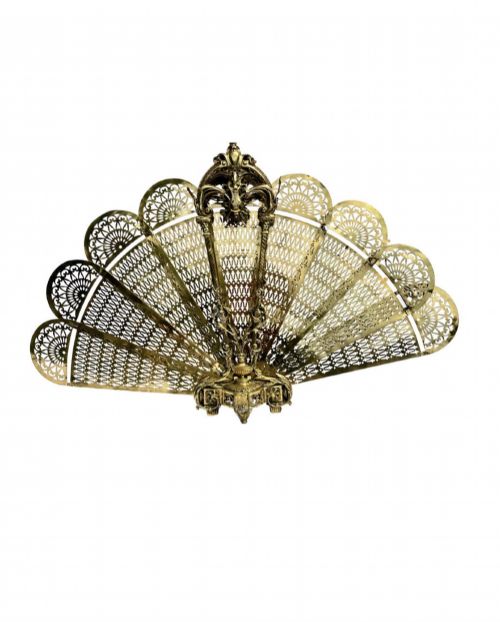
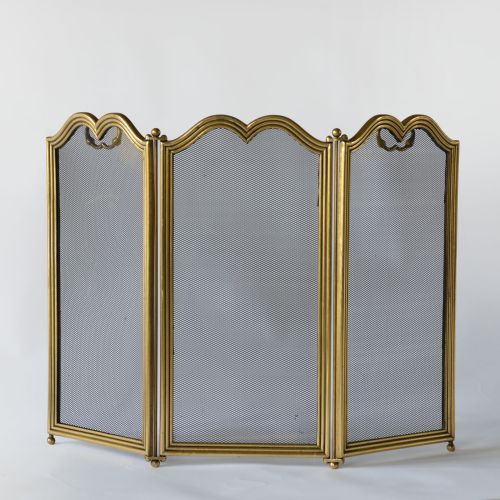
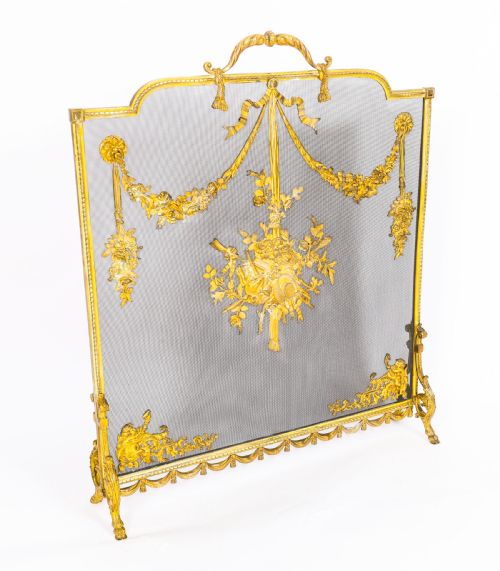
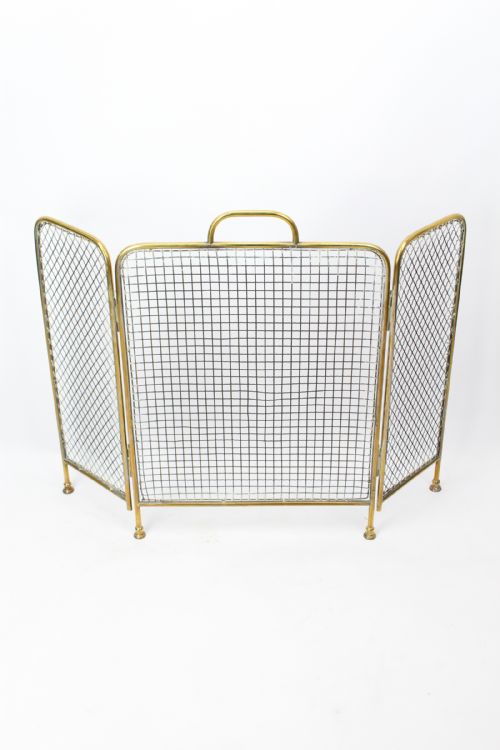
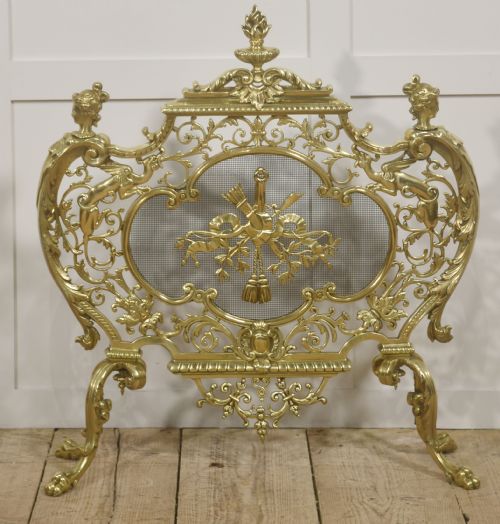
The selection on this page centres primarily on nineteenth century and Edwardian items originating from Britain and France. You meet tripartite folding designs, peacock screens and solid frames featuring mesh or pierced panels.
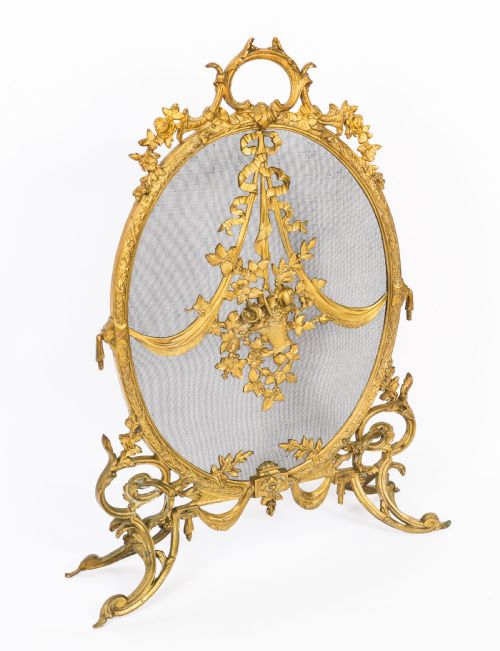
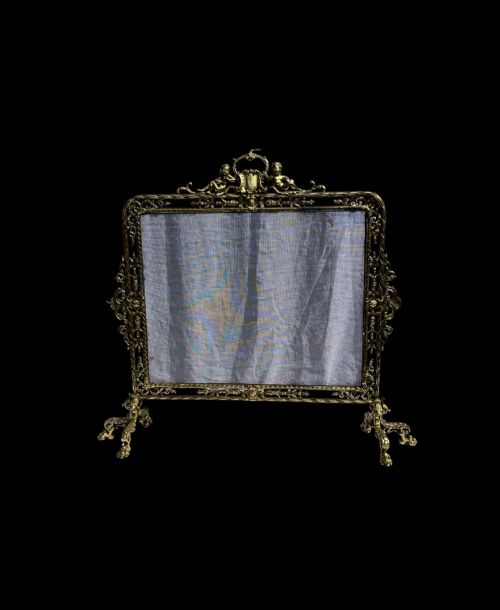
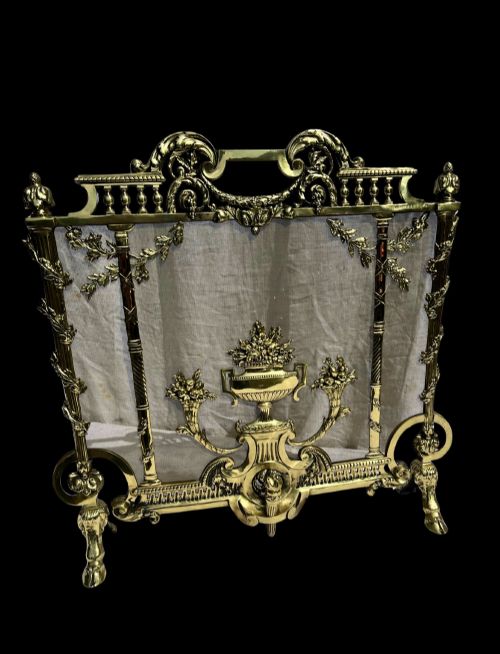
Object forms vary from simple gate fronted spark guards to elaborate bronze and gilt frames displaying French revival styles. Each piece reflects the domestic priorities of its period, balancing physical protection with polished metal display.
What varies in quality
Quality in these hearth pieces depends on the crispness of the casting and the weight of the metal utilised. Heavier gilt bronze and finely pierced brass distinguish substantial examples from lighter, mass produced items.
Artistry shows in the intricacy of the revival styling, from restrained Neoclassical lines to elaborate Rococo asymmetry. The integration of folding mechanisms and the integrity of the mesh panels further divide standard production from exceptional workshop output.
E F Caldwell New York
The Gold Brass Fireguard Glossary
- Fire screen
- A decorative barrier placed in front of a fireplace to block residual heat or conceal an unlit hearth when not in use.
- Gilt bronze
- Copper and zinc alloy treated with a gold leaf or mercury amalgam surface layer to provide a brilliant metallic finish.
- Spark guard
- A functional wire mesh or folding panel screen designed specifically to contain embers escaping from an open fire.
- Ormolu
- Cast brass finished with a fine layer of gold, frequently utilised in French nineteenth century decorative metalwork.
- Peacock screen
- A folding fan shaped fire guard featuring radiating brass or wire blades that expand outward like a tail.
Gold Brass Fireguard: Frequently Asked Questions
How do I clean a brass fireguard?
Dust the metal surface regularly with a soft cloth to prevent soot accumulation in the recessed cast details. Avoid harsh chemical polishes that strip original patination or damage delicate gilt bronze finishes.
Test any cleaning solution on an inconspicuous area before applying it to the entire frame. Gentle soapy water and a soft brush suffice for cleaning wire mesh panels.
Can I use these screens with a real fire?
Many of these pieces were built as functional spark guards or fender surrounds intended to contain active hearth embers. Mesh panels and solid brass frames provide practical protection against sparks in traditional settings.
Verify that folding mechanisms and mesh integrity remain sound before placing any screen near an open fire. Some decorative bronze pieces function primarily as aesthetic summer screens.
What is the difference between a screen and a fender?
A fire screen stands upright to shield the room from heat or sparks and can be moved away when the hearth is in use. Screens often feature folding panels or pole mounted embroidery.
A fender sits directly on the hearth floor around the perimeter of the fireplace opening. Fenders delineate the hearth boundary and occasionally incorporate extending rails or seating.
How do I date a brass fire screen?
Stylistic indicators such as French Rococo Revival, Art Nouveau or Neoclassical motifs provide primary clues to the manufacturing period. The presence of cast registry marks or specific construction fasteners further helps narrow the decade.
Victorian and Edwardian examples often employ specific hinge designs and wire mesh gauges distinct from later twentieth century reproductions. Examine the back of the frame for construction joints and material thickness.