



Gold Brass Figurines
Gold brass figurines bring sculptural weight and metallic lustre to a room, spanning animal studies, historical figures and classical deities.
Gold Brass Figurines
Gold brass figurines encompass cast metal sculptures, animal studies, bookends, chimney ornaments and desk accessories spanning multiple centuries of craftsmanship. When searching for gold brass figurines, buyers encounter Victorian novelties, Art Deco dancers, Regency lions and Grand Tour classical souvenirs.
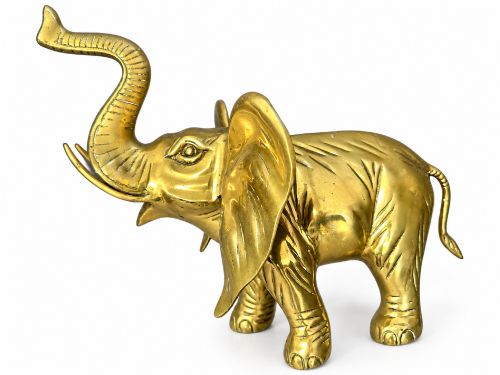
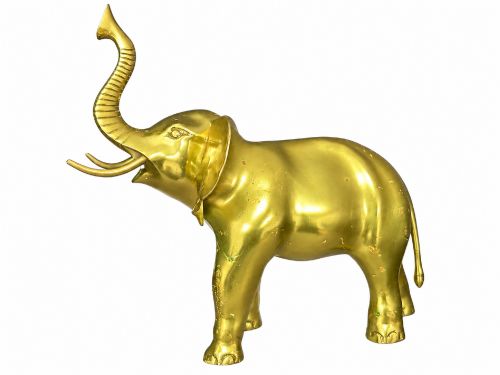
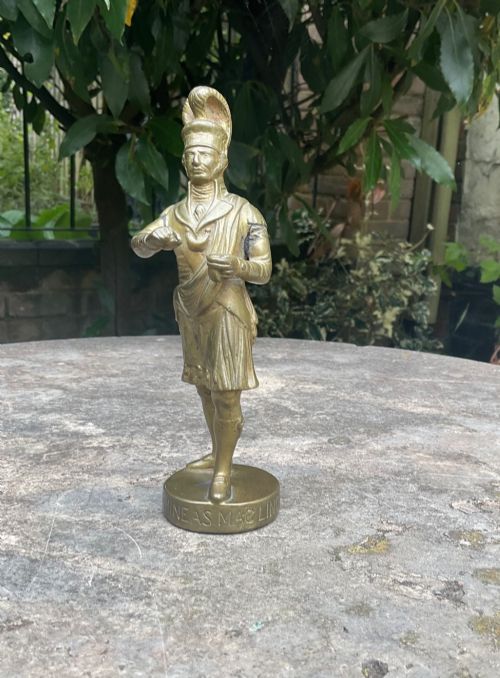
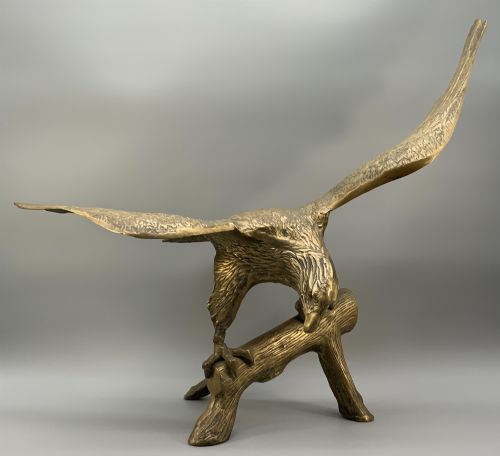
The selections on this page range from mid-century bird sculptures and Indian elephant figures to French gilded bronze statuettes and English brass desk ornaments. Animal subjects dominate the groupings, alongside historical portraits, mythological deities and decorative book rests.
Materials and casting methods
The objects combine solid brass, bronze and spelter, frequently enhanced with gilding, parcel silver plating or enamel details to achieve a rich golden surface. Casting methods include traditional foundry work that captures fine textures in feathers, manes and drapery.
Mounts incorporate secondary materials such as marble and wood to support heavier figures like bookends and mantel clocks. Finishing touches involve hand-polishing and chasing to accentuate relief details on robes, animal forms and architectural bases.
Gold Brass Figurines Retail Price Guide 2026
Typical asking prices for gold brass figurines among the pieces listed under this phrase on Sellingantiques today, from the lower quarter to the upper quarter. They describe what is for sale here now, not the wider market.
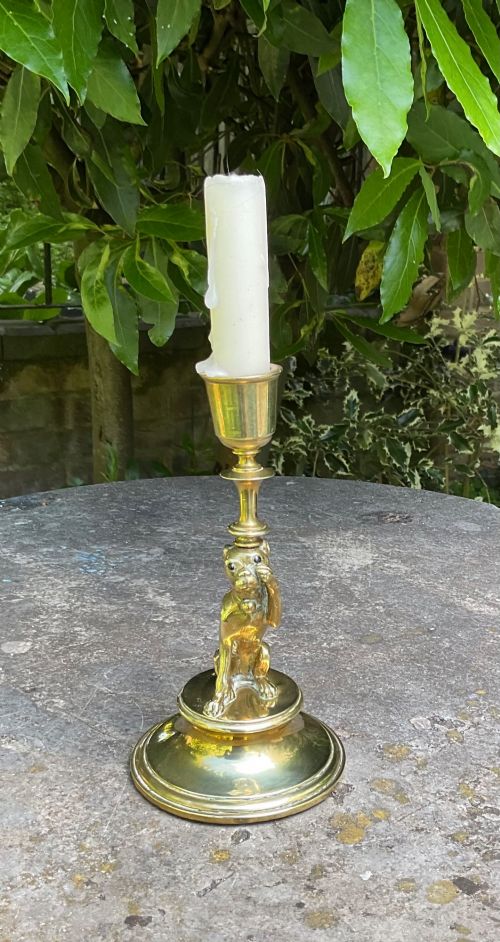
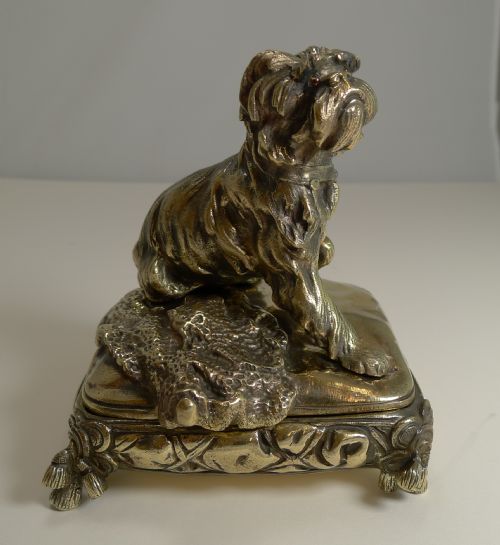
A cast brass pug dog sits ready to hold a taper.
Assessing quality in metal sculpture
Quality rests in the crispness of the metal casting and the depth of the chased surface detail, where sharper chiselling reveals individual feathers, facial expressions and clothing folds. Finer pieces demonstrate careful finishing of the reverse and underside, avoiding surface pitting or crude seam lines.
The application of gilding or fire-gilt surfaces separates standard production items from superior works, retaining an even, warm tone rather than a flat modern paint finish. Proportion and balance in animal anatomy or human posture indicate the skill of the original modeller and foundry.
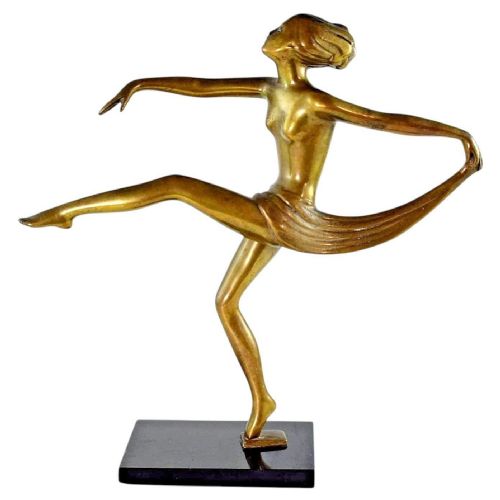
Josef Lorenzl·Emile-Coriolan Guillemin·Baetens London
The Gold Brass Figurines Glossary
- Ormolu
- A golden-coloured alloy of copper and zinc, or the technique of applying finely ground gold-mercury amalgam to bronze, widely used in French decorative arts.
- Grand Tour
- A cultural journey undertaken by wealthy young Europeans in the eighteenth and nineteenth centuries, collecting small bronze antiquities and classical souvenirs.
- Spelter
- An alloy of zinc used as a cost-effective alternative to bronze in decorative figures and table lighters, typically painted or electroplated to resemble brass.
- Chasing
- The manual working of a metal casting with punches and hammers to refine surface details, sharpen contours and remove casting flaws after removal from the mould.
- Fusee clock
- A clock movement utilising a cone-shaped pulley and a cord or chain to maintain even driving power as the mainspring unwinds.
Gold Brass Figurines: Frequently Asked Questions
What is the difference between brass and bronze?
Brass is an alloy primarily composed of copper and zinc, yielding a bright yellowish or golden metallic appearance. Bronze consists mainly of copper combined with tin, resulting in a darker, heavier material that patinates differently over time.
Many antique figures described as brass or gilt bronze combine copper-alloy casting with surface plating, making visual inspection of weight and colour essential for identification.
How do I care for antique gilt metal?
Dust gilt bronze and brass surfaces gently with a soft, dry brush to prevent the accumulation of dirt in recessed crevices. Avoid commercial metal polishes, abrasive cloths or chemical cleaners, which strip away historical gilding and thin patination layers.
Keep pieces away from direct moisture and handling oils, using only a slightly damp cloth for occasional conservation cleaning if required.
What are Grand Tour souvenirs?
Grand Tour souvenirs are small-scale bronze or marble replicas of classical statues, ancient ruins and mythological figures purchased by travellers touring European cultural centres. These miniature sculptures allowed collectors to bring classical art home into studies and libraries.
They display high standards of nineteenth-century metalwork, often reproducing famous museum sculptures with careful attention to proportion.
How do I identify Art Deco metal figures?
Art Deco metal figures feature stylised geometric forms, streamlined silhouettes and characteristic poses associated with interwar design. They frequently depict dancers, athletes or sleek animals rendered in cast brass, bronze or plated spelter.
Signatures or foundry marks may appear near the base, though many successful commercial figures from the period remain unsigned.