





Gold Botanical Pendant
These gold botanical pendants combine natural forms like leaves, acorns, and lucky clovers with period gold work, offering wearable history.
Gold Botanical Pendant
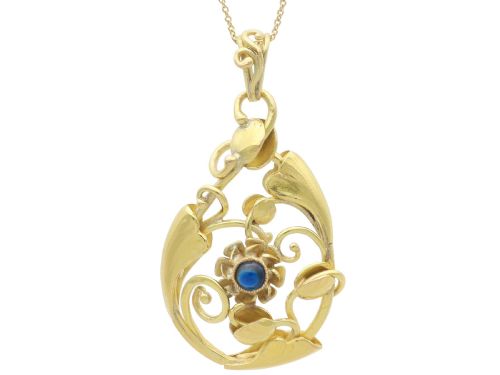
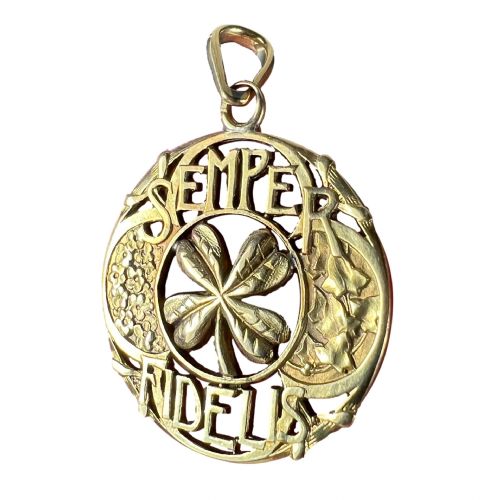
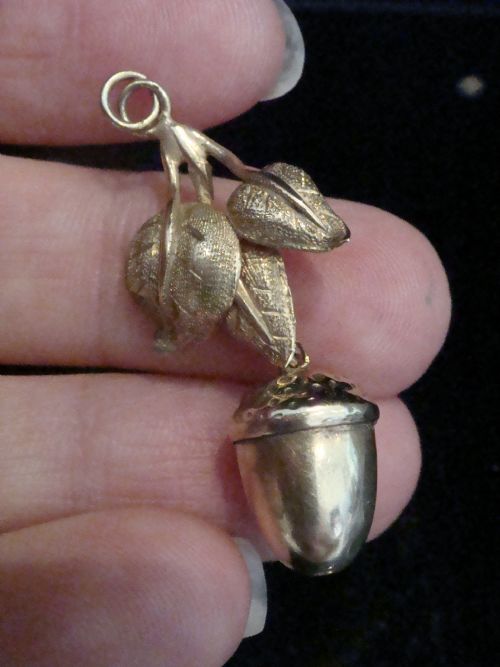
When you search for a gold botanical pendant, you encounter pieces drawing directly on natural motifs like oak leaves, acorns, and clover. These items appear across periods spanning the Victorian era through to the 1930s, capturing flora in precious metal.
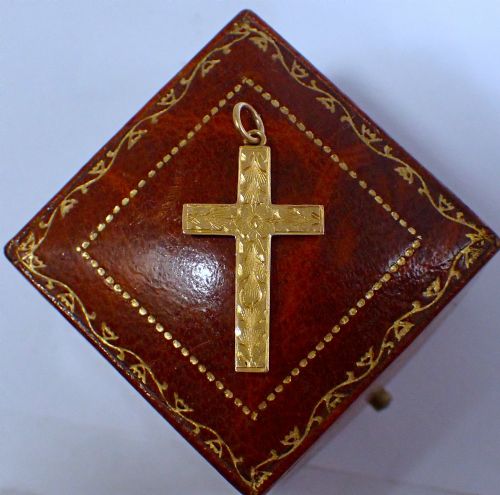
The versions most commonly met on this page include Edwardian 9ct yellow gold pieces and early twentieth-century examples featuring detailed botanical engravings or drop forms. Alongside pendants, related jewellery listings include necklaces and earrings sharing these leaf and acorn themes.
Materials and construction
These items rely principally on 9ct yellow gold, 15ct gold, and 18K yellow gold, shaping precious metal into naturalistic botanical subjects. Craftsmen utilised casting and hand engraving to render veins on leaves and texture on acorns.
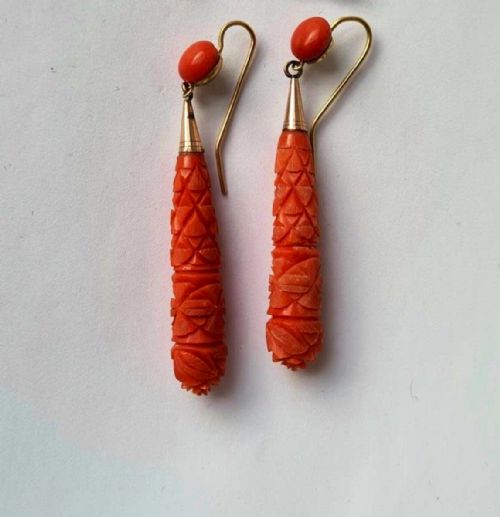
Makers integrated natural elements and gemstones into the metalwork, combining gold with carved jadeite, coral, and moonstone. This construction method ensured both durability and a lifelike representation of flora.
Oak leaves and acorns made enduring jewellery subjects because Victorians believed carrying them ensured personal strength and good fortune.
Distinctions in quality
The upper tier of these pieces displays superior crispness in the rendering of botanical details, such as deeply carved leaf veins and well-defined acorn cups. Lesser examples exhibit softer stamping and shallower engraving that obscures the natural form.
Material weight and purity also set the range apart, moving from standard 9ct gold up to substantial 15ct and 18K yellow gold settings. Superior construction is evident in the secure mounting of stones like moonstone and jadeite within the gold frame.
The Gold Botanical Pendant Glossary
- 9ct Gold
- An alloy containing thirty-seven point five percent pure gold, commonly used in British and European jewellery manufacturing for its durability. It provides a robust setting for delicate botanical pendants.
- Edwardian
- A stylistic period spanning the reign of King Edward VII from nineteen hundred and one to nineteen hundred and ten. Pieces from this era often feature lighter, airier metalwork.
- Victorian
- The period covering the reign of Queen Victoria from eighteen hundred and thirty-seven to nineteen hundred. Jewellery from this time frequently employs heavier gold and sentimental motifs.
- Art Nouveau
- An international style that flourished between eighteen hundred and ninety and the First World War. It is characterised by organic, flowing lines inspired by natural forms.
- Yellow Gold
- The traditional alloy of gold mixed with silver and copper, retaining the natural warm hue of the metal. It forms the primary body colour for these botanical items.
Gold Botanical Pendant: Frequently Asked Questions
What periods do these pendants come from?
The pieces span the Victorian, Edwardian, and early twentieth-century eras up to the 1930s.
Each period imparts distinct characteristics to the gold work and botanical styling.
What materials are used in the pieces?
Construction relies on 9ct gold, 15ct gold, and 18K yellow gold, alongside gilt metal.
Some designs incorporate additional natural materials such as jadeite, coral, and moonstone.
How do I identify an Edwardian pendant?
Edwardian items typically feature lighter fabrication and refined botanical motifs such as oak leaves or clover.
They reflect the transition toward delicate, graceful jewellery designs of the early twentieth century.
Are necklaces included with the pendants?
Some listings pair the botanical pendants with matching chains, while others offer the pendant alone.
Materials for the accompanying chains generally match the gold standard of the pendant.