

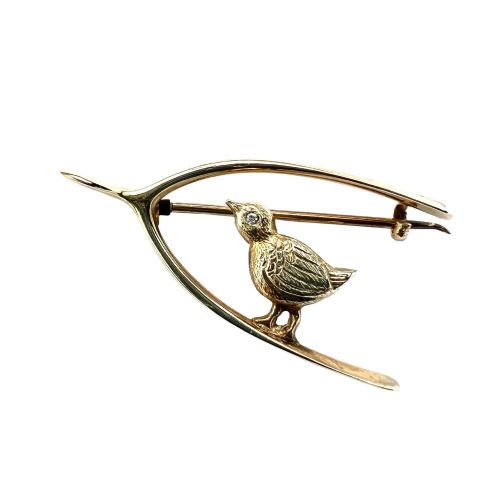


Gold Animal Pin
A gold animal pin brings character and fine craftsmanship to a lapel, offering sculptural depictions of creatures set in precious metals.
Gold Animal Pin
A gold animal pin comprises brooches and pins shaped as creatures, appearing across Victorian, Edwardian and 1960s periods. Buyers seeking a gold animal pin encounter varied forms ranging from realistic depictions to novelty subjects.
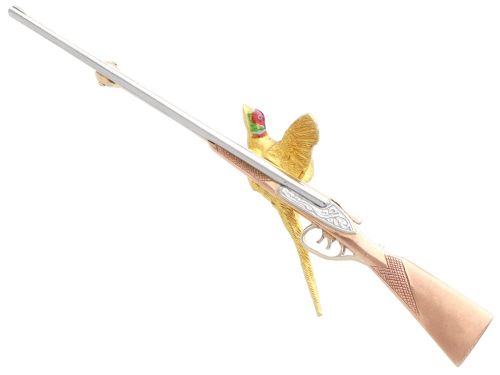
The selection includes specific creatures such as chicks, ducks, rabbits, poodles, monkeys, turtles, cockerels and frogs. These pieces function primarily as decorative dress accessories worn on lapels or garments.
Origins span British, French and London workshops, incorporating periods like the late Victorian era and Mid-Century modern movements. Each piece reflects the aesthetic preferences of its decade, from naturalistic Edwardian designs to playful 1960s novelty works.
How they were made
Maker construction utilises 9ct gold, 12ct yellow gold, 14ct yellow gold, 18ct yellow gold and 18k gold alongside platinum settings. Metals are shaped to form the bodies of birds, mammals and amphibians.
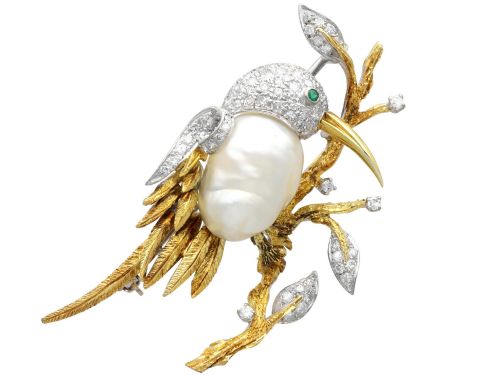
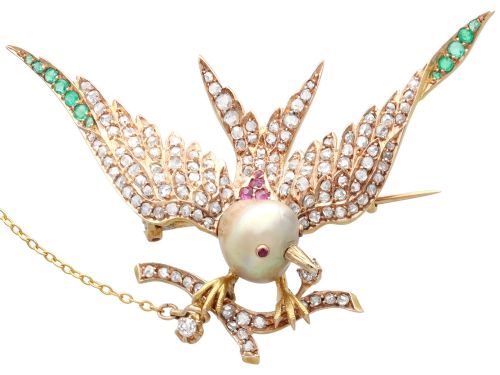
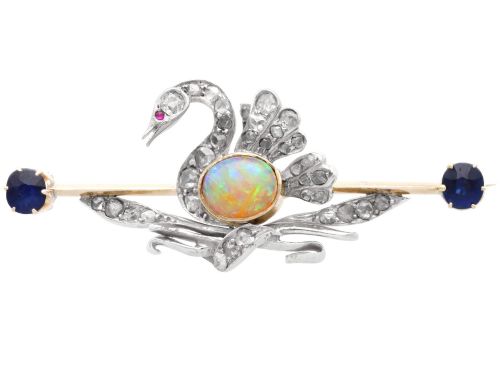
Gemstone embellishment incorporates diamond, ruby, emerald, garnet, peridot, pearl and enamel details. Stones are set into the precious metal to delineate eyes, plumage or decorative accents.
Gold Animal Pin Retail Price Guide 2026
Typical asking prices for gold animal pin among the pieces listed under this phrase on Sellingantiques today, from the lower quarter to the upper quarter. They describe what is for sale here now, not the wider market.
A solitary turtle carries mother-of-pearl while a lucky wishbone teams up with a diamond chick.
What varies in quality
The standard of execution depends upon the fineness of the metalwork and the precision of the gemstone setting. Superior examples display detailed chasing and secure mounting of diamonds, rubies, emeralds and pearls.
Maker attribution and hallmarks elevate a piece, particularly items bearing signatures or specific workshop origins. The integration of enamel work and naturalistic proportions further distinguishes finer items from standard productions.
Kutchinsky·Ben Rosenfeld·E. Wolfe & Co.·Asprey
The Gold Animal Pin Glossary
- Bar brooch
- A slender horizontal metal pin designed to fasten securely across garments. This form provides a structural foundation for animal figures and gemstones.
- Enamel
- Vitrified glass fused to metal surfaces through high heat. It adds coloured decoration to mimic plumage or natural markings.
- Novelty brooch
- A whimsical piece designed to represent an amusing or specific subject matter. These items gained particular popularity during the mid-century period.
- Multi-gem set
- Jewellery incorporating multiple varieties of precious stones within a single design. This technique enhances the colour and visual texture of the animal depiction.
Gold Animal Pin: Frequently Asked Questions
How do I wear a gold animal pin?
These pieces fasten to heavy fabrics, lapels or scarves using a traditional pin and catch mechanism. They function as focal accessories on tailored coats or jackets.
Ensure the garment fabric is sufficiently sturdy to support the weight of gold and gemstone settings without sagging.
What periods do these pins come from?
The selection spans Victorian, Edwardian and 1960s eras, including pieces dated around 1880, 1900 and the mid-twentieth century. Each era brings distinct stylistic traits.
Victorian and Edwardian examples often feature naturalistic diamond and pearl work, while 1960s pieces lean towards novelty and textured yellow gold.
Are these brooches signed by makers?
Certain pieces bear maker signatures, workshop stamps or retail marks on the reverse of the metalwork. Signed items carry documentation of their specific origin.
Unsigned pieces remain common, relying on their period characteristics, materials and construction techniques for identification.
What materials are used in these pins?
Construction relies on various gold purities, including 9ct, 12ct, 14ct, 18ct and 18k yellow gold, occasionally paired with platinum. Gemstones such as diamonds, rubies, emeralds, garnets and peridots provide accent details.
Enamel and mother of pearl also appear frequently to render natural textures and colours.