




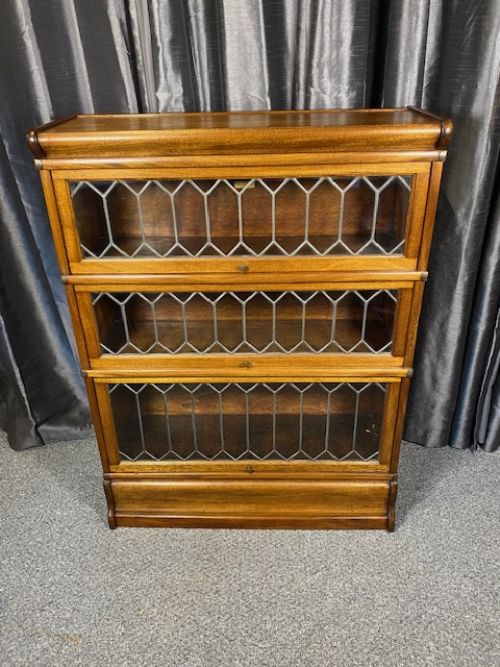


Globe Wernicke Leaded Glass
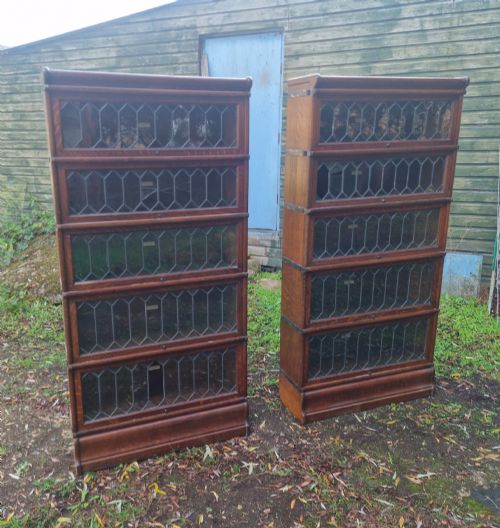
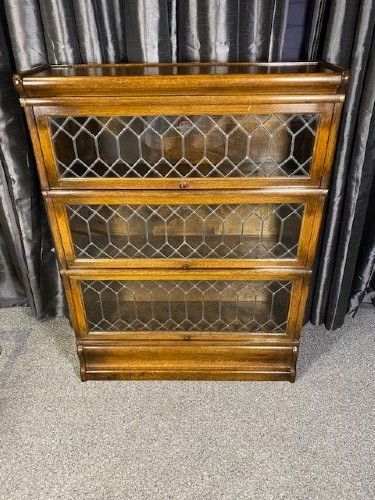
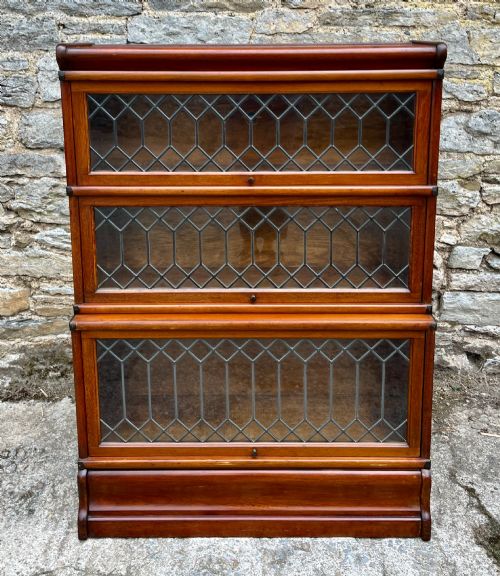
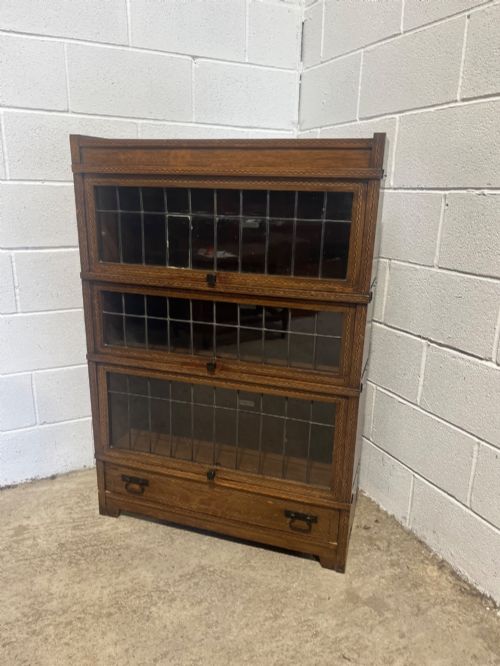
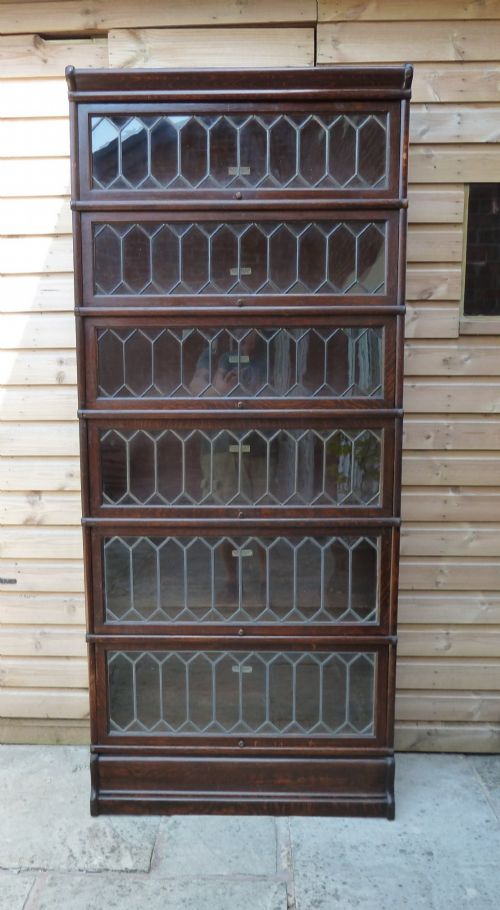
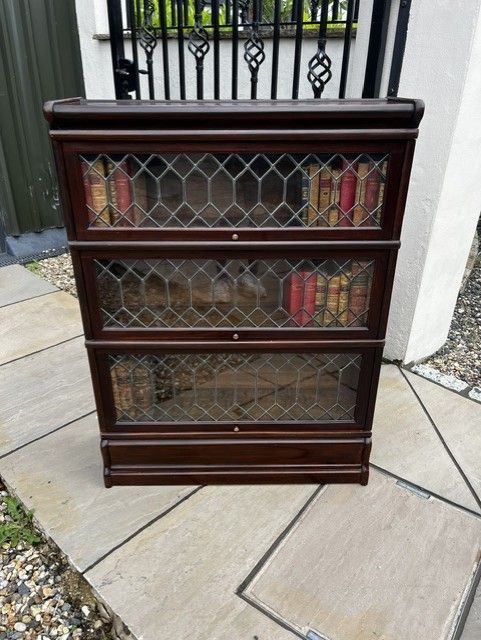
Globe wernicke leaded glass bookcases are modular stacking cabinets prized for protecting treasured volumes behind characteristic leaded panes.
Globe Wernicke Leaded Glass
When you search for globe wernicke leaded glass, you encounter modular stacking bookcases designed to protect individual rows of books behind glazed, lifting doors. These sectional cabinets span from the Edwardian era through the nineteen-thirties, reflecting the period demand for adaptable furniture.
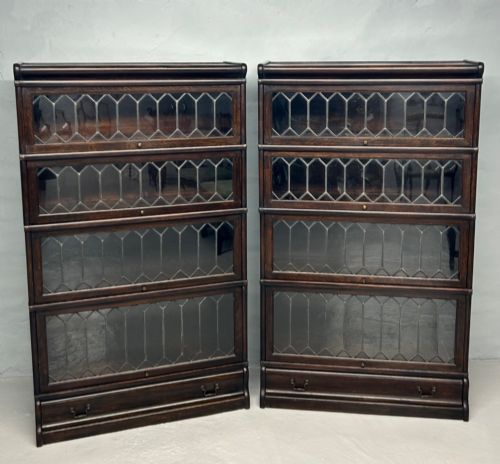
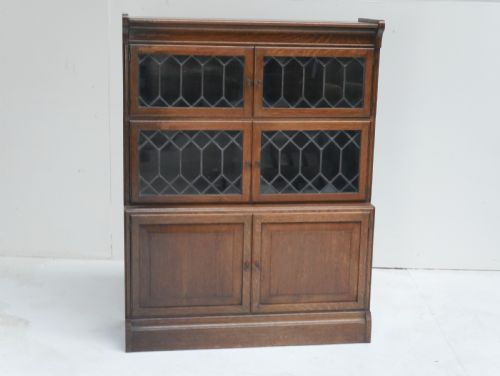
Oak forms the predominant timber on this page, appearing alongside mahogany, walnut, and limed oak variants. The sectional nature allows single tiers to combine into tall, narrow cabinets or paired arrangements suited to domestic interiors.
What varies in quality
The standard of timber selection and complexity of internal mechanisms separate standard production from superior examples. Finely figured mahogany or quarter-sawn oak with prominent medullary rays indicate greater care during original manufacture.
Subtleties in the leaded glass patterns, the integration of wood inlay, and the precision of the stacking brackets define the upper tier of these modular bookcases. Maker attribution also influences distinction, with recognised names commanding particular attention.
Listings span oak, mahogany, walnut, and limed oak finishes, alongside metal and brass hardware details.
Globe Wernicke·Minty·Lebus·Warwick
The Globe Wernicke Leaded Glass Glossary
- Stacking bookcase
- A modular furniture form composed of detachable horizontal sections that sit one upon another. These units can be reconfigured or expanded by adding tiers.
- Leaded glass
- Individual panes of glass joined together by narrow strips of lead into geometric designs. This technique strengthens large glazed areas in cabinet doors.
- Barrister bookcase
- An alternative name for a stacking bookcase featuring glass doors that lift and slide inside the cabinet. The design originated to protect law books in professional offices.
- Quarter-sawn oak
- Timber cut radially from the log to produce a distinct decorative grain pattern often called silver grain. This method yields stable boards used in quality cabinet making.
- Inlay
- Pieces of contrasting timber fitted into the surface of a primary wood to form decorative patterns. This ornamentation appears on select Edwardian pieces.
Globe Wernicke Leaded Glass: Frequently Asked Questions
How do the stacking sections connect?
Each tier is a self-contained box that rests securely on the one below it using specialised side brackets or tongue-and-groove joints. They are not permanently fixed, allowing the entire stack to be dismantled for transport.
This modular construction means you can add or remove sections depending on your storage needs and ceiling height.
How do the glass doors operate?
The glass doors feature a metal mechanism with scissor arms or pin guides that allow the door to swing slightly outward and then slide horizontally into the upper recess of the shelf. This action keeps the door out of the way while you select a book.
When closed, the door protects the contents from dust while remaining transparent for easy viewing.
Where should I place these in a room?
These tall, narrow cabinets suit studies, living rooms, and hallways where floor space is limited but vertical capacity is needed. Because the sections detach, positioning them does not require heavy lifting.
Keep them away from direct heat sources to protect the polished timber and the lead cording holding the glass.
How do I distinguish Edwardian from later pieces?
Edwardian examples typically exhibit rich quarter-sawn oak or mahogany with traditional Arts and Crafts influences in the leaded glass design. Pieces from the nineteen-thirties often feature simpler lines or limed oak finishes.
Maker marks stamped inside the cabinet sections also help confirm the exact period of manufacture.