

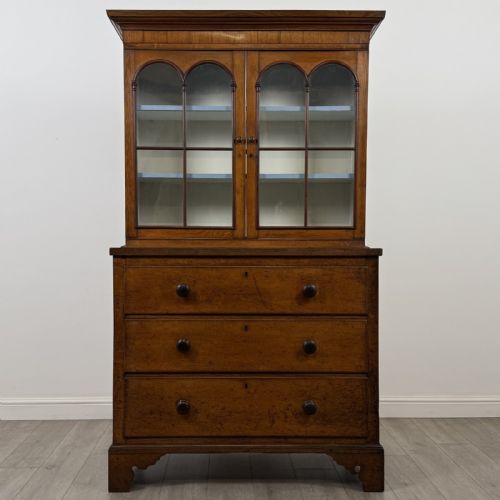
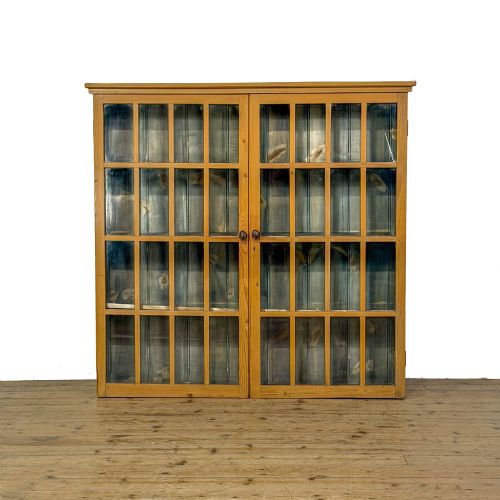


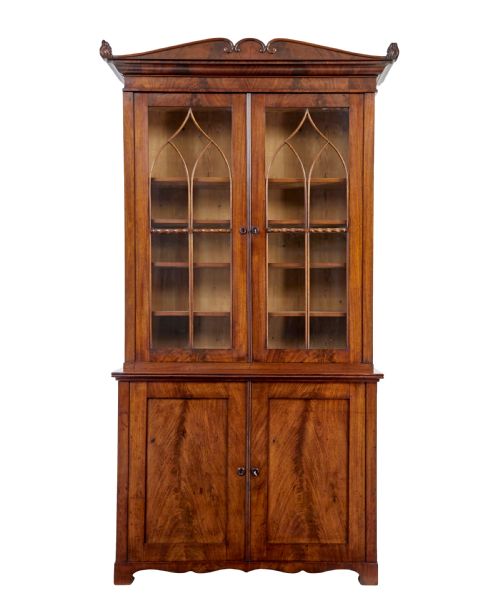


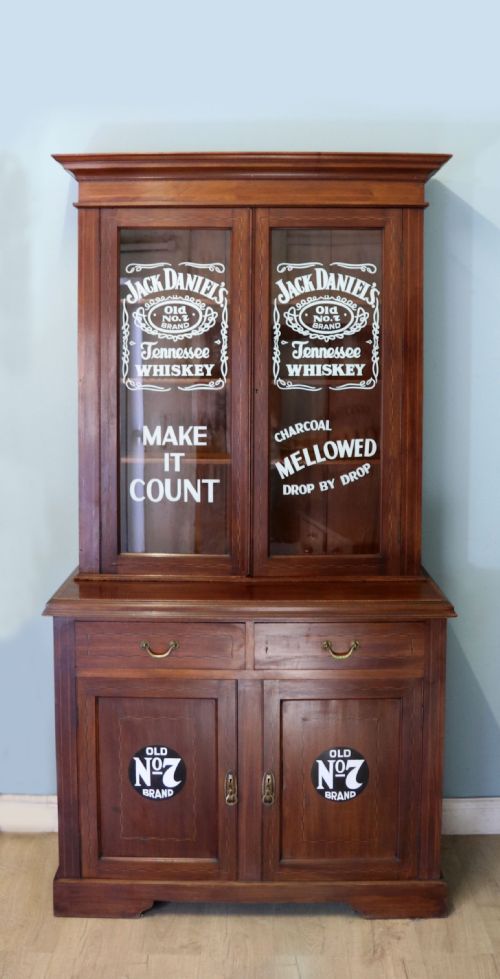
Glazing Bar Display Cabinet
These glazing bar display cabinet pieces bring period timber and divided glass into a room, offering both storage and display for collections.
Glazing Bar Display Cabinet
When you search for a glazing bar display cabinet, you are looking at furniture designed to hold books, drinks, or decorative objects behind divided panes of glass. The pieces on this page span several periods, with Victorian and Regency examples appearing alongside later Georgian Revival and 1930s interpretations.
You will encounter forms ranging from large breakfront bookcases and tall library bookcases to smaller bureau bookcases, side cabinets, and two-piece dressers. Walnut, mahogany, satinwood, and pine form the primary carcases, often paired with brass hardware and painted finishes.
How they were made
Makers constructed these cabinets using dense timbers like mahogany, walnut, and satinwood, frequently applying decorative inlay or flame veneers to the primary surfaces. Pine and painted finishes also appear, particularly on country or continental pieces.
The defining feature is the glazing bar framework that divides the glass door panels into smaller panes. Workshops combined this woodwork with brass fittings and, in certain instances, stained glass or hand-painted decoration.
Glazing Bar Display Cabinet Retail Price Guide 2026
Typical asking prices for glazing bar display cabinet among the pieces listed under this phrase on Sellingantiques today, from the lower quarter to the upper quarter. They describe what is for sale here now, not the wider market.
Some cabinets hide a writing desk inside, proving that Victorian and Georgian cabinetmakers expected you to answer letters and show off your porcelain simultaneously.
What varies in quality
The grade of timber and the ambition of the joinery set the better examples apart from standard workshop production. Flame veneers, intricate mahogany or satinwood inlay, and finely proportioned glazing bars indicate superior cabinet-making.
Design complexity also marks the hierarchy of these pieces, moving from simple pine storage to breakfront libraries and satinwood bookcases with original painted decoration. The presence of untouched original surfaces and period brassware further elevates an example.
The Glazing Bar Display Cabinet Glossary
- Glazing bar
- The narrow wooden or metal strip that holds individual panes of glass within a sash door. These bars define the geometric pattern of the cabinet front.
- Breakfront
- A piece of furniture where the central section projects forward from the flanking wings. This architectural layout creates depth and presence in larger bookcases.
- Bureau bookcase
- A dual-purpose form combining a sloping fall-front desk compartment below shelving enclosed by glazed doors. It provides both a writing surface and display space.
- Flame mahogany
- A veneer cut from timber where the grain creates a flickering, flame-like pattern. Makers prized this figure for principal display surfaces.
Glazing Bar Display Cabinet: Frequently Asked Questions
What is a glazing bar display cabinet?
It is a piece of furniture featuring wooden or metal strips that divide glass door panels into smaller sections, enclosing shelving for display.
These cabinets take many forms, including tall library bookcases, bureau bookcases, side cabinets, and dressers from various periods.
How do I date a cabinet?
Dating relies on identifying timber choices, construction methods, and stylistic cues characteristic of periods such as the Regency, Victorian era, or 1930s revivals.
Details like the profile of the glazing bars, the type of veneer, and the style of inlay help narrow down the period of manufacture.
Where should I place it?
These cabinets suit dining rooms, libraries, or living spaces where books, ceramics, or glassware benefit from dust-protected display.
Ensure the room has stable humidity levels to protect older timbers and veneers from warping.
How do I care for the wood?
Maintain the timber by keeping cabinets away from direct sunlight and sudden temperature changes that can dry out old finishes.
Apply appropriate wax polish sparingly to nourish mahogany, walnut, and satinwood surfaces.