


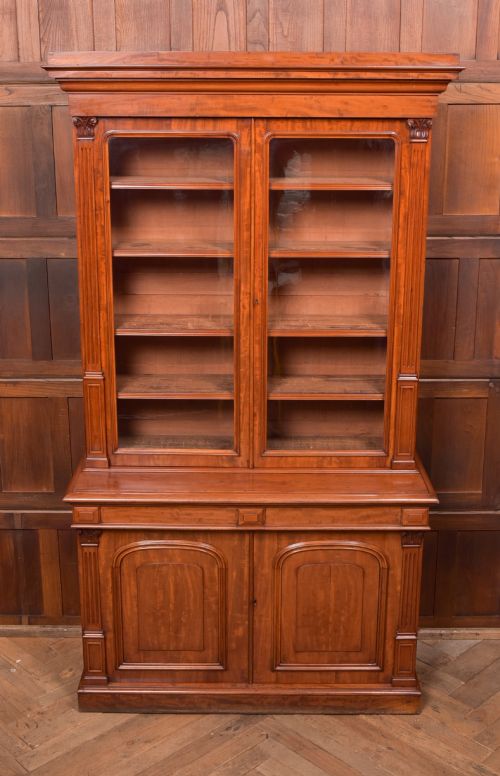


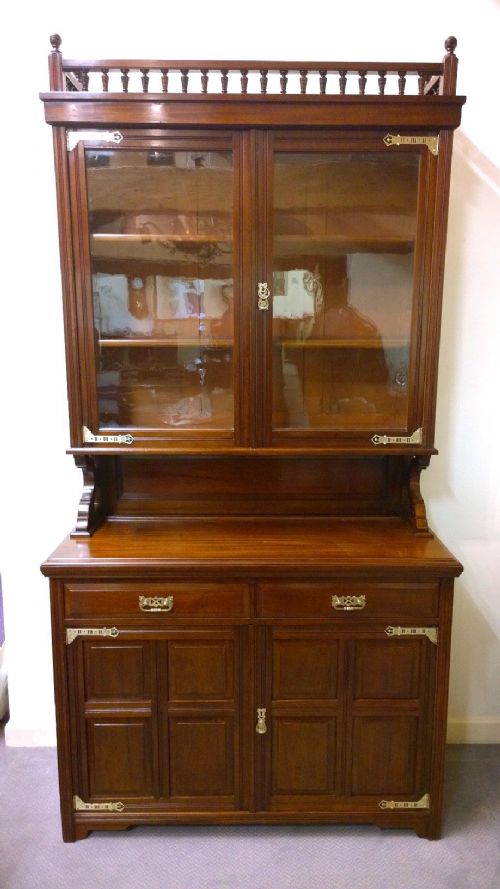
Glazed Top Bookcase Cupboard
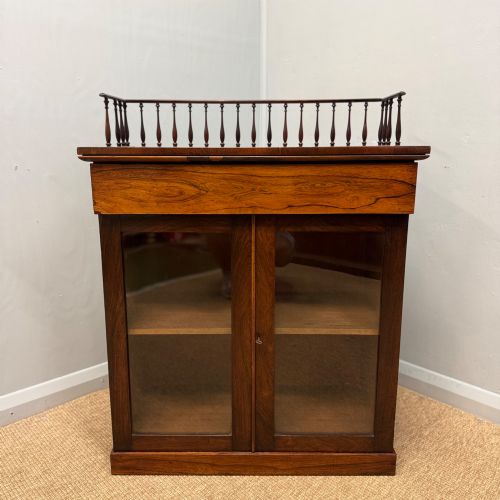
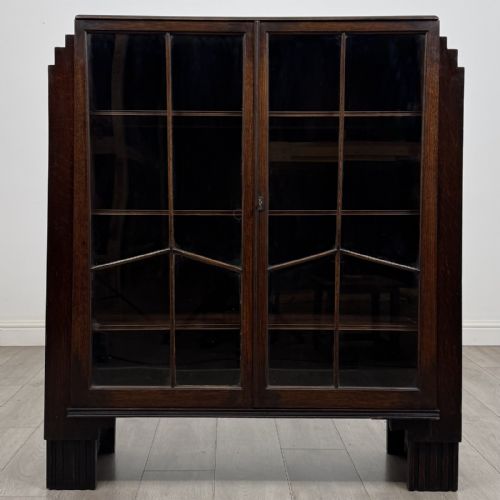
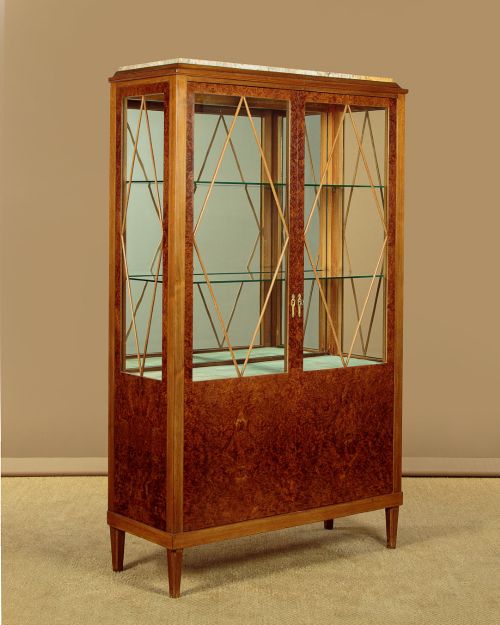
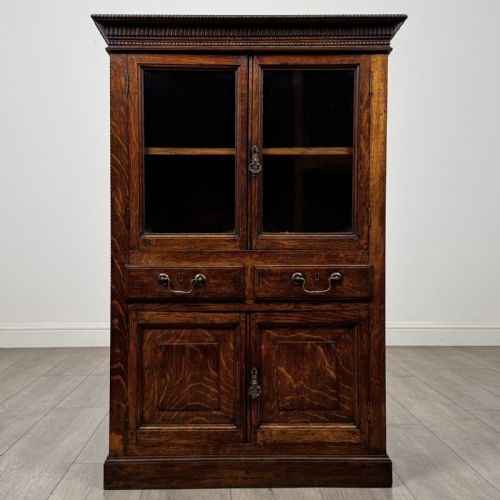
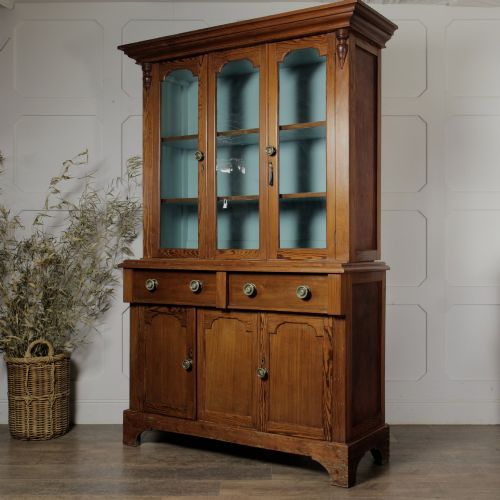
These glazed top bookcase cupboard pieces combine upper display shelving with lower storage, offering a practical way to house libraries and collections.
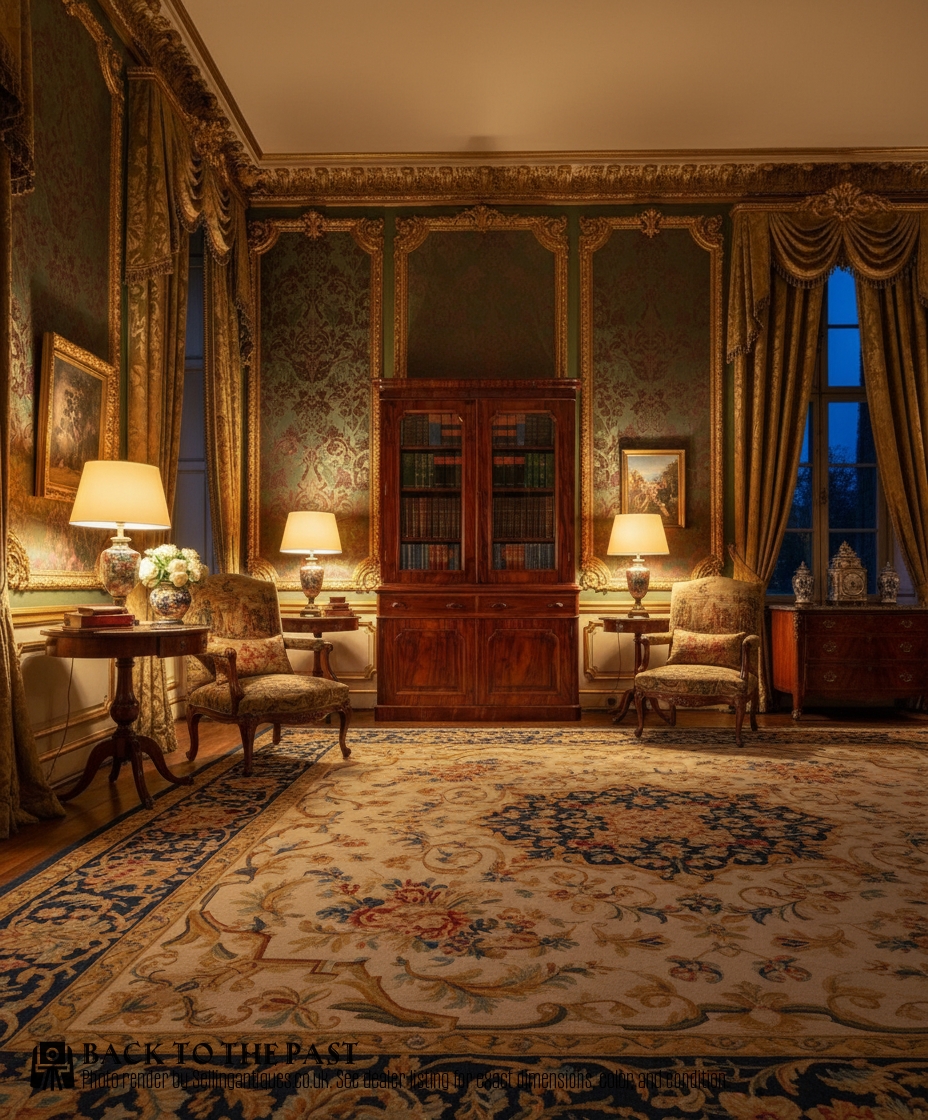
Glazed Top Bookcase Cupboard
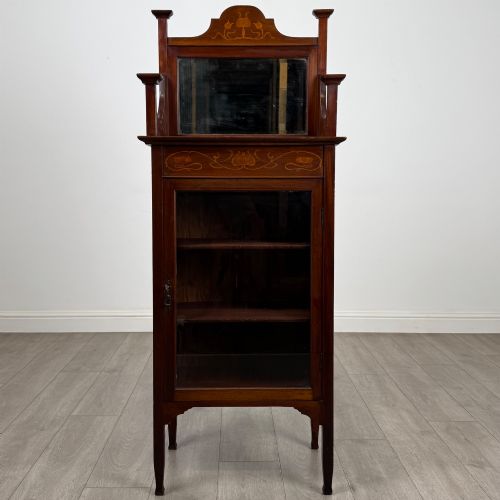
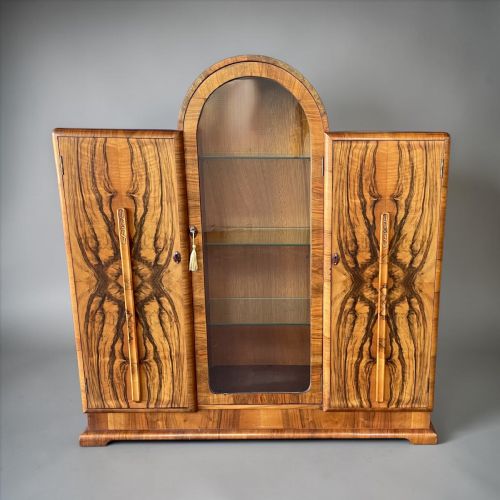
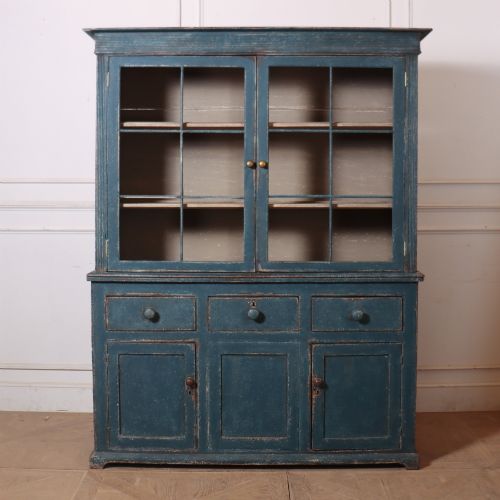
When you search for a glazed top bookcase cupboard, you find dual-purpose storage furniture featuring upper glass-fronted sections for books or display above lower solid compartments. The selection spans the eighteenth, nineteenth and twentieth centuries, originating from English, Welsh, Dutch, French and Scandinavian workshops.
You are most likely to encounter Victorian and Edwardian mahogany or oak examples alongside painted continental vitrines and kitchen dressers. These forms range from tall two-part library pieces to compact corner cupboards and school library cabinets.
Regional variations appear frequently, such as West Country dressers, Welsh cwpwrdd gwydr units and Dutch bombe or marquetry cupboards. Each version reflects the domestic storage needs of its period, balancing open visibility with secure enclosed space.
What varies in quality
The standard of timber selection and grain matching separates simpler utility furniture from high-status reception room pieces, particularly in figured walnut, mahogany and marquetry work. Hand-carved decorative elements, subtle inlay patterns and proportion dictate the refinement of the finished cabinet.
Original glazing integrity, working locks with period keys, and the retention of adjustable internal shelving indicate superior original construction and careful preservation over time.
Glazed Top Bookcase Cupboard Retail Price Guide 2026
Typical asking prices for glazed top bookcase cupboard among the pieces listed under this phrase on Sellingantiques today, from the lower quarter to the upper quarter. They describe what is for sale here now, not the wider market.
Listings feature eighteenth-century Dutch painted vitrines alongside nineteenth-century Victorian mahogany bookcases and twentieth-century oak display cabinets.
Sandberg & Co
The Glazed Top Bookcase Cupboard Glossary
- Vitrine
- A glass-fronted display cabinet designed specifically for showing porcelain, curiosities or decorative objects. These often feature glazed sides as well as front doors to maximise light penetration.
- Cwpwrdd Gwydr
- A traditional Welsh term for a glazed cupboard, describing regional vernacular pieces built for domestic storage. These items frequently employ native oak and straightforward construction methods.
- Marquetry
- The art of applying decorative veneer pieces in various woods, and sometimes other materials, to form pictorial or geometric patterns on furniture surfaces. This technique appears on continental European cabinets.
- Bombe
- A term describing furniture with an outward-curving, bulging front and sides, typical of certain continental European design styles. This undulating shape requires advanced cabinet-making skill.
- Two-part bookcase
- A tall storage unit constructed in separate upper and lower sections to facilitate transport and placement in rooms. The glazed top sits securely upon a base containing drawers or cupboards.
Glazed Top Bookcase Cupboard: Frequently Asked Questions
How do I date a glazed bookcase?
Dating relies on timber choices, construction methods, and stylistic details such as Edwardian inlay or Victorian proportions. Comparing hardware like hinges and drawer joints against known period standards helps narrow the decade of manufacture.
Examining the interior woodwork and secondary timbers provides further clues to the workshop origin and era. Archival records and maker labels, when present, confirm the exact period of production.
Were these used in kitchens?
Many regional pieces, including West Country dressers and Welsh cupboards, served primarily for storing culinary wares and provisions in domestic kitchens. Upper glazed sections held china and glassware while lower compartments stored heavier items.
Library and parlour cabinets, by contrast, were built for books and display objects rather than food preparation and dining equipment. The choice of timber and finish usually reflects this intended domestic placement.
Are the shelves adjustable?
Many larger library bookcases and two-part display cabinets feature movable shelving supported by wooden ratchets, brass studs, or movable wooden bearers. This allowed owners to alter shelf heights for varying book sizes and collection objects.
Simpler regional cupboards and older vernacular pieces often have fixed wooden shelves secured directly into the carcass sides. Checking internal support methods indicates whether the arrangement has been altered.
How do I care for polished wood?
Maintenance involves dusting regularly with a soft, dry cloth and applying natural beeswax periodically to nourish antique timber surfaces. Avoiding direct sunlight and sudden humidity changes prevents wood splitting and veneer lifting.
Glass panels require standard non-abrasive cleaning agents applied carefully to avoid contacting adjacent wood or painted finishes. Ensuring stable indoor temperatures preserves both the structural joints and the original polish.