



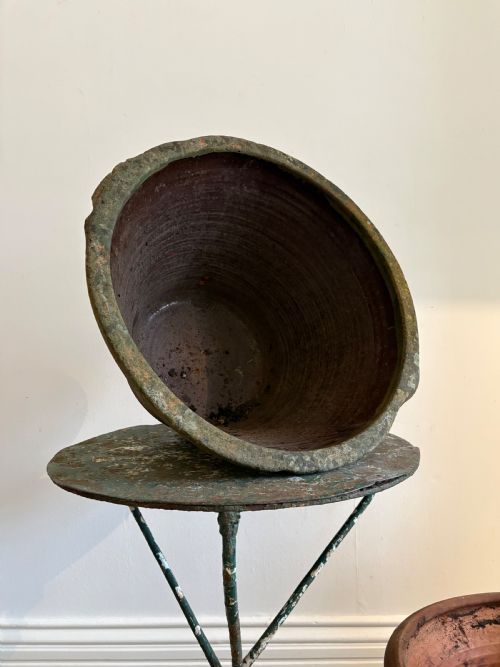

Glazed Terracotta Vessel
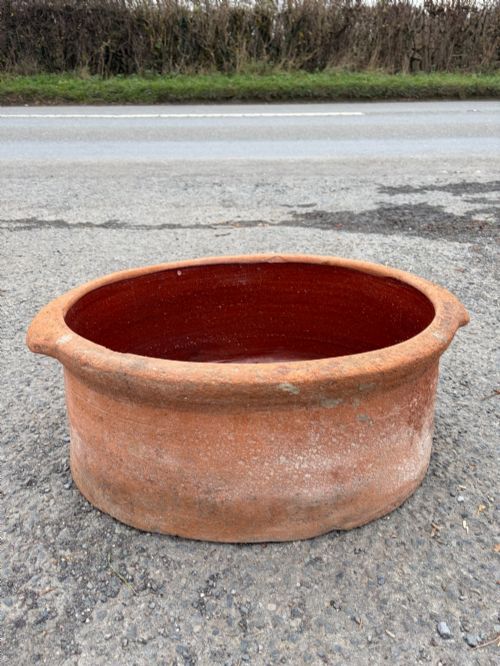
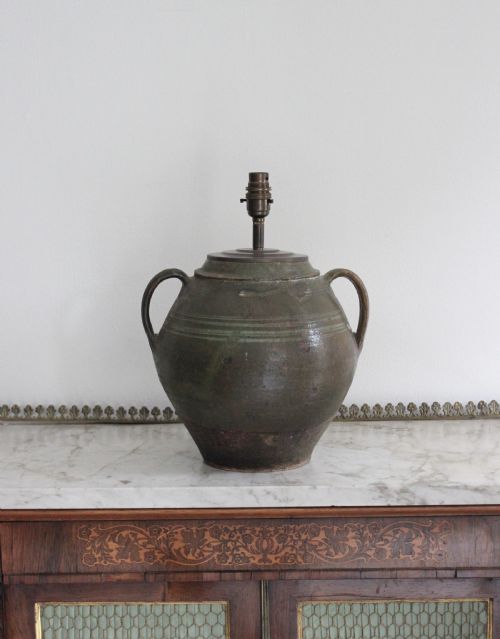
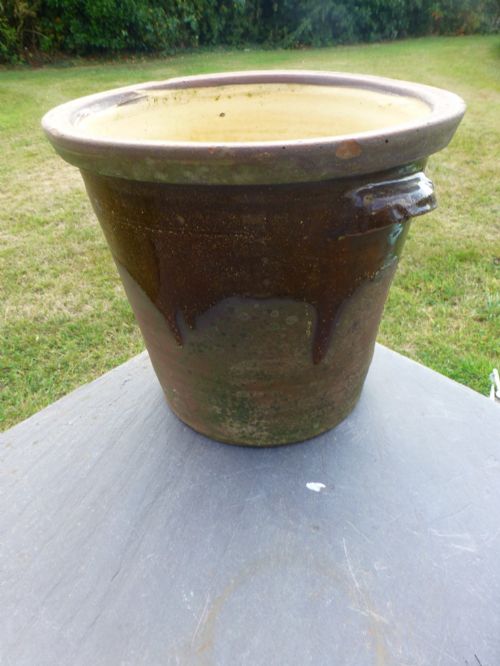
A glazed terracotta vessel brings earthy warmth and practical utility to a room through centuries of utilitarian and decorative forms.
Glazed Terracotta Vessel
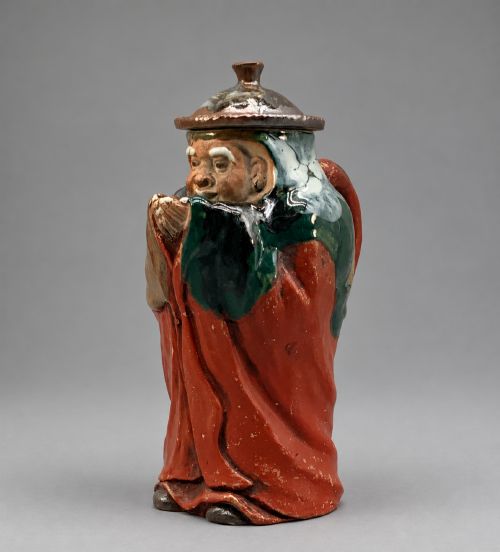
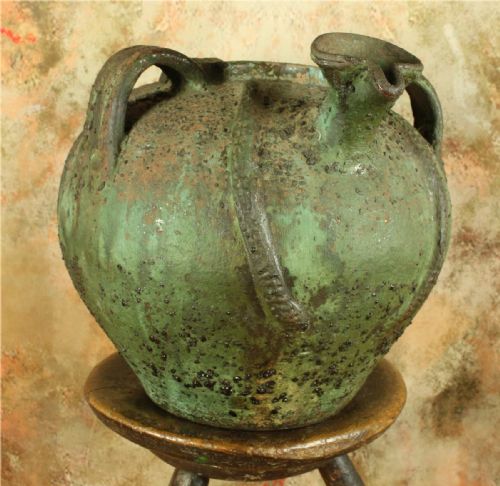
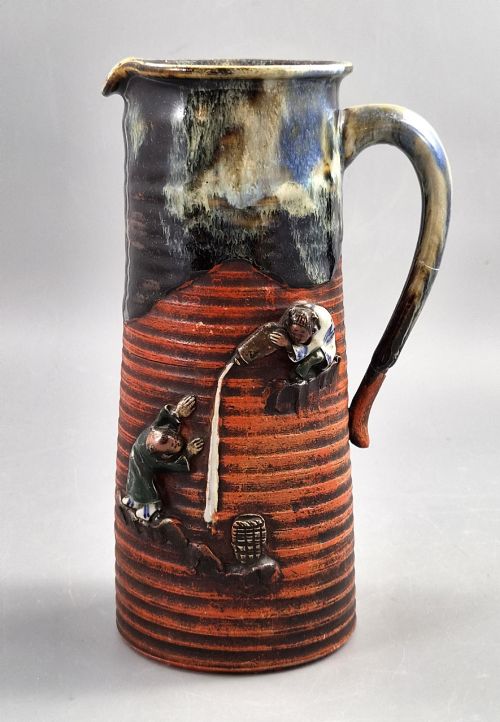
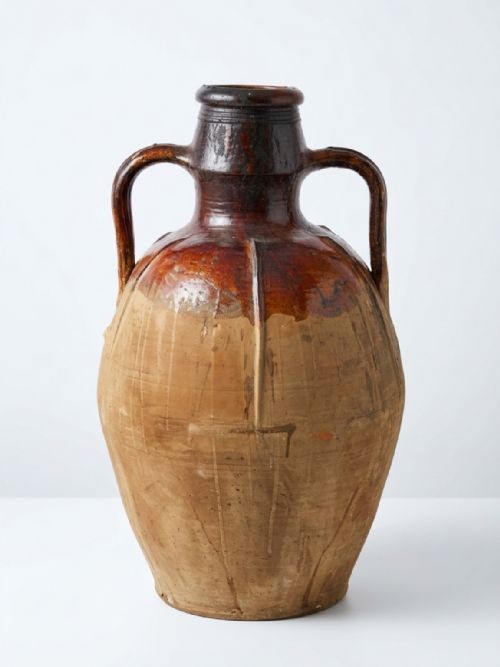
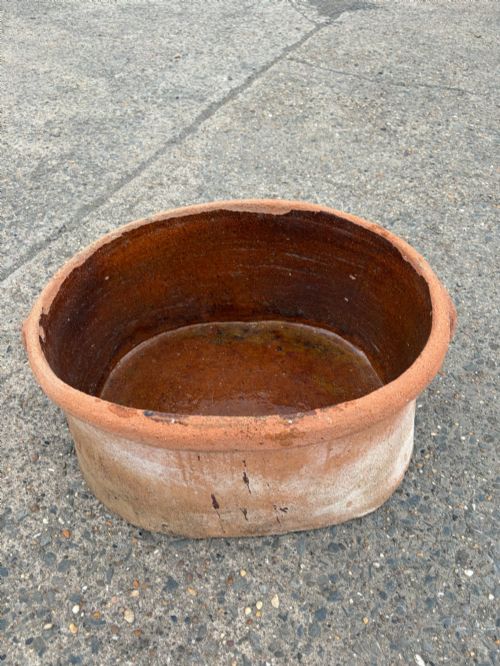
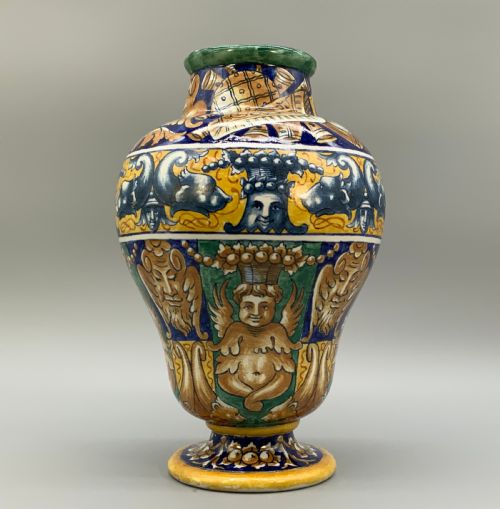
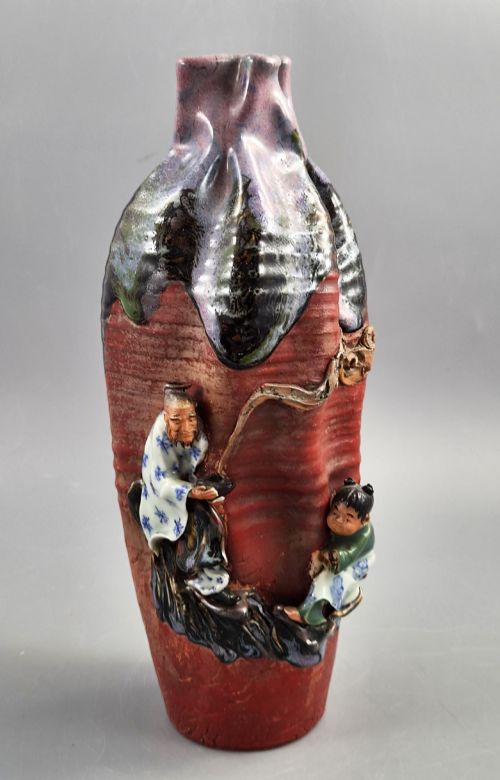
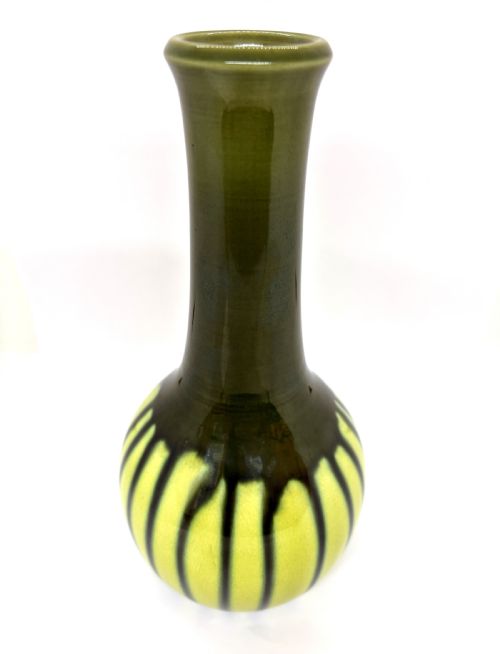
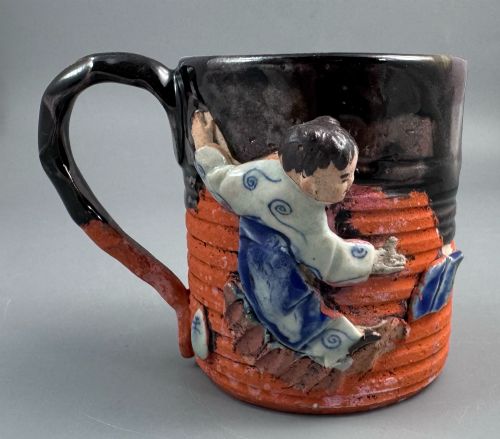
A glazed terracotta vessel encompasses functional earthenware forms designed for storage, pouring, and display across diverse historical periods. When searching for a glazed terracotta vessel, a buyer encounters everything from nineteenth-century French confit pots and dairy crooks to earlier Mediterranean storage jars and Asian figural pottery.
The objects span rustic domestic utensils and decorative studio pieces, originating from workshops in Europe, Asia, and the Near East. Domestic containers such as olive jars, salting crocks, and water pitchers form the bulk of everyday items preserved from the nineteenth century.
Earlier examples extend back through Dutch slipware and ancient buffware, demonstrating that these containers served vital household and agricultural roles before transitioning into purely decorative objects. Buyers find that form follows function closely, with handles, spouts, and glazes dictated by the specific liquids or solids each container once held.
Materials and construction methods
Makers shaped porous terracotta and earthenware bodies by hand or on the wheel before applying specialised ceramic coatings. Lead glazes, tin glazes, and slip provided both decorative colour and a functional waterproof seal for holding oil, wine, water, or dairy.
Firing techniques varied from open kilns to wood-fired kilns, which often created subtle variations in the surface tone and glaze consistency. Applied figures, incised patterns, and handles were joined by hand to plain body forms before firing, leaving distinct tool marks visible on many domestic pieces.
Glazed Terracotta Vessel Retail Price Guide 2026
Typical asking prices for glazed terracotta vessel among the pieces listed under this phrase on Sellingantiques today, from the lower quarter to the upper quarter. They describe what is for sale here now, not the wider market.
Listings feature earthenware, stoneware, and terracotta materials decorated with lead glaze, tin glaze, and ceramic glaze.
Distinguishing quality across examples
Quality rests upon the harmony between the vessel's thrown form and the deliberate application of its glaze. Superior examples display balanced proportions in handles and body, alongside stable glaze coverage that enhances rather than conceals the underlying terracotta.
The skill of the potter shows in the crispness of applied sculptural elements and the intentionality of drips or pooling within lead or tin glazes. Pieces that retain their original utilitarian character without excessive structural compromise represent the higher tier of surviving items.
Burmantoft's Pottery·Cantagalli·Royal Dux·Ban-ni·Kōko·Hiroshi
The Glazed Terracotta Vessel Glossary
- Terracotta
- Fired unglazed or glazed clay of a brownish-red colour. This porous ceramic material forms the structural body of many domestic storage jars and confit pots.
- Confit pot
- A French earthenware jar featuring a glazed interior and upper portion. These vessels were traditionally used for preserving and storing meats or confit.
- Slipware
- Pottery decorated with a suspension of clay in water applied before firing. This technique creates fluid linear patterns or monochrome coatings on earthenware bodies.
- Maiolica
- Tin-glazed Italian earthenware painted with colourful pigments. The technique produces an opaque white or cream background suitable for intricate pictorial scenes.
- Lead glaze
- A glossy transparent or coloured coating applied to earthenware. It melts at lower temperatures to seal porous clay and add a vitreous sheen.
Glazed Terracotta Vessel: Frequently Asked Questions
What were glazed terracotta vessels used for?
These containers served practical domestic and agricultural tasks such as storing olive oil, wine, grain, water, and dairy products. Their sealed interiors prevented precious liquids from seeping through the porous earthenware walls.
Over time, many utilitarian crooks and confit pots transitioned into decorative household items as modern packaging replaced traditional storage ceramics.
How do I care for a terracotta vessel?
Display these pots away from areas with heavy moisture fluctuation to protect the porous clay body and historic glaze surfaces from internal pressure. Dust them gently with a dry cloth rather than using liquid cleaners.
If used to hold dried botanical stems inside, place a small glass container inside rather than pouring water directly into the historic body.
How can I tell different periods apart?
Earlier pieces from the seventeenth century often show heavier slip decoration and hand-thrown irregularities characteristic of small regional European potteries. Nineteenth-century examples frequently display more standardised industrial forms alongside traditional lead or tin glazes.
Examining the base and interior surfaces reveals tool marks and wear patterns that correspond to the manufacturing techniques of specific eras.
Are all terracotta vessels waterproof?
Not every piece remains entirely watertight, as the original lead or tin glazes can develop fine craze lines or micro-fractures through centuries of use and age. Porous terracotta bodies underneath may absorb moisture if left in direct contact with standing water.
It is wise to test a vessel gently or use an internal liner if you intend to hold fresh liquids today.