





Glazed Stoneware Pottery
Glazed stoneware pottery brings together dense, vitrified clay bodies and durable surface coatings that have served households and decorators for centuries.
Glazed Stoneware Pottery
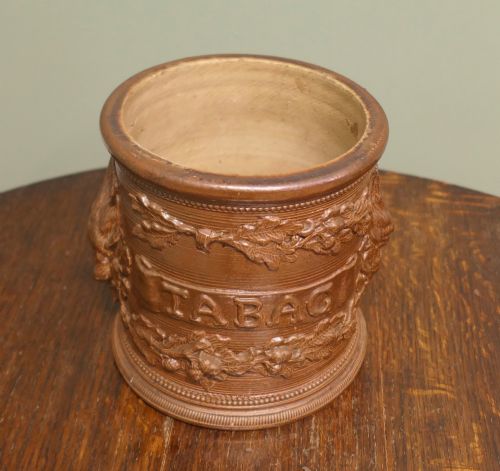
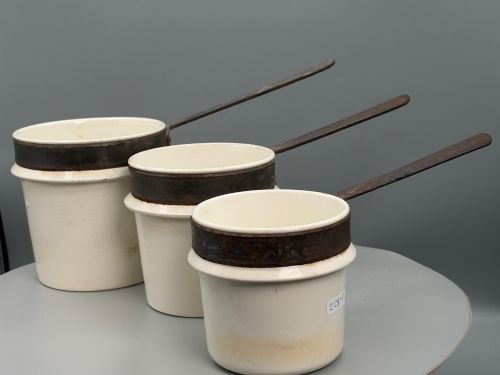
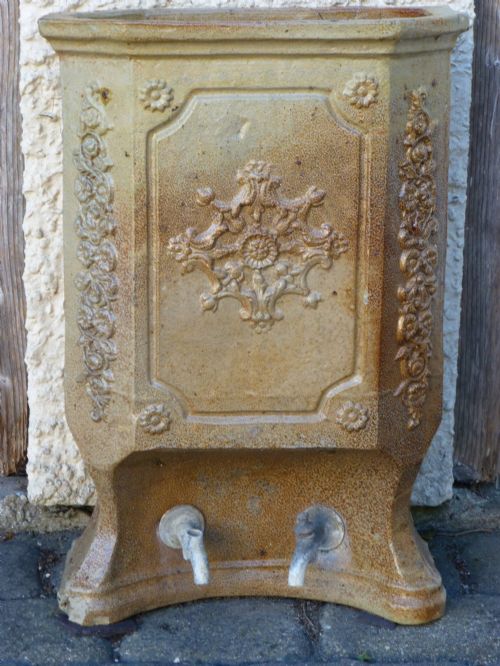
Glazed stoneware pottery encompasses utilitarian vessels, decorative vases, and large jardinieres shaped from dense, impervious clay. Buyers exploring glazed stoneware pottery encounter robust flagons, advertising flasks, and elaborate art pottery vessels intended for display.
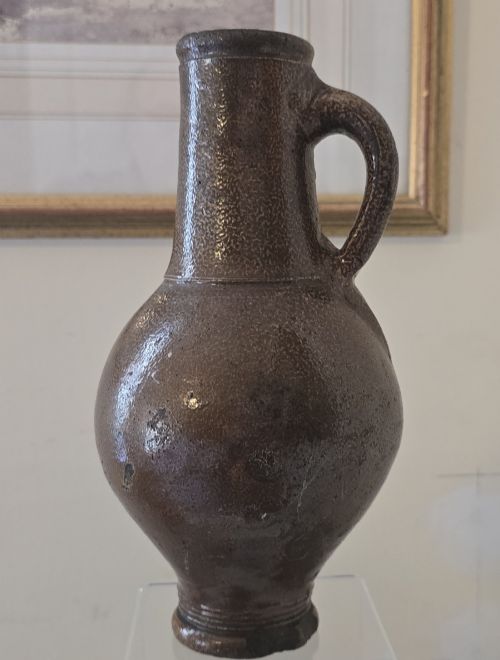
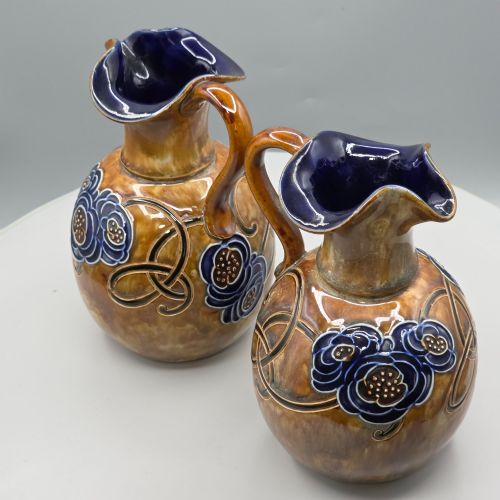
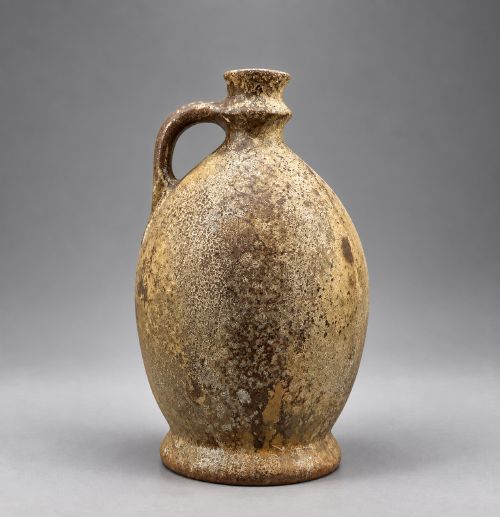
The selections span functional 17th-century German tavern jugs, 19th-century salt-glazed water vessels, and ornate Victorian studio pieces. Art Nouveau and Arts & Crafts workshop productions form a substantial portion of the available decorative forms.
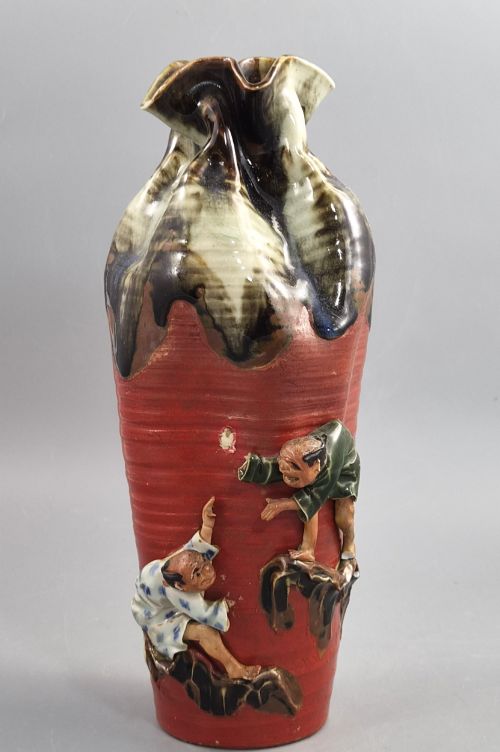
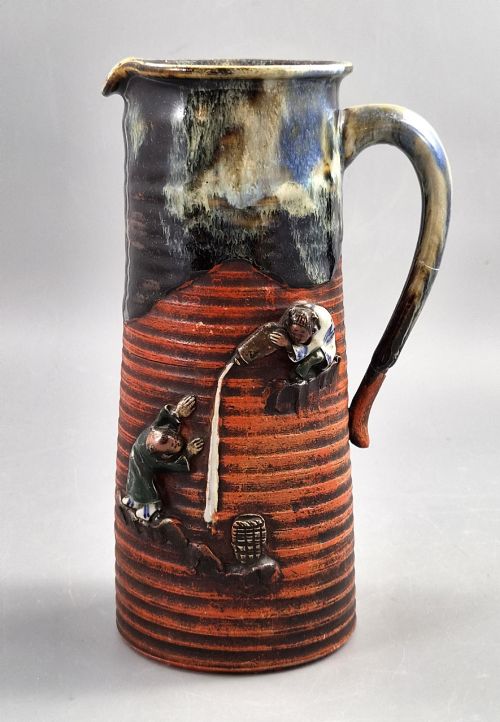
Vessels range from modest mustard pots and wine bottles to monumental jardinieres and sculptural Japanese Sumida Gawa ware. Domestic utilitarian items sit alongside intricately decorated exhibition pieces bearing studio ciphers.
How They Were Made
Potters shaped dense clay bodies on the wheel or in moulds before applying salt glazes, enamel colours, or fluid flambé finishes. Throwing dense clay required considerable physical skill to achieve uniform walls capable of holding liquids without porosity.
Firing took place at high temperatures until the clay vitrified completely, making the material waterproof even without interior glazes. Introducing salt into the kiln during the peak of the firing created the characteristic pebbled orange-peel texture on traditional salt-glazed surfaces.
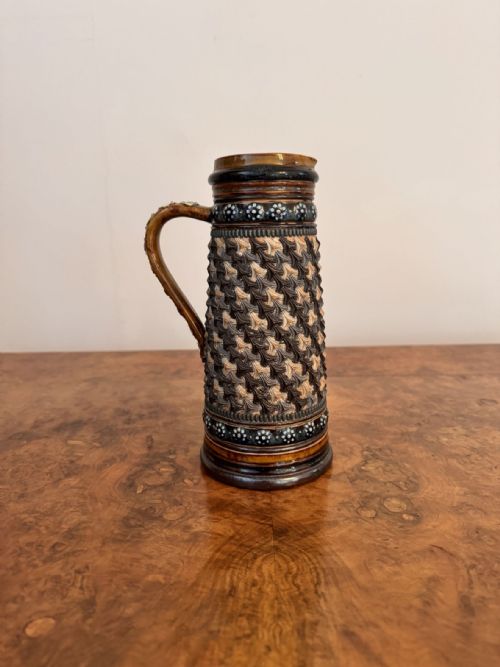
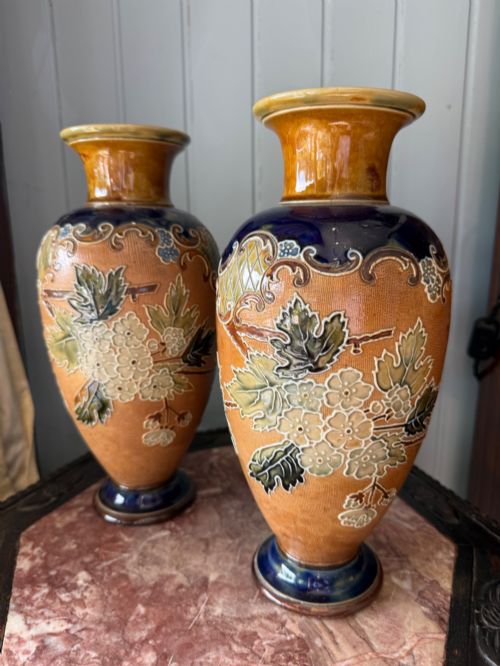
Decoration often involved incised patterns, applied figures, or relief moulding executed by specialist artists before the final glazing stage. Studios utilised specialised slip trailers and hand-carved motifs to individualise each baluster vase and jug.
Glazed Stoneware Pottery Retail Price Guide 2026
Typical asking prices for glazed stoneware pottery among the pieces listed under this phrase on Sellingantiques today, from the lower quarter to the upper quarter. They describe what is for sale here now, not the wider market.
Listings feature durable earthenware alongside vitrified stoneware, spanning salt-glazed surfaces, smooth enamels, and raw clay bodies across multiple centuries.
What Varies in Quality
Artistic execution and the precision of surface decoration distinguish standard production items from master-grade studio pieces. Hand-incised ornament by known workshop decorators displays a crispness and depth missing from basic moulded equivalents.
The complexity of the glaze chemistry and the success of the kiln firing determine the visual richness of the finished surface. Vibrant flambé effects, mottled autumnal tones, and even salt distribution separate superior examples from flat, dull colouration.
Completeness and original pairing, such as matching vases or surviving stands with jardinieres, elevate the standing of a group. Structural integrity of applied sculptural elements on Japanese or British art pottery dictates overall desirability.
Royal Doulton·Doulton Lambeth·Fulham Pottery·Sunflower Pottery·Mettlach Pottery·Quimper Stoneware
The Glazed Stoneware Pottery Glossary
- Salt Glaze
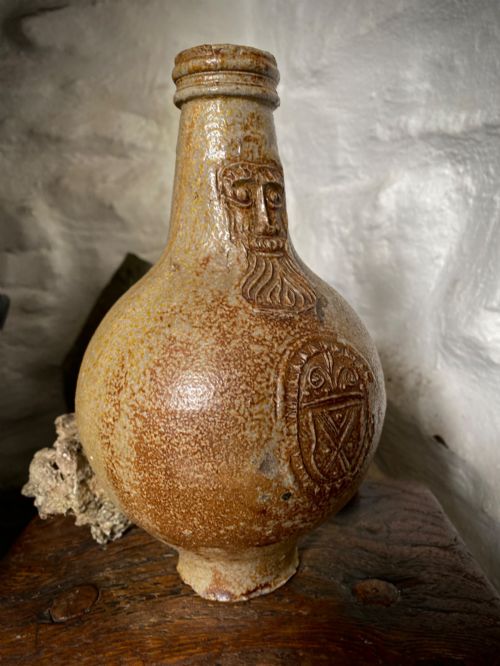
- A finish created by throwing common salt into the hot kiln during firing, producing a textured surface resembling orange peel. This impervious coating protected utility vessels from acids and liquids.
- Bartmann
- A type of German stoneware jug featuring a moulded bearded mask on the neck, produced extensively during the seventeenth century. These vessels were frequently used for smuggling and storing wine.
- Jardiniere
- A large ornamental pot or stand designed to hold live flowering plants indoors. They often formed matching pairs with pedestals in Victorian and Edwardian interiors.
- Tyg
- A large drinking vessel featuring three or more handles, designed to be passed around a communal table. Early examples were frequently constructed from durable salt-glazed stoneware.
- Flambé
- A mottled, streaked glaze effect achieved by controlling oxygen reduction in the kiln to create unpredictable copper reductions. This technique produced dramatic crimson and deep blue pools of colour on art pottery.
Glazed Stoneware Pottery: Frequently Asked Questions
What is salt-glazed stoneware?
Salt-glazed stoneware is a hard, dense pottery fired at extremely high temperatures where salt is introduced into the kiln. This chemical reaction forms a glassy, pitted coating that requires no interior glaze to hold liquids.
Such vessels were standard for storing beer, wine, and household liquids before the widespread adoption of modern glass and metal containers. The resulting surface resists acids and moisture completely.
How do I date antique stoneware?
Dating relies on identifying manufacturing marks, stylistic markers such as Art Nouveau or Victorian motifs, and the specific composition of the clay body. Historical ciphers, royal cyphers, and stamped studio monograms provide firm chronological anchors for many British and European pieces.
Handling pieces helps develop an eye for the weight, glaze depth, and potting techniques characteristic of specific decades. Earlier items often display more irregularities from wood-fired kilns compared to later standardised production.
Were these pots used daily?
Many examples began as utilitarian containers for whisky, mustard, water filtration, or carriage trade advertising before entering collections. Sturdy stoneware jugs and flagons endured decades of heavy tavern and household service.
Conversely, intricate art pottery vases and sculptural figural wares were made specifically for domestic display and mantelpiece decoration. These decorative items avoided heavy practical wear and often survive in pristine condition.
How should I display stoneware?
Displaying stoneware benefits from stable surfaces that accommodate the considerable weight of vitrified clay bodies. Placing pieces where natural light catches salt-glazed textures or flambé glazes enhances their surface detail.
Mixing utilitarian flagons with refined studio vases creates a balanced interior display that highlights the evolution of ceramic techniques. Ensuring adequate spacing allows sculptural elements, such as applied figures or incised foliage, to stand out clearly.