


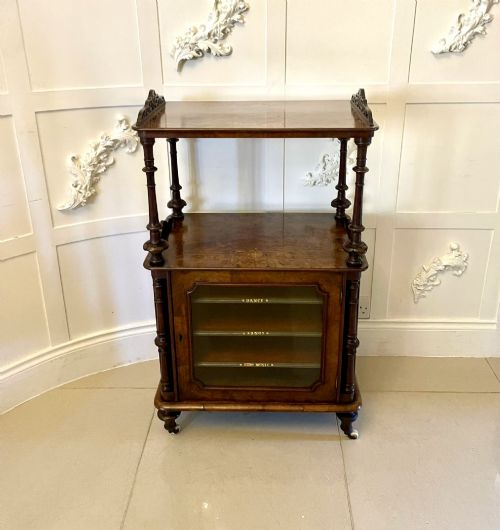


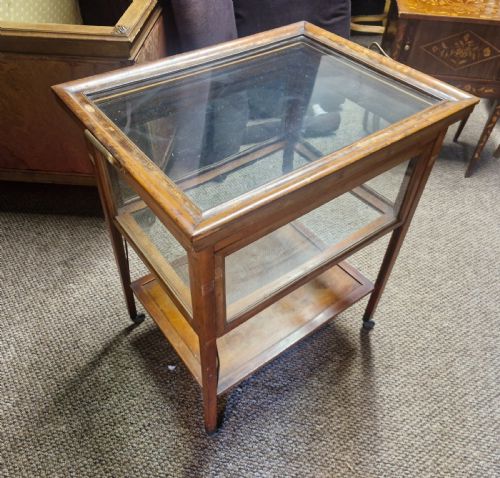
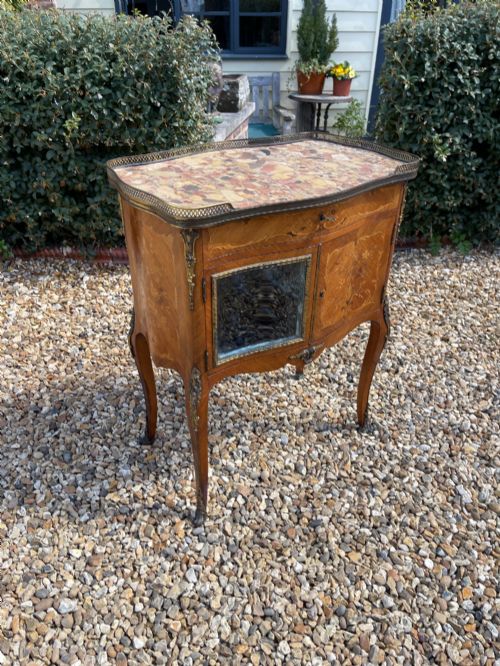


Glazed Side Table
These glazed side table examples bring refined display surfaces and glass cabinets into a room, offering both character and practical utility.
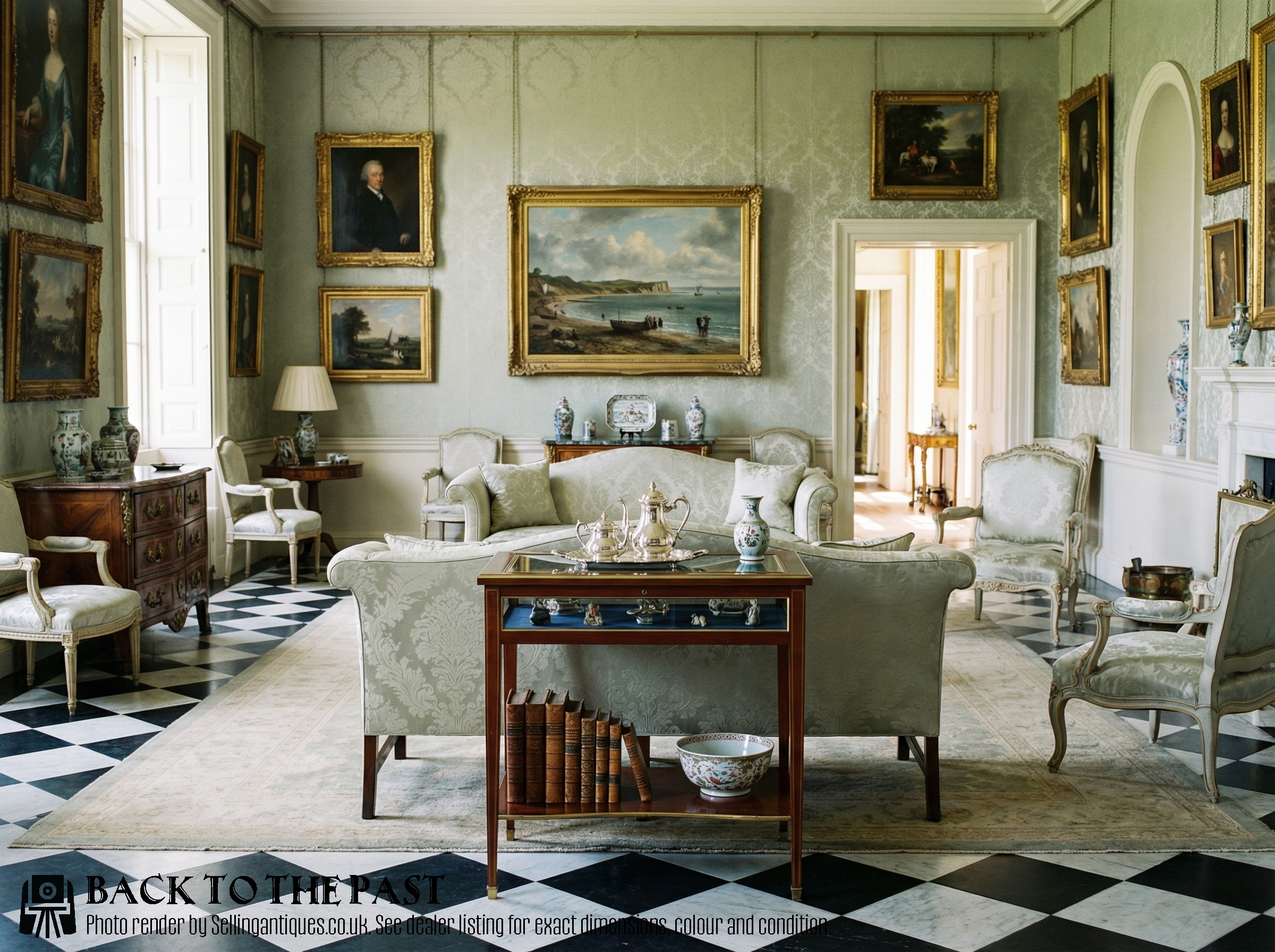
Glazed Side Table
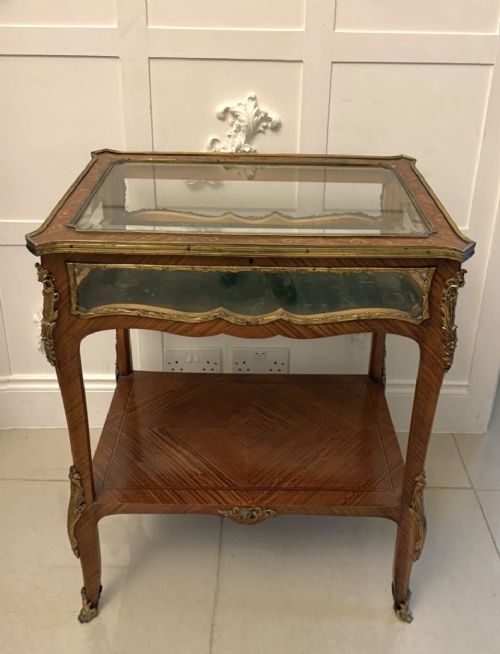
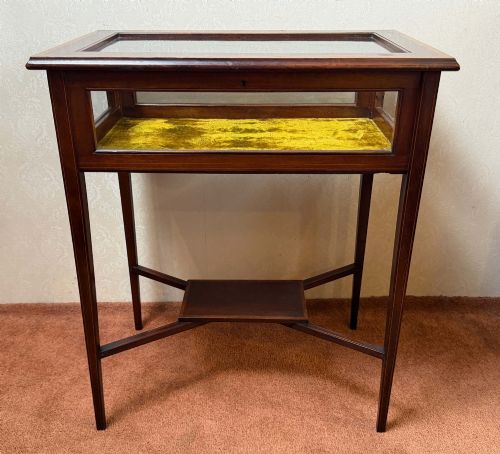
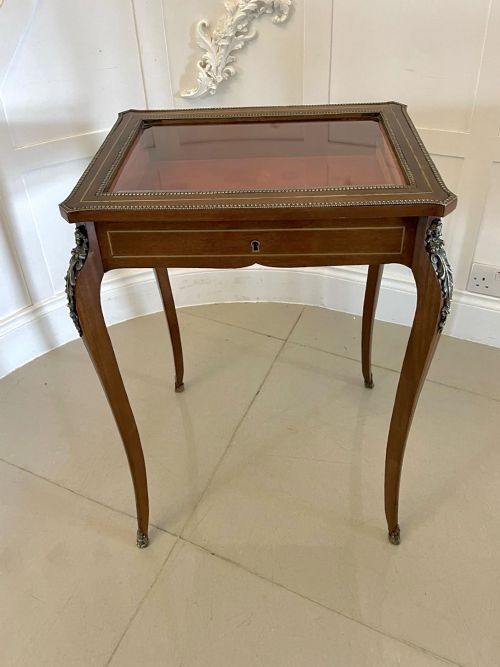
A glazed side table is essentially a low display cabinet or bijouterie table designed to showcase small treasures beneath a glass top. The pieces appearing here span the Edwardian period, 1930, 1800, 1900, 1890, and 1860, capturing several distinct eras of domestic furnishing.
The dominant forms on this page include mahogany display tables and bijouterie cabinets, frequently taking inspiration from French Louis XV style and French Louis XVI style, alongside George III influences. These items function equally well as standalone display pieces or occasional tables in a traditional interior.
Makers and workshops of the past utilised these specialised display surfaces for precious objects, medals, and curiosities. Today, a buyer encounters variations ranging from simple Edwardian inlaid pieces to more elaborate French hardwood examples bearing retailer signage.
How they were made
Construction relies heavily on timber frameworks, predominantly mahogany and hardwood, shaped to form sturdy yet elegant display furniture. Artisans incorporated glass panels into the top and sides to allow natural light to illuminate the interior compartment.
Decorative detailing on these tables frequently involves brass inlays, velvet or fabric linings, and gilt bronze or ormolu mounts. Edwardian examples often feature delicate inlaid woodwork, while earlier George III and French-influenced pieces lean towards polished timber and metal accents.
Glazed Side Table Retail Price Guide 2026
Typical asking prices for glazed side table among the pieces listed under this phrase on Sellingantiques today, from the lower quarter to the upper quarter. They describe what is for sale here now, not the wider market.
Materials recorded across these listings include glass, mahogany, velvet, brass, hardwood, gilt bronze, fabric, and ormolu.
What varies in quality
The standard of timber selection and cabinetmaking distinguishes a superior glazed side table from a routine piece. Finer examples display meticulous joinery in the mahogany framework and precise fitting of the glass panels without awkward gaps.
Secondary materials also dictate the tier of craftsmanship, such as the use of genuine ormolu and gilt bronze mounts rather than simpler metalwork. The integration of interior fabric or velvet lining and the crispness of any inlaid woodwork further elevate the overall refinement.

The Glazed Side Table Glossary
- Bijouterie table
- A specialised display table with a glass top and sides, originally created for holding small trinkets and jewellery. These pieces allow contents to be viewed from above while keeping them secure.
- Ormolu
- Gilt bronze ornamentation applied to furniture, popular in French-inspired designs. It adds metallic lustre and decorative emphasis to the timber frame.
- Inlay
- A technique where contrasting materials are inserted into the wood surface to create decorative patterns. Edwardian tables frequently employ this method for subtle surface enrichment.
- Display table
- A piece of furniture incorporating glass viewing areas designed to showcase collections or decorative objects. They function both as useful surfaces and miniature exhibition cases.
Glazed Side Table: Frequently Asked Questions
What is a glazed side table?
A glazed side table is a low display surface featuring glass panels, often referred to in trade as a bijouterie table or display cabinet.
These pieces were traditionally built to exhibit small valuable items, curiosities, or personal collections while keeping them protected from dust.
How were these tables used originally?
In period interiors, these tables served as elegant receptacles for displaying precious trinkets, medals, and sewing accessories in drawing rooms.
Guests would inspect the contents through the glass top while conversing, making the furniture both a practical table and a conversation piece.
How do I style a display table?
Placing a glazed side table in a sitting room allows you to curate a small internal display of pocket watches, coins, or small silver objects.
The lined interior compartment provides a soft background that makes the displayed items stand out clearly.
How can I tell the period of a table?
Dating relies on observing the timber choice, construction methods, and stylistic influences such as George III or French Louis revival forms.
Edwardian and Victorian pieces often feature specific inlay work and brass fittings characteristic of their respective decades of manufacture.