

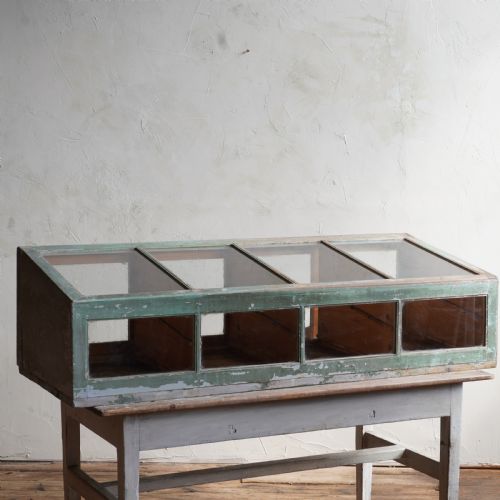


Glazed Shop Counter Case
These glazed shop counter case pieces bring commercial history into domestic spaces, offering glazed protection for small collections.
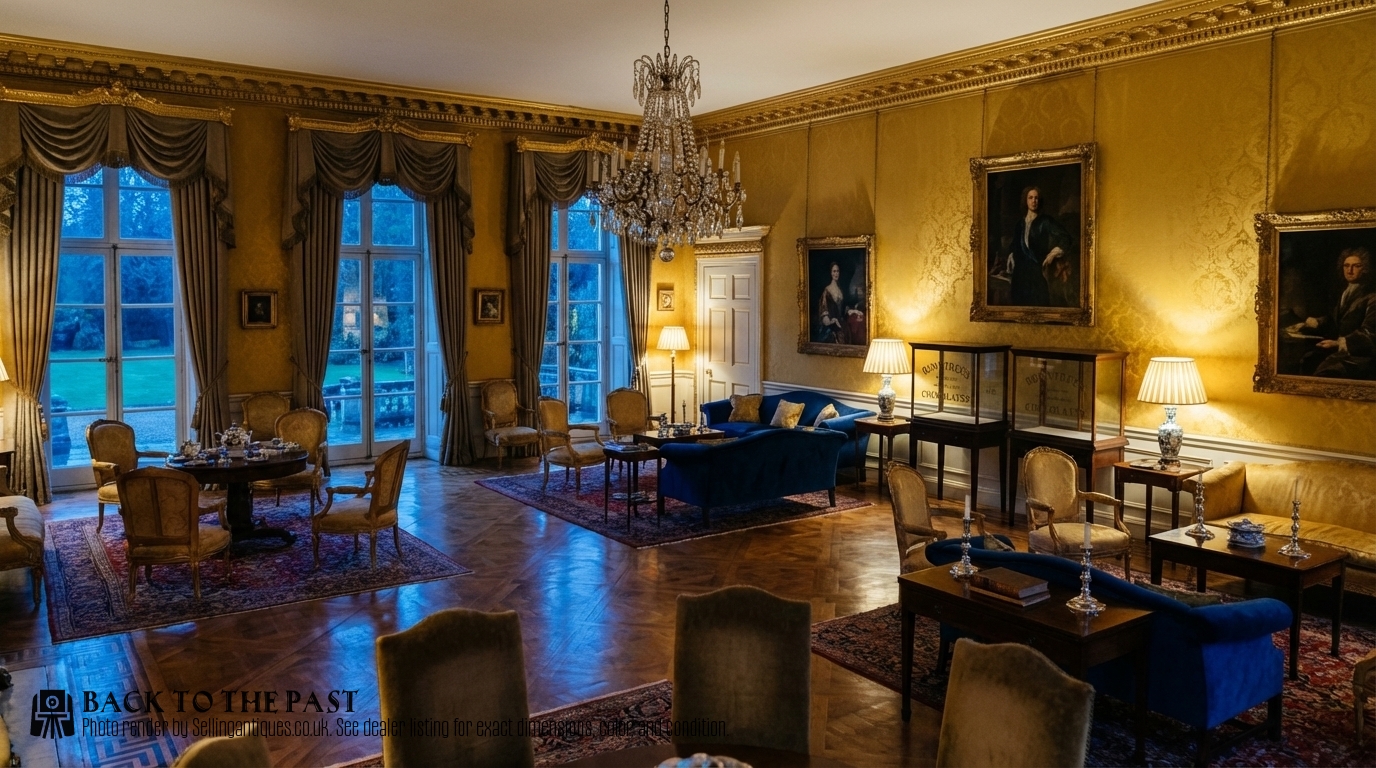
Glazed Shop Counter Case
A glazed shop counter case serves to display merchandise securely upon retail counters, drawing the eye of customers in Victorian and Edwardian shops.
The pieces available here emerge from periods spanning the nineteenth century through the nineteen-thirties, encompassing Victorian, Edwardian, and Art Deco commercial styles.
Buyers frequently encounter tabletop versions and tall freestanding configurations built from mahogany, oak, and walnut timbers.
Materials and Construction Techniques
Frames utilise dense timbers like mahogany, oak, and American walnut joined to support large expanses of glass.
Makers integrated brass hardware, mirrored interior panels, and occasionally gold leafed decorative elements to enhance interior light reflection.
Surfaces receive finishes ranging from natural polished wood to ebonised treatments and distressed paint.
Glazed Shop Counter Case Retail Price Guide 2026
Typical asking prices for glazed shop counter case among the pieces listed under this phrase on Sellingantiques today, from the lower quarter to the upper quarter. They describe what is for sale here now, not the wider market.
Listings feature items constructed from glass, mahogany, brass, oak, mirror, wood, metal, and gold leaf across Victorian and Edwardian periods.
Distinctions in Quality and Execution
Superior examples demonstrate refined timber selection and sophisticated joinery, whereas simpler pieces rely on basic utilitarian construction.
The presence of original manufacturer details, specialised advertising branding, and intact mirrored interiors distinguishes exceptional commercial display furniture from standard utility versions.
F. Sage & Co.·Fry’s Chocolate·Rowntree’s·Terry’s of York·E. Pollard & Co. Ltd.·Cadbury's Cocoa·Kemps Pharmacy·OXO
The Glazed Shop Counter Case Glossary
- Countertop
- A furniture piece designed to sit upon top of a retail sales counter for customer viewing. These units elevate smaller goods to eye level.
- Advertising cabinet
- A display enclosure featuring branded manufacturer lettering or imagery for products such as chocolate or tea. These items served as promotional tools for specific commercial brands.
- Ebonised
- Wood finished with a dark stain or paint to imitate ebony. This dark treatment gained popularity during the Victorian period.
- Mahogany
- A durable tropical hardwood prized for deep reddish-brown tones and smooth grain. Cabinet makers utilised this material extensively for high-end retail display fixtures.
- Glazed
- Fitted with glass panels to enclose and protect the contents while maintaining visibility. This glazing forms the primary protective barrier of the display case.
Glazed Shop Counter Case: Frequently Asked Questions
What are glazed shop counter cases?
These pieces are glass-fronted enclosures originally built for nineteenth and early twentieth-century retail shops to showcase merchandise.
They combine wooden frames with large glass panes to protect items while keeping them visible to customers.
How were these cases used?
Shopkeepers placed them on counters or tabletops to present small valuable goods, confectionery, or chemist items directly to buyers.
Advertising versions also functioned as promotional display units for specific commercial brands.
How do I live with one?
These cabinets suit domestic spaces for displaying small collections, glassware, or curated objects behind protective glass.
Their compact tabletop or counter proportions allow them to sit easily upon existing furniture surfaces.
How do I date these cabinets?
Dating relies on stylistic clues, timber choices, and construction methods spanning the Victorian, Edwardian, and Art Deco eras.
Specific hardware types and manufacturer advertising also help establish the chronological period.