

Glazed Pottery Dish
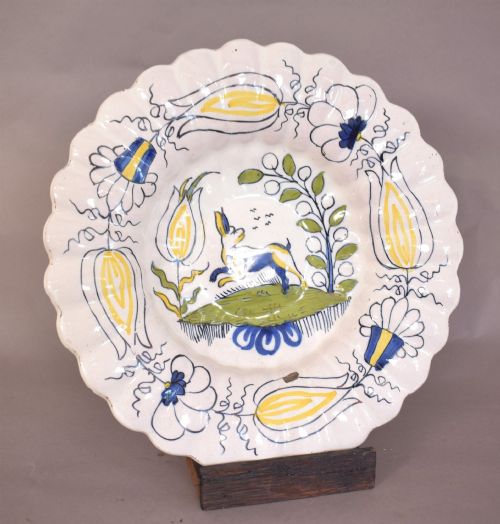
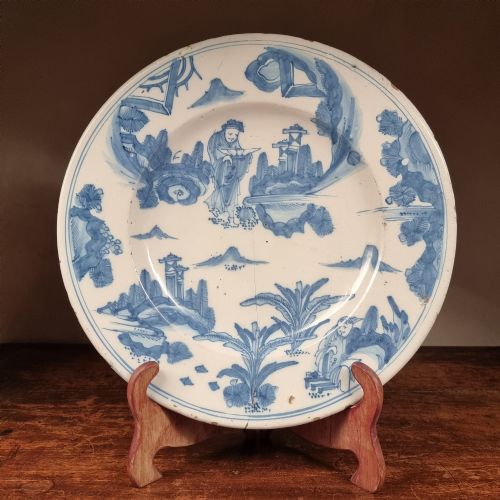
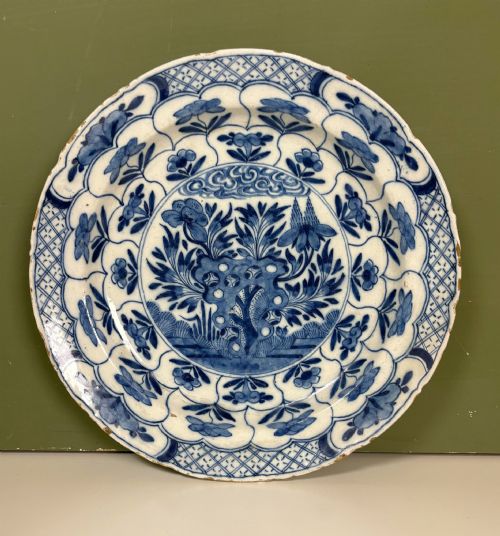
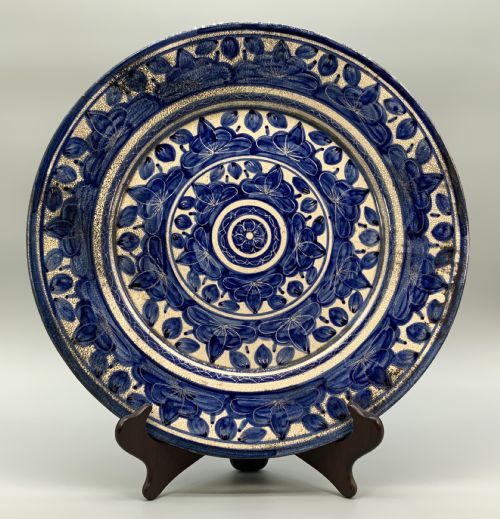
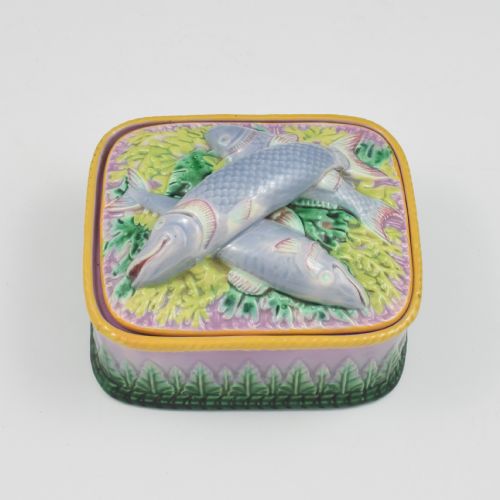
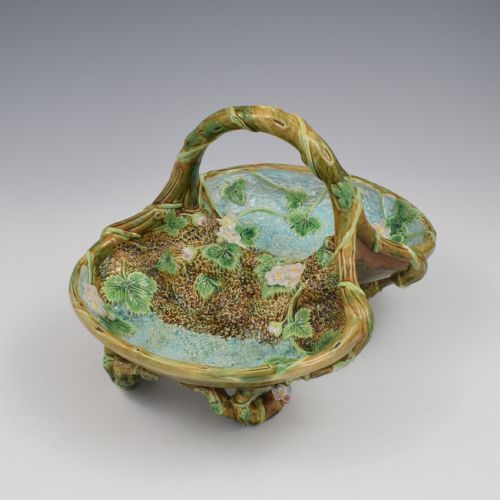
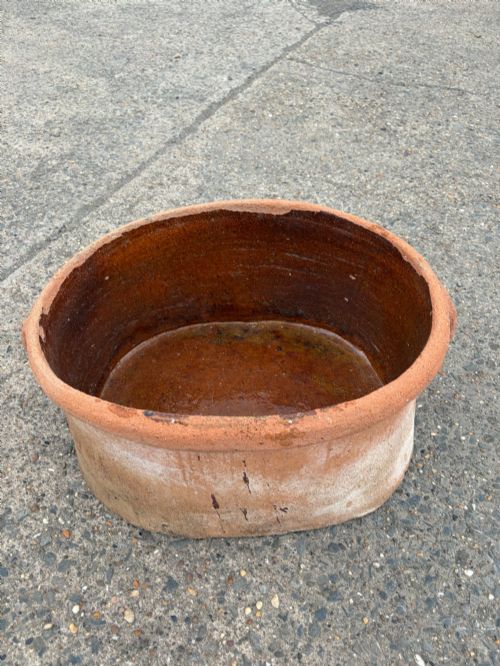
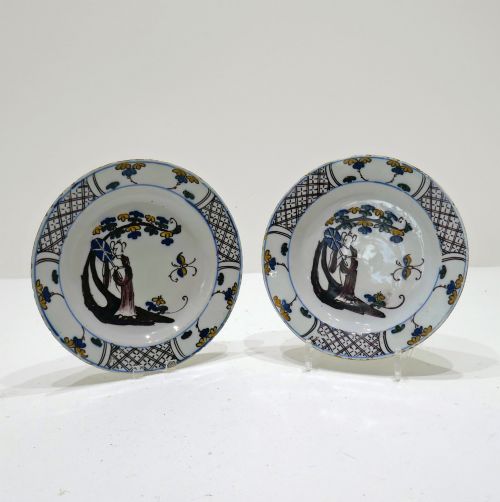
These glazed pottery dish examples span centuries of earthenware, tin glaze and majolica work.
Glazed Pottery Dish
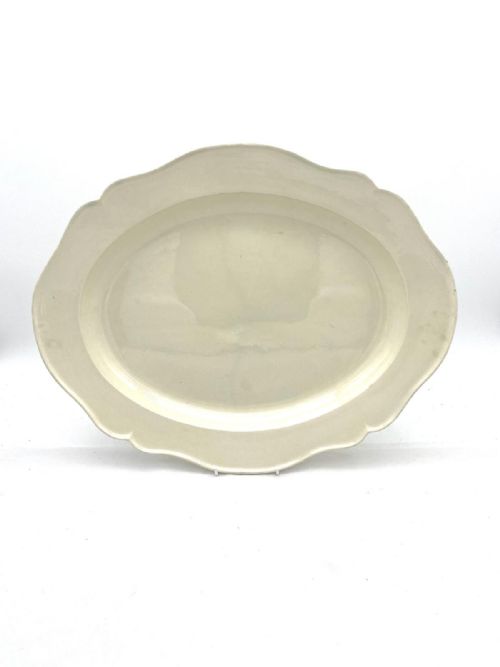
A glazed pottery dish covers chargers, plates, bowls and platters shaped across the seventeenth, eighteenth and nineteenth centuries. Collectors encounter tin-glazed earthenware, creamware and majolica pieces originating from English, Dutch, French, Spanish and Asian kilns.
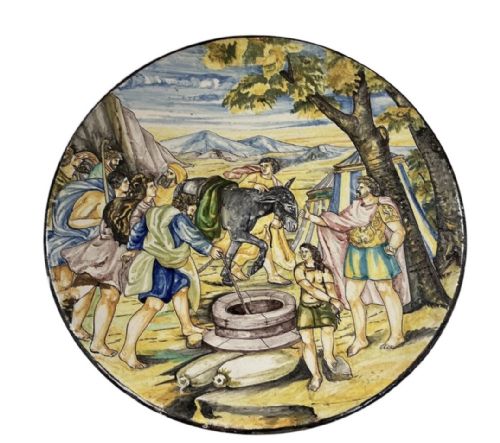
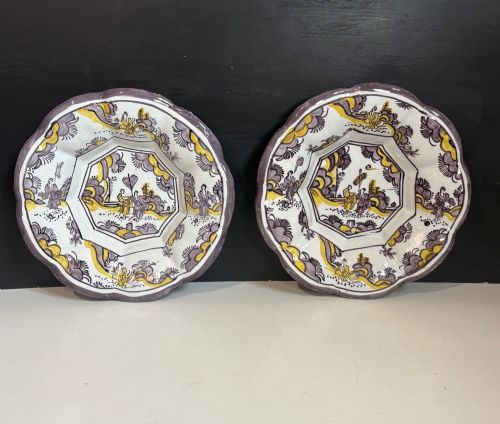
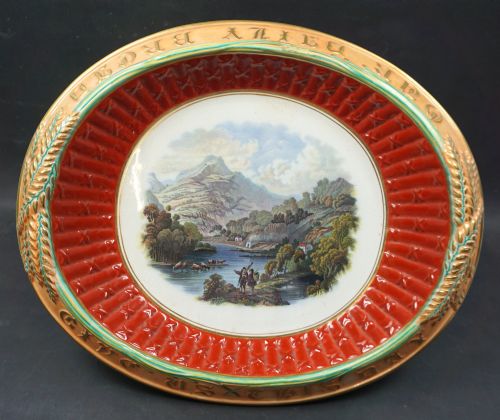
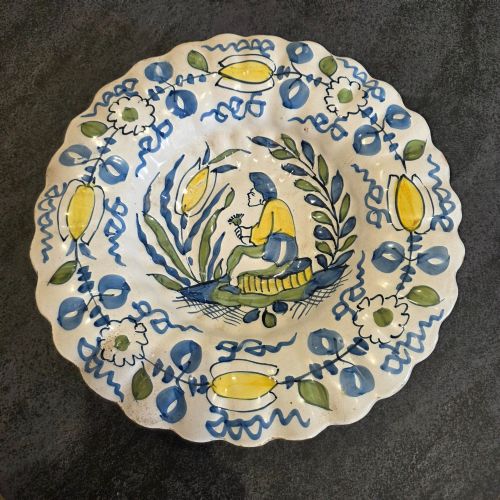
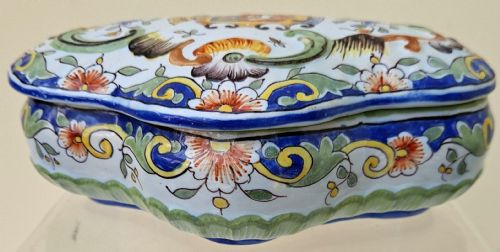
The selection here leans heavily toward large chargers and shallow bowls decorated with blue and white pigments or polychrome enamels. Pieces range from early Dutch and English Delftware to Victorian majolica and French faience.
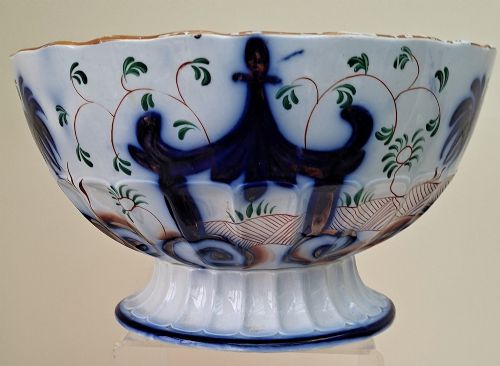
Form follows function across these items, taking shape as barber's bowls, butter dishes, platters and deep display chargers. Each vessel records the domestic habits and decorative preferences of its specific period.
Materials and technique
Potters formed these items from earthenware, terracotta and ceramic bodies before applying liquid glazes to the surface. Tin glaze provided an opaque white base layer that received cobalt oxide and enamel painting prior to firing.
Moulding and hand-throwing dictated the profile of each charger and bowl, while subsequent kiln firings fixed the metallic oxides into the glaze layer. French faience, English creamware and Japanese Satsuma each relied on distinct regional clay mixtures and pigment combinations.
Geographic origins represented include English, Dutch, French, Spanish and Japanese pottery traditions.
Markers of execution
Quality rests in the crispness of the hand-painted brushwork and the stability of the glaze during firing. Superior pieces display confident cobalt or polychrome detailing that sits evenly across the tin-glazed or enamelled surface without excessive blurring.
The finesse of the moulding and the balance of the earthenware body separate standard domestic items from ambitious exhibition chargers. Potters who managed kiln temperature successfully achieved smoother surfaces and more vibrant pigment saturation.
George Jones·Minton·John Ridgway·Daisy Makeig-Jones
The Glazed Pottery Dish Glossary
- Charger
- A large decorative plate or dish intended primarily for display on a wall or sideboard rather than daily dining use.
- Tin-Glaze
- A pottery glaze containing tin oxide that fires to an opaque white finish, providing a smooth ground for painted decoration.
- Majolica
- A colourful Victorian earthenware type covered in lead-glazed metal oxide colours, frequently modelled with naturalistic plant and animal forms.
- Faience
- European tin-glazed earthenware produced chiefly in France and associated with intricate painted or moulded designs.
- Polychrome
- Decoration employing multiple distinct colours, typically applied by hand over an opaque white glaze before firing.
Glazed Pottery Dish: Frequently Asked Questions
How do I hang a heavy charger safely?
Display chargers require broad, coated wire spring hangers that distribute weight evenly across the rim without pinching the earthenware body.
Ensure the wall fixing secures directly into solid masonry or a timber stud rather than depending on standard plasterboard plugs.
Can I wash these antique dishes in water?
Tin-glazed and earthenware pieces absorb moisture through unglazed foot rings and old hairline cracks if left submerged.
Clean surfaces gently with a barely damp cloth and dry them immediately to protect the historic glaze layers.
What is the difference between delft and majolica?
Delft relies on an opaque white tin glaze painted predominantly with blue cobalt oxide during the seventeenth and eighteenth centuries.
Majolica emerged later in the Victorian era, utilising vibrant coloured lead glazes over heavily moulded sculptural earthenware forms.
How do I distinguish English delft from Dutch?
English delftware often exhibits slightly warmer earthenware bodies and softer blue pigments compared to the crisper execution of Dutch equivalents.
Comparing glaze thickness and rim profiles helps clarify the workshop origin of eighteenth-century examples.