


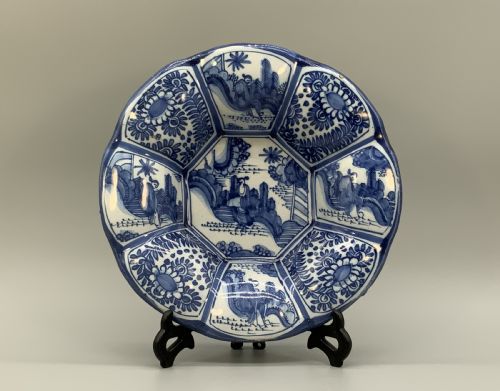


Glazed Porcelain Plates
Glazed porcelain plates bring centuries of kiln artistry to the table, offering durable surfaces painted in cobalt blue, celadon, and enamel.
Glazed Porcelain Plates
Glazed porcelain plates encompass centuries of ceramic production, ranging from early Asian wares to European earthenware and porcelain.
The pieces on this page include decorative dishes, chargers, and serving plates spanning the seventeenth century through the Edwardian era.
Buyers seeking glazed porcelain plates will encounter various regional traditions, including Chinese Longquan celadon, Dutch Delft, and Victorian transfer-printed designs.
How they were made
Potters shaped fine clay or paste before applying mineral glazes, utilising cobalt pigment, tin-glaze, or celadon to coat the body.
Kiln firing fused the glass-like surface to the ceramic base, sometimes incorporating hand-painted enamel colours or gold leaf highlights.
Glazed Porcelain Plates Retail Price Guide 2026
Typical asking prices for glazed porcelain plates among the pieces listed under this phrase on Sellingantiques today, from the lower quarter to the upper quarter. They describe what is for sale here now, not the wider market.
Listings span from pre-sixteenth-century celadon bowls to Edwardian ironstone chargers, crossing Chinese, Dutch, French, and English traditions.
What varies in quality
Quality rests in the crispness of the moulded relief and the precision of the hand-painted brushwork across the surface.
The refinement of the ceramic body and the stability of the glaze define the distinction between standard utility wares and high-status cabinet pieces.
Veuve Perrin·Minton
The Glazed Porcelain Plates Glossary
- Celadon
- A transparent jade-green glaze applied over a pale ceramic body. It developed in China and is prized for its subtle tone.
- Charger
- A large decorative plate or dish, typically measuring over thirty centimetres in diameter. They were often displayed upright on sideboards.
- Kraak
- A style of Chinese export porcelain decorated in panels of blue and white. It dates largely to the Ming and Qing dynasties.
- Ironstone
- A durable type of heavy earthenware patented in the nineteenth century. It mimics porcelain while offering robust daily utility.
Glazed Porcelain Plates: Frequently Asked Questions
Are these plates safe for daily dining?
Most antique plates of this age serve primarily as decorative objects or display pieces rather than modern tableware. Their glazes and mineral pigments can be sensitive to modern detergents and heavy use.
For practical dining, contemporary ceramics remain the better choice, leaving these historical pieces to be admired on walls or display stands.
How do I clean antique porcelain and pottery?
Dusting with a dry, soft cloth is normally sufficient for routine maintenance of glazed surfaces. If washing is necessary, use lukewarm water and mild soap without soaking the piece.
Avoid abrasive sponges and dishwashers entirely, as older glazes and enamel additions can flake or craze under harsh treatment.
How can I tell an eighteenth-century plate from a Victorian copy?
Examination of the foot ring, glaze pooling, and pigment absorption often reveals the age of the ceramic body. Eighteenth-century pieces frequently display kiln grit and hand-mixed pigments distinct from nineteenth-century transfer printing.
Consulting the specific weight, potting thickness, and stylistic motifs helps establish the correct period of manufacture.
What is the difference between a plate and a charger?
A charger is substantially larger than a standard dining plate, historically used for serving communal portions or as a decorative base plate. They command visual attention on a table or cabinet due to their scale.
Plates are smaller and were designed for individual portions, though larger examples often double as cabinet display pieces.