

Glazed Pendant Light
A glazed pendant light brings warm illumination and architectural presence to an entrance hall or high-ceilinged room.
Glazed Pendant Light
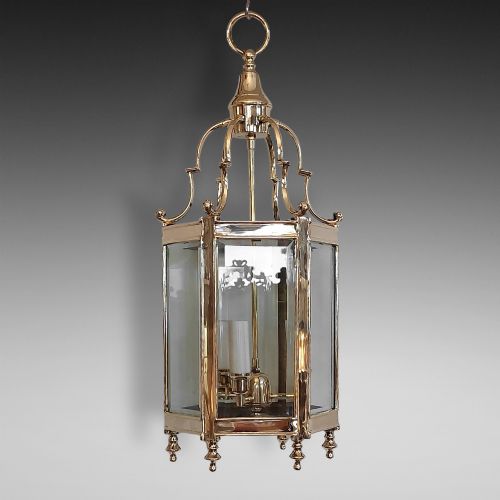
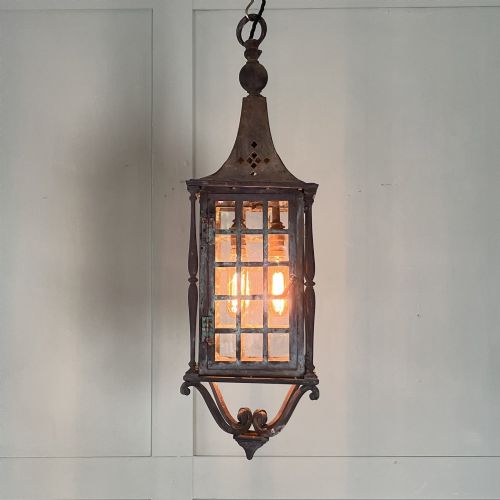
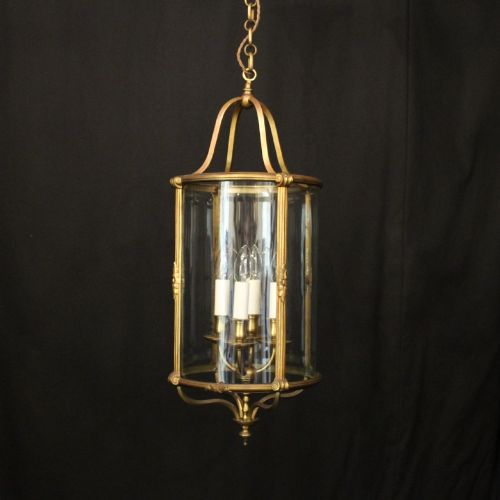
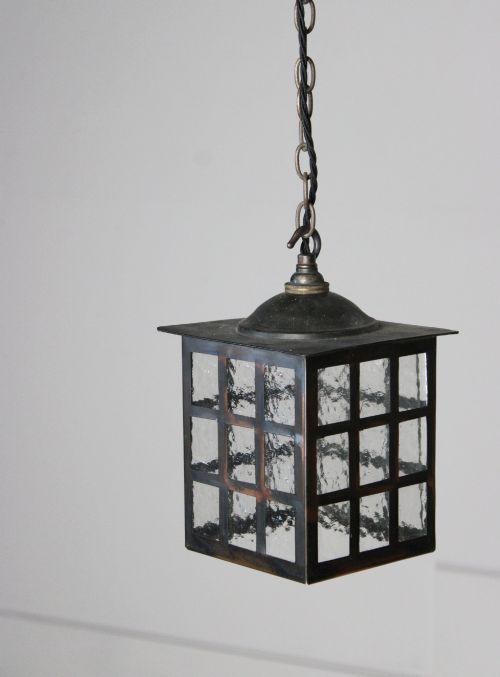
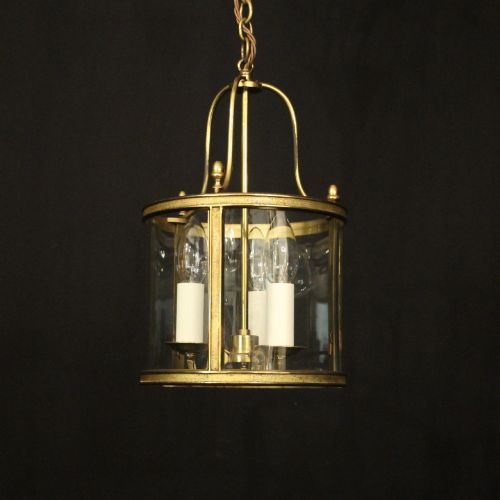
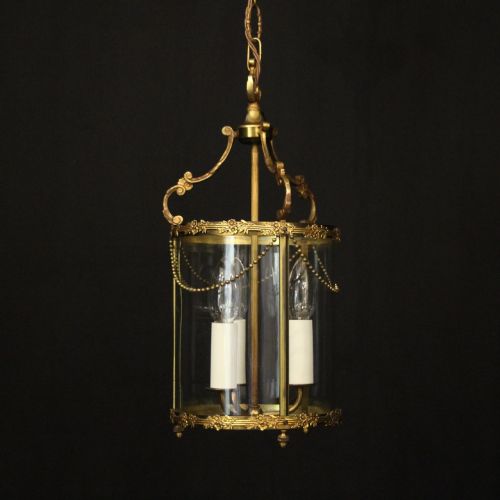
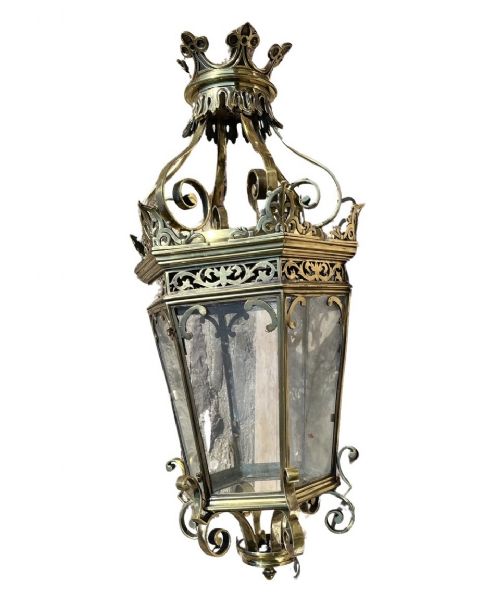
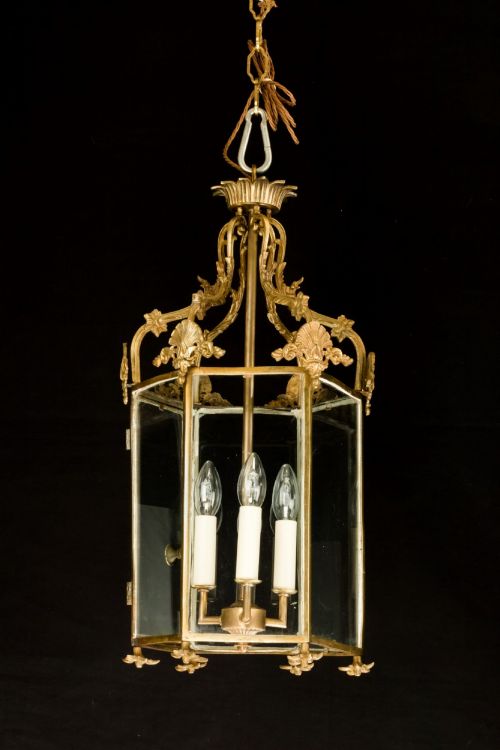
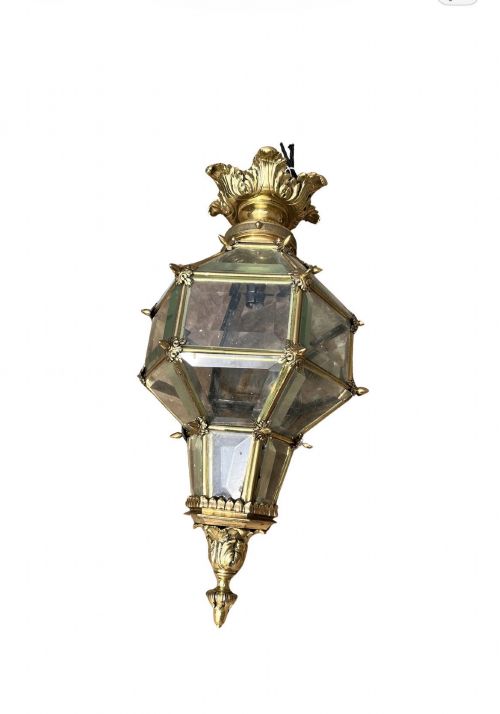
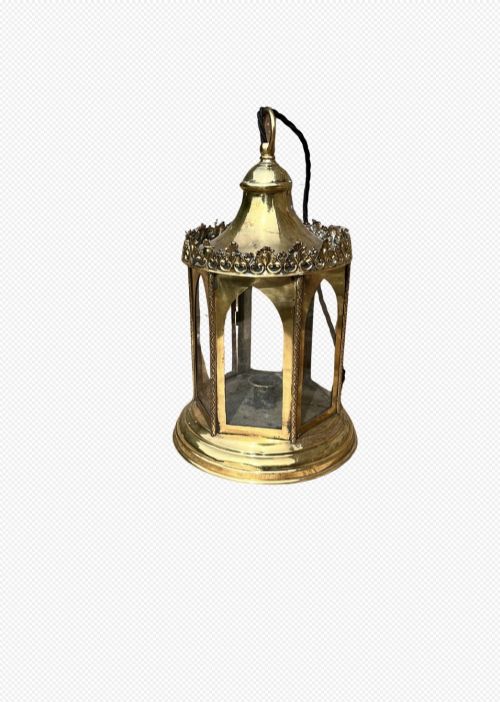
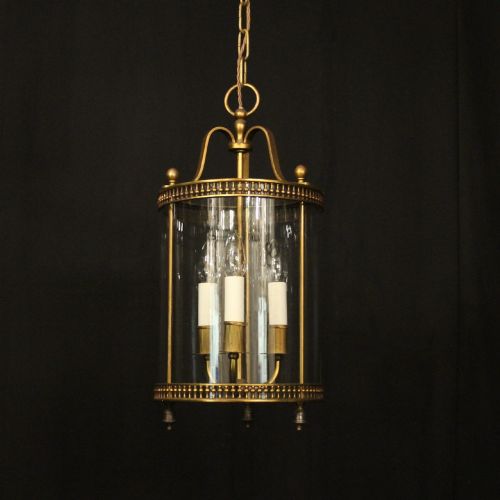
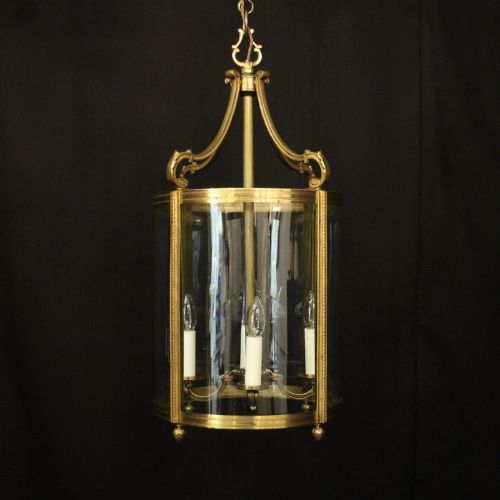
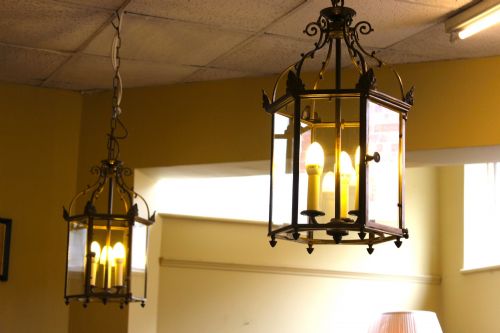
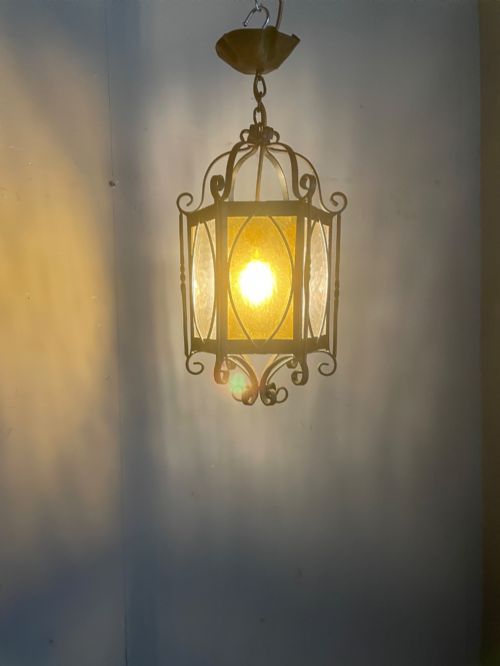
A glazed pendant light is a hanging fixture enclosed in glass panels, designed to illuminate hallways, porches and principal rooms. When you search for a glazed pendant light, you encounter lanterns shaped in hexagonal, square or cylindrical forms suspended from chains or rigid rods. The selection on this page draws heavily from French chateau, Edwardian, Gothic Revival and Victorian traditions, spanning the nineteenth and early twentieth centuries.
The most common version you will meet is the brass-framed hall lantern holding one to four internal lights, often styled with French neoclassical or Edwardian restraint. These pieces frequently feature bevelled glass panes held securely within metal frameworks, combining practical illumination with decorative metalwork. They range from modest porch fixtures to grand multi-light bronze creations suitable for commanding spaces.
Construction and Materials
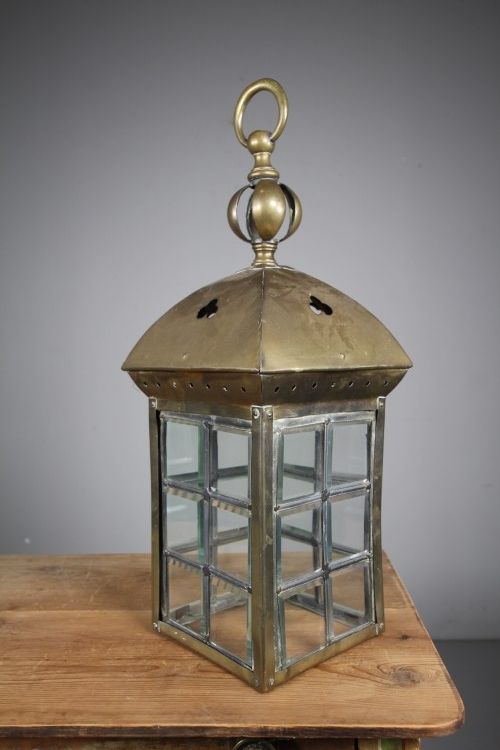
Metal fabrication forms the structural backbone of these pieces, utilising brass, copper, wrought iron and steel alongside gilded or patinated bronze. Metalsmiths shaped these materials into rigid frames, soldering or riveting structural joints and incorporating hinged doors for bulb access. Gilded finishes and cast bronze elements were frequently employed on finer examples to catch and reflect internal light.
Glass panels were cut to measure, sometimes featuring bevelled edges to refract the beam, and secured within the metal channel using glazing techniques. Frames often integrated decorative metal collars, scrolling brackets and pierced ventilation bands at the apex. Ironwork fixtures utilised forged scrollwork and riveted straps to achieve both rigidity and decorative flourish.
Glazed Pendant Light Retail Price Guide 2026
Typical asking prices for glazed pendant light among the pieces listed under this phrase on Sellingantiques today, from the lower quarter to the upper quarter. They describe what is for sale here now, not the wider market.
An unusually grumpy green man face glowers from one copper porch lantern, keeping a permanent watch over the threshold.
Assessing Quality
The distinction between ordinary and exceptional examples lies principally in the weight of the metal and the crispness of the casting. Finer pieces employ heavy-gauge brass or cast bronze with finely chased details, whereas simpler lanterns rely on folded sheet metal and lighter wire frames. The presence of thick bevelled glass panes rather than thin flat glass marks out superior production.
Proportion and decorative integration also separate the tiers. Top-tier lanterns demonstrate harmonious scaling between the frame and the glass panels, with integrated decorative hardware that serves both structural and aesthetic purposes. The quality of the original gilding or the depth of the metal patination further indicates the original maker's investment in materials and finish.
The Glazed Pendant Light Glossary
- Hexagonal lantern
- A hanging light fixture featuring a six-sided frame glazed on multiple faces. This geometry distributes light evenly while offering a distinct architectural silhouette.
- Bevelled glass
- Glass panes with angled edges ground and polished to a specific slope. This treatment refracts light as it passes through the perimeter.
- Hall lantern
- A specific lighting form traditionally hung in entrance vestibules or corridors. These pieces are typically enclosed to protect the flame or bulb from drafts.
- Gilded bronze
- Bronze metal treated with a thin layer of gold leaf or gold powder. This finish adds a warm, reflective surface quality that resists tarnishing.
Glazed Pendant Light: Frequently Asked Questions
Where should I hang a glazed pendant light?
These fixtures suit spaces with sufficient vertical clearance, such as high-ceilinged entrance halls, stairwells and wide landings. Their enclosed design protects the light source while casting illumination across surrounding walls.
They also function effectively in large porches or reception rooms where an architectural focal point is required. Ensure the drop length leaves adequate headroom for passage beneath.
How do I identify the period of a lantern?
Dating relies on examining the construction methods, metal alloys and stylistic vocabulary of the frame. Nineteenth-century examples often display heavier hand-forged iron or cast brass components with traditional joinery.
Early twentieth-century pieces frequently incorporate Edwardian or French neoclassical motifs alongside machine-rolled glass and standardised electrical fittings. Comparing the latch mechanisms and casting crispness provides further chronological clues.
Are these lights ready for modern wiring?
Many surviving lanterns have been electrified during their lifetime, though older wiring standards often require updating for safety compliance. Professional rewiring allows modern lamp holders to be installed safely within the historic frame.
Consult a qualified electrician to inspect existing internal components and ensure the fixture meets current domestic electrical regulations before installation.
How do I clean the glass panels safely?
Maintenance involves removing dust and grime from both the exterior and interior glass surfaces using a soft cloth and mild glass cleaner. Care should be taken around aged metal frames and applied gilding to avoid abrasive contact.
Opening the glazed door allows access to the internal bulb holder and removes interior film accumulation that can dull the light output.