







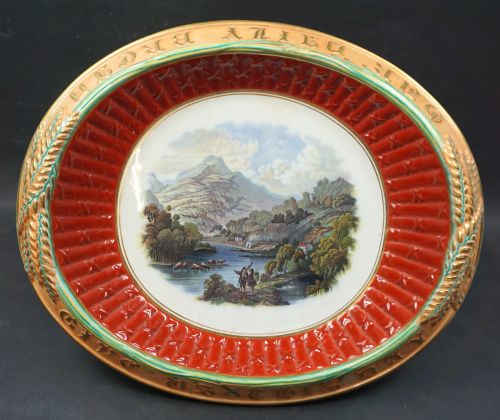
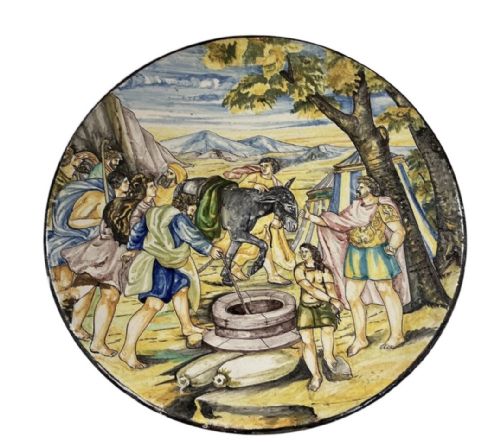
Glazed Earthenware Plates
These glazed earthenware plates bring domestic history to life through hand-painted tin glazes and rich earthenware bodies.
Glazed Earthenware Plates
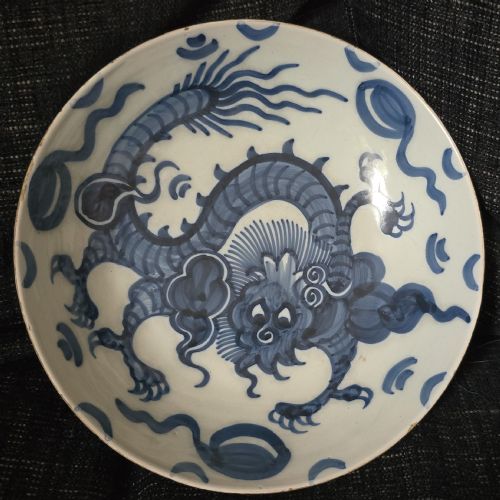
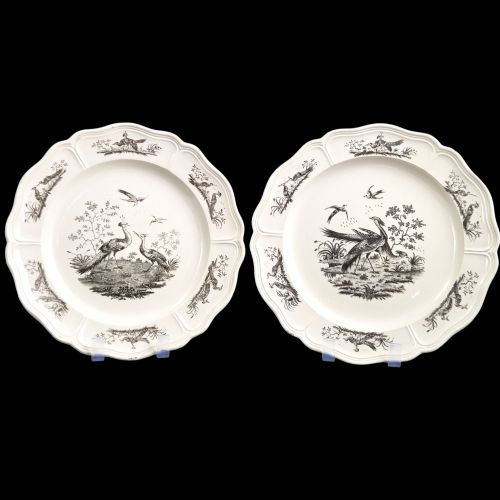
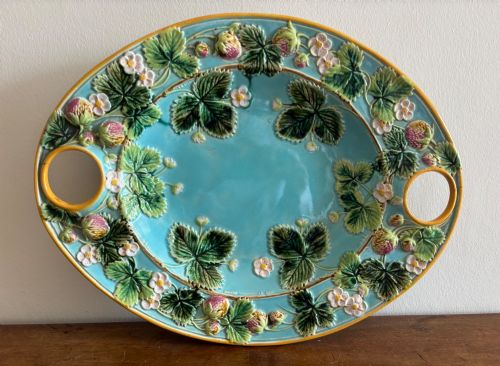
Glazed earthenware plates encompass domestic serving vessels, decorative chargers, and deep dishes spanning from the seventeenth century through the Victorian period. These pieces originate from English, Dutch, French, Spanish, and Italian workshops, reflecting regional shifts in taste and ceramic production.
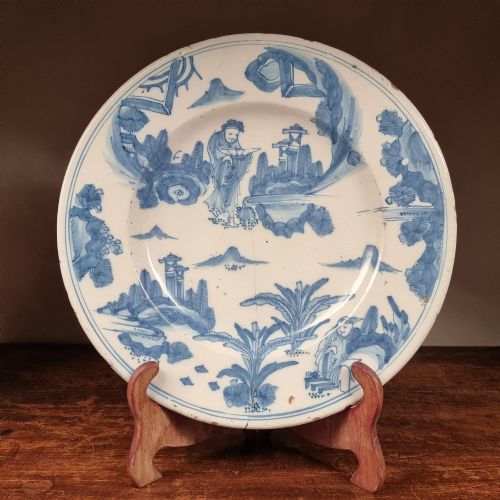
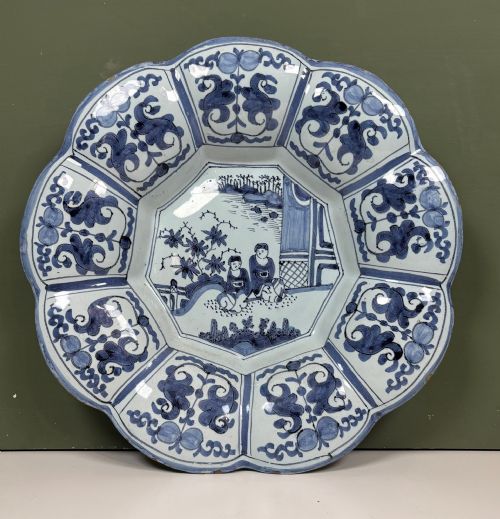
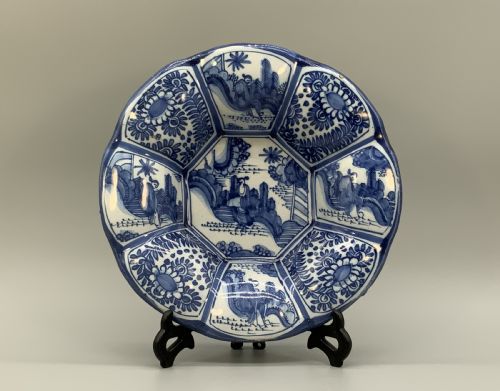
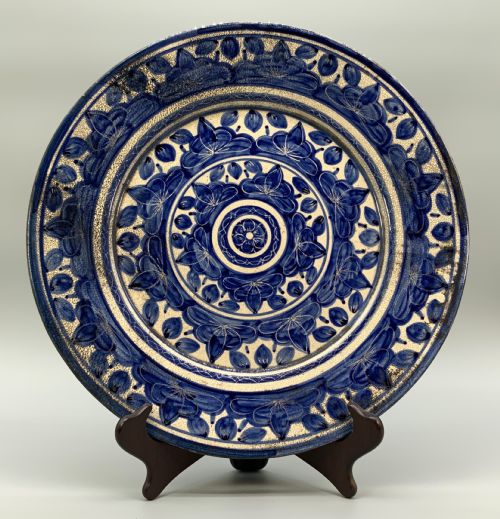
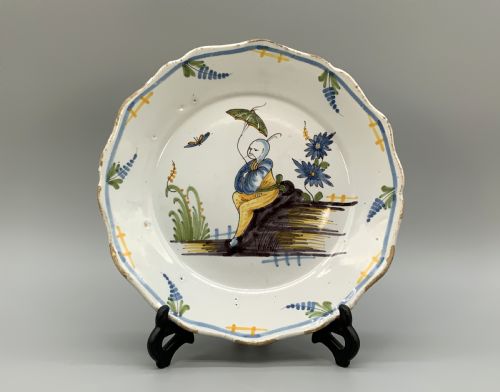
Large chargers and polychrome dishes dominate the selection, often carrying blue and white pigments, manganese, or yellow enamel decorations. Buyers frequently encounter Dutch and English Delftware alongside nineteenth-century maiolica and faience variations.
Materials and Construction
Potters shaped porous earthenware clay on the wheel or pressed it into moulds before applying an opaque tin glaze that created a smooth white canvas for painting. Cobalt oxide and mineral pigments were brushed directly onto the unfired or raw glaze, absorbing into the surface during the kiln firing.
Makers utilised vibrant polychrome palettes including manganese, yellow, and green alongside traditional blue and white motifs. Tin-glazed surfaces required careful kiln management to bond the opaque enamel to the underlying earthenware body.
Glazed Earthenware Plates Retail Price Guide 2026
Typical asking prices for glazed earthenware plates among the pieces listed under this phrase on Sellingantiques today, from the lower quarter to the upper quarter. They describe what is for sale here now, not the wider market.
Listings feature earthenware and tin glaze across seventeenth, eighteenth, and nineteenth-century periods, alongside regional styles from Dutch to Moorish Revival.
Assessing Quality and Execution
Brushwork precision separates accomplished studio output from more utilitarian workshop pieces, particularly in the control of cobalt pigment and pictorial detail. Hand-painted floral arrangements, historical narratives, and Chinoiserie scenes demonstrate the painter's skill and confidence.
The stability of the tin glaze over the earthenware body and the crispness of the moulded edges determine the physical integrity of the dish. Deeper cobalt saturation and balanced polychrome palettes indicate superior pigment preparation.
George Jones·Minton·Clarice Cliff·Booths
The Glazed Earthenware Plates Glossary
- Charger
- A large decorative or serving plate designed to sit beneath smaller dinner plates or display on a wall. These large earthenware discs provide a wide canvas for painted scenes.
- Tin-Glaze
- An earthenware glaze rendered opaque by the addition of tin oxide, creating a white surface suitable for painting. This technique forms the technical foundation of Delftware and faience.
- Polychrome
- Decoration employing multiple colours rather than a single pigment. Painters applied various mineral oxides to achieve diverse hues on the fired surface.
- Chinoiserie
- European artistic styles reflecting Chinese decorative motifs and landscapes. Potters adapted these fantastical scenes onto earthenware plates and chargers.
- Maiolica
- Italian tin-glazed earthenware typically decorated with bright historical or mythological narratives. These pieces often utilise complex polychrome pigments.
Glazed Earthenware Plates: Frequently Asked Questions
How were glazed earthenware plates used?
Historic chargers and deep dishes served functional roles at the dining table for presentation and serving, while others hung on walls for domestic decoration.
Over centuries, larger formats transitioned from dining utility into purely decorative display pieces within prosperous homes.
What is the difference between Delftware and faience?
Delftware specifically describes tin-glazed earthenware produced in the Netherlands and England, particularly originating from Delft and English pottery centres.
Faience serves as the broader continental term for tin-glazed pottery manufactured across France, Spain, and other European regions.
How do you date an antique earthenware plate?
Dating relies on examining the characteristics of the earthenware body, the tone of the tin glaze, and the style of the painted decoration.
Shifts in pigment composition, potting weight, and regional painting conventions help place pieces within seventeenth, eighteenth, or nineteenth-century windows.
How should I care for antique earthenware plates?
These ceramic pieces require gentle handling and dry indoor environments to protect the porous earthenware body and tin glaze.
Display them securely using padded hangers or stable plate stands, avoiding moisture exposure and abrasive cleaning methods entirely.