


Glazed China Display
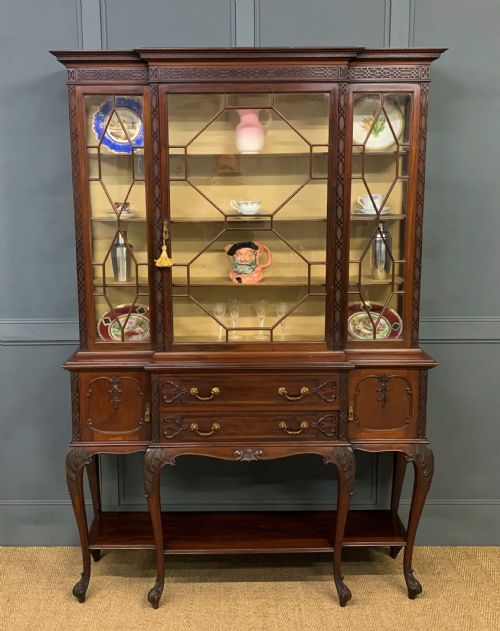
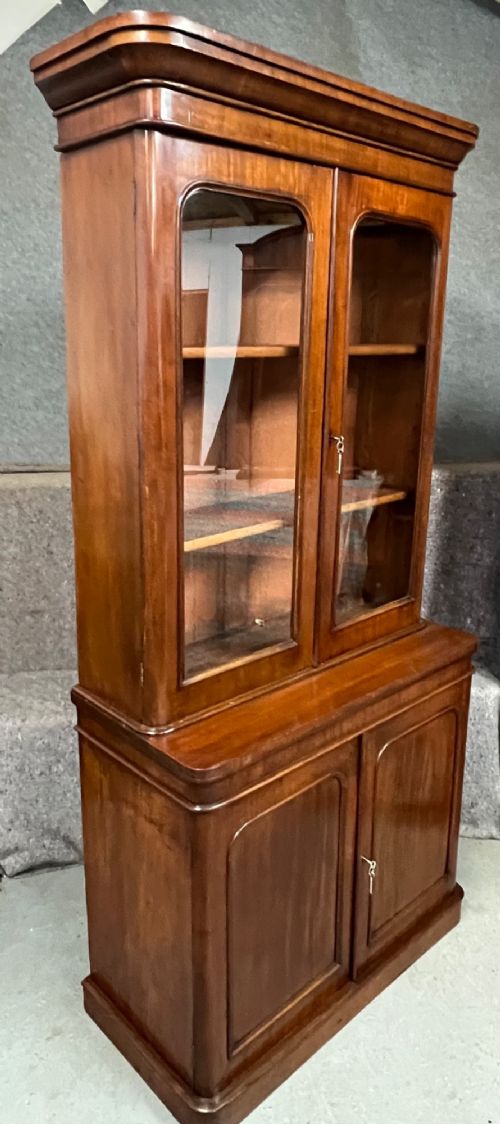
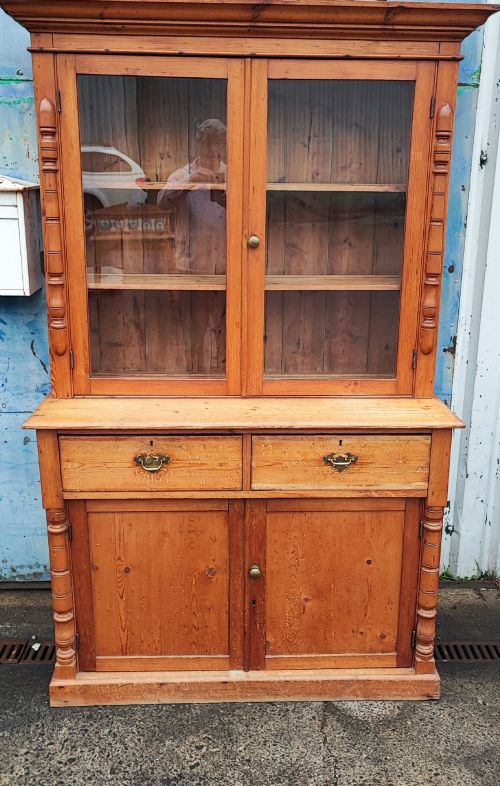
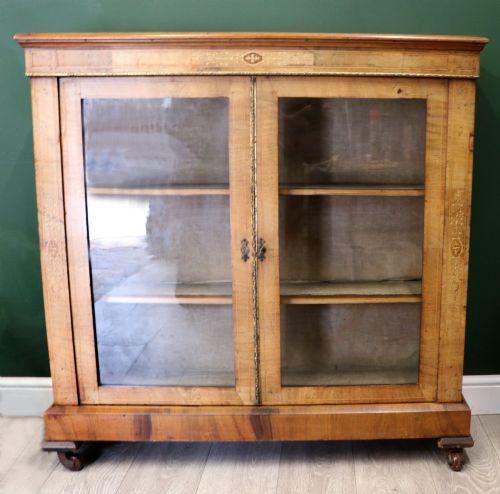
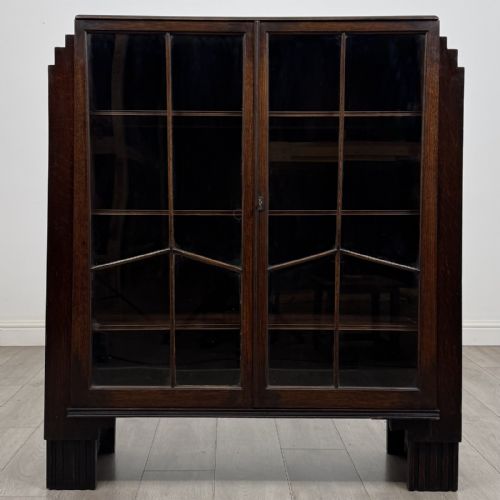
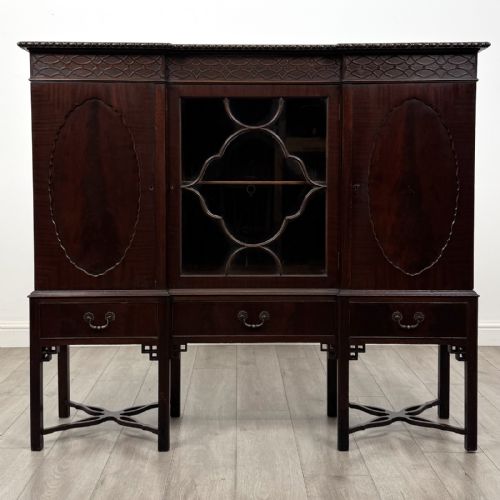
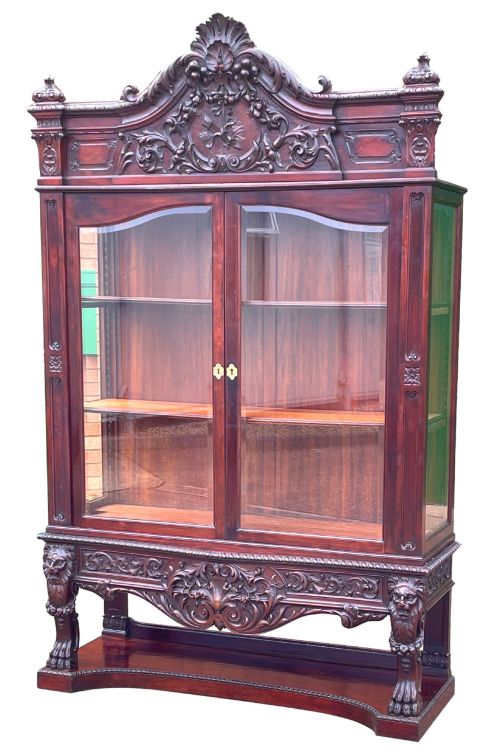
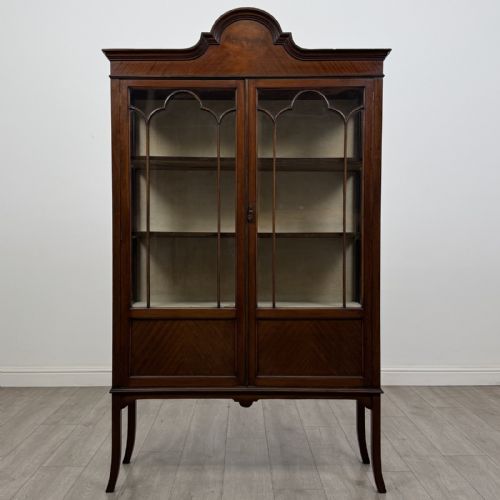
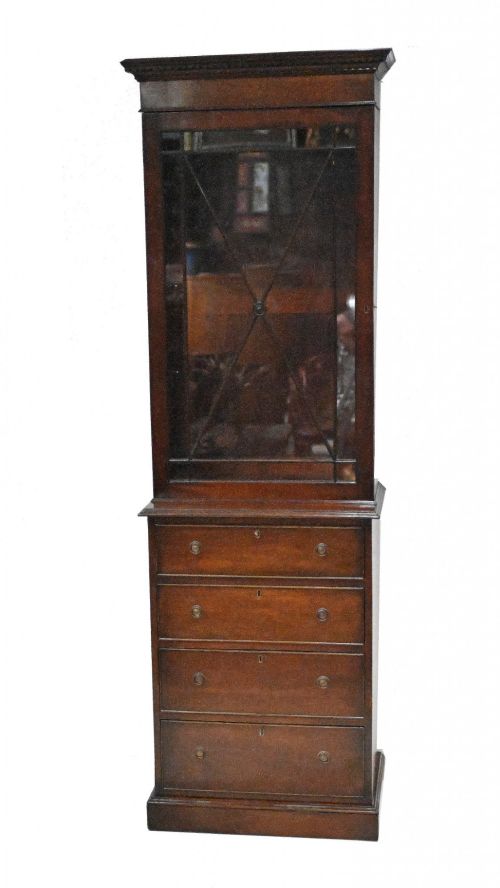
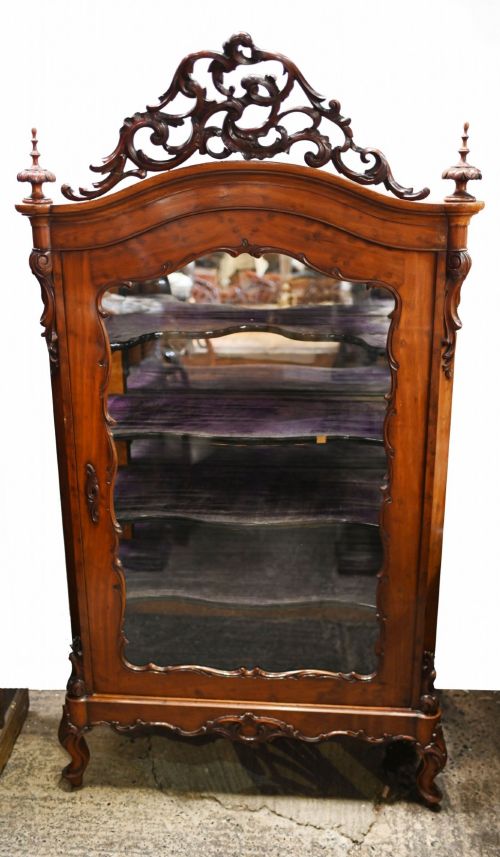
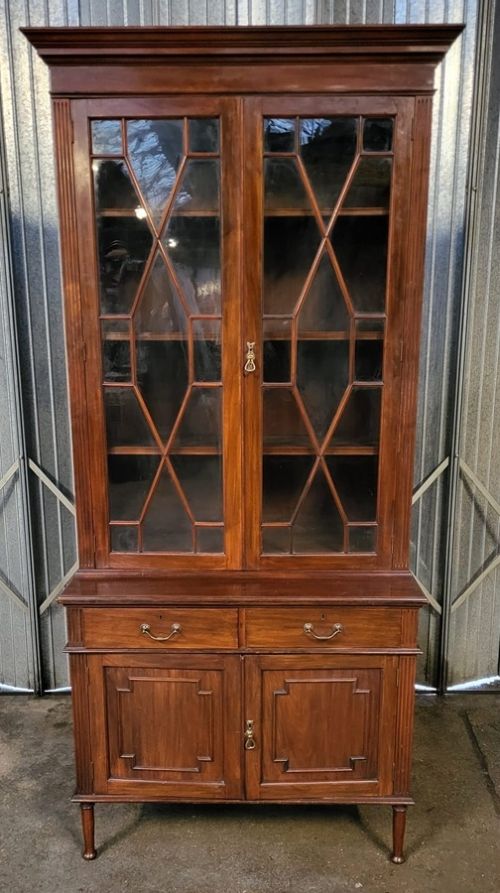
These glazed china display pieces combine timber frames with glass panels to safely hold and show porcelain.
Glazed China Display
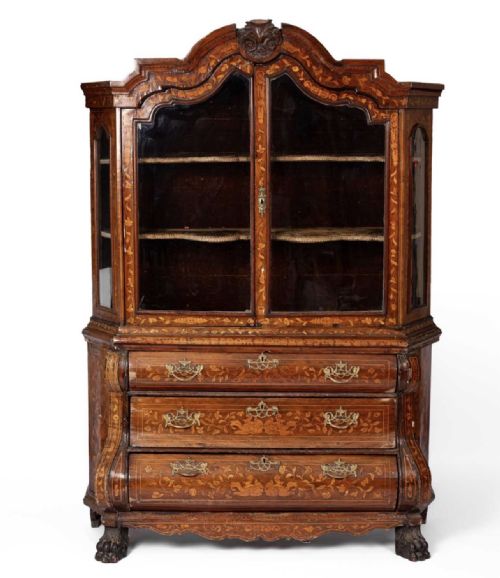
A glazed china display search reveals cabinets, bookcases, and vitrines intended to protect and exhibit porcelain and objects. The versions met most often on this page date from the Victorian and Edwardian eras, alongside earlier Georgian and 18th-century examples.
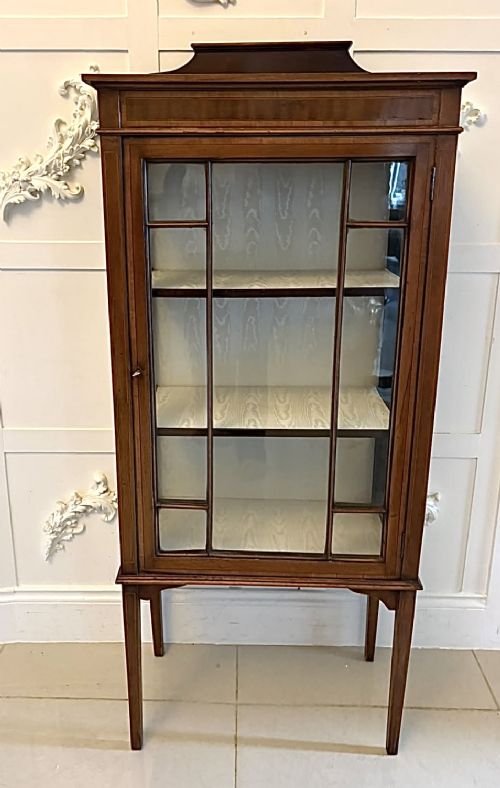
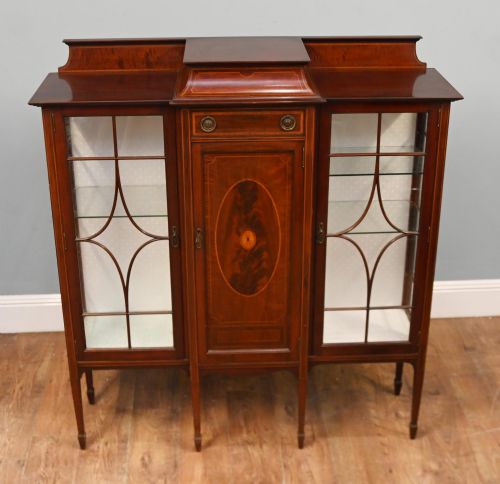
Makers shaped these items as tall narrow bookcases, bowfront cabinets, and breakfront pieces designed to sit against a wall or fit into a corner. Mahogany, walnut, and oak form the primary structural carcasses for these display vessels.
Revival styles heavily influence the design of these cabinets, drawing upon Sheraton, Queen Anne, Jacobean, and Neoclassical motifs. Alongside cabinetry, occasional chargers appear to represent the ceramic items these furniture pieces were built to house.
Materials and technique
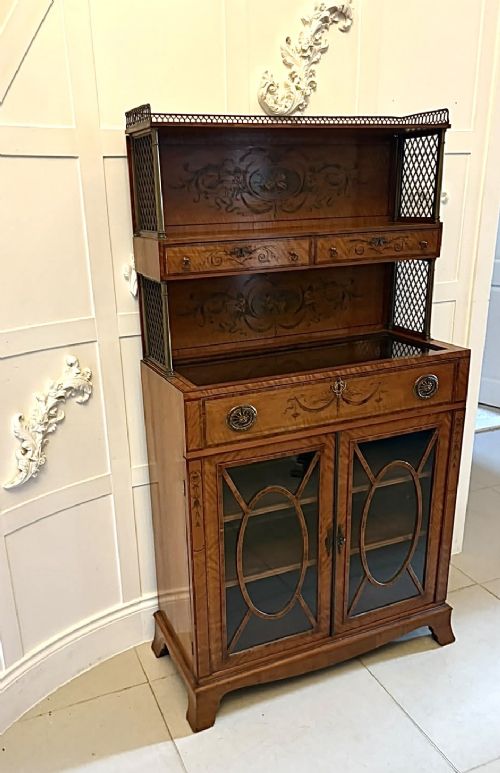
Cabinet makers utilised dense hardwoods such as mahogany, walnut, and oak, often applying figured veneers like satinwood, burr walnut, and amboyna to primary display surfaces. Brass hardware, including locks by makers such as Hobbs and Co, secures the doors while glass panels enclose the shelved interior.
Inlay and marquetry techniques decorate many of the mahogany and walnut facades, incorporating contrasting timbers to form floral or geometric patterns. Carved wooden details, claw and ball feet, and raised galleries finish the structural frames of the cabinets.
Glazed China Display Retail Price Guide 2026
Typical asking prices for glazed china display among the pieces listed under this phrase on Sellingantiques today, from the lower quarter to the upper quarter. They describe what is for sale here now, not the wider market.
Materials recorded in the inventory include mahogany, walnut, burr walnut, oak, satinwood, brass, and glass.
Determinants of quality
The refinement of the timber selection and the precision of the marquetry inlay separate standard production from superior examples. Finely figured veneers and crisp hand-carved details indicate higher workshop standards during manufacture.
Structural proportion and the complexity of the glazing bars, such as astral or astragal glazing, dictate the visual success of the cabinet. Original brass locks, keys, and interior fabric linings further distinguish well-preserved pieces.
Maple and Co·Waring and Gillow·Hobbs and Co
The Glazed China Display Glossary
- Vitrine
- A glass-fronted cabinet designed specifically for the display of porcelain, curiosities, and small objects. These pieces rely heavily on glazed panels to maximise light penetration.
- Astral glazing
- A framework of slender wooden bars dividing a glass window or cabinet door into smaller panes. This technique creates a lighter visual appearance on large bookcase and cabinet doors.
- Marquetry
- Decorative veneer work forming pictures or patterns by assembling pieces of coloured wood, shell, or other materials. Craftsmen apply these designs to the exterior panels of cabinets.
- Breakfront
- A piece of furniture whose central section projects forward from the flanking wings. This architectural arrangement adds depth and visual interest to large display bookcases.
- Bowfront
- A cabinet front curved outward in a convex shape. This curved form softens the rectilinear lines typical of many traditional display cases.
Glazed China Display: Frequently Asked Questions
What is a glazed china display cabinet?
These pieces are wooden cabinets fitted with glass doors and shelves designed to exhibit porcelain and decorative items safely.
They keep dust away from fragile tableware while allowing clear visibility from the room.
How do I date a display cabinet?
Dating relies on identifying the primary wood species, construction methods, decorative inlay styles, and hardware types used by the cabinet maker.
Edwardian and Victorian pieces often feature machine-sawn elements and specific revival motifs, whereas 18th-century examples show hand-cut joinery and period-specific marquetry.
Where should I place a display cabinet?
These cabinets suit dining rooms, living spaces, or hallways where natural light can illuminate the interior glass shelves.
Positioning them away from direct sunlight prevents fading on interior fabric linings and sensitive wooden surfaces.
How are these cabinets cleaned?
Wood surfaces require gentle dusting and occasional waxing with traditional beeswax to maintain the finish without harming the antique polish.
Glass panels need standard non-abrasive glass cleaner applied to a cloth rather than sprayed directly near the wooden frame.