





Glazed Ceramic Stand
A glazed ceramic stand brings functional colour and solid presence to a hallway or reception room.
Glazed Ceramic Stand
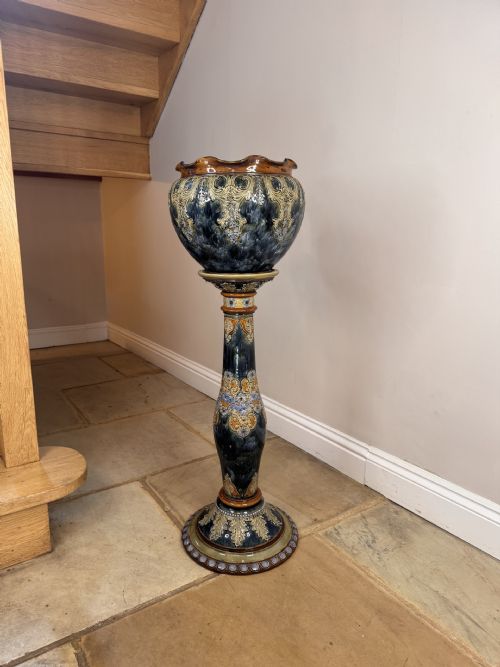
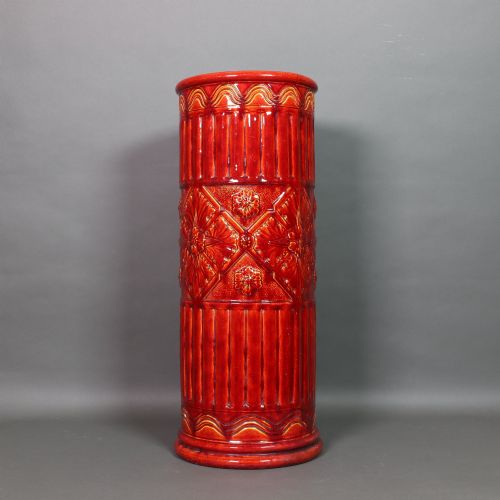
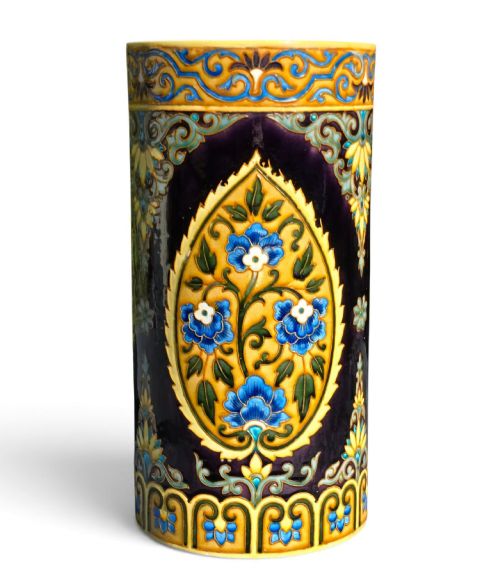
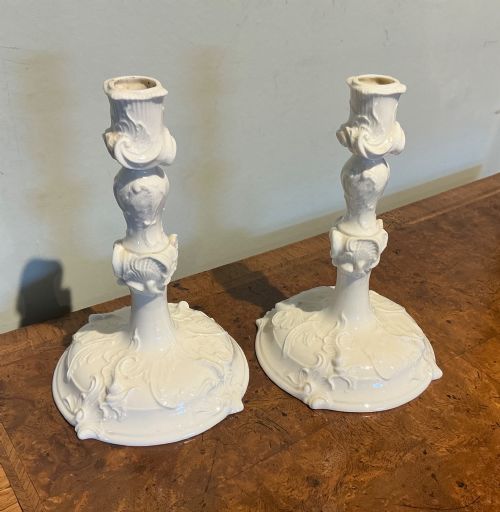
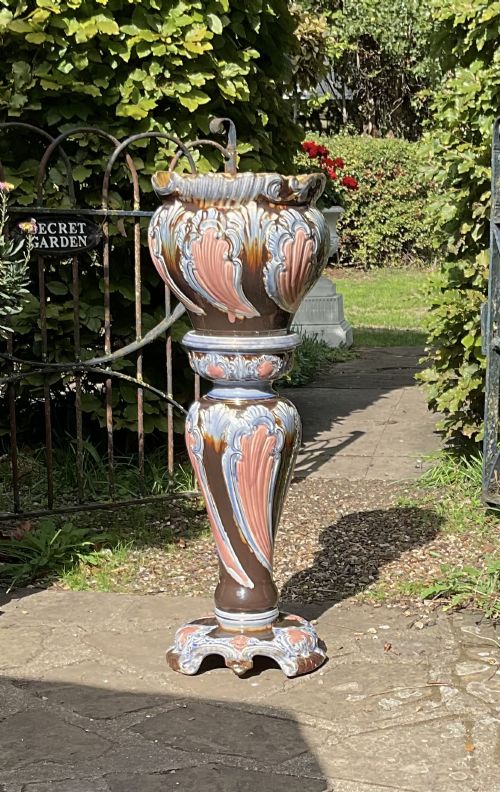
A glazed ceramic stand encompasses tall umbrella and stick holders, garden seats, and elevated jardinières resting on matching pedestals. These pieces originate across the nineteenth and early twentieth centuries, spanning Victorian, Art Nouveau, and Arts and Crafts aesthetics.
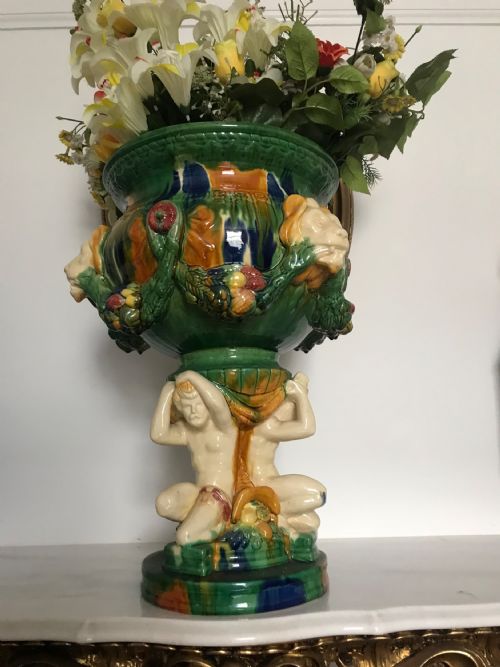
The most common forms on this page include majolica jardinières with separate column stands and earthenware stick holders designed for heavy daily use. Makers utilise bold glazes and moulded decoration to create robust objects intended for practical placement in domestic interiors.
How They Were Made
Potters shape earthenware, stoneware, and porcelain through moulding or throwing before applying opaque or translucent glazes. Many examples incorporate coloured enamel highlights and gold leaf details fixed during subsequent kiln firings.
Moulded relief decoration provides structural depth beneath glossy or lustre glazes. Complex pedestal designs require separate firing of upper vessels and support columns to ensure stability.
Glazed Ceramic Stand Retail Price Guide 2026
Typical asking prices for glazed ceramic stand among the pieces listed under this phrase on Sellingantiques today, from the lower quarter to the upper quarter. They describe what is for sale here now, not the wider market.
Stout ceramic pugs and greyhounds sit patiently as inkwells and quill holders, guarding desk spaces with unblinking ceramic devotion.
What Varies in Quality
Quality rests in the crispness of the moulded relief and the even distribution of the glaze across complex botanical or figural surfaces. Finer pieces maintain sharp detail where glazes pool, avoiding muddy transitions between colours.
The structural integrity of large forms, such as heavy jardinières and umbrella stands, separates standard production from ambitious exhibition pieces. Weight distribution and uniform firing without warping define superior examples.
Burmantofts Faience·Théodore Deck·Clement Massier·Julius Dressler·Spode
The Glazed Ceramic Stand Glossary
- Majolica
- A type of earthenware covered with an opaque tin glaze and painted with bright metallic oxide colours. It gained widespread popularity during the Victorian era for decorative garden seats and jardinières.
- Faience
- Tin-glazed earthenware produced in imitation of Italian majolica or traditional Dutch pottery. Factories such as Burmantofts utilised this term for decorative architectural and vessel wares.
- Jardiniere
- An ornamental ceramic pot or bowl designed to hold live plants or floral arrangements. They frequently appear paired with matching cylindrical pedestals.
- Stoneware
- A dense, hard pottery fired at high temperatures until vitrified and rendered completely impermeable to liquids. Saltglazing creates a distinctive textured finish on utility vessels.
- Tazza
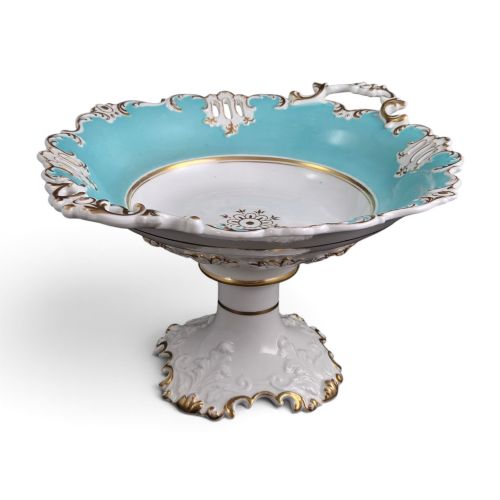
- A shallow saucer-shaped ornamental vessel raised on a stem and foot. These pieces often feature classical revival motifs and bone china construction.
Glazed Ceramic Stand: Frequently Asked Questions
How do I use a ceramic umbrella stand?
Place the stand in an entrance hall or porch to hold walking sticks, canes, and wet umbrellas securely. The glazed interior protects the surrounding floor from moisture.
Ensure a heavy base sits flat on a solid surface to prevent tipping when loaded with multiple heavy items.
What is a jardiniere and pedestal?
A jardiniere is an ornamental plant holder that sits atop a matching vertical pedestal column. This arrangement elevates large potted plants to display them prominently within a room.
The two-piece construction allows the upper bowl to be lifted off the stand for safe cleaning and planting.
How do I clean glazed ceramics safely?
Dust surfaces regularly with a soft, dry cloth to prevent dirt accumulation within moulded recesses. Avoid harsh chemical cleaners that can dull historic glazes.
Wipe gently with a damp cloth using mild soap only when necessary, drying thoroughly afterward.